Wearing a sparkly mini-dress and heels, performance artist Queezy Babaz enters a bustling Cape Town car racing space and interacts with attendees, offering an intimate observation into queer identity and acceptance within the Coloured community.
Quaid Heneke
as Self - Queezy Babaz
What would your family reminiscences about dad sound like if he had been an early supporter of Hitler’s, a leader of the notorious SA and the Third Reich’s minister in charge of Slovakia, including its Final Solution? Executed as a war criminal in 1947, Hanns Ludin left behind a grieving widow and six young children, the youngest of whom became a filmmaker. It's a fascinating, maddening, sometimes even humorous look at what the director calls "a typical German story." (Film Forum)
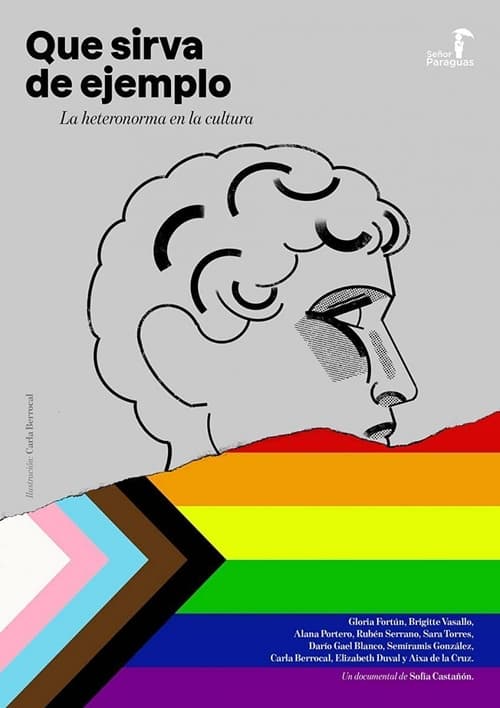
What is heteronormativity, what does it mean for men and women, what is the cultural canon, does culture reflect or does culture construct? We reflect on all this by putting in dialogue ten people who, from different fields of culture, have thought about this.
Issara has 2 highest dreams in his life, making his own movie and being in love with someone (he is gay and never had a boyfriend), then he brings both of his dreams leading him to join the documentary project of BIOSCOPE film magazine, his project My First Boyfriend was selected. So he went to the internet to announce someone who is going to date him in this movie (he said this is a director-actor relationship) Issara's rule is he will use the camera to record this date but his face will never be shown, so the audience will see only the actor's face and will know the director by hearing his voice.
Long a target for poachers, the rhino has been hunted for their horns across Africa. In The Last Horns of Africa, debut documentary feature director Garth De Bruno Austin follows those who are putting their lives on the line to protect the animal, from a hidden rhino orphanage to the Kruger National Park. With unparalleled access the filmmakers have created a compelling documentary that explores conservation, the illegal wildlife trade, and rhino poachers.
This film tells the story of Jacques Maritain, a highly respected French philosopher, teacher and writer in the 20th century, who was a principal exponent of Thomism and an influential interpreter of the thought of St. Thomas Aquinas.
Ricardo was once Sara, a homeless HIV positive transvestite, living in the underbelly of Manhattan. Today he is a churchgoing, married man, "saved" by a Dallas ministry. He has renounced his homosexuality, but is his conversion complete? Susana Aiken and Carlos Aparicio offer an intimate look at Ricardo's transformation.
Sixteen year olds Palani and Karthik want to become "ladyboys." They're bullied in school and beaten by their families. Their parents would like to see them grow up as normal boys, but they're falling deeper and deeper into the world of the "Aravanis." Loved as dance performers but hated as homosexuals, their stories emblazon the inner conflicts of India's gender culture today.
From the memory, two women reconstruct their transformation in lesbian sexuality. From objectification to the freedom to love other women's bodies.
A close look at what really means to be part of Haus of Fraimpark, an alternative drag family in Panama City. Daughters and Nieces of Miss Veneno Fraimpark share their experience in belonging to one of Panama's most acclaimed drag houses.
Few artist portraits give us the privilege of getting as close to the painter as if we had free access to his studio. Over a period of three years, Pepe Danquart got to accompany the painter Daniel Richter, watching him paint, negotiate with his gallerist, talk to his publisher and joke with fellow artist Jonathan Meese. Danquart interviews collectors, attends auctions and even visits record shops.
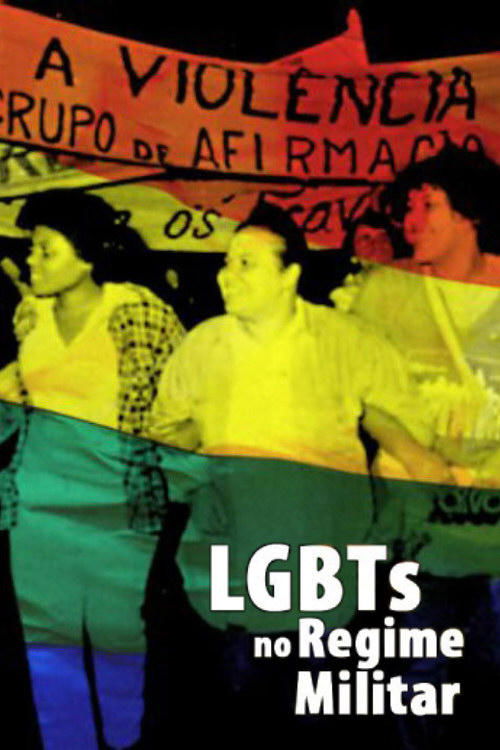
In 1980, the first march of gays, lesbians and transvestites took place in Brazil in protest against the constant police operations that took place in São Paulo, which aimed to repress these groups. Based on Renan Quinalha's doctoral thesis, “Against morality and good customs: the sexual politics of the Brazilian dictatorship (1964-1988)”, carried out by the Institute of International Relations, a series of four 5 minute videos about the birth of the LGBT movement during the Military Regime.
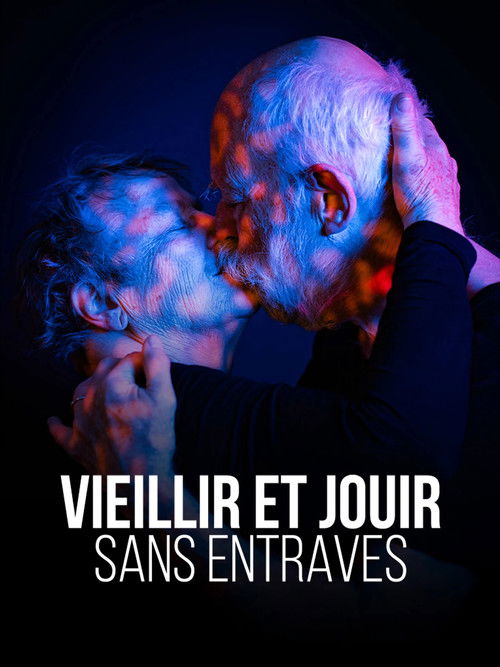
One of society’s last taboos is elderly desire, which remains strong for many: half of older adults remain sexual. Advances in medicine and lifestyle mean people in their 70s, 80s, or 90s can still explore and enjoy intimacy. Yet society often ignores this—aged bodies are deemed unattractive, and sexual desire beyond tenderness is stigmatized, sometimes leading to mistreatment in care homes where couples are separated. The documentary Vieillir et jouir sans entraves confronts this taboo. Featuring celebrities and real-life couples—including Francine and Marc (60 years together) and gay couple Jean-Marc and Alain (34 years together)—it explores aging bodies, love, sexuality, and the challenges of libido and illness. The film highlights initiatives supporting sexual expression for older adults, including LGBT-friendly housing and sex-positive care, urging society to rethink its view of aging intimacy.
In this re-worked and expanded version of the original 2018 film, two queer ex-Mormon missionaries embark on a transformative journey across America, uncovering the devastating effects of religious dogma on LGBTQ+ members and former members of the LDS Church, as a single, intimate conversation –spanning from childhood to adulthood– unfolds over the course of seven chapters.
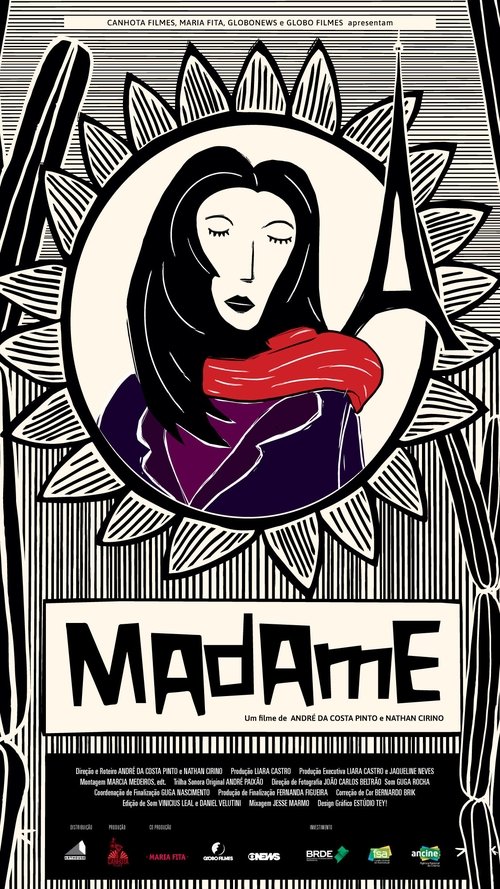
The documentary tells the story of Camille Cabral, Northeastern woman, transsexual, first Brazilian elected in France.
A film crew follows two leopard cubs as they make the fascinating journey from infancy into adulthood in this up-close-and-personal nature documentary.
An intimate portrait of Matthew Shepard, the gay young man murdered in one of the most notorious hate crimes in U.S. history. Framed through a personal lens, it's the story of loss, love, and courage in the face of unspeakable tragedy.
Two halves split by the perseverance of a scorpion. Come on, feet.
Why are illegal abortions more accessible in Poland than legal ones in South Africa? This documentary feature explores and contrasts changes in Poland and South Africa regarding abortion laws and their impact on the lives of women. In the 90's, Poland banned abortion due to the increasing influence of the Catholic Church after the fall of communism; around the same time South Africa legalized it, reforming the health system after the fall of apartheid. The film reveals how the legal status of women is a direct result of the silencing or empowering of women's voices. In the Polish society and media, women's perspectives were made invisible; in South Africa, on the other hand, they were invited to give public hearings in the parliament about problems in the realm of reproduction.