Monica Vitti
as Self (archive footage)
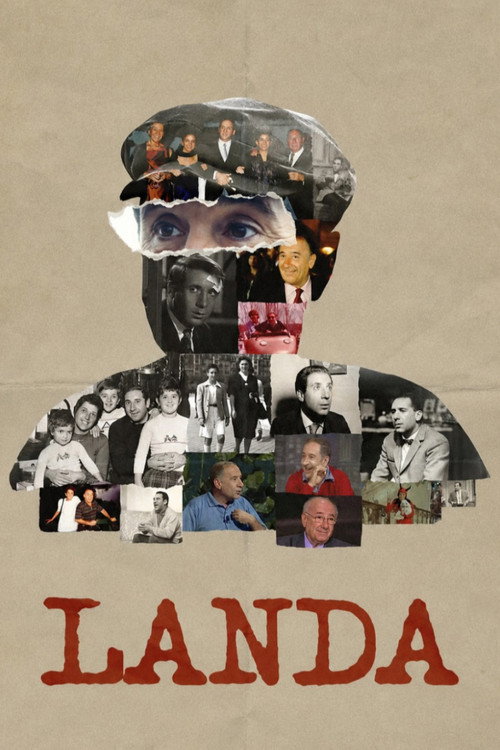
Portrait of Alfredo Landa, Spanish cinema's most popular actor. From landismo to his greatest roles, featuring public affection, prestigious awards, unreleased material, and intimate testimonies about the person behind the performer
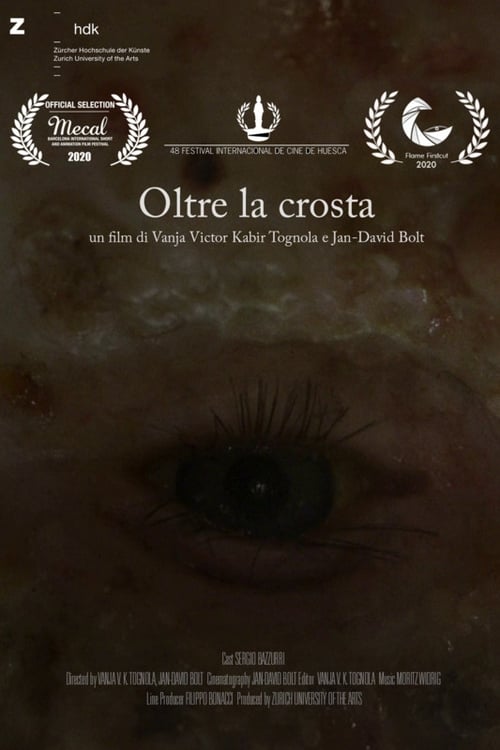
Maurizio is a young university student living in Zürich, with a passion for diseases. Unlike many others, he can see an inherent beauty in them. Afterall, what difference can exist between a flower and an infection, if they are both a gift of nature?
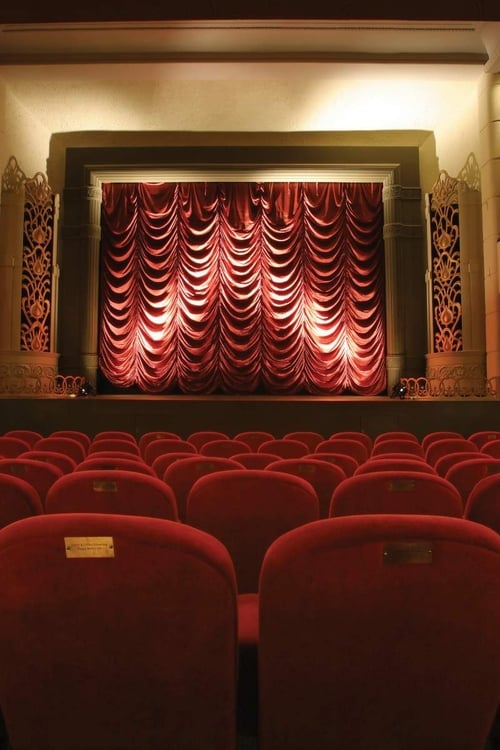
In 2017 Tyneside Cinema turned 80.
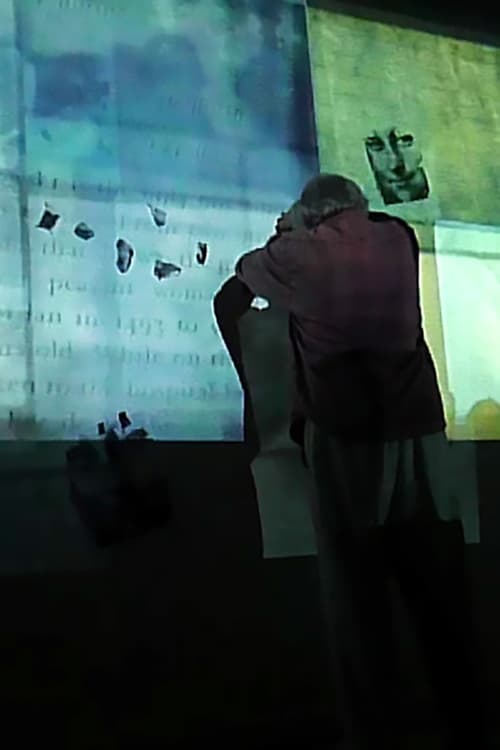
"This installation or performance work puts my own earlier film of the Mona Lisa (1973) through another stage of transformation – my own irretrievable self of some 34 years ago is now also part of the subject I first saw the ‘actual’ ‘Mona Lisa’ when I was about thirteen. Of course I had seen dozens of reproductions in books and postcards by then and the popular mythology of the enigmatic smile was already well engrained in my mind. My strongest impression, as I recall, was how small and unsurprising it was – a heavily protected cultural icon – no longer really a picture – and I was much more excited by the painting of the distant landscape than by the face. My own ‘version’ of ‘la Giaconda’ was never an homage, nor like Marcel Duchamp’s ‘L.H.O.O.Q’, an attack on its cultural power. Instead it came from a fascination with change and transformation – maybe also with arbitrary appropriation." Malcolm Le Grice
In his second international bestseller, "Arc de Triomphe," author Erich Maria Remarque explores his own experience of exile and his decisive encounter with Marlene Dietrich. From Paris and Antibes to Los Angeles and New York, the documentary traces the moving genesis of this highly autobiographical novel, now considered a major work of European exile literature, and the literary legacy of the long-standing passion between two global stars.
When four jazz musicians—trumpeter Serge Adam, pianist Benoît Delbecq, bassist Francky Mwele, and drummer Emile Biayenda—prepare for an African tour with the aim of engaging in dialogue with the musicians they meet along the way, certain clichés prove hard to shake. The jazzmen themselves are well aware of this; after all, isn't their very starting point a desire to avoid them? Musical curiosity must be reciprocal, and, after all, jazz is surely the territory that—even if not strictly shared—serves as an initial "no man's land" for an encounter. Beyond that lies the adventure...
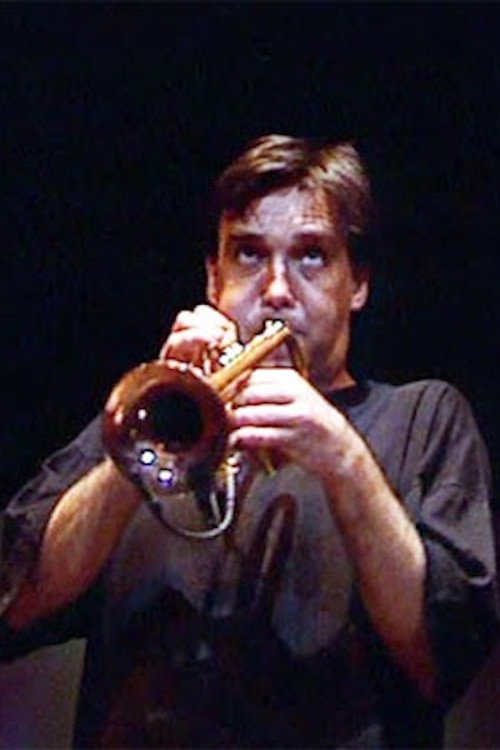
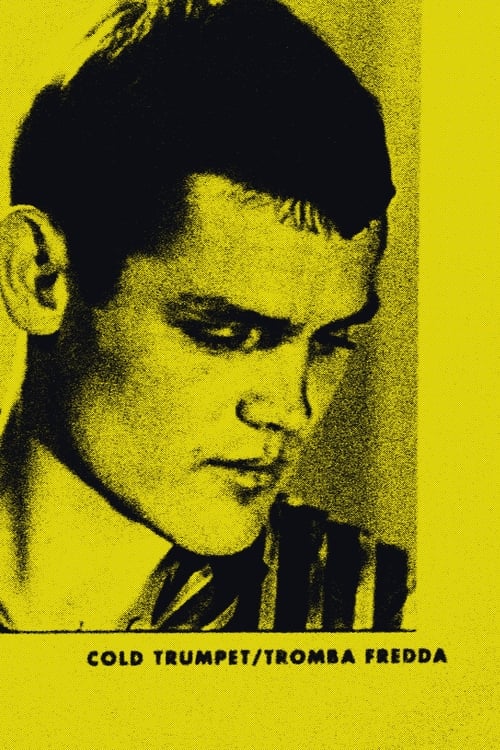
Chet Baker silently wanders through an Antonioniesque landscape in a Felliniesque state of wonderment as his improvised trumpet solos alternate between earnestly offering the obvious and mocking the artiness of the whole affair.
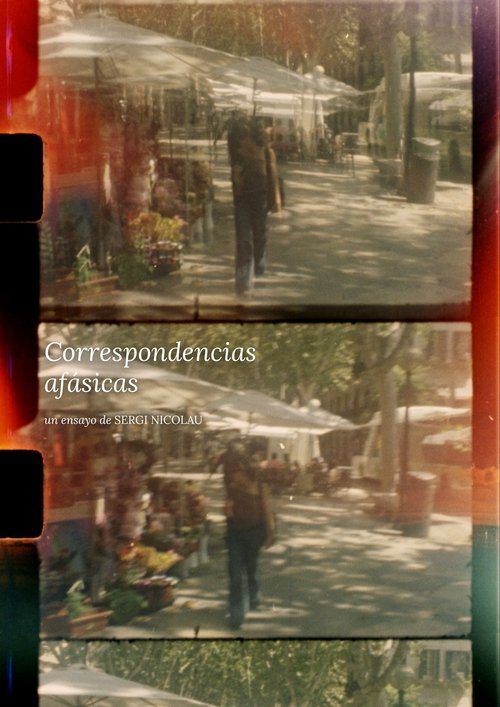
An audiovisual essay constructed from Super 8 footage filmed during camera tests for the short film ‘La Trampa’. Through gestures, light, and silences, it reflects on what the image reveals and what it leaves unsaid.
[m]otherhood will make us stop asking women without children why they don’t want to be mothers, because it gives us all the answers. These types of inquiries can become very annoying after a while; at times, the only way to get out gracefully is by smiling and not saying a word. This documentary brings together several women who’ve decided to sound off on the subject, and whose reasons –hard-hitting and solid– knock the concept of contemporary motherhood as an “ideal” off its pedestal.
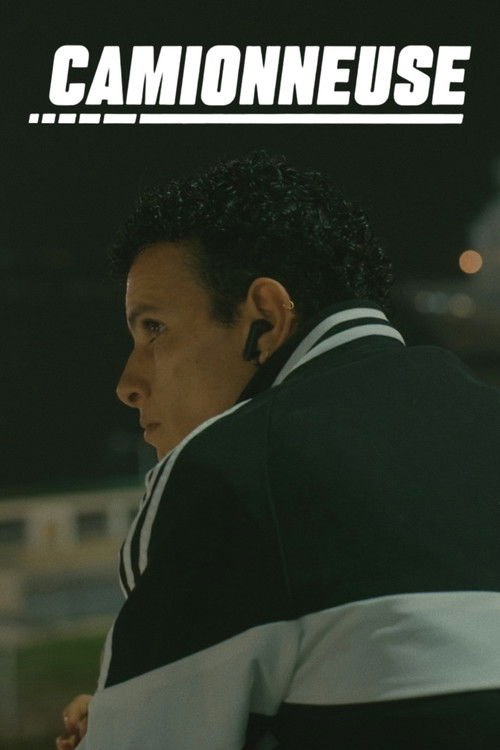
Zina left Algeria to fulfill her childhood dream of driving trucks. At every turn, her cabin becomes a space of freedom and the highway a battlefield.
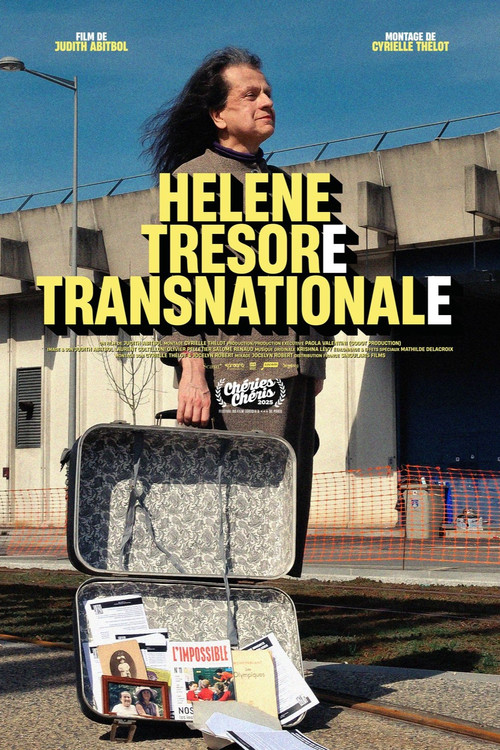
In this intimate portrait addressed directly to Hélène Hazera, filmmaker Judith Abitbol revisits a key figure of France’s countercultures from the late 1960s to the 1990s. A member of the Gazolines and the FHAR (Homosexual Front for Revolutionary Action), Hazera was a tireless LGBTQ activist who founded Act Up’s Trans and AIDS commissions—one of her proudest achievements. Her true victory, however, was becoming the first transgender journalist at a major national newspaper (Libération), and later a producer at Radio France and France TV. Through her story, Abitbol reconnects with the insurrectionary spirit and creative chaos of those decades—an era when French culture was shaken by radical imagination, humor, and defiance. The film celebrates these modern Antigones who dared to live their desires beyond the reach of any law.

![[m]otherhood](https://image.tmdb.org/t/p/w500/cEQUeSAAfe4c5GnodO3n7qdbMVX.jpg)