GG FÁKỌ̀LÀDÉ
as Amylton de Almeida (Voz)
Gustavo Guilherme da Conceição
as Pesquisador
Izah Cândido
as Produtor
Joel Barcellos
as Joel Barcellos

Jece Valadão
as Bernardo Graça
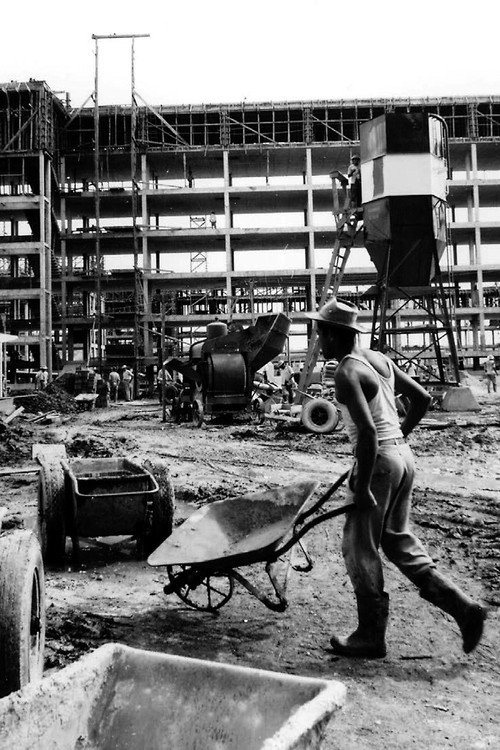
The Cruspian Experience is a documentary made in June 1986 about CRUSP, the University of São Paulo’s student housing complex, from its occupation by students fighting for housing in 1963. The CRUSP portrayed in the film was an important center of political resistance to the military dictatorship during the 1960s and 1970s, as well as a space for diverse forms of community life and experimentation in the 1980s. The documentary features accounts by José Dirceu, then a student and later a prominent Brazilian politician who went on to serve as a minister during Lula’s government and was subsequently convicted and imprisoned on corruption charges. The documentary was directed by Nilson Queiróz Couto and received the “Prêmio Estímulo” (Incentive Award) from the São Paulo State Secretariat of Culture.
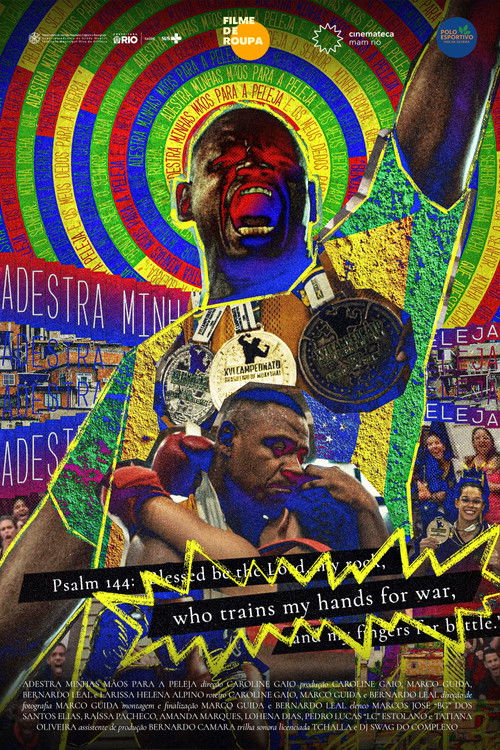
Founding a social Muay Thai project in the North Zone of Rio de Janeiro, Mestre BG and his competitors face the adversities of an underfunded project and fight to win their place on the podium. The challenges intensify when one of the students, Raíssa Pacheco, secures a spot to compete in a South American championship in Uruguay.
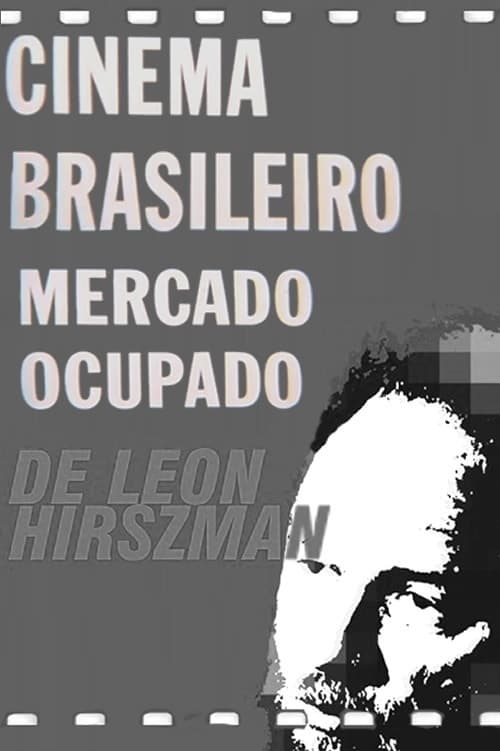
Documentary by Leon Hirszman about the economic conditions of film production in Brazil, produced in 1975 with sponsorship from Embrafilme and kept unreleased since then.
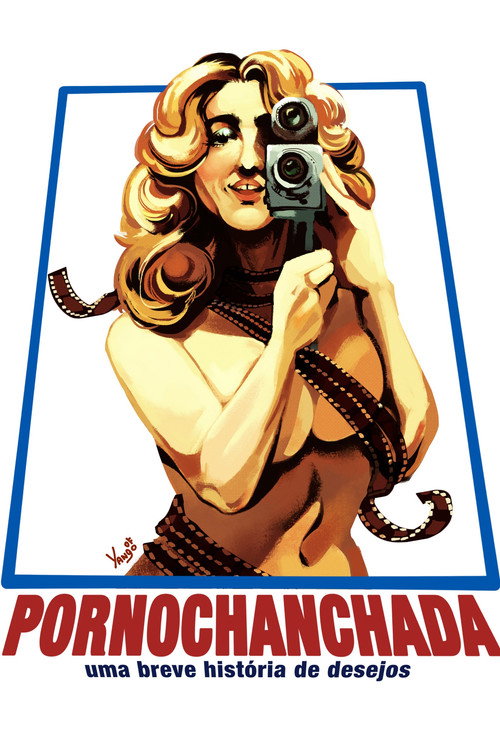
Among bodies, jokes, eye-catching posters, and packed movie theaters, pornochanchada became one of the most popular- and contradictory- phenomena in Brazilian cinema. This documentary delves into a cinema of excess and irreverence to investigate how, during the military dictatorship, films apparently considered “minor” became box-office successes and exposed the fractures of a conservative, unequal, and closely watched country.
A Brazilian production that portrays a journey of struggle, faith, hope and transformation through powerful life experiences.
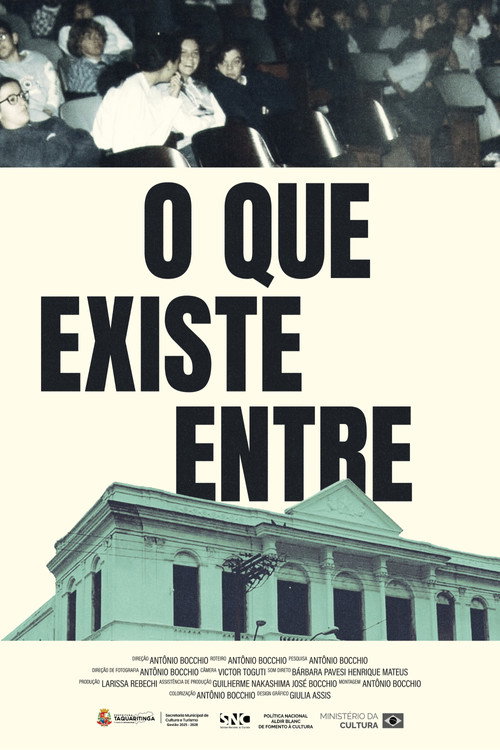
In Taquaritinga, a small city in the countryside of São Paulo, Brazil, old movie theaters were once places of gathering, memory, and access to culture. Through the stories of these places, What Lies Between explores what remains when the screens go dark and the theaters disappear, reflecting on memory, urban transformation, and the democratization of cinema in Brazil.
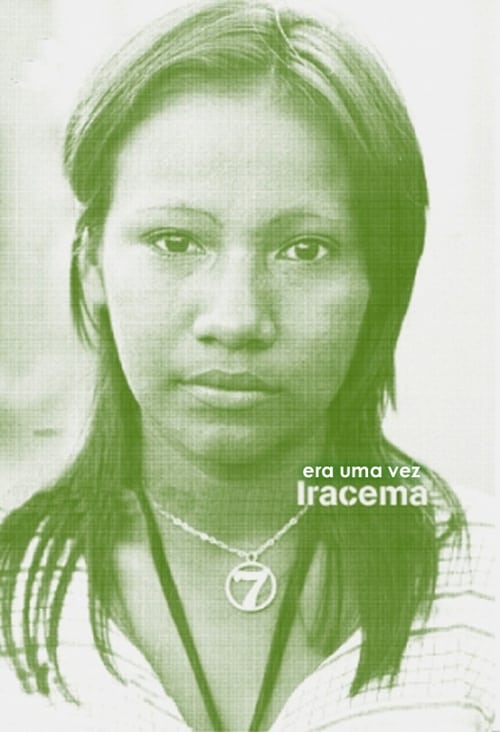
A making-of directed by Bodanzky himself, the documentary discusses the language of the film Iracema - Uma Transa Amazônica 30 years after it was made, gathering interviews with the authors, actors, critics and the filmmakers themselves.
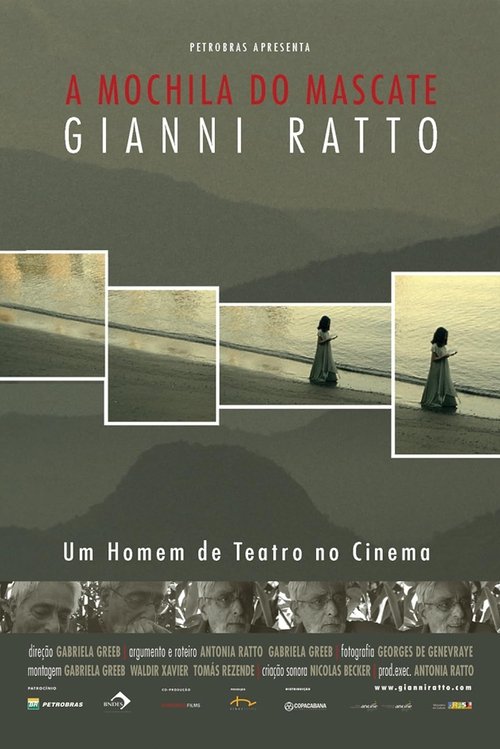
From Italian set designer to Brazilian stage director, Gianni Ratto, born in Italy in 1916 and based in Brazil since 1954, retraces the geographical path of his life, accompanied by his daughter, passing through Genoa, Milan, Florence, São Paulo, and Rio de Janeiro, visiting places and people who marked his journey. At each encounter, Gianni speaks of his work and reveals the ideas of someone who not only executes but also thinks about theater from a humanist perspective.
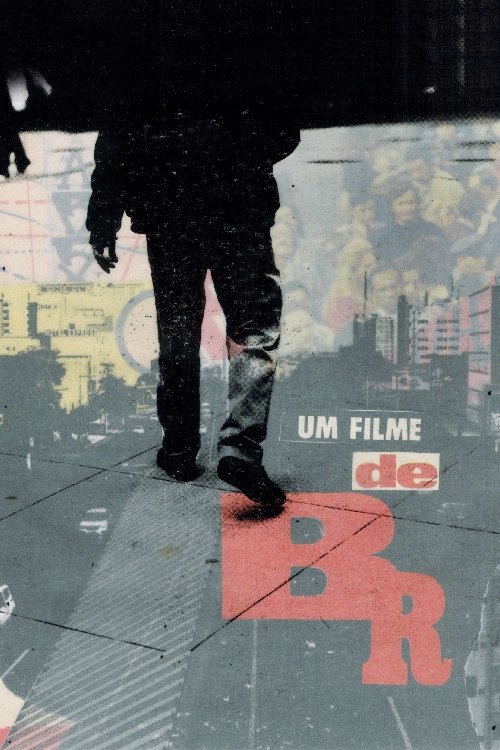
Four researchers record their perceptions as they walk through the patch of the BR-116 that goes through Canoas, Rio Grande do Sul, Brazil, looking for characters who’ve had their lives connected throughout the highway. The BR-116, the largest road in Brazil, crosses 10 states and connects Fortaleza to the municipality of Jaguarão, at the Uruguayan border, while also going through Canoas, splitting the city in two. The documentary brings testimonies from different people who share their life stories. “A Highway Movie” (2025) is the work that concludes Wender Zanon’s trilogy on Canoas, which starts with “This Is Canoas, Not Poa” (2021), followed by “Essays on a city” (2024).
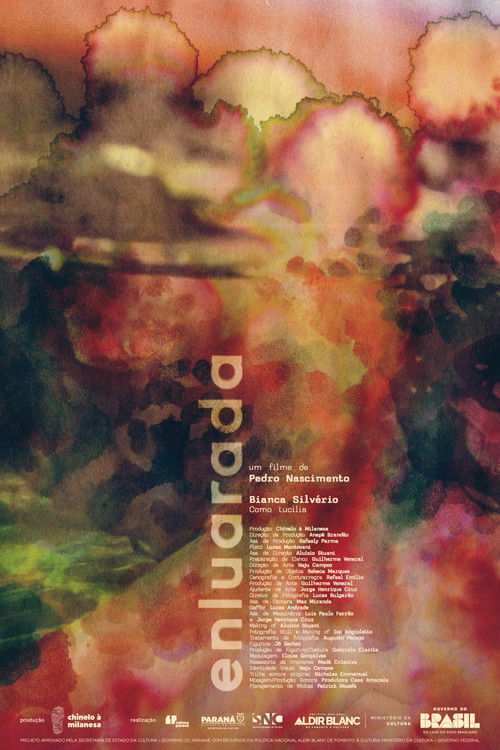
Lucília seeks peace under the moonlight, but is overtaken by intense manifestations of her subconscious, forcing her to find—within her own individuality—a way to see a better world amidst her chaotic life. Over the course of a night shaped by the character’s emotions, which take on physical form and presence, the narrative adopts a surrealist, subjective tone that invites an immersion into Lucília’s invaded psyche, triggering a journey of inner listening.