At the world's most dangerous river entrance, generations of mariners, engineers, and workers battle the raw force of the Columbia River Bar-and the monumental effort to tame it forever changed the American West.
Jim Hanks
as Narrator
The Shannon is Ireland’s greatest geographical landmark and longest river. It is both a barrier and highway, a silver ribbon holding back the rugged landscapes of the west from the gentler plains to the east. On its journey south, the Shannon passes through a huge palette of rural landscapes, where on little-known backwaters, Ireland’s wild animals and plants still thrive as almost nowhere else. For a year, wildlife cameraman Colin Stafford-Johnson lives on the river, camping on its banks, exploring its countless tributaries in a traditional canoe, following the river from dawn to dusk through the four seasons, on a quest to film the natural history of the Shannon as it has never been seen or heard or experienced before.
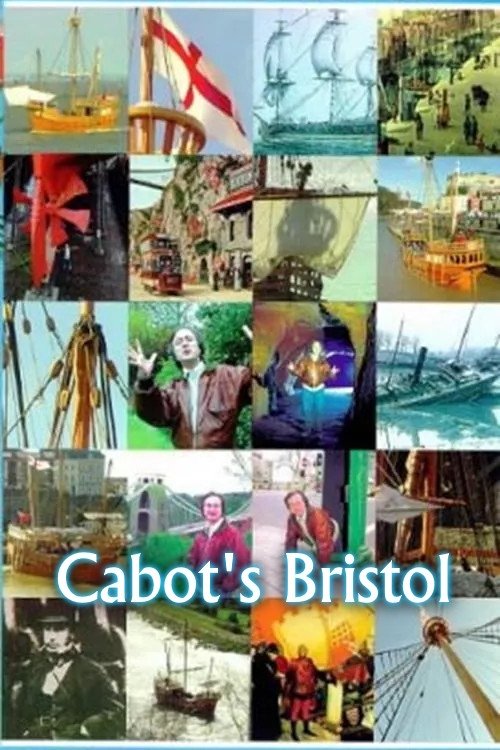
The fantastic story of John Cabot's voyage of discovery in The Matthew, plus the extraordinary story of Bristol's maritime history from Cabot to Brunel and the S.S. Great Britain and much more, brought to life by Bristol's own TV star, comic actor Tony Robinson.
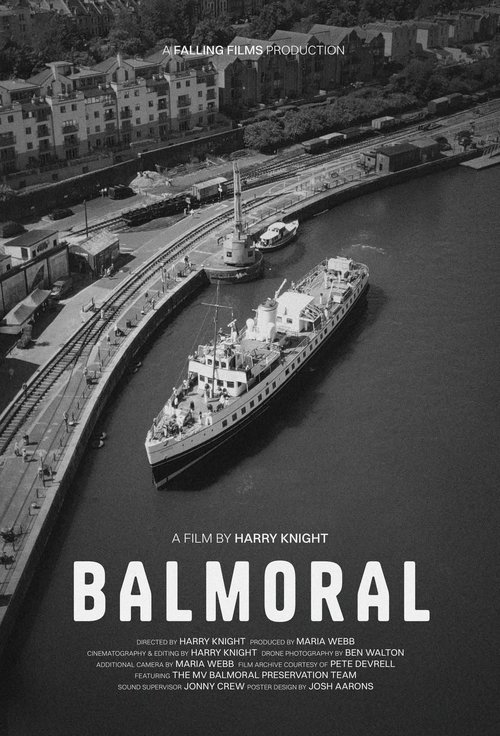
As historic ships vanish from British waters, a group of passionate volunteers fights to save the Balmoral—a 1949 passenger vessel moored in Bristol’s iconic harbour—battling time, bureaucracy, and financial struggles to preserve a piece of maritime history before it’s lost forever.
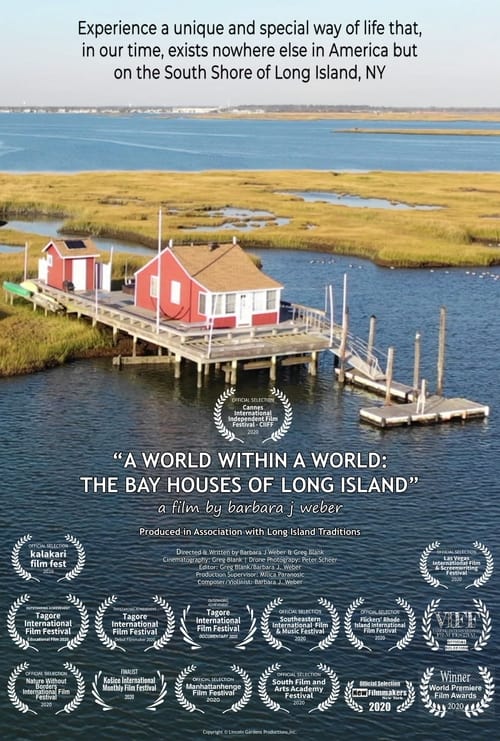
Bay houses were created in the late 1800s, and are maintained and enjoyed by families for generations. In this documentary, experience the unique and special way of life that, in our time, exists nowhere else in America but on the South Shore of Long Island, New York.
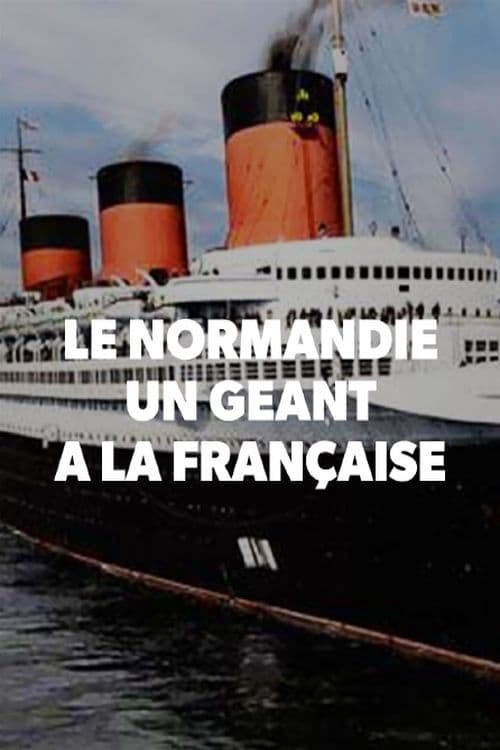
People have always wanted to reach the horizon and go beyond it. It wasn't and isn't just about discovering for the sake of discovering. Exotic goods, wealth and power were the driving forces of these people. The steamship ultimately brought the breakthrough for global mobility and trade. In the past, as now, shipping is the engine of globalization.
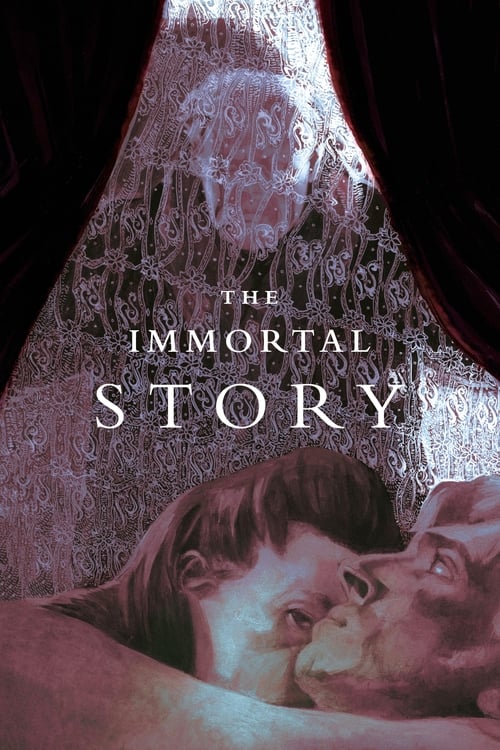
An aged, wealthy trader plots with his servant to recreate a maritime tall tale, using a local woman and an unknown sailor as actors.
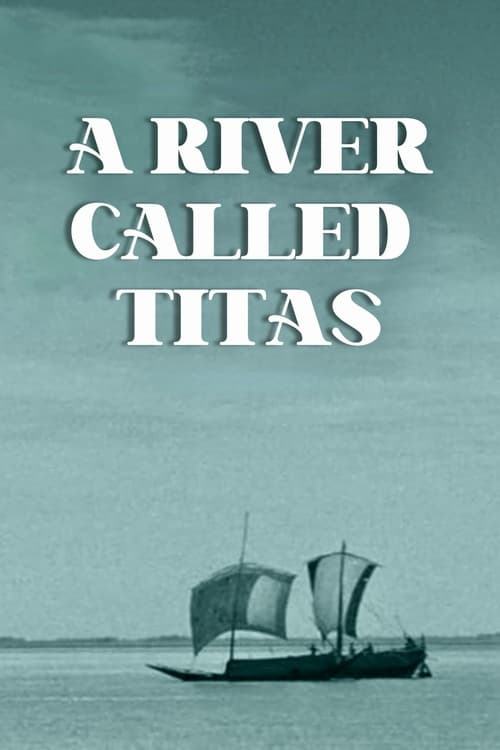
An in-depth look at the lives and struggles of a fishing community living by the River Titas in Bangladesh after the Partition of India in 1947.
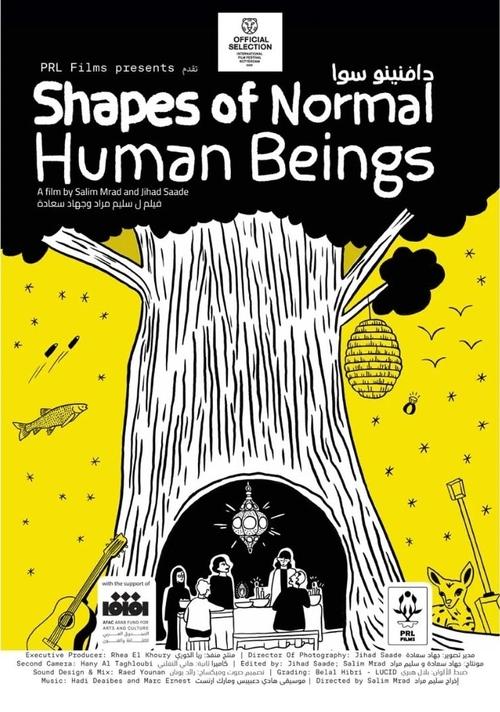
Three friends take an 8-day road journey to make sense of Lebanon at this moment in time. Each detour in their journey makes for a spectacular experience of co-narration and listening in the face of uncertainty.
I am sitting in a room is a sound art piece by American composer and sound artist Alvin Lucier composed in 1969. The first performance of the work was in 1970 at the Guggenheim Museum in New York. In collaboration with his partner Mary Lucier. The piece features Lucier recording himself narrating a text, and then playing the tape recording back into the room while re-recording it. The new recording is then played back and re-recorded, and this process is repeated. Due to the room's particular size and geometry, certain resonant frequencies are emphasized while others are attenuated. Eventually the words become unintelligible, replaced by the characteristic resonance of the room.
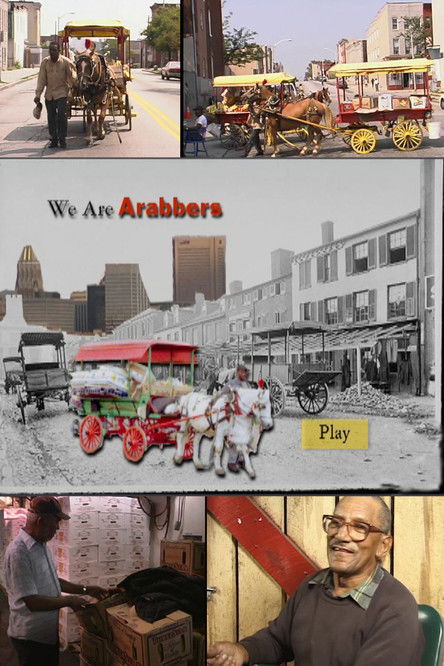
We Are Arabbers follows the last of the horse-and-wagon produce vendors along the streets of Baltimore as they struggle to make a living and maintain their unique culture.
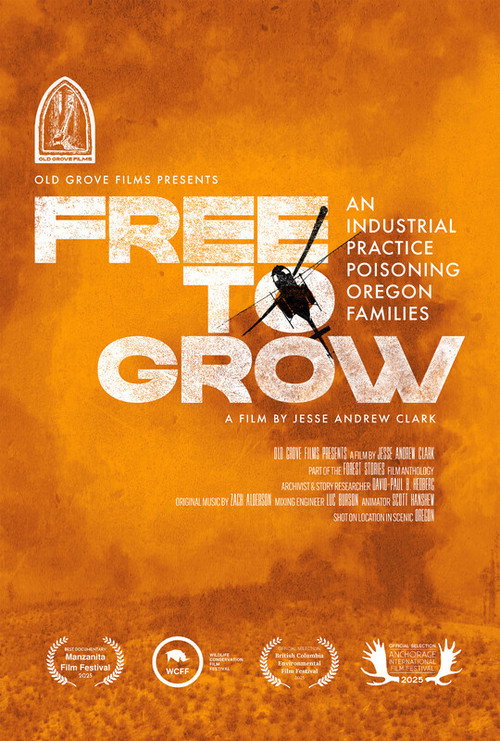
Rural Oregon families have taken up the fight against aerial herbicide spraying by the forestry industry for more than 50 years — but has public safety around these substances since improved? Weaving historic archival footage with modern-day stories, the film is a powerful portrait of families grappling with the realities of herbicide exposure in their own backyards.
A documentary produced in 1979 to celebrate the centenary of the birth of Albert Einstein. Narrated and hosted by Peter Ustinov and written by Nigel Calder.
A Czech director wrestles with problems personal and political during the Prague spring of 1968.