Nils Mahistre
as Bâtonnier Charles Bedos (Voix)
Luigi Di Bartolomeo--Dias
as Ombre

Ambre Prior-Krolikowski
Kelya Vincent
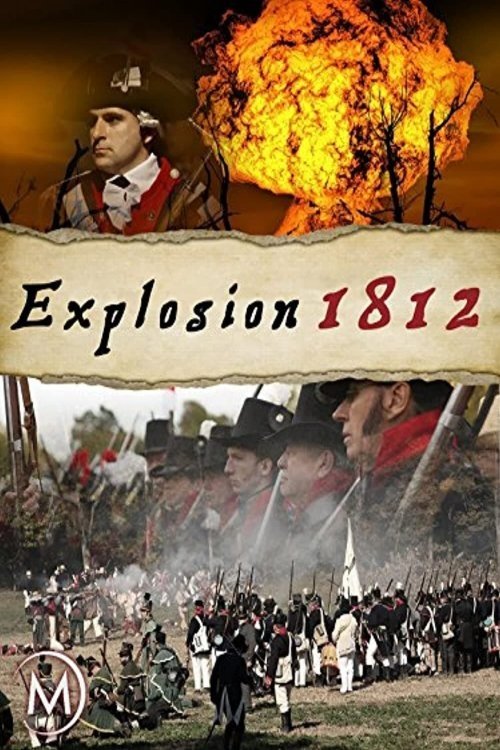
On April 27, 1813, American forces defeated the British at York (present-day Toronto) and captured the capital of Upper Canada - but not before suffering their own losses. History Television's Explosion 1812 looks at the Battle of York and unearths new evidence around this lesser-known event from the War of 1812.
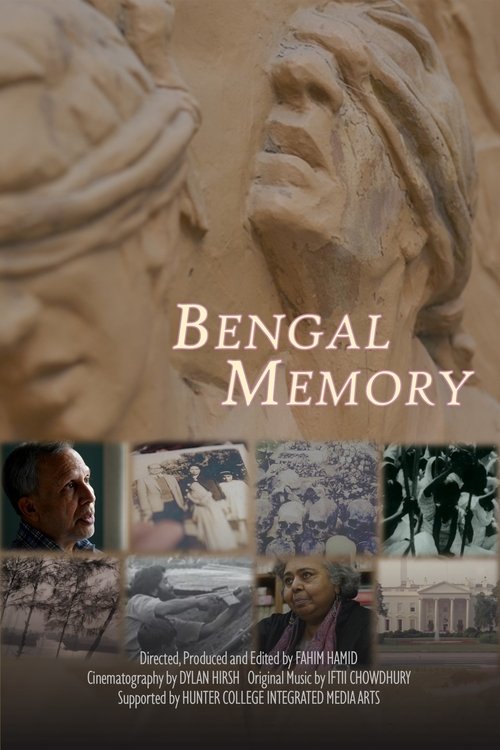
A Bangladeshi American undertakes a journey to learn about the liberation war in his native country, traveling there for the first time in nearly two decades, and uncovering the controversial role the U.S. played in a forgotten genocide that occurred there over 50 years ago. From 1971 to the present day, this is a story of Bangladesh’s independence, a family’s journey immigrating to America, and the cognitive dissonance of a person belonging to both homelands. Driven by interviews with his father and other family members, along with experts and witnesses, archival videos, declassified recordings, and animations, BENGAL MEMORY is a unique and untold oral history through a personal lens.
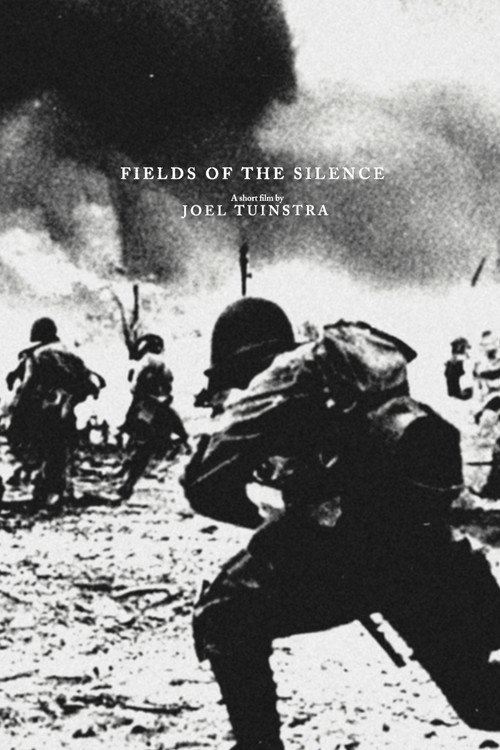
Joel Tuinstra's next film for the 2027 HOCO film fest
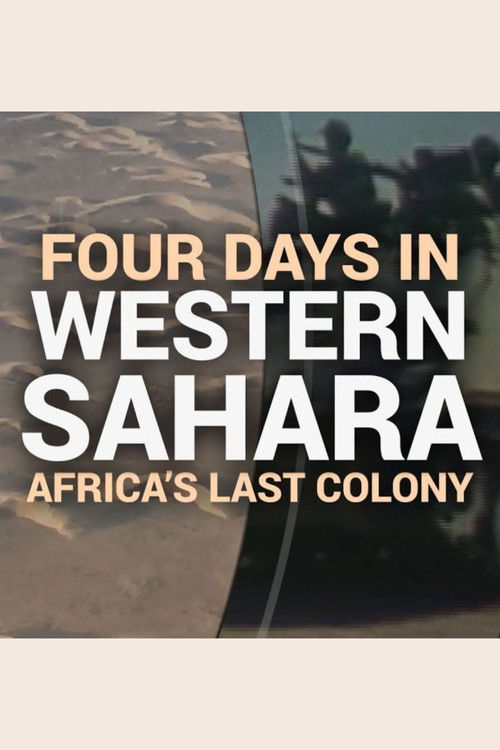
In this exclusive broadcast, Democracy Now! breaks the media blockade and goes to occupied Western Sahara in the northwest of Africa to document the decades-long Sahrawi struggle for freedom and Morocco's violent crackdown. Morocco has occupied the territory since 1975 in defiance of the United Nations and the international community. Thousands have been tortured, imprisoned, killed and disappeared while resisting the Moroccan occupation. A 1,700-mile wall divides Sahrawis who remain under occupation from those who fled into exile. The international media has largely ignored the occupation—in part because Morocco has routinely blocked journalists from entering Western Sahara. But in late 2016 Democracy Now! managed to get into the Western Saharan city of Laayoune, becoming the first international news team to report from the occupied territory in years.
On the 14th of November 2020 the Polisario Front considered breaking the ceasefire calling on the United Nations to intervene and declare a 'state of war' throughout the territory in response to an attack commited by Moroccan forces the day before. On the early morning of thursday to friday the 13th of November, at the border crossing of Guerguerat, Moroccan forces took action to expel a group of around 50 Sahrawi civilians who were, since the 21st of October, blocking the connectiong road with Mauritania in order to demand that the United Nations hold a referendum of autoindependence as was promised in 1991. In this short documentary the situation of the Sahrawi people after the events of the 13th of November is explained.
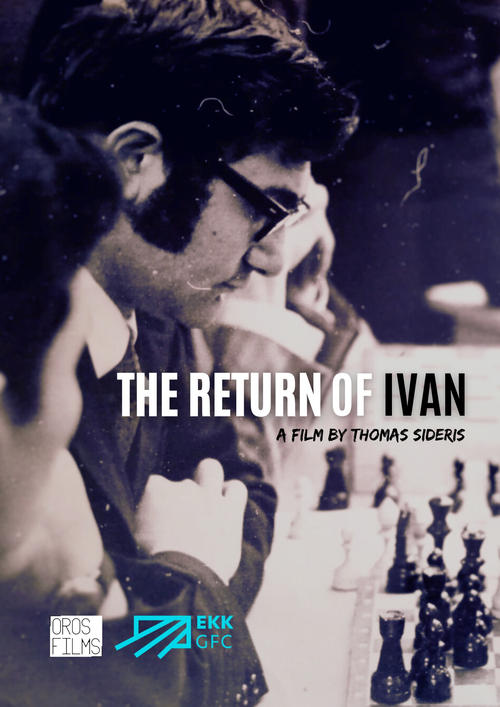
Triggered by Russia's invasion of Ukraine in early spring of 2022, Ukrainian journalist and writer Ivan Avramov struggles to navigate his fluid identity and the shifting reality around him.
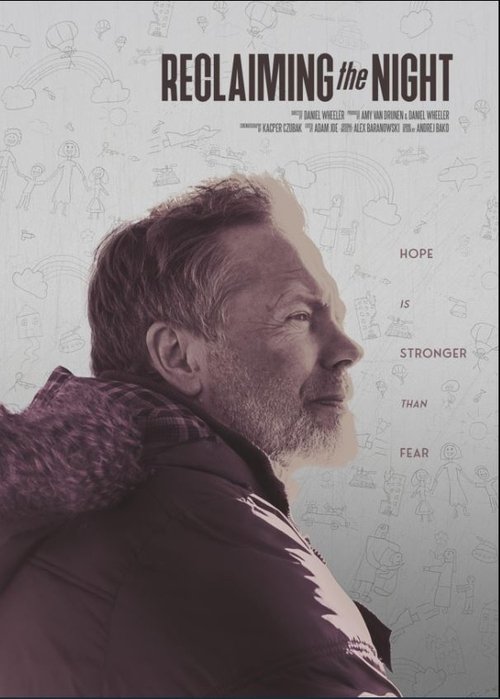
In the aftermath of war, an extraordinary professor brings hope to children haunted by trauma-induced nightmares.
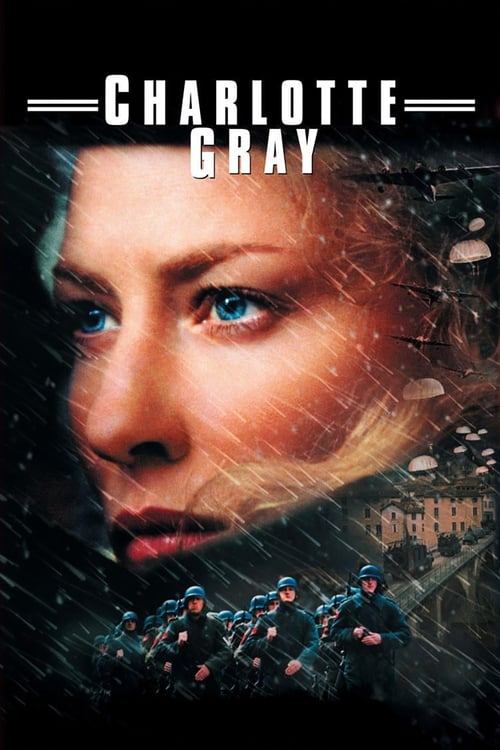
This is a drama set in Nazi-occupied France at the height of World War II. Charlotte Gray tells the compelling story of a young Scottish woman working with the French Resistance in the hope of rescuing her lover, a missing RAF pilot. Based on the best-selling novel by Sebastian Faulks.
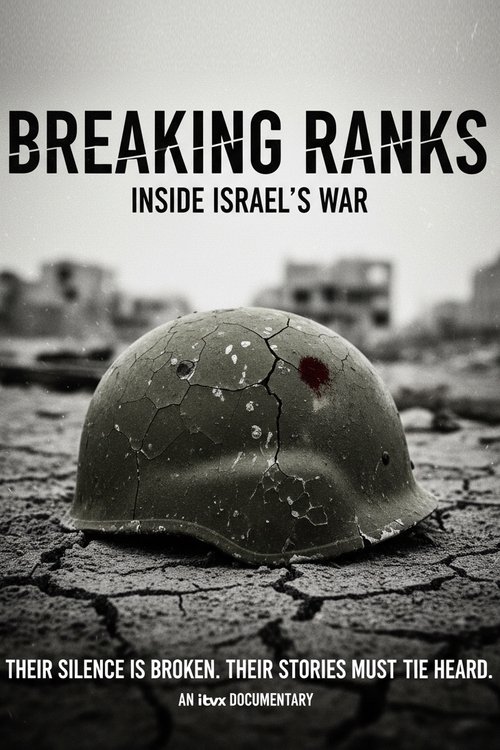
Breaking Ranks: Inside Israel’s War presents the first-hand recollections of IDF soldiers who have broken official silence to share their experiences of the war in Gaza - accounts that may raise serious questions about conduct on the ground and potential breaches of international law. Directed by award-winning filmmaker Ben Zand, the film features exclusive interviews with Israel Defense Forces (IDF), reservists and veterans - many speaking for the first time - who served during the war in Gaza. Their testimonies describe what they recall as indiscriminate bombardment, instances where Palestinian civilians were used as human shields, and an operational culture that some soldiers characterised as “no innocents in Gaza.”
"Letters from Europe" brings to light the words of men and women who gave their lives resisting the Nazi and fascist conquest from 1939 to '45 across the European continent. The moving goodbyes penned by a few of those sentenced to death are sometimes true spiritual testaments that explore the meaning of civic responsibility, human existence, fraternity, and life and death. Their words, which the film mingles with footage of the present day, can perhaps restore meaning to a humanist ideal and to the ever-changing idea of a united Europe.
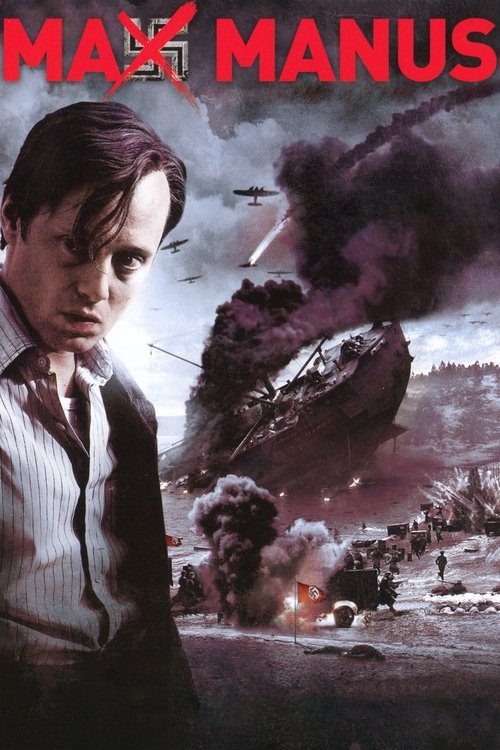
Max Manus is a Norwegian 2008 biographic war film based on the real events of the life of resistance fighter Max Manus (1914–96), after his contribution in the Winter War against the Soviet Union. The story follows Manus through the outbreak of World War II in Norway until peacetime in 1945.
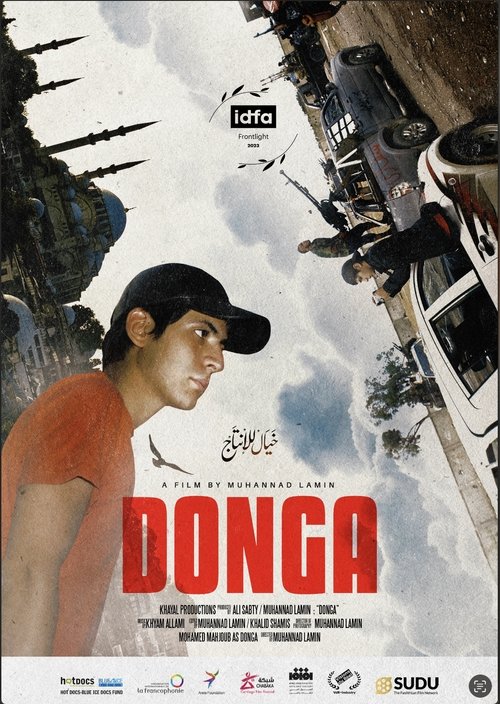
“There was excitement in the air,” says Donga, now in his late twenties, describing his feelings when the uprising against Muammar Gaddafi’s rule broke out in 2011. He was 19, living in Misrata, and boldly went to film the fighting with a friend. A decade later, in a hotel in Istanbul, where he has been living since he was wounded in battle, he looks back on the past ten years through excerpts from his videos. And he reflects on how that period has affected him.
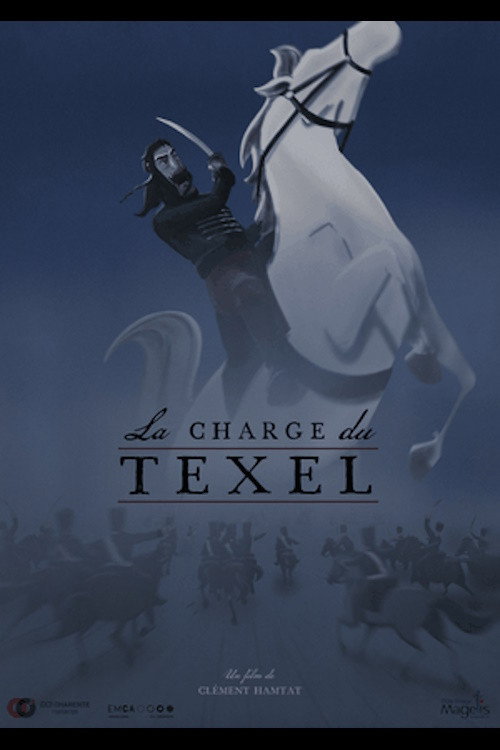
1795, Holland. The French vanguard is pushing towards the north, through a strong blizzard, beyond the enemy lines. At the head of the cavalry, Major Lahure learns that a British fleet, seeking to escape to England, is trapped by the ice off the coast, and prepares one of the boldest ventures of its time.
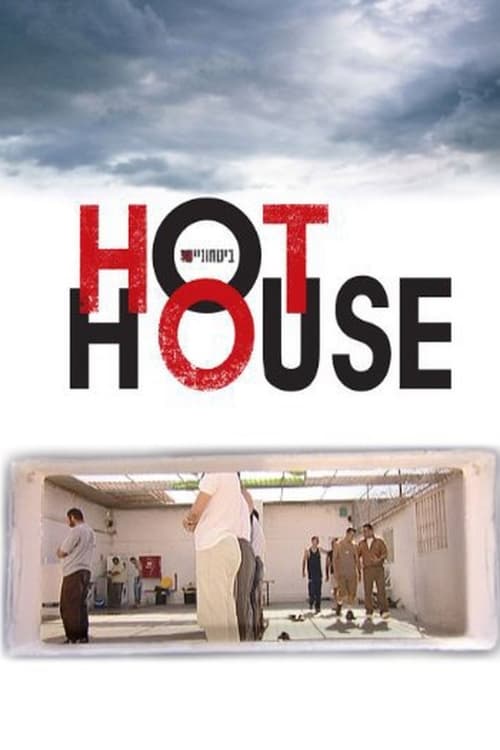
In a candid and unflinching portrait of Palestinian prisoners, Shimon Dotan takes viewers inside the highest security prisons in Israel where thousands of Palestinians fill these detention facilities.
A documentary about a lost generation of young Russians: arriving from places all over Russia, they now live in an improvised private shelter in Tbilisi in Georgia: a student couple, a singer, a journalist, a Navalny activist, a gay blogger, and former politician. They are ordinary citizens who had never considered emigration. They do not belong to the famous avant-garde resistance but are still committed to an open and democratic civil society. In the last six months, 500,000 Russians are said to have left Russia. They are threatened not by tanks or missiles, but by the regime's ever-increasing repression, which hits any criticism of the war and any form of civic activism. Forced to leave their homeland by Putin's war, they live as digital dissidents searching for a new home.
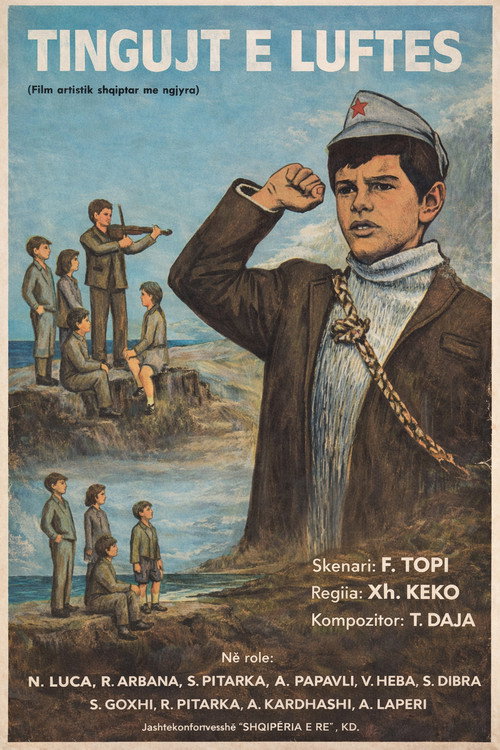
Bardhi, an orphan boy, goes to the city to work in the house of a rich man, where he learns how to play the violin.
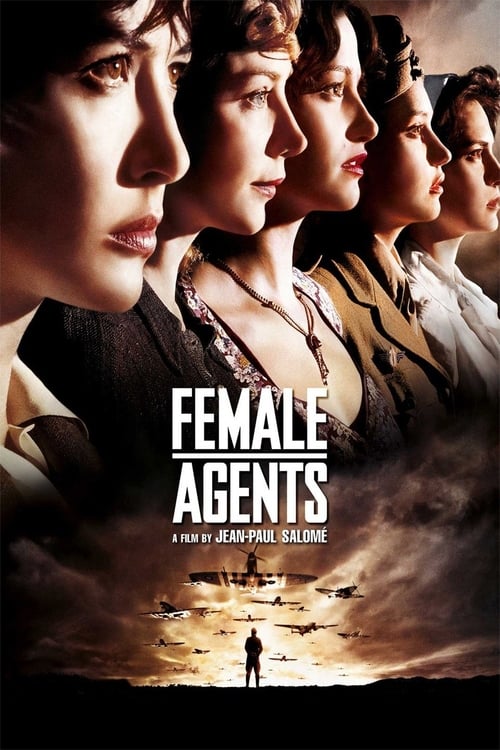
May 1944, a group of French servicewomen and resistance fighters are enlisted into the British Special Operations Executive commando group under the command of Louise Desfontaines and her brother Pierre. Their mission, to rescue a British army geologist caught reconnoitering the beaches at Normandy.