"The Einstein Theory of Relativity" is the short version (587 m) of the lost American long version (1219 m) of Hanns Walter Kornblum's original German feature "Die Grundlagen der Einsteinschen Relativitäts-Theorie" from 1922 that is also lost.
"Don Kihot" is a satirical, Klee-esque meditation about Don Quijote in the contemporary militaristic and regimentistic world.
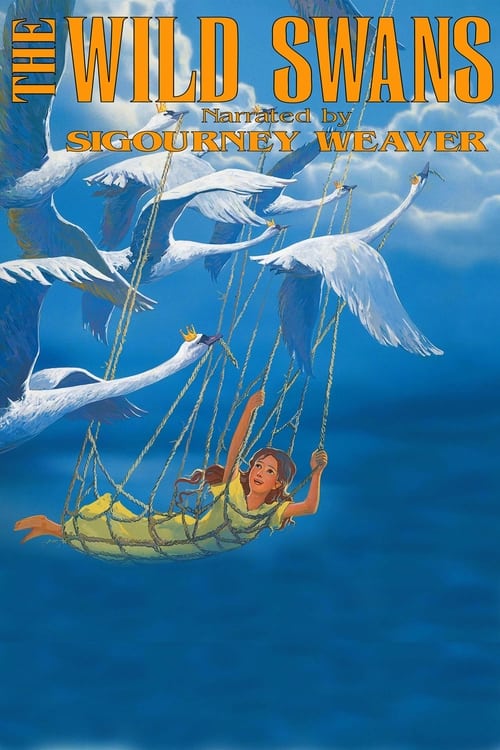
The narration of Sigourney Weaver, the music of Jason Miles and an animated format bring to life this classic fairy tale
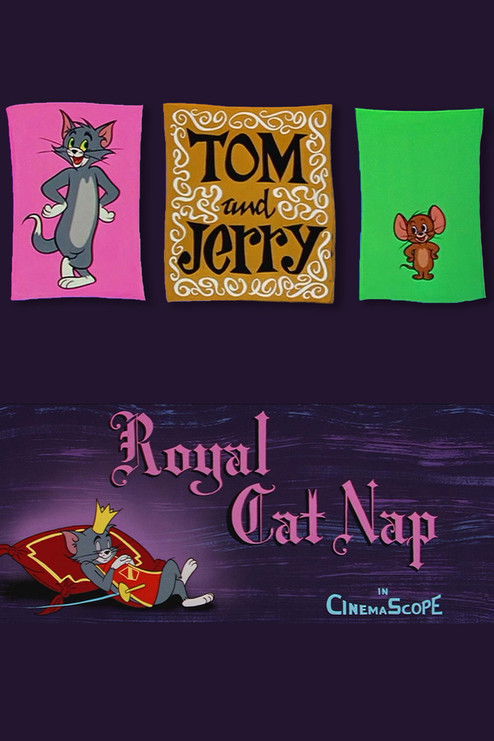
Jerry and his little French mouse friend are raiding while the king sleeps. They awaken him and he calls for Tom to give him an ultimatum: One more sound from the mice and it's off with Tom's head. The mice hear this and team up to torment Tom.
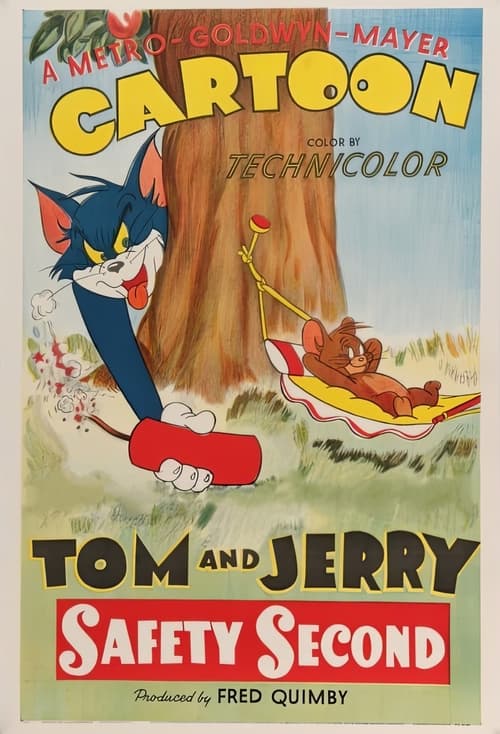
It's Independence Day, and Jerry's little nephew, Nibbles, wants to celebrate with fireworks, while Jerry reminds him to "keep it safe and sane." Initially, this backfires against Jerry, as his attempts to dispose of the firecrackers Nibbles lights explode in his face, but ultimately, Nibbles saves Jerry from Tom with the usual cartoon uses of black powder.
Filmed in 1896 by Alexandre Promio for the Lumière company, this short actuality presents one of the earliest traveling shots in cinema. With the camera mounted on a gondola, the film glides along Venice’s Grand Canal, capturing passing gondolas, bustling waterfront activity, and the city’s iconic architecture from a moving perspective. This simple yet groundbreaking technique introduced audiences to a new way of experiencing motion on screen.
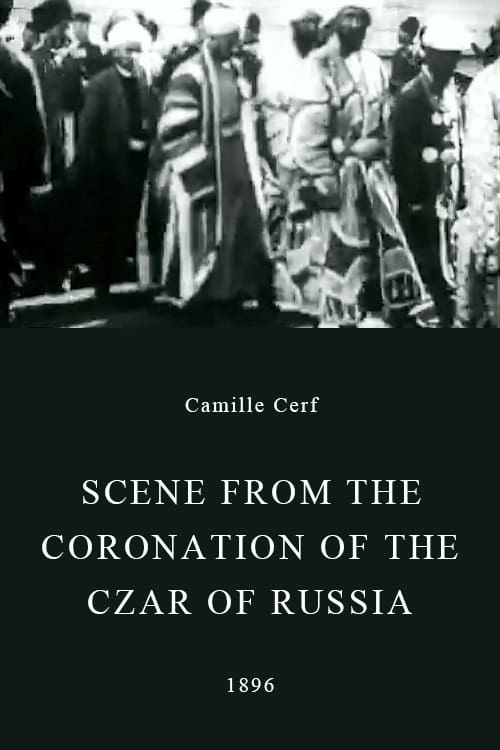
100 seconds-long six-scene footage consisting of selected coronation ceremonies of the Russian Tsar (Emperor) Nicholas II. Shows distinguished guests entering a carriage, parade of troops and carriages, Nicholas II and his wife empress Alexandra Feodorovna descending the Kremlin Red Staircase, procession of the newly crowned Emperor and his wife under the baldacchino, guests from the Asian parts of the Russian Empire.
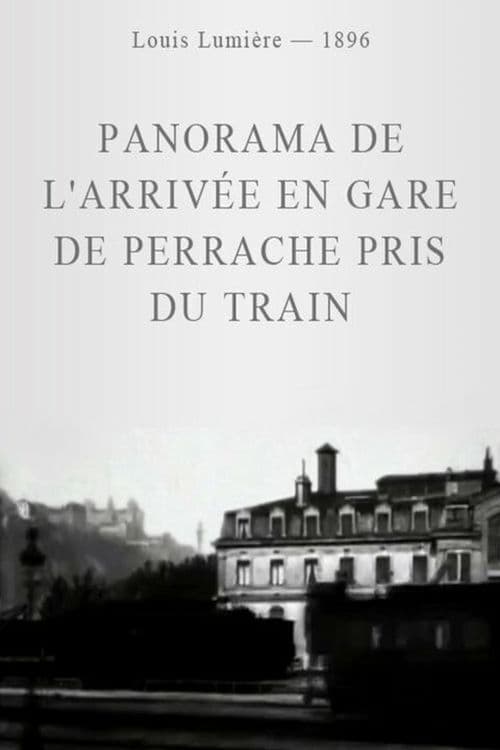
A train arrives at Perrache station. We see the view from aboard the train.
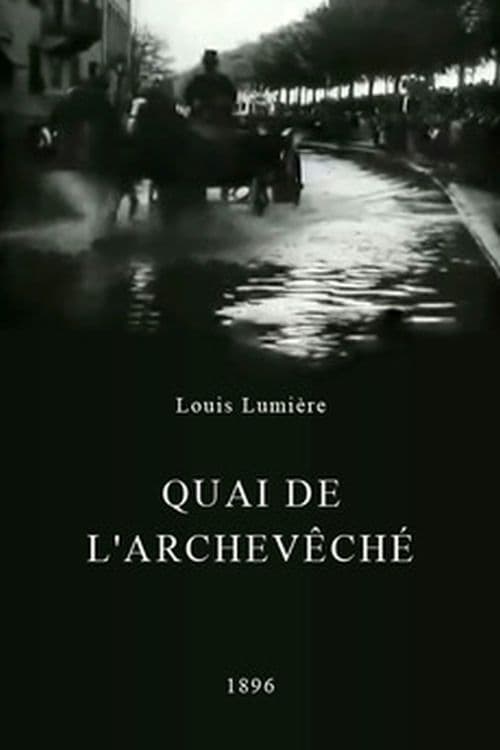
The floods of the Saône river during the first week of November, 1896.
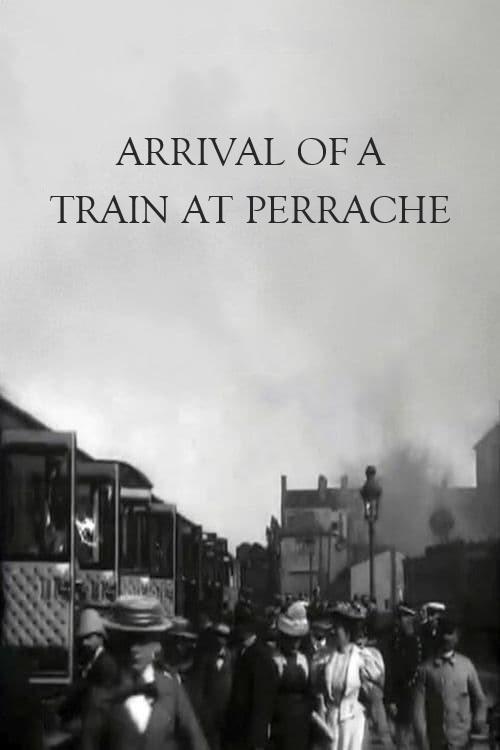
A trains arrives at Perrache station and people disembark.
Considered a remake of Lumière's La Voltige from 1895.
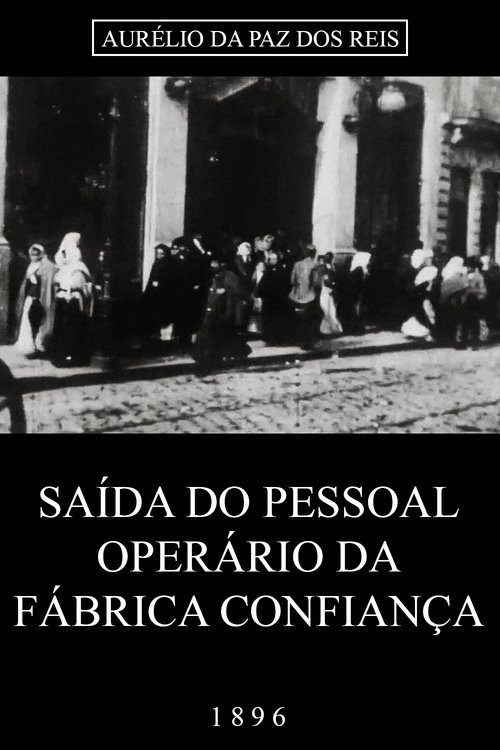
A large number of workers, mostly young women, leave by the front door of their work place at lunch time. The building has an impressive colonnaded facade, and is located at 181, Santa Catarine St., Porto - one of the city's main streets. A passengers' horse cart crosses from right to left of the screen, and a few seconds after an ox cart carrying merchandise crosses in the opposite direction. All the while, workers keep leaving the factory, giving a sense of a large work force.
A Berlin street scene.
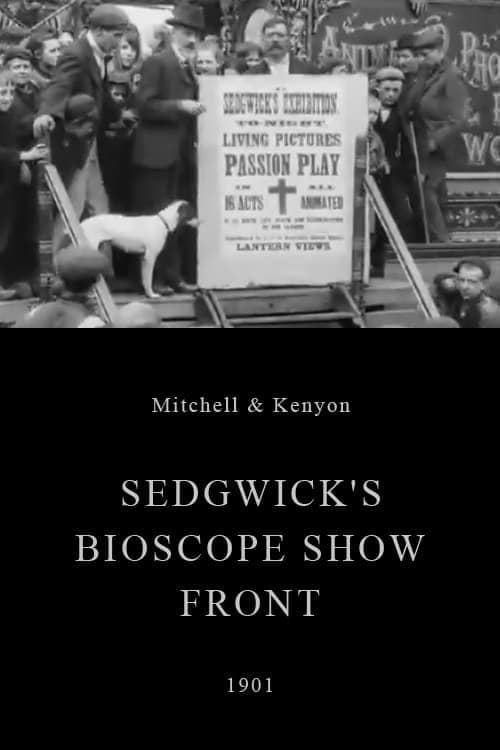
Outside a fairground cinematograph in Edwardian Lancashire.
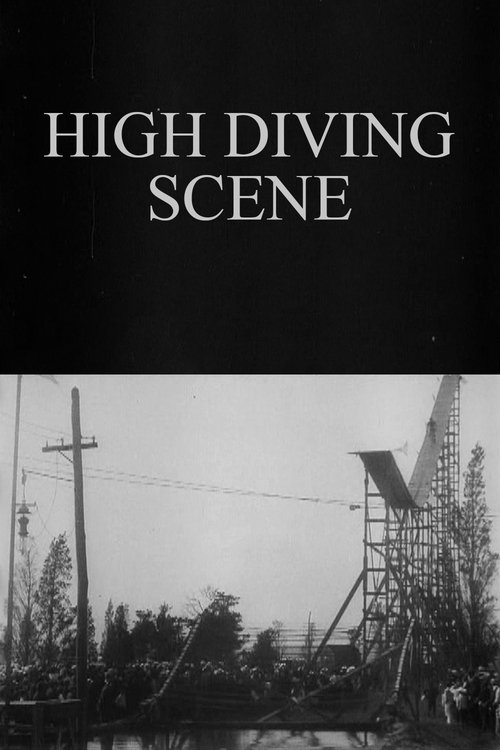
A daredevil rides his bicycle down a ramp and attempts to land in a pool of water as a crowd of spectators watches.
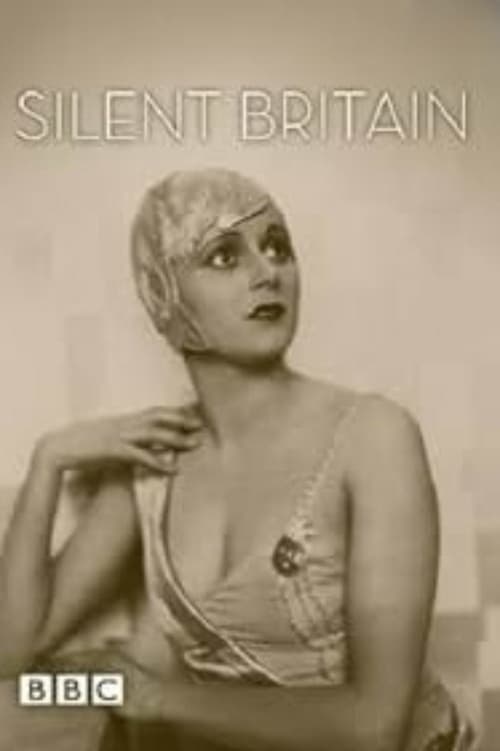
Long treated with indifference by critics and historians, British silent cinema has only recently undergone the reevaluation it has long deserved, revealing it to be far richer than previously acknowledged. This documentary, featuring clips from a remarkable range of films, celebrates the early years of British filmmaking and spans from such pioneers as George Albert Smith and Cecil Hepworth to such later figures as Anthony Asquith, Maurice Elvey and, of course, Alfred Hitchcock.