Hemel Alfing
as protagonist
Ozzy Scheepbouwer
Daniel Sloss
as Sampled Footage (voice) (uncredited)
Mahmoud Darwish
as Sampled Poem: 'I Do Not Sleep To Dream' (voice) (uncredited)
Electro-Pythagorus is an intimate and subjective portrait of the late Martin Bartlett, the Canadian electronic music pioneer who studied with Pauline Oliveros, David Tudor, John Cage, and Pandit Pran Nath. His contribution as an interdisciplinary composer, educator, and founding member of Western Front, though undoubtedly extensive, is in danger of being erased from cultural memory since his death from AIDS in 1993. Navigating an array of archival materials including letters, correspondences, notebooks, personal photos, and a huge body of unreleased music and field recordings held at the archives of Simon Fraser University, Electro-Pythagoras is a journey through the evolution of Bartlett’s musical time and space, softly guided by Luke Fowler’s insightful camera and montage—creating an experimental portrait that defies one-dimensionality.
In 1984, David Byrne put together a TV special on the Talking Heads for U.K. TV’s Channel 4, a 68-minute mix of live material filmed at Wembley Arena, interviews with the band, TV news clips, commercials and other various bits of found footage and sound.
“Geometric animation made entirely by sculptural methods: cutting, punching, welding colored leader. HETERODYNE is related to some of my other work as RNA to a protein or polypeptide. It was made in abject (if blissful) ignorance of Paul Sharits’ early work.” –Hollis Frampton
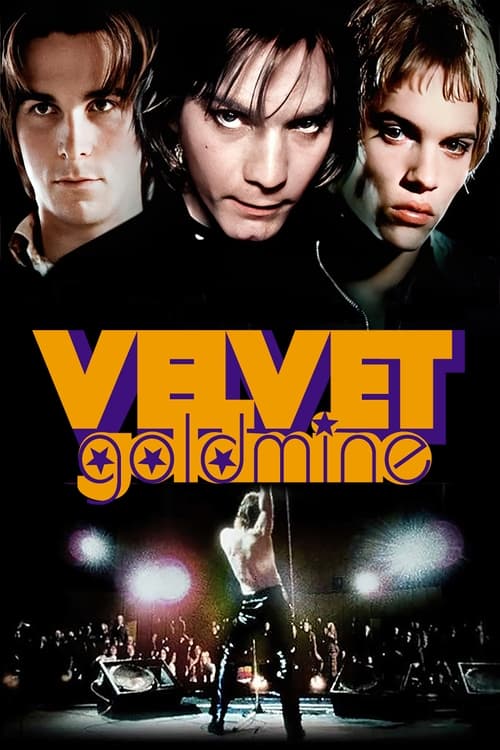
Almost a decade since larger-than-life glam-rock enigma Brian Slade disappeared from public eye, an investigative journalist is on assignment to uncover the truth behind his former idol.
Two music legends, James Brown and B.B. King, join forces for one unforgettable evening of blended soul and blues, igniting the stage with a set of nearly 20 songs including "Let the Good Times Roll," "Payback" and "The Thrill Is Gone." Also featured are their inimitable versions of the crowd-pleasers "It's a Man's Man's World," "Prisoner of Love," "Gonna Have a Funky Good Time" and "Guess Who."
The Metaphor That Became a Room is a psychological drama exploring identity, communication, and the struggle for self-understanding. Divided into two parts, the film first delves into the protagonist’s frustration with the urge to persuade others, realizing that over-explaining only distorts meaning. A note from the past echoes a hard truth: “Someone’s unwillingness to understand will always outweigh your effort.” In A Symphony of Unfinished Selves, the narrative shifts inward, revealing the protagonist’s fractured identity. Trapped in a metaphorical room built from illusions and contradictions, he reflects on his dual persona—the social facade and the hidden, lost self. The film questions how we see ourselves versus how others see us and whether true self-recognition is possible. Through minimalist dialogue and layered symbolism, the film captures the silent tension between who we are, who we appear to be, and who we long to become.
A flock of memories activated by various musical exercises, to strike the past to the heart, to build something utopian: the future, a sonic architecture. Music as a tool, transcriptions of YouTube tutorials as poetry, percussion exercises as descriptions of reality.
Maple syrup country is now under totalitarian control, but a strange killer is starting to make some noise in the partially contaminated 13th district. Will its goofy sheriff and mighty bounty hunters prevail against the killer and his mysterious friend?
A key overview of twentieth-century American fascism and antifascism produced in 1991 by the John Brown Anti-Klan Committee.
"Like a Dream That Vanishes" continues Sternberg’s work in film both thematically and formally: the ephemerality of life echoed in the temporal nature of film, as the stuff of life echoed on the energy, life-force in rhythmic light pulses (Your life is like a candle burning). Imageless emulsion is inter-cut with brief shots of natural elements and mise-en-scene of the stages of human life: a little boy runs and falls; teens hang out together at night smoking; sun shines through tree branches; men pace, waiting; flashes of lightning; an elderly man speaks philosophically about miracles.
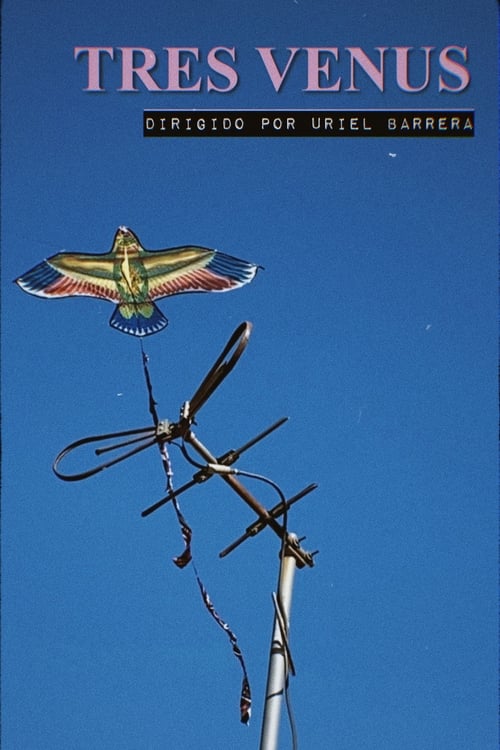
Love and admiration in 16mm. The fusion a beauty that exists throughout three generations; my three Venus.
Over the course of 24 hours following a murder, a criminal descends into paranoia, where guilt, fear, and reality slowly blur.
Take an animated journey into the depths of the human mind, exploring three psychedelic trips that changed Western culture forever. Sixty years later we sit down with twelve leading current thinkers to ask: "What can expanded states of mind teach us about ourselves, the world and our place in it?"
Full, pro-shot video of Meshuggah’s set at Summer Breeze 2024.
Bert Marcus and Cyrus Saidi present an informed and absorbing exploration of the history of EDM, boosted by an energetic soundtrack and anchored by the personal stories of legendary DJ Carl Cox and superstar newcomer Martin Garrix. Insights from numerous other DJs and musical talents like Moby, David Guetta, Paul Oakenfold and Usher help tell the often oppositional tales of old school vs. new school and mainstream vs. underground.
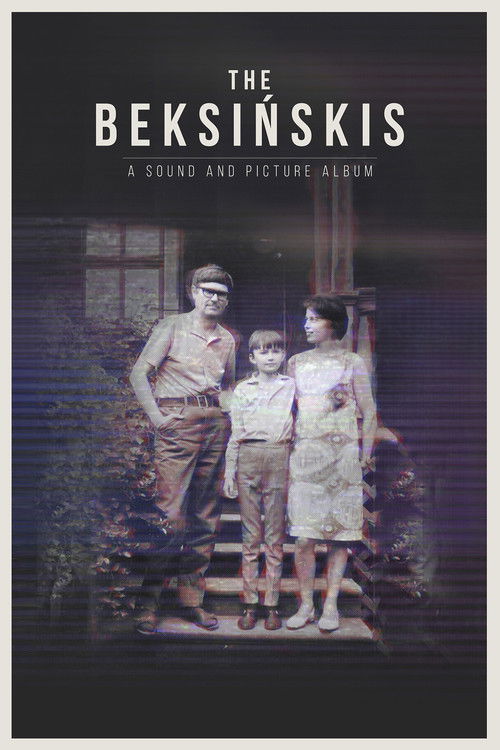
Painter Zdzisław Beksiński, his wife Zofia and their son Tomasz, a well-known radio journalist and translator, were a typical and unconventional family, both at the same time. One of the father’s obsessions was filming himself and his family members. Using archival footage only, shot primarily by Zdzisław, as well many other materials, which have not been presented anywhere so far, the film tells a tragic story of the Beksińskis that has never ceased to fascinate Polish filmmakers.
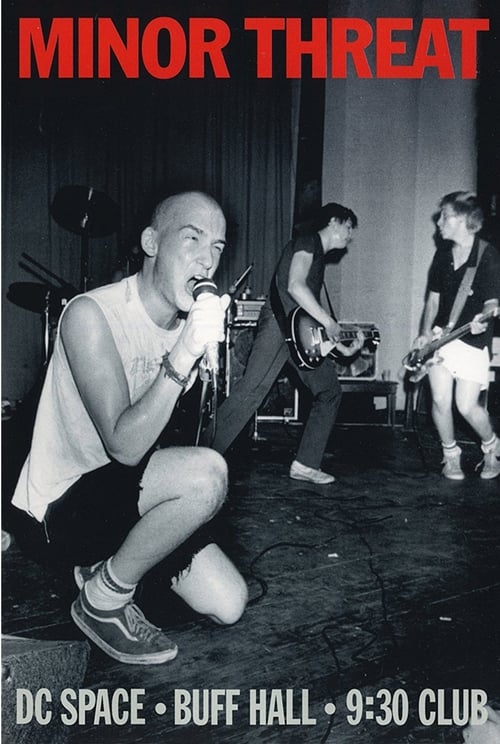
Minor Threat played one of its last shows at Washington DC's 930 Club in June of 1983; they would only play once more in DC. Two years later, the tapes from the 930 show were edited together and Dischord Records released them as the Minor Threat Live VHS video in 1986. Along with the 40 minute 930 performance, the DVD includes a 1982 Minor Threat show in Camden, NJ, a clip of Minor Threat's 2nd ever show at DC Space in December 1980, and excerpts from a 1983 interview with vocalist, Ian MacKaye.
Set I: The Music Never Stopped > Easy Answers > The Music Never Stopped, Row Jimmy, Friend of the Devil, Cumberland Blues, Cassidy > Mississippi Half-Step Set II: St. Stephen > William Tell Bridge > The Eleven > He's Gone > New Speedway Boogie > Drums > Space > I Need a Miracle > Death Don't Have No Mercy, Good Lovin Encore: Black Muddy River