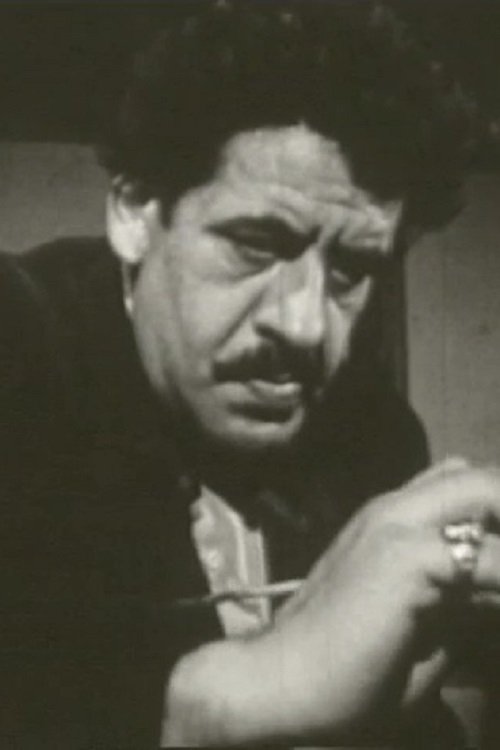
A story about talented homeless and formerly homeless fine arts painters in the worst section of Los Angeles known as Skid Row. People will create art no matter how humble the circumstances.
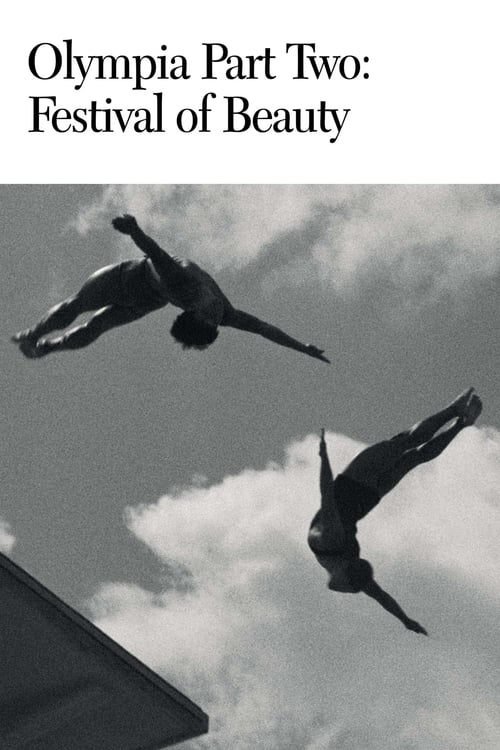
Starting with a long and lyrical overture, evoking the origins of the Olympic Games in ancient Greece, Riefenstahl covers twenty-one athletic events in the first half of this two-part love letter to the human body and spirit, culminating with the marathon, where Jesse Owens became the first track and field athlete to win four gold medals in a single Olympics.
Far from home, 17-year-old Ying Ling practices for her examination to become a mortician at one of China's largest funeral homes. The everyday routine of this unusual occupation also serves up both humorous and life affirming moments.
This is the legendary meeting between a young filmmaker and one of the masters of surrealism: the spanish painter Óscar Domínguez, born in La Laguna, Tenerife, in 1906, died in Paris in 1957. In the "Visite," the artist -admirer of Picasso, rebellious disciple of Breton- is presented in solitude, far from the tumult of the exhibitions and parisian circles. An austere approach, almost “povera”, with no audio, nor flashy camera movements, but rarely attractive. Why Resnais could not finish his movie? Hope one of our experts help us to solve the mystery.
Part two of Leni Riefenstahl's monumental examination of the 1938 Olympic Games, the cameras leave the main stadium and venture into the many halls and fields deployed for such sports as fencing, polo, cycling, and the modern pentathlon, which was won by American Glenn Morris.
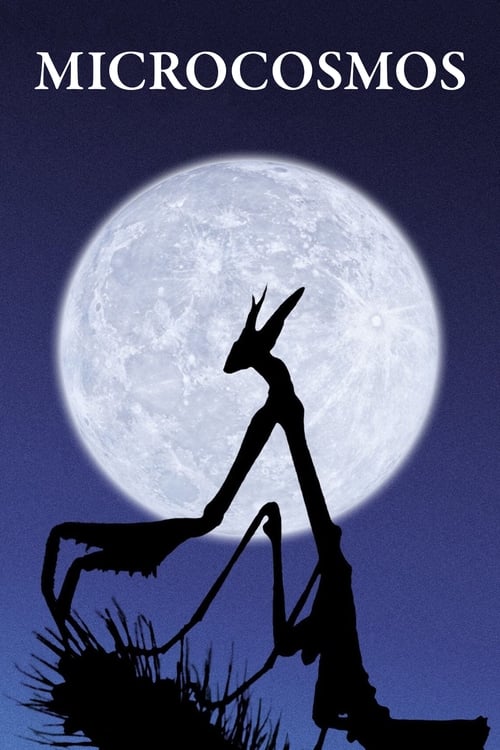
A documentary of insect life in meadows and ponds, using incredible close-ups, slow motion, and time-lapse photography. It includes bees collecting nectar, ladybugs eating mites, snails mating, spiders wrapping their catch, a scarab beetle relentlessly pushing its ball of dung uphill, endless lines of caterpillars, an underwater spider creating an air bubble to live in, and a mosquito hatching.
While working at Uruguay's largest prison construction site, Miguel is leading a double life. When he realizes that he has become a prisoner of his own lies, Miguel struggles to find the courage to disclose the truth to his loved ones.
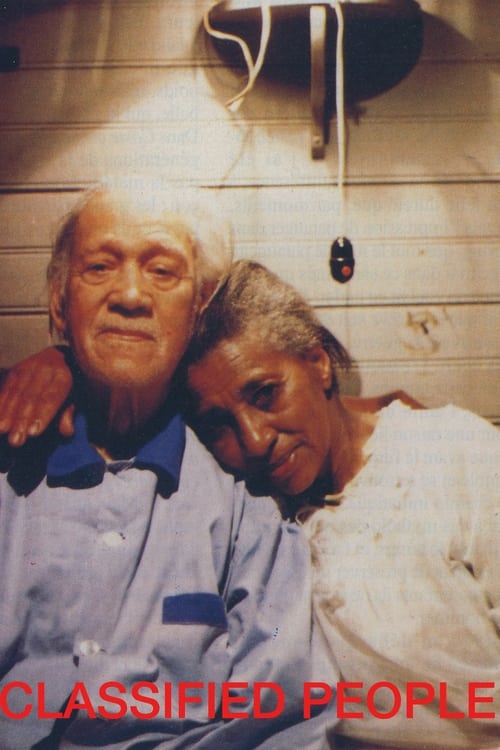
Filmed clandestinely, Zauberman’s extraordinary documentary exposes South Africa’s insidious apartheid policy of “race classification” by focusing on the love affair of Robert and Doris, and unresolvable, moral fissure with Robert’s children and the country. Winner of the Paris Film Festival Grand Prize.
Twenty-five films from twenty-five European countries by twenty-five European directors.
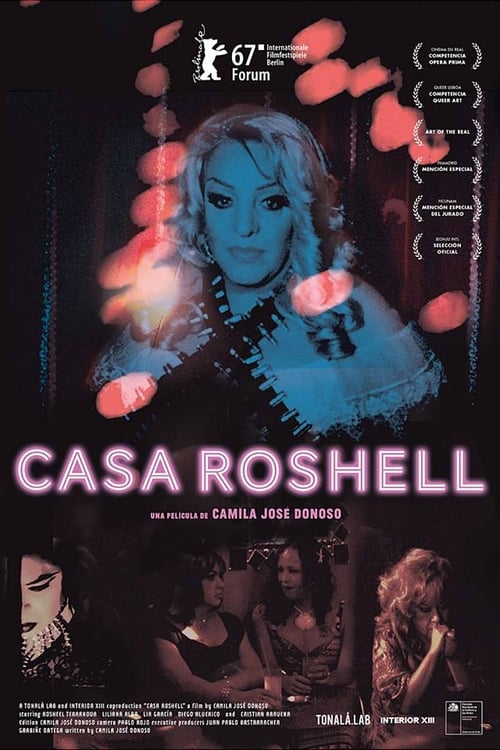
You’d never know this is your home away from home. The surveillance camera outside shows a drab reception area and an unremarkable street in Mexico City; inside, the lights flash, but the tables are empty. Yet preparations are soon underway and fixed categories cease to apply: stubble is removed, make-up applied and strands of hair are teased into place; the camera is trained not on the men themselves, but what they see in the mirror.
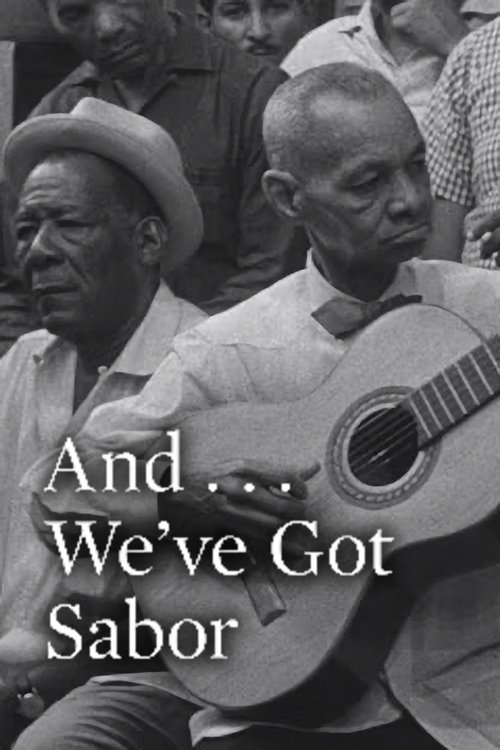
Legendary rumba musician Alberto Zayas serves as a guide for this vibrant journey through Cuban musical history and culture. The short features interviews, footage of impromptu street performances, and studio recordings.
This black-and-white film is a loving portrait of Santiago de Cuba and its people. It provides a view of Cuba as a picturesque country, the product of an earthy mix of black and criollo cultures. The film uses historical images which portray the end of the eighteenth century when Haitian slave owners fled with their slaves to Cuba after the Haitian Revolution.
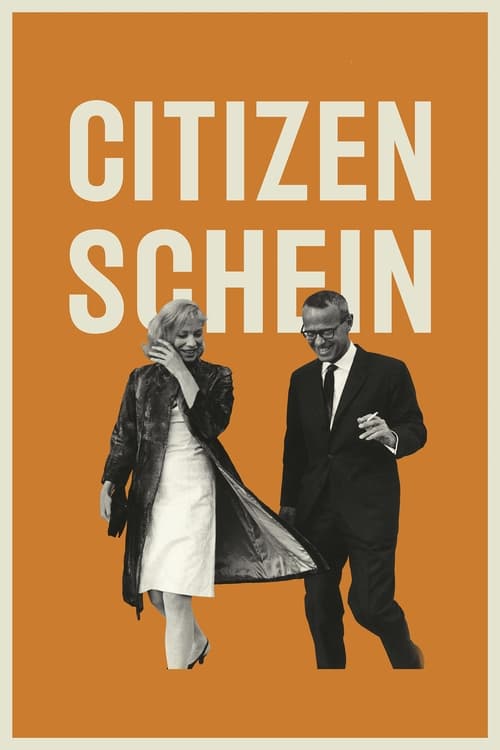
Harry Schein was an anomaly in Swedish cultural society. Equal parts playboy, intellectual, and political visionary, his life story could very well be the foundation of a Hollywood film. Citizen Schein is a film about a refugee who refused to look back, a film about powerful men, and the myths that fuel them.
The everyday life of a Belo Horizonte lower class neighborhood.
Amanda is a divorced woman who makes a living as a photographer. During the Fall of the year Amanda begins to see the world in new and different ways when she begins to question her role in life, her relationships with her career and men and what it all means. As the layers to her everyday experiences fall away insertions in the story with scientists, and philosophers and religious leaders impart information directly to an off-screen interviewer about academic issues, and Amanda begins to understand the basis to the quantum world beneath. During her epiphany as she considers the Great Questions raised by the host of inserted thinkers, she slowly comprehends the various inspirations and begins to see the world in a new way.
Four years after a military coup overthrew the Brazilian government in 1964, all civil rights were suspended and torture became a systematic practice. Using a mix of fiction and documentary this extraordinary film is a searing record of personal memory, political repression and the will to survive. Interviews with eight women who were political prisoners during the military dictatorship are framed by the fantasies and imaginings of an anonymous character, portrayed by actress Irene Ravache.
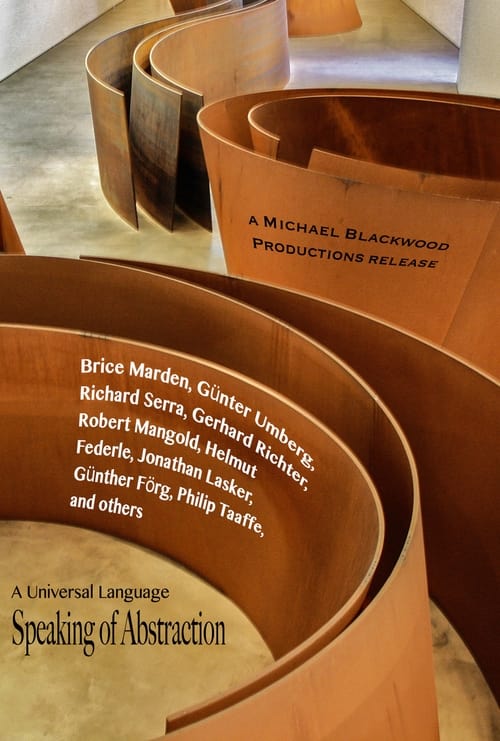
At the beginning of the twenty-first century, abstraction - that most quintessentially modernist innovation - maintains a peculiarly contradictory position. Used, on one hand, by post-modernist artists as just one more quotable style amongst many, it is on the other hand still considered an elitist or hermetic language by audiences intimidated by its lack of recognizable subject matter. Yet ultimately, abstraction continues to be a viable creative path for contemporary artists of all generations, many of whom embrace it as the most inclusive and fundamentally resonant of artistic languages. Filmed at the artists' studios, the Dia Center for the Arts, and the Guggenheim Museum during their exhibition, "Abstraction in the Twentieth Century."
A journey into the hearts, minds and eyes of Georgia O’Keeffe, Emily Carr and Frida Kahlo - three of the 20th century’s most remarkable artists.
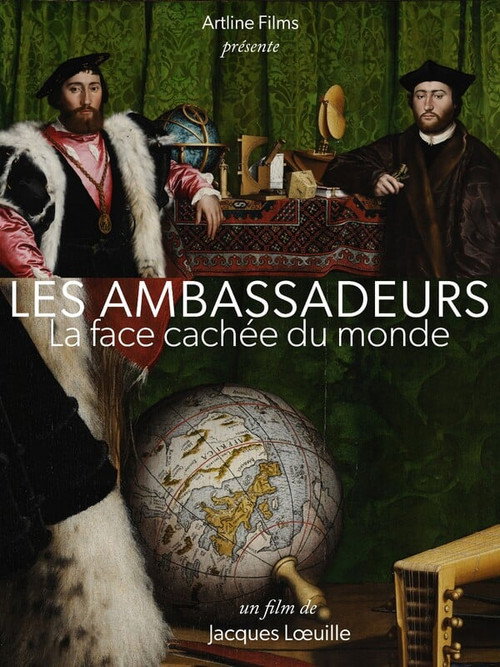
A Renaissance masterpiece painted by Hans Holbein the Younger, “The Ambassadors” is teeming with details and hidden messages. By deciphering the enigmas of the canvas, this documentary recounts a troubled era in which advances in knowledge were intertwined with brutal political and religious upheavals.