Essay on the influence of arts at the end of the 20th century produced by the Museum of Modern Art.
Jean-Luc Godard
as Self / Narrator (voice)
Anne-Marie Miéville
A former U.S. Navy Seal seeks life, liberty and the pursuit of happiness living life as a transgender woman.
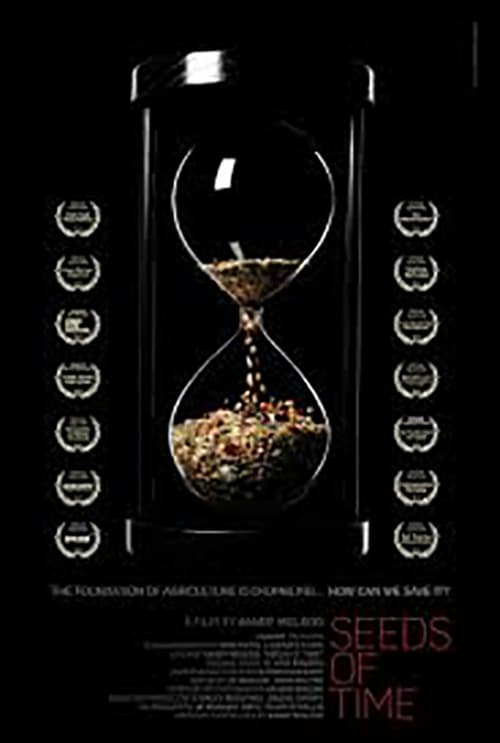
Seeds of Time follows agriculture pioneer Cary Fowler's global journey to save the eroding foundation of our food supply in a new era of climate change.
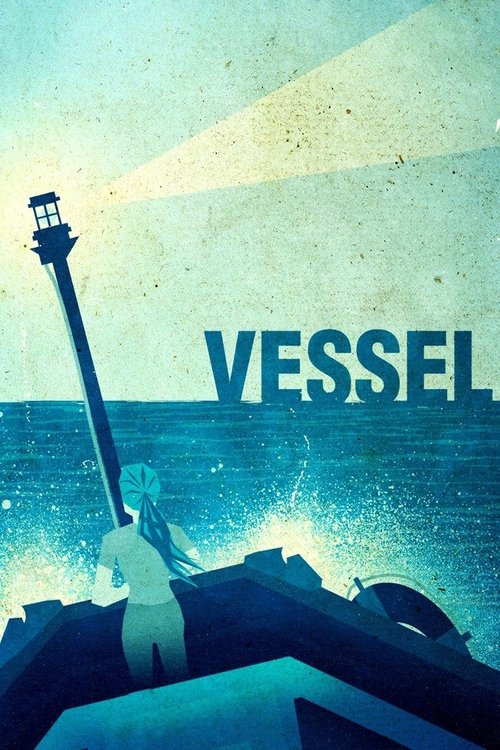
A fearless sea captain, Dr. Rebecca Gomperts, sails a ship through loopholes in international law, providing abortions on the high seas, and leaving in her wake a network of emboldened activists who trust women to handle abortion on their own terms.
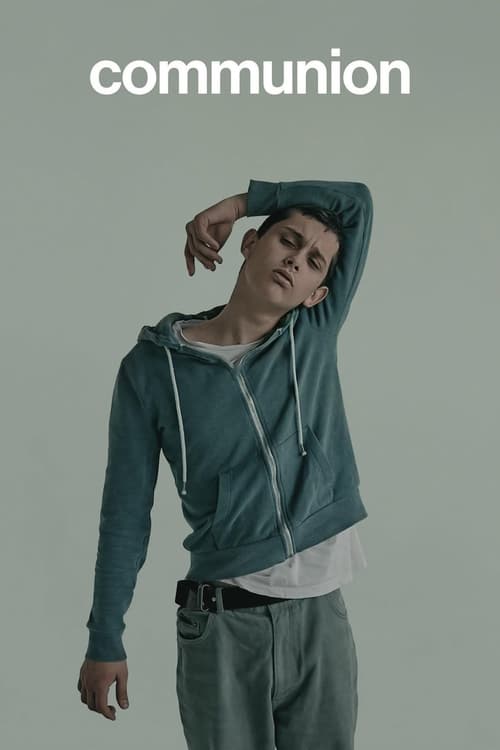
When adults are ineffectual, children have to grow up quickly. Ola is 14 and she takes care of her dysfunctional father, autistic brother and a mother who lives apart from them and is mainly heard the phone. Most of all she wants to reunite a family that simply doesn’t work — like a defective TV set. She lives in the hope of bringing her mother back home. Her 13 year old brother Nikodem’s Holy Communion is a pretext for the family to meet up. Ola is entirely responsible for preparing the perfect family celebration. “Communion” reveals the beauty of the rejected, the strength of the weak and the need for change when change seems impossible. This crash course in growing up teaches us that failure is not final. Especially when love is in question.
Folk portraiture, images of children in suburbia.
This film about agricultural advances in the USSR was meant to serve as a teaching aid. Featuring documentary footage and animation.
The actor and musician turns 65 on March 26, 2025. Time for a portrait. Axel Prahl is known to a wide audience for his role as Chief Inspector Frank Thiel in the popular “Tatort” series from Münster, a character he has embodied with gruff charm since 2002.
This short documentary is a celebration of life on planet Earth. Made from haunting visual images selected from 50 years of NFB productions, the film looks at human beings, their place on earth, and their deep interconnection with all other beings. Evocations of forces that threaten the planet and all its inhabitants also offer avenues for reflection.
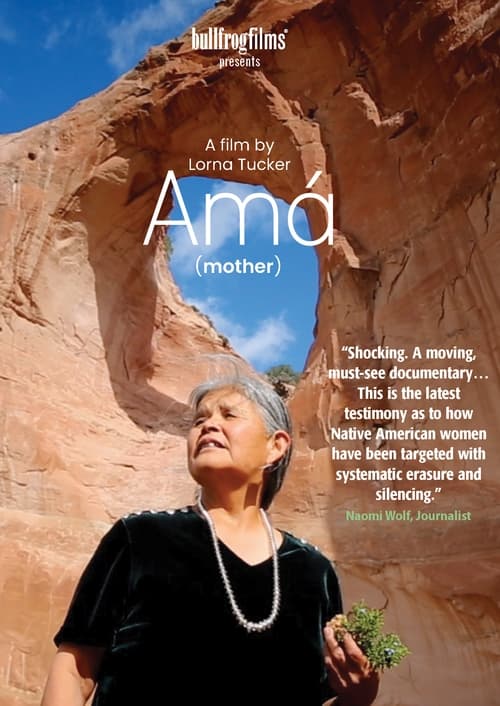
Amá is a feature length documentary which tells an important and untold story: the abuses committed against Native American women by the United States Government during the 1960’s and 70’s: removed from their families and sent to boarding schools, forced relocation away from their traditional lands and involuntary sterilization. The result of nine years painstaking and sensitive work by filmmaker Lorna Tucker, the film features the testimony of many Native Americans, including three remarkable women who tell their stories - Jean Whitehorse, Yvonne Swan and Charon Aseytoyer - as well as a revealing and rare interview with Dr. Reimart Ravenholt whose population control ideas were the framework for some of the government policies directed at Native American women.
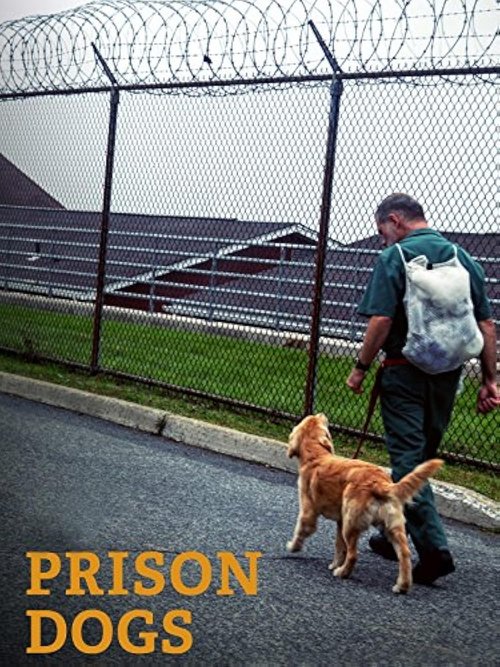
Prison Dogs is a story of redemption, strength, fear, love, and dedication. In this wonderfully human tale, prison inmates, along with veterans suffering with PTSD, find a path to a second chance at life through their love and care of a puppy.
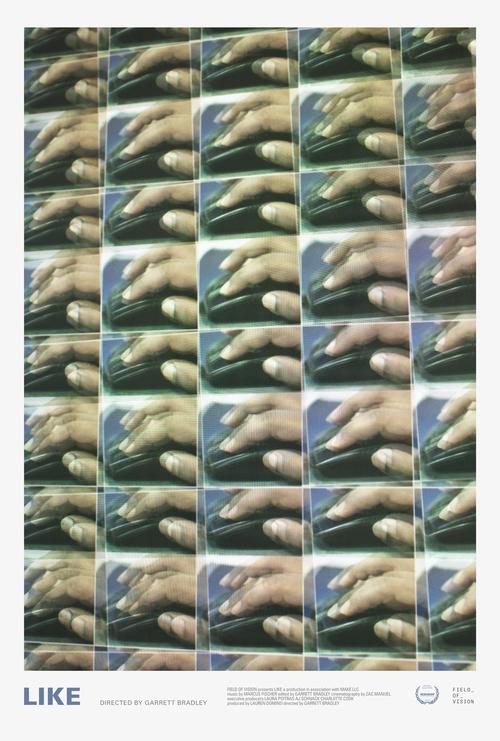
In our current world, where worth is often gauged by online popularity, an economy has developed for paying for followers and likes. Through access inside the “click-farms” of Bangladesh, Like explores the multi-million dollar industry that grows social media followings for celebrities and brands alike.
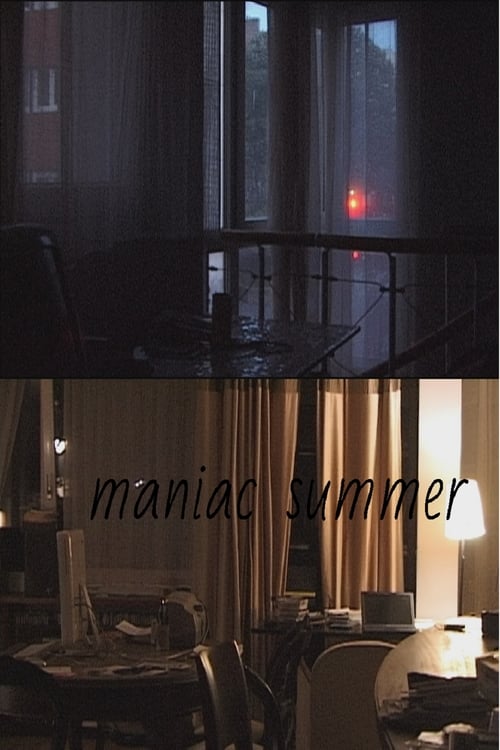
Maniac Summer consists of images and sounds recorded in Paris in the summer of 2009. It is a sprawling triptych without a beginning or end and with no specific subject or topic. The camera is positioned in front of a window and left running. It observes movements, registers noises coming from the street or nearby park, captures Chantal Akerman going about her business in her apartment: smoking, working, talking on the telephone. Fragments from the artist’s everyday life are featured in the installation’s central video, while the adjoining panels are more symbolically charged; in them, various images from the former have been isolated, modified and repeated. These abstract afterimages act as a kind of memory, looking back to the images in the installation’s centrepiece as so many shadows of its reality.
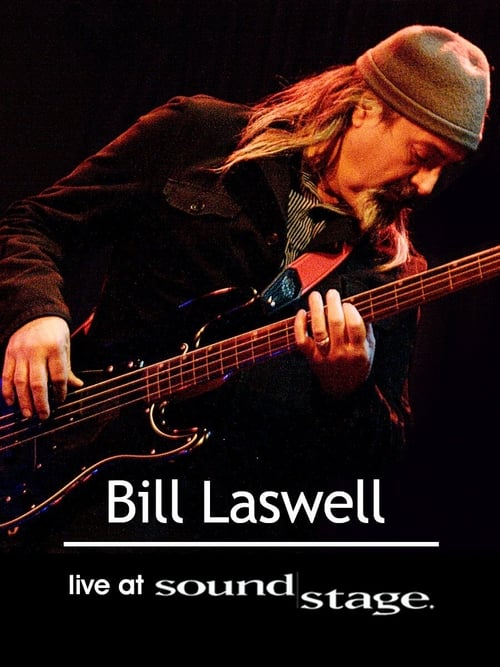
Throughout three decades, Bill Laswell has been a constant innovator, fusing seemingly disparate genres into a whole new sound. Touching upon everything from worldbeat, funk, rock, hip-hop and jazz, there are no limits to his experimental approach. Among his many talents is his ability to bring together well-matched singers and players to create a distinct style that defies easy classification. His Soundstage episode embodies his unique approach, transcending any genre boundaries and delivering an engaging performance. From the World Beat of Tabla Beat Science, to the jazzy flavors of Pharoah Sanders backed by Material, it’s an exciting mix. Other surprises include a rocking Buckethead set that includes a little breakdancing and songs by Praxis. The show culminates with an all-star performance, funked up by Bootsy Collins.
A profile of Istanbul and its unique people, seen through the eyes of the most mysterious and beloved animal humans have ever known, the Cat.
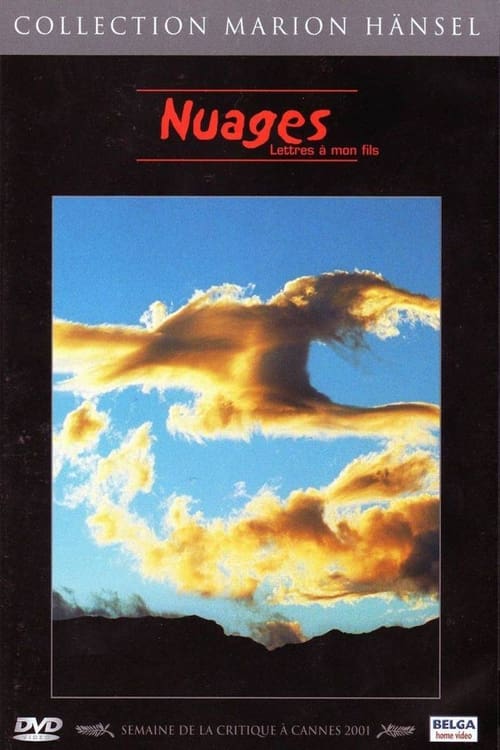
Marion Hänsel directed this personal meditation on the joys and responsibilities of parenthood, in which a narrator reads Hansel's philosophic musings on raising her young son on her own, while carefully shot and selected footage of different cloud formations from around the world provide a striking visual backdrop. Catherine Deneuve read Hänsel's text in the original French-language version of Nuages; Charlotte Rampling did the honors for the English-language print, while Barbara Auer, Carmen Maura, and Antje De Boeck respectively lent their voices to the German, Spanish, and Dutch editions of the film.
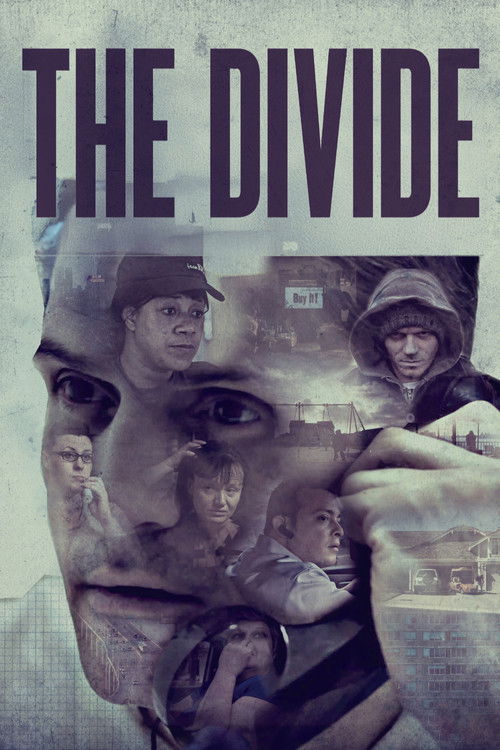
The Divide tells the story of 7 individuals striving for a better life in modern day US and UK - where the top 0.1% owns as much wealth as the bottom 90%. By plotting these tales together, we uncover how virtually every aspect of our lives is controlled by one factor: the size of the gap between rich and poor.The film is inspired by "The Spirit Level" by Richard Wilkinson and Kate Pickett.
In Out Of The Rubble, Woolcock shows how planners grappled with the grimmest poverty imaginable in the post-war era, from Brixton to Glasgow, Islington to Birmingham, believing that tower blocks would transform the lives of those living in decaying slums. She follows the cycle of optimism, building and eventual decline, meeting people who 50 years on bear witness to the effects of housing on real families, striking a contemporary chord with the theme of immigration and gentrification affecting working class communities. The irresistible nostalgia of scenes from the 1950s, 60s and 70s is tempered by a realisation of the force of history at work.
For her debut feature Finding Sayun (不一樣的月光), Atayal director Chen Chieh-yao (陳潔瑤) returns to her home village to unearth the legend of Sayun (sometimes spelled Sayion), an Atayal girl who fell to her death in a turbulent stream while carrying a Japanese teacher’s belongings at the end of World War II. The movie begins when the tale of Sayun draws a television crew to the Atayal hamlet of Tyohemg (金岳) in Nanao Township (南澳), Yilan County. Yukan (Tsao Shih-hui, 曹世輝), a high-school boy and a young hunter, does not understand the crew members’ interest in the story. But his grandfather’s (Chang Chin-chen, 張金振) memories of Sayun, whom he went to school with, revives his interest in the old tribal village, which the villagers had been forced to desert 50 years prior.