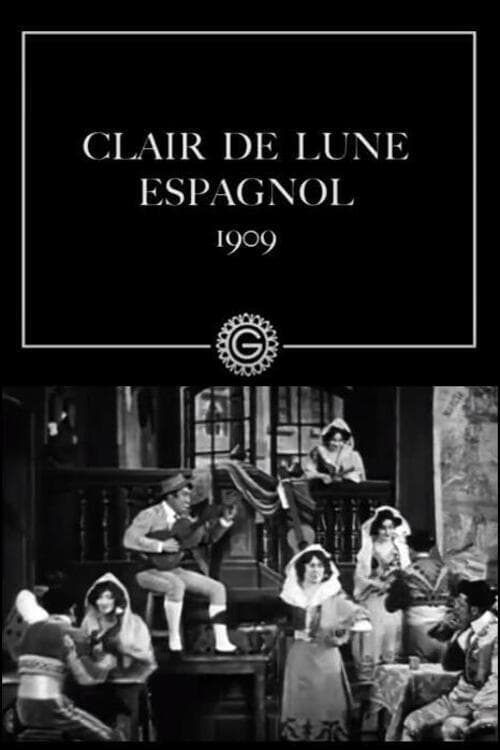
A Japanese-set magic show. There is a lot of visual trickery on display, ending with an amazing effect using reverse footage and superimposing/projecting images on top of one another.
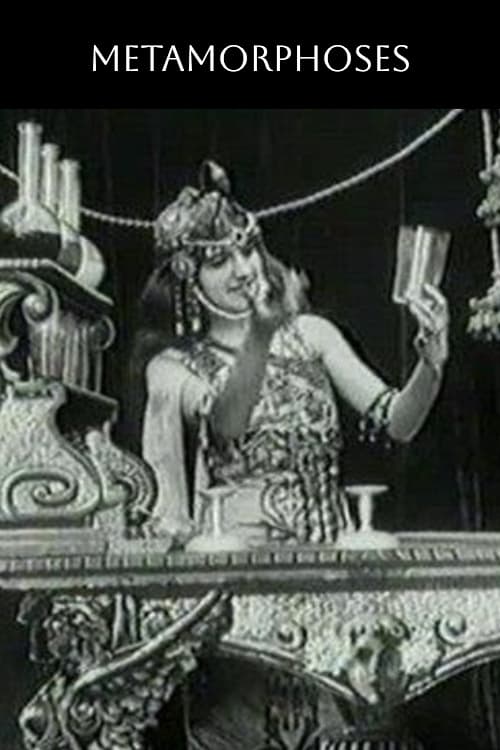
A female magician presents several impressive metamorphoses, combining stop-motion animation and camera tricks.
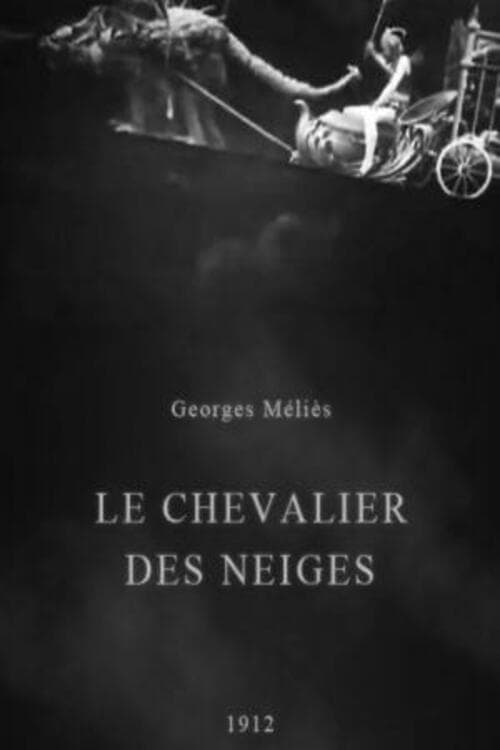
One of the last films Georges Méliès made. By now, he was under contract for his former rival Pathé, where he made a few of his most lavish productions, including this one. Here, Méliès performed in front of the camera as the Devil […]. His incarnation of Satan this time is a sprightly antagonist who kidnaps a princess by locking her in a cage and taking off through the sky in a dragon-pulled carriage. […]
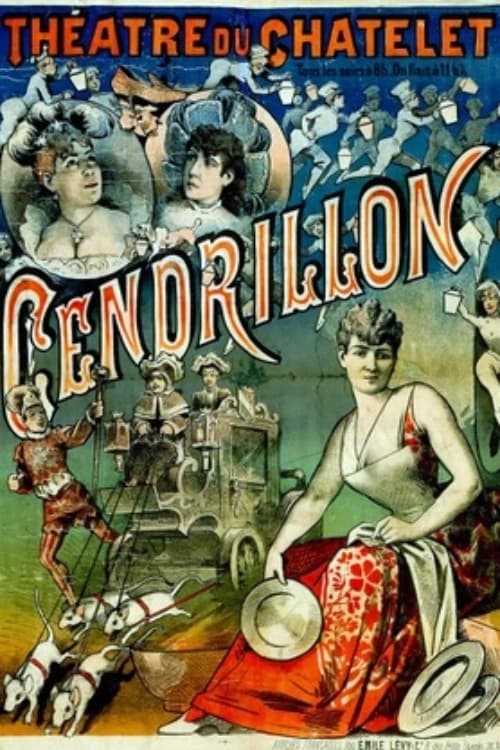
Georges Méliès's first attempt at Cinderella was in 1899. That film was extraordinary then for having multiple scenes and a semblance of a narrative; additionally, the use of dissolves as transitions in it influenced other filmmakers for years to do the same. Méliès was the cinema world's preeminent leader then. By 1912, however, that was no longer the case; frankly, as evidenced by this feature, his style had become dated. Moreover, Méliès had begun to adopt techniques from other filmmakers, such as direct cuts instead of dissolves, and there's even a match on action shot during the slipper trying-on scene.
Here we have an old scholar/alchemist brooding over a book, challenged by the devil, and going through the familiar sorcery to create a woman by throwing pieces of clothing against a stain-glass church window, like a jigsaw puzzle (and later in reverse). The woman also multiplies herself five-fold so as to match a similar paravent.
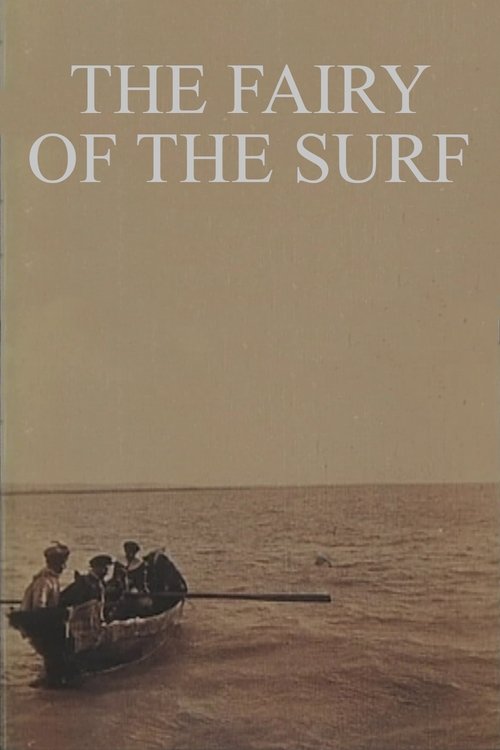
Three men go out on the ocean in a row boat. There, they see dancing fairies. Then manage to catch one and take her aboard the boat--taking her back to the castle with them. Then, one of the men asks the fairy to marry him and they do so--though something strange occurs right after the ceremony.
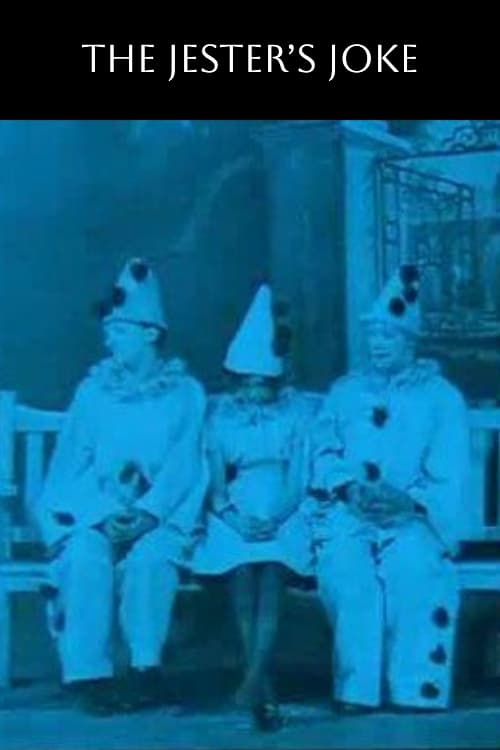
A cheeky female jester uses the smoke of her cigarette to make things appear and disappear. After showing her talents by playing with a chair or a dog, she lets clowns appear; one female, and two male. The male clowns fight each other over the girl who gets changed over and over again by the jester.
A musketeer, whose sword has the power to transform objects at will, stays at an inn and amuses himself by mystifying his hosts. That night, a servant steals the precious talisman. But in his hands, it becomes a malevolent spirit that torments him relentlessly. Fortunately, a spiritualist arrives and puts an end to the unfortunate man's torment.
A British trick film with stop-motion animation by an unknown film maker.
Two lovers perform a fandango dance. A jealous quarrel follows and the heart-broken swain decides to end it all. He throws himself from the window of his room, but instead of falling to his death, the anchor of a passing balloon intercepts his flight and he is taken high into the clouds. Laughing at his plight, the moon arouses the anger of the desperate lover and a battle between the two ensues.
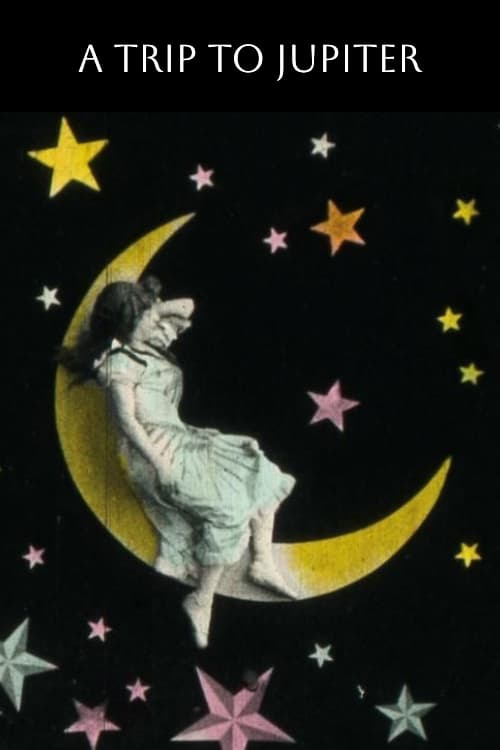
The King and his official astronomer are alone in the study viewing the heavenly bodies through the monstrous telescope. They go out on the balcony and the gay old ruler is much absorbed in the phenomenon, and spends some time in studying the stars and planets. The evening has been well spent with the many mysteries which have made such a deep impression upon the King's mind that they are still with him in his dreams. (Moving Picture World synopsis)
A man in a suit and cap stops in front of the display of a bookseller, finds and flips… "Invisible Man" by H. G. Wells! Fascinated by the subject, he buys the book and goes home with the intention to test the invisibility formula described by the author…
Pickpock is behind bars. But more elusive than Arsène Lupin, no chain resists him and he plays with policemen like a cat with mice. After having masterfully taken them for a ride, having brought them down to an effigy, he rolls them up and throws them out the window. But the policemen come back to life and the chase goes on. Pickpock, caught a second time, locked up behind heavy bars, finds a new way of escaping and imprisoning in turn the policemen.
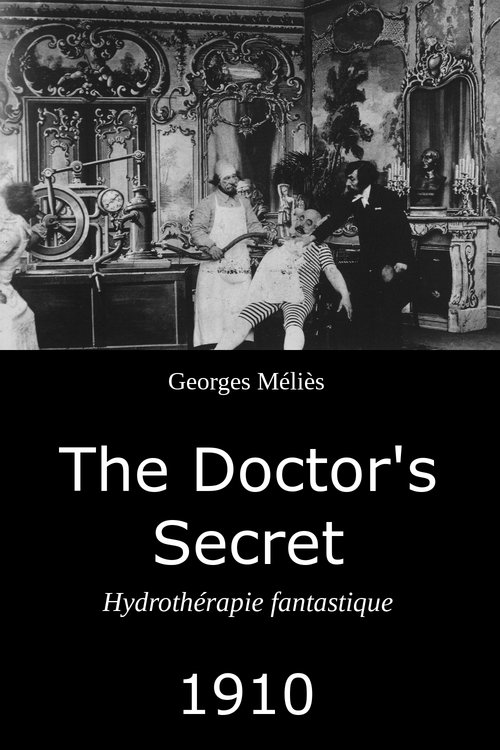
Doctors blow to pieces a patient in a hydrotherapy machine and re-assemble him.
Apparently inspired by the antics of Harry Houdini, Slippery Jim opens in the office of a police commissioner to whom a rather cocky villain is presented. The commissioner orders the prisoner to be clapped in irons, but this proves to be easier said than done because our anti-hero - presumably the Slippery Jim of the title - proves to be an expert escapologist.
Many of the scenes of this split-reel short about a bizarre group of tramp musicians who disappear into and out of drums, beach umbrellas and whatnots were shot in the street and the others were on stages decorated to look realistic.