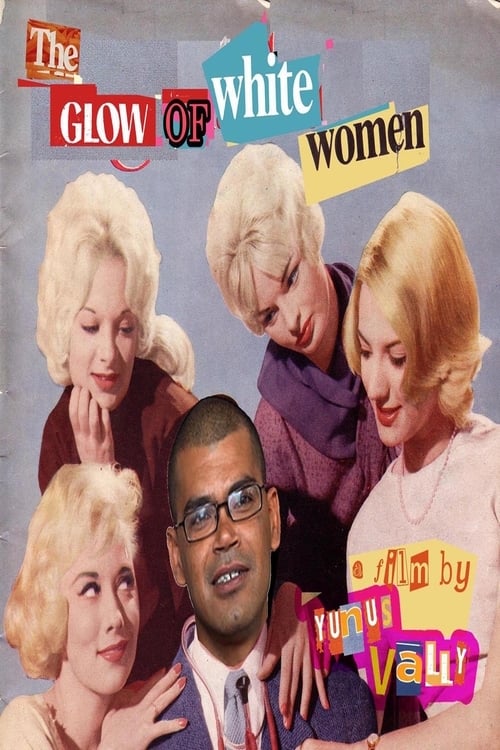
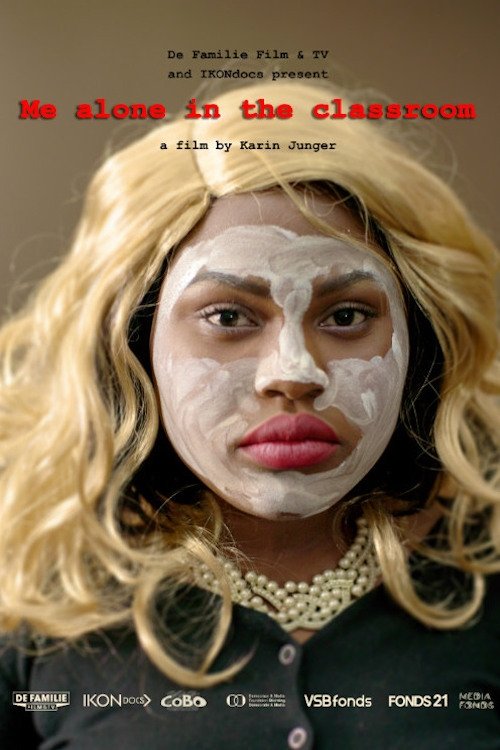
Documentary exploring the deep-seated biases and attitudes about skin color---particularly dark-skinned women, outside of and within the Black American culture.
Documents the race riot of 1921 and the destruction of the African-American community of Greenwood in Tulsa, Oklahoma. With testimony by eyewitnesses and background accounts by historians.
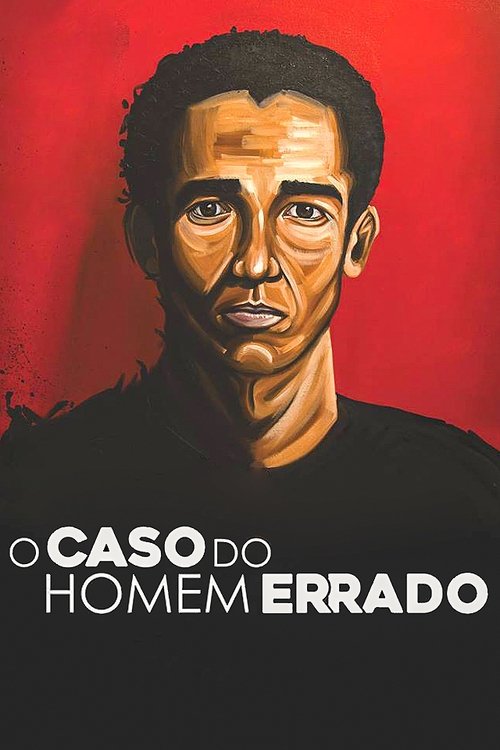
The documentary tells the story of Júlio César, a young Afro-Brazilian who was executed by the Police in the 1980s in Porto Alegre. The crime became notorious when the press published photos of Julius being put alive in the police car and arriving 37 minutes later shot and dead at the hospital.
Chronicles the rise of Collab Crib, one of the first mainstream Black creator mansion, exclusively documenting their whirlwind drive to achieve social media stardom in 90 days.
A view of the religious tensions between Muslims and Buddhist through the portrait of the Buddhist monk Ashin Wirathu, leader of anti-Muslim movement in Myanmar.
THE ARYANS is Mo Asumang's personal journey into the madness of racism during which she meets German neo-Nazis, the US leading racist, the notorious Tom Metzger and Ku Klux Klan members in the alarming twilight of the Midwest. In The ARYANS Mo questions the completely wrong interpretation of "Aryanism" - a phenomenon of the tall, blond and blue-eyed master race.
Can a tree be racist? A few years ago, debate on this issue reached as far as Fox News. The focus was a row of tamarisk trees along a huge golf course in Palm Springs, which screened off the neighborhood of Crossley Tract. This is a historically Black neighborhood, named after its founder Lawrence Crossley, who was one of the first Black residents to settle in the largely white tourist paradise, established on indigenous land over a century ago.
People impacted by white supremacy tell their stories, including an ex-Klan member building a new life free from hate and the family of a Charleston church shooting victim.
Recy Taylor, a 24-year-old black mother and sharecropper, was gang raped by six white boys in 1944 Alabama. Common in Jim Crow South, few women spoke up in fear for their lives. Not Recy Taylor, who bravely identified her rapists. The NAACP sent its chief rape investigator Rosa Parks, who rallied support and triggered an unprecedented outcry for justice. The film exposes a legacy of physical abuse of black women and reveals Rosa Parks’ intimate role in Recy Taylor’s story.
In 1971, after being rejected by Hollywood, Bruce Lee returned to his parents’ homeland of Hong Kong to complete four iconic films. Charting his struggles between two worlds, this portrait explores questions of identity and representation through the use of rare archival footage, interviews with loved ones and Bruce’s own writings.
Exploring the fallout of MIT Media Lab researcher Joy Buolamwini's startling discovery that facial recognition does not see dark-skinned faces accurately, and her journey to push for the first-ever legislation in the U.S. to govern against bias in the algorithms that impact us all.
Amidst the storm of Ferguson, 7 St. Louis college students evolve into advocates and activists as they demand change through policy and protest
Journalist Émilie Tran Nguyen invites the viewer to follow her in her quest and discover, at the same time as her, the historical origins of this anti-Asian racism. Told in the first person, alternating archive images, interviews with historians, sociologists and field sequences, this film traces the making of prejudices in the French imagination and pop culture, to twist the neck of stereotypes, deconstruct and act.
In the history of “The Simpsons,” few characters outside the title family have had as much cultural impact as Apu Nahasapeemapetilon, the Springfield convenience store owner. Comedian Hari Kondabolu is out to show why that might be a problem.
Suellyn thought the Department of Community Services (DOCS) would only remove children in extreme cases, until her own grandchildren were taken in the middle of the night. Hazel decided to take on the DOCS system after her fourth grandchild was taken into state care. Jen Swan expected to continue to care for her grandchildren but DOCS deemed her unsuitable, a shock not just to her but to her sister, Deb, who was, at the time, a DOCS worker. The rate of Indigenous child removal has actually increased since Prime Minister Kevin Rudd delivered the apology to the ‘stolen generations’ in 2008. These four grandmothers find each other and start a national movement to place extended families as a key solution to the rising number of Aboriginal children in out-of-home care. They are not only taking on the system; they are changing it…
Reserved by Citroën for immigrant workers, the Aulnay-sous-Bois factory experienced its first strike in 1982. Thirty years later, it's the turn of a new generation to join the fight. Worthy heirs of their parents, the workers revive a forgotten memory and offer a unique perspective on the history of contemporary France. Matteo Severi's film mirrors these two social struggles, led by workers from immigrant backgrounds.
The story of the Quebec Mosque Shooting—the first ever mass shooting in a mosque in the West—is known around the world, but the story of the community that survived the attack is all but unknown. The Mosque: A Community's Struggle is an intimate portrait of the resilient Muslim community of Ste-Foy, Québec, as they struggle to survive and shift the narrative of what it means to be a Muslim, one year after the devastating attack that took the lives of six of their members. As the world moves on, this small mosque and its community fights Islamophobia, harassment and hate speech. How will the community heal and how will they stop the rhetoric that threatens to precipitate further violence?
Zeal & Ardor catapults Swiss musician Manuel Gagneux from the underground to the world stage. Religion, racism, segregation and appropriation: Gagneux makes music against taboos. But being a leader against his will scares the introverted artist. Can he remix the game?
Every month, natural hair specialist Nancy Falaise closes the doors of her Montreal salon to lead a private workshop for young girls of colour struggling to love their natural hair. Step-by-step, she teaches them how to care for their respective hair textures, while also creating a safe space for them to bond over their shared experiences and forge meaningful friendships. Nancy’s Workshop is an intimate and immersive exploration of this journey. The film is an invitation to observe Nancy and the journey of these girls, and is a testament to the immeasurable value derived from strong and empowering female relationships. Produced by the Canadian Broadcast Corporation.