Documentary by Torgny Anderberg
Rolf Blomberg
as Expedition Leader - Amazonas
Jorge Sanclemente
as Hunter
Villamizar
Lino
as Cook and Troubadour
Munoz
as Conservator

Gunnar Sjöberg
as Narrator

The feature-length documentary Fakir portrays the success of fakirism in Brazil, Latin America and France. This circus art origin show is presented and analyzed through archives that reveals the success of these presentations with their pain resistance championships and the great public presence, including politicians and government officials. Fakir spans current footage from contemporary artists who keep this art alive in performances and shows.
Documentary on the master composer, from a GDR point of view.
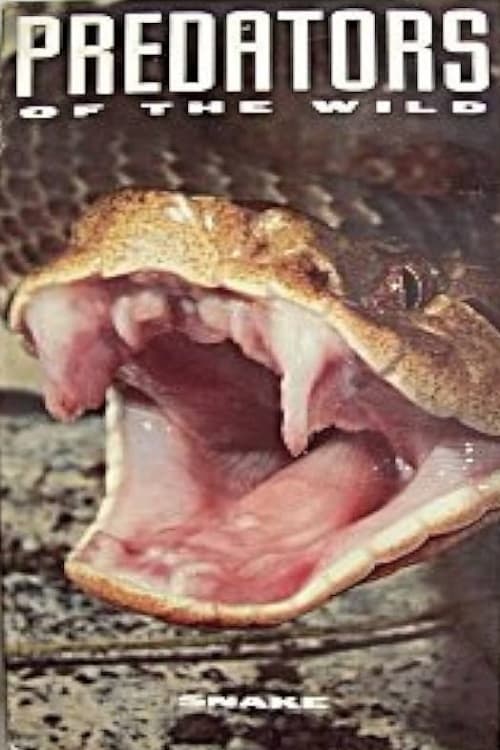
A variety of unusual and frightening snakes are featured in this program. These unpredictable reptiles have appeared in both nature and recorded history for thousands of years. The huge appetite of the monstrous python and the toxicity of the Gaboon Viper are examined. Experts also comment on the spitting cobra's ability to hit its distant targets. The eating and mating habits of tropical sea snakes are compared to other snakes that exist exclusively on land. There's additional information about how snakes birth their young and how likely a particular snake is to attack when provoked.
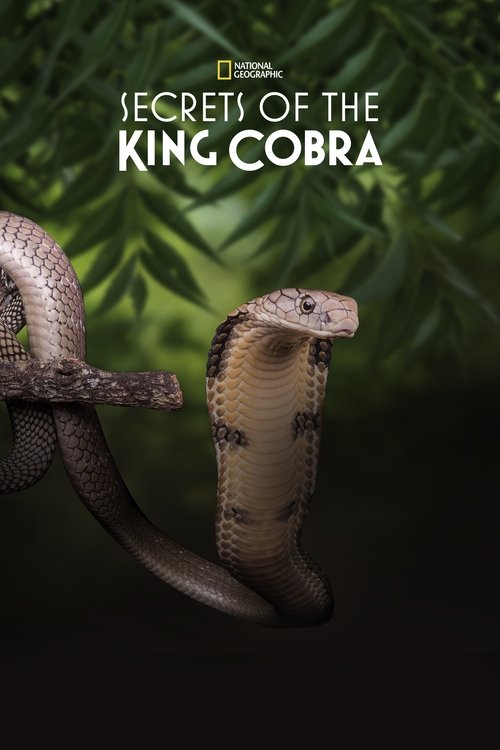
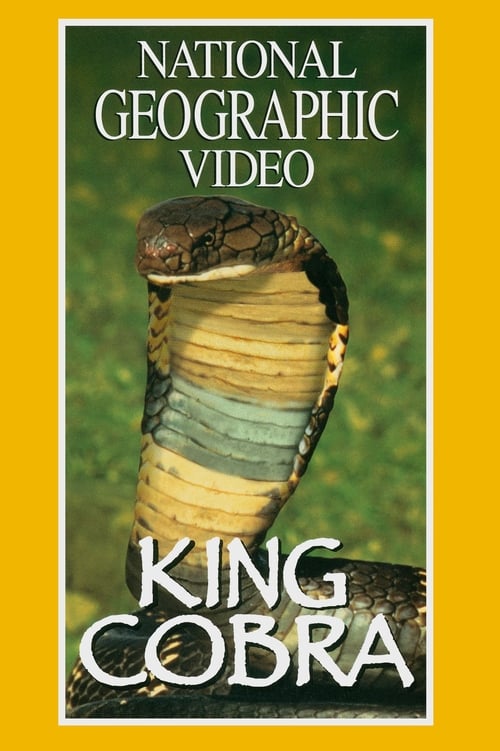
A new scientific expedition follows the King Cobra into the wild for the first time.
Wildfowl and wallabies in the wild, exotic animals in the office.
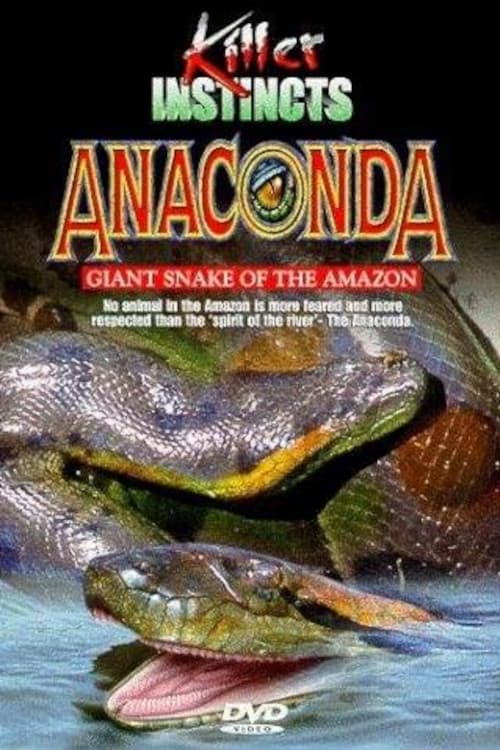
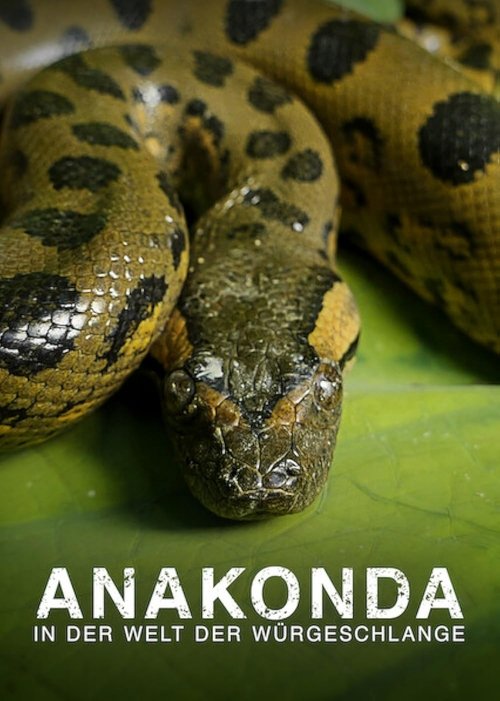
No animal in the Amazon is more feared and more respected than the 'spirit of the river' - The Anaconda
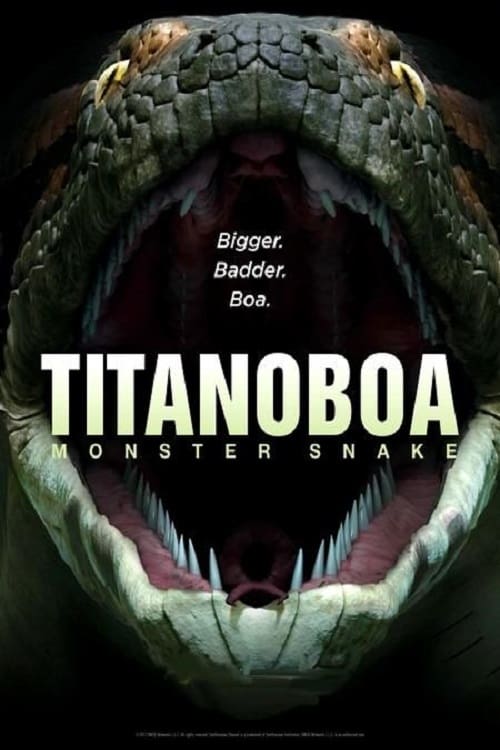
In the pantheon of predators, it's one of the greatest discoveries since the T-Rex: a snake 48 feet long, weighing in at 2,500 pounds. Uncovered from a treasure trove of fossils in a Colombian coal mine, this serpent is revealing a lost world of giant creatures. Travel back to the period following the extinction of dinosaurs and encounter this monster predator.
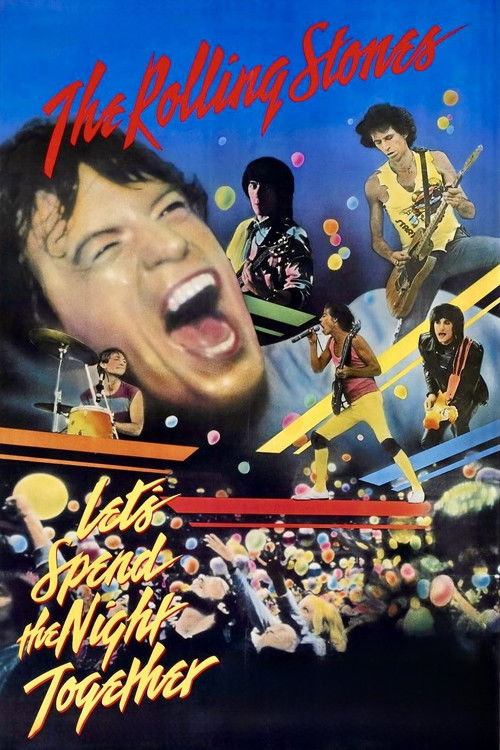
The Rolling Stones' record-breaking 1981 North American arena tour documented by director Hal Ashby. Featuring the biggest Rolling Stones songs from the first 20 years - in the words of Mick Jagger, "a feel of what it's like to be there", as 20 cameras take you onstage with the band in this groundbreaking, dynamic tour.
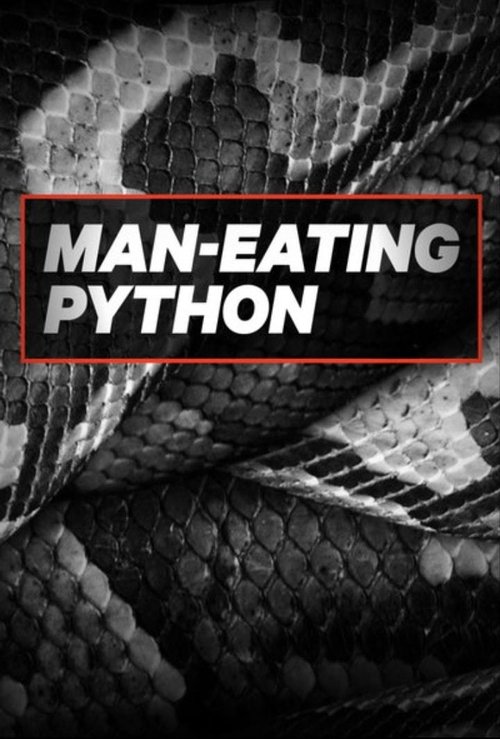
In 2017, Akbar Salubiro set out to harvest palm fruit on the family plantation on the eastern island of Sulawesi. In a startling moment captured in cell phone footage that later went viral, Akbar's body was discovered the next day in the belly of a python.
The fifth film of Frank Capra's Why We Fight propaganda film series, revealing the nature and process of the fight between the Soviet Union and Germany in the Second World War.
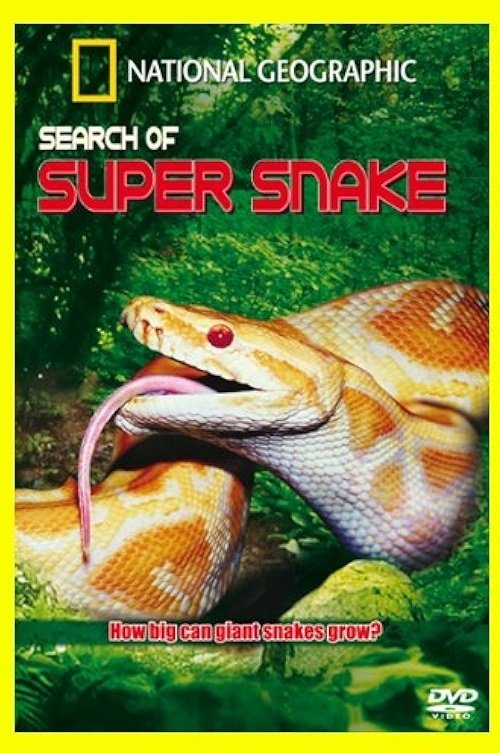
NATIONAL GEOGRAPHIC TELEVISION. Discover the interesting facts about the way giant snakes sneak up on their prey and how they come into conflict with human residents.
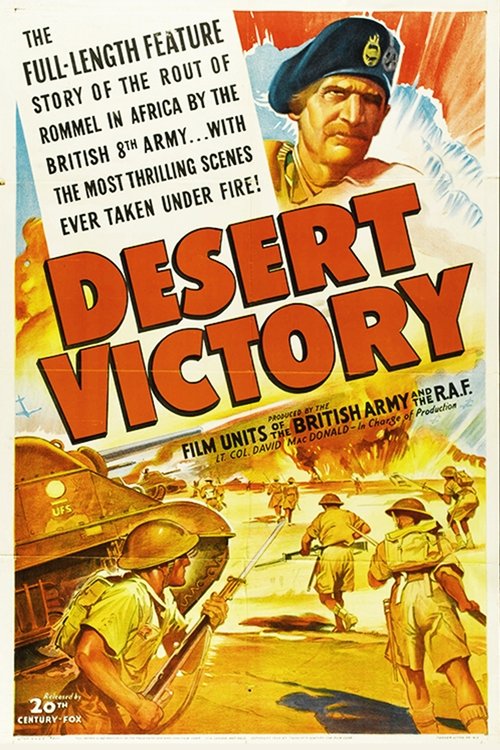
A featureless land fit only for war, as the narrator, J. L. Hodson stated in the early scenes: "If war was to be fought then let it begin here". In endless miles of rock-strewn scrub desert, where civilians hardly existed. Desert Victory tells the story of the Allied campaign to drive Germany and Italy from North Africa is analysed, with the major portion of the film examining the battles at El Alamein, including some re-enactment. Won "Best Documentary Feature" at the 16th Academy Awards in 1944.
Ice skating is the theme; at the Tropical Ice Garden, in Westwood Hills, are seen a flock of skating stars including Irene Dare and Phyllis Ann Thomoson, as well as Hollywood luminaries such as Franklyn Pangborn, Norma Shearer, Rita Hayworth, Mickey Rooney, Dick Purcell and Ann Sheridan.
It delivers enough venom in one bite to kill a hundred people, yet it solely preys on other snakes. Through rare footage follow the King Cobra on its journey throughout the rainforests of India seeking food and a mate.
Exploring the large and powerful anaconda in remote parts of the Amazon rainforest.
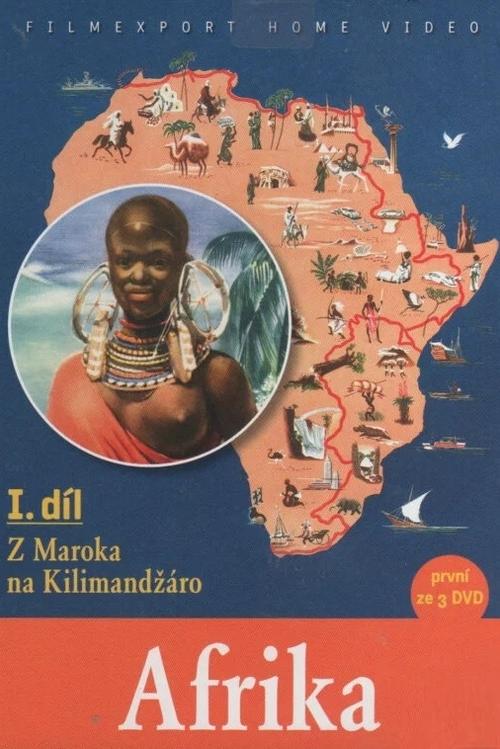
The feature-length film by engineers J. Hanzelka and M. Zikmund captures how the two travelers prepared for their first trip around the world and in documentary footage describes their experiences from the first half of the trip through Africa. You will see for yourself what obstacles they had to overcome on the ravaged roads of Abyssinia and in what danger the fate of the expedition was during the daring passage through the Nubian desert. The film culminates with an ascent to the highest mountain in Africa, the extinct volcano Kilimanjaro, whose peak is covered in ice all year round.
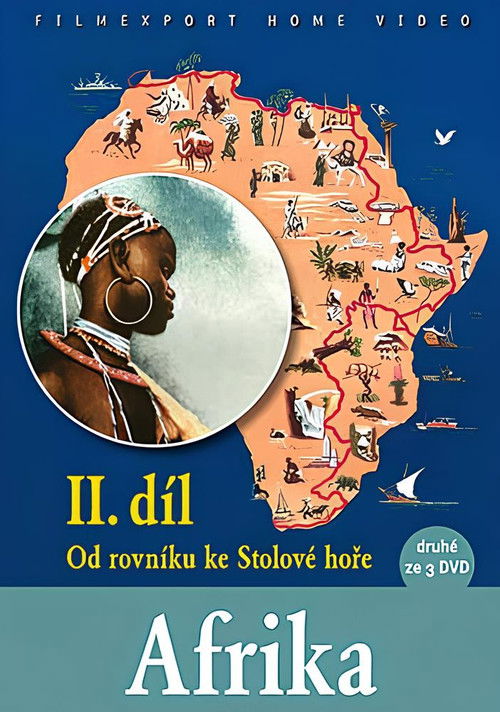
The second part of the film begins with a journey in the equatorial region, where the travelers managed to capture the most typical images of the original Africa. The journey continues to the forests of the Belgian Congo, where they filmed the smallest people in the world, black dwarfs. From Central Africa, they head south through Victoria Falls and the mysterious ruins of a medieval settlement in Zimbabwe. In Johannesburg, they witness a celebration of black gold diggers. Their journey ends at the southernmost tip of Africa under Table Mountain in Cape Town. The end of the film depicts the birth of a volcano shot from close range.
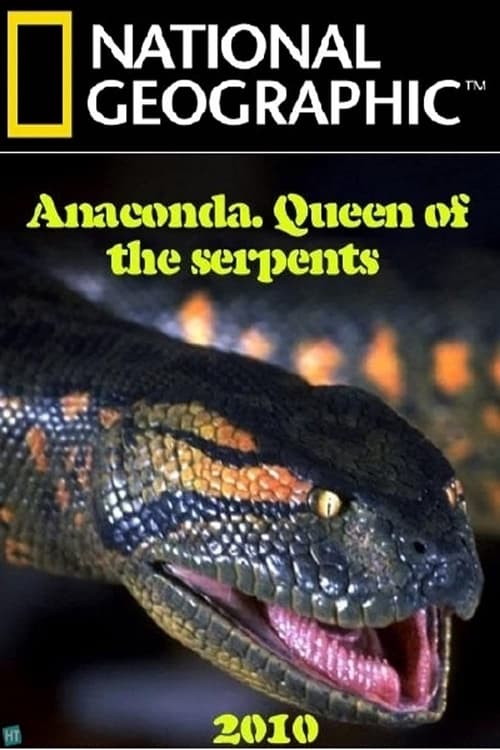
Anaconda - the mere mention of its name brings images of an awesome and terrifying killer snake! For Dr. Jesus Rivas and his wife, Dr Sarah Corey, anacondas represent a challenge as they try to unravel the mysteries surrounding these massive reptiles. Like most snakes, anacondas have suffered greatly from exaggeration and scary folklore. Pound for pound, the South American anaconda is the world’s largest snake. But its reputation as a killer is wrapped in myth and legend.
Travelers Hansel and Zikmund sail from Africa to South America. On their journey to film, they capture clouds of locusts on the plains of Argentina's Chaco, a snake farm in Butantane, skyscrapers in Buenos Aires and Rio de Janeiro, a visit to lepers in Paraguay, waterfalls in Iguazu, a daring expedition to the jungles of the Marañon river basin to hunt skull hunters. an Indian settlement in Panama and the journey ends prematurely in Mexico amidst the ruins of ancient Indian temples and pyramid.