A lucid dream turned nightmarish reality. A ship sinking into a world of fear. A short film that’s mostly puppetry by one of America's most prolific twentieth century artists.
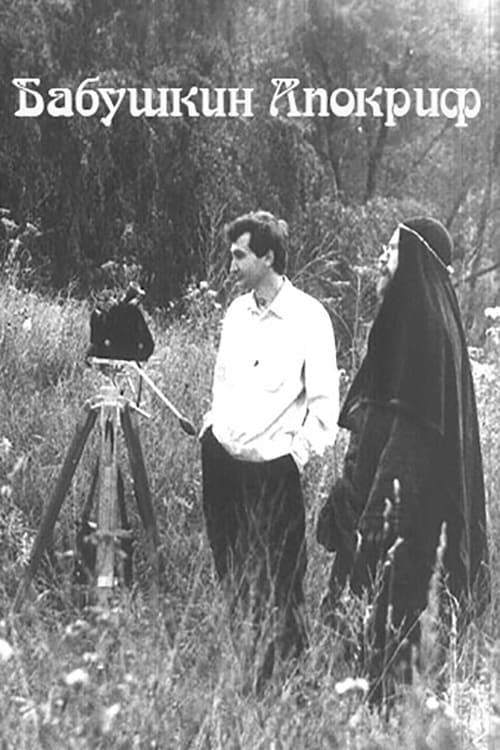
Saw and imagined in the children's fantasy the story of grandmother of Christ and the Apostles a little girl. Today few people remember that just a few decades ago in the village houses next to the icons you could still see the popular prints on religious themes. They finally disappeared from use only in the 60-ies of the last century. Of course, their creators were not professional painters or connoisseurs of theology. Drew, as best they could, she felt, not knowing neither rules nor laws. Simple uneducated people, nuggets, sought to glorify God with their creativity, that resonates in the hearts of those of peasants or artisans as they are.
"In my film I suggest that there is no greater mystery than that of the protagonists. War and Love are simply equated for what they are; the aftermath is inevitable, and a normal human condition, for which like the ancients one can only have pity and understanding. In this lies the mystery. All else is irrelevant. That there are other sub-currents of equal power in The Mysteries goes without saying; and, those who are capable of the numerous visual visitations and annunciations which the film offers them will realize what is the Ultimate Mystery of my work."
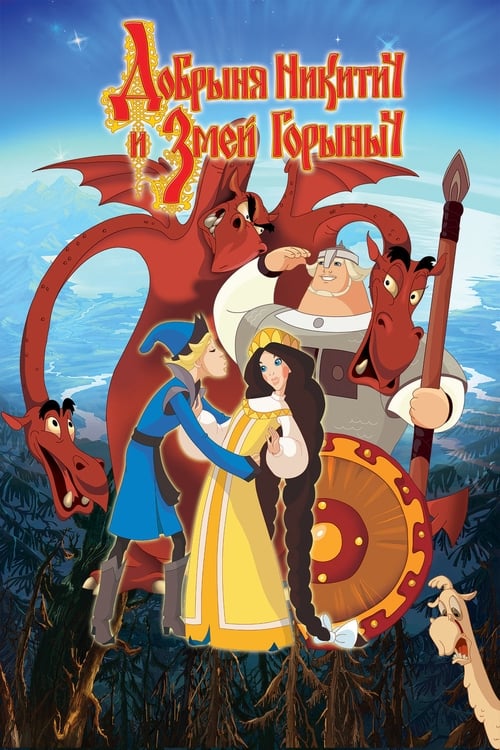
Dobrinya Nikitich goes on a quest to save the royal niece and finds out whether his old friend Zmey Gorinich is loyal to him. During the adventures, he is accompanied by the royal messenger who's in love with the royal niece.
Gay, alienated Los Angeles teens have a hard time as their parents kick them out of their homes, they don’t have money, their lovers cheat, and they are harassed by gay-bashers.
Experimental film by Toshio Matsumoto created for the 1970 world's fair, Expo '70 in Osaka. The film was made up of multiple projections onto the inside of the Textile Pavilion, a dome with an interior designed by Yokoo Tadanori, and featured a 57-channel music score by Joji Yuasa.
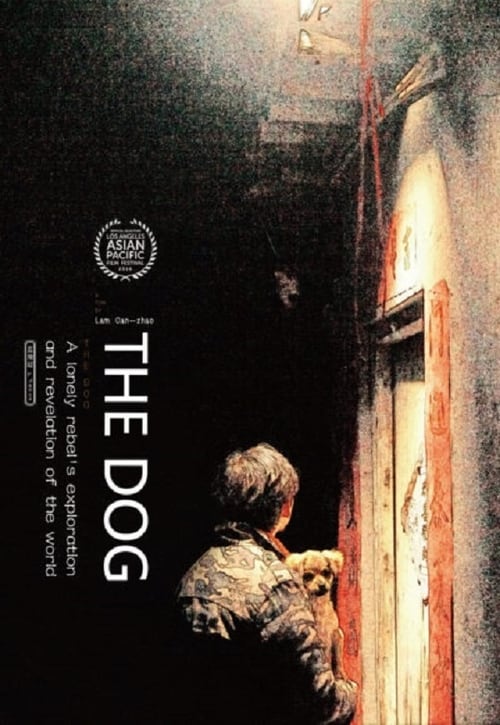
Director Lam Can-Zhao leads a small film crew as they shoot a film about a stray dog in the streets of Guangzhou, leading viewers into an unpredictable, peculiar and incredible journey.
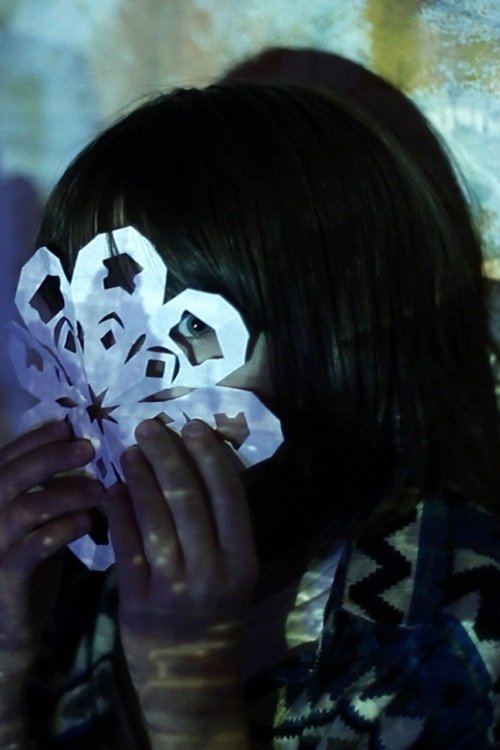
Here I am. A mind backed up by delusion of previous condition. Free or humiliated? Who is ashamed? Me or you? It is so hard to share one's secret.
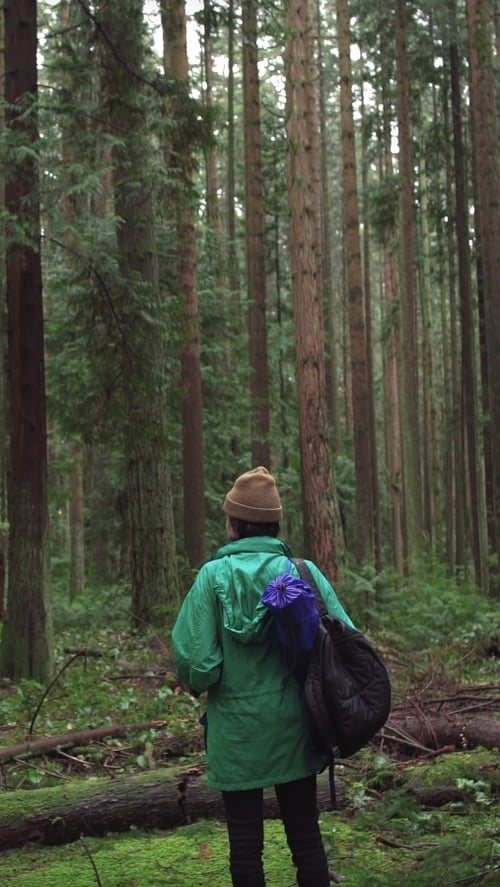
A woman gets lost in the woods.
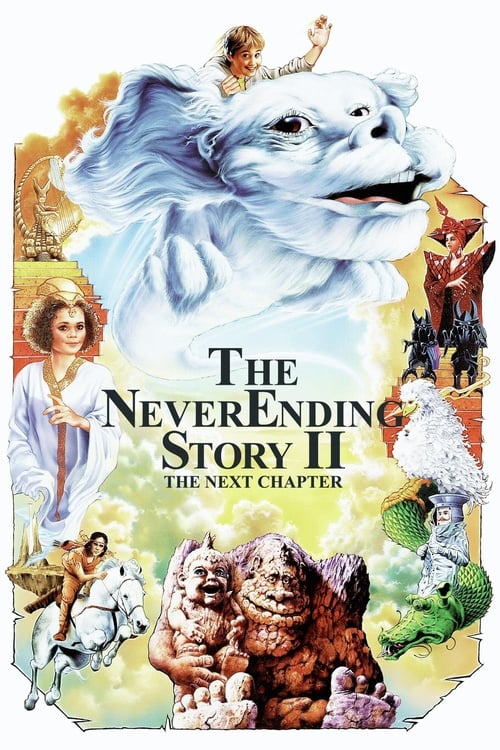
Once again, Bastian is transported to the world of Fantasia which he recently managed to save from destruction. However, the land is now being destroyed by an evil sorceress, Xayide, so he must join up with Atreyu and face the Emptiness once more.
Welcome Home.
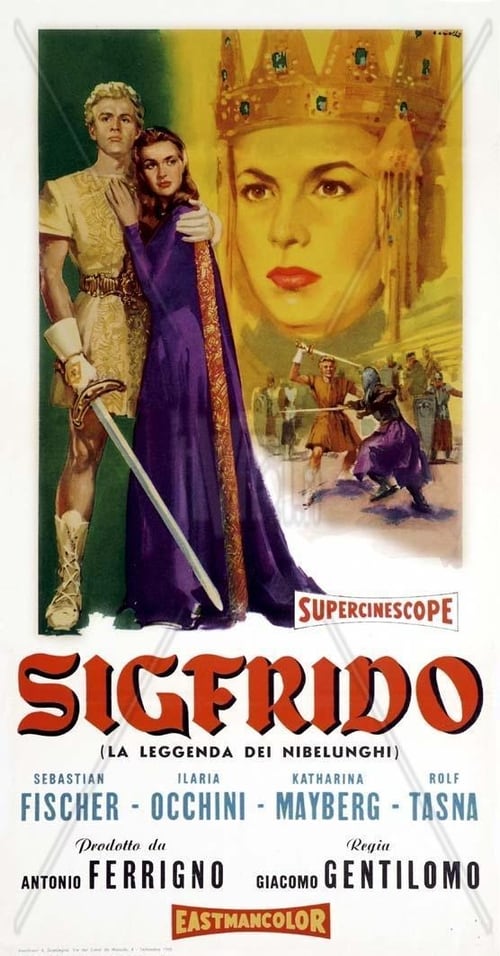
Legendary hero Siegfried uses a magic sword to fight a huge, fire-breathing dragon.
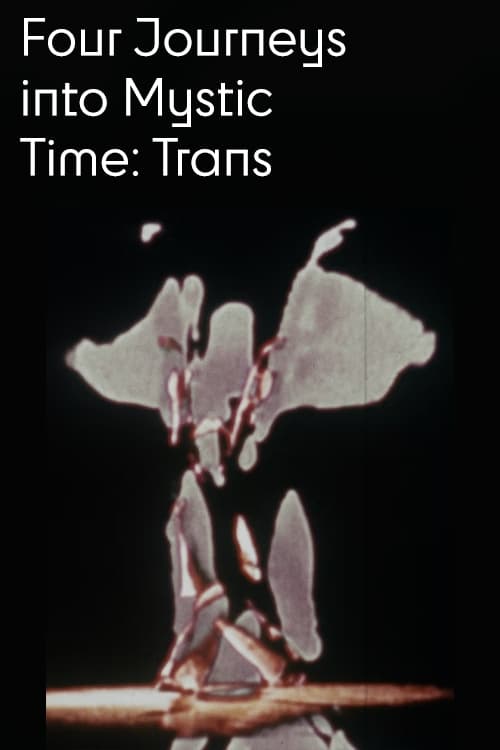
Part of the larger filmic Four Journeys Into Mystic Time, in this work director Shirley Clarke makes use of a dancer’s body not only as the primary performer, but also as a canvas on which to paint projected images. Further enhanced by editing and effective use of shadows, the film is a transformative experience.
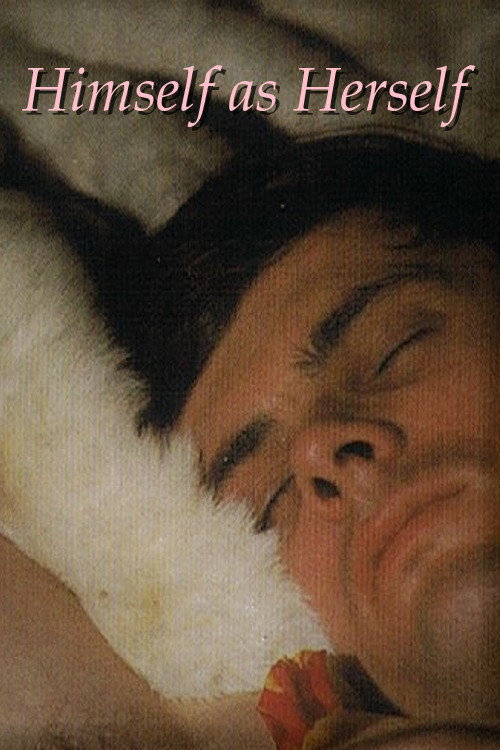
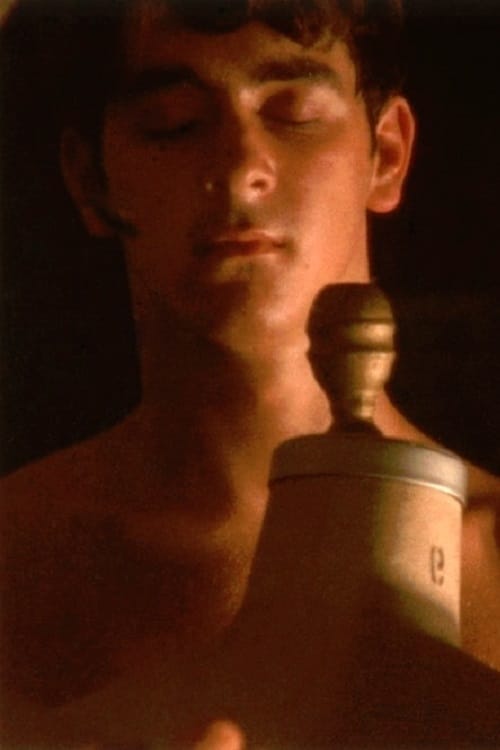
The young hero seems the essence of maleness, yet he's troubled by vaguely feminine objects. Soon his masculine and feminine selves are intercut, as each of his identities appears to look and gesture at the other. The film, at once melancholy and transcendent, consists of a shimmering, nearly plotless evocation of gender identity in flux through haunting, densely interlaced images.
Structured in nine tableaux each a study of a simple action or situation involving a lone, naked figure, the blind Eros, searching for fulfilment, for self. The objects he touches - books, paintings - can be seen as icons of the creative spirit; there is also a motor cycle and film equipment. In succeeding scenes he appears to try on identities offered by institutional doctrines of religion and social traditions of (overt) masculinity. Much of the film was constructed in-camera with a small amount of editing afterwards. An innovation was the use of in-camera fade-outs as phrase markers, not as terminal points, within a single set-up or shot.
Psyche 1947, made while a student at USC, shows Markopoulos’ developing style and his sensuous use of colour and composition. Shot in the Hollywood hills, the film was inspired by an unfinished novella by Pierre Louÿs. - Tate Modern
Markopoulos called Lysis “a study in stream-of-consciousness poetry of a lost, wandering, homosexual soul” and felt that the film foreshadowed The Illiac Passion.
Based on Plato's dialogue Charmides.