This program presents the life and ministry of George Muller, who cared for thousands of orphans in 19th century England. He never asked anyone for money. Instead he prayed, and his children never missed a meal.
Russell Boulter
as Narrator
Morgan Philpott
as Henry Craik
Daniel Tallamy
as Boy Stealing Bread
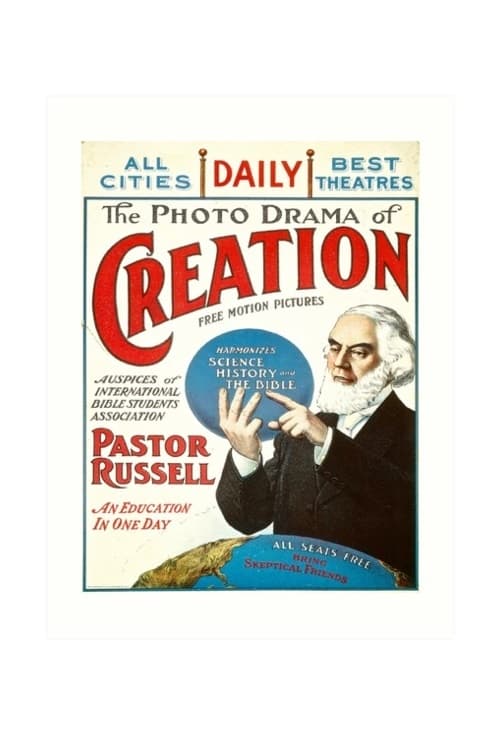
The film presents the Bible's account of God's plan from the creation of the earth through to the end of the 1,000 year reign of Christ.
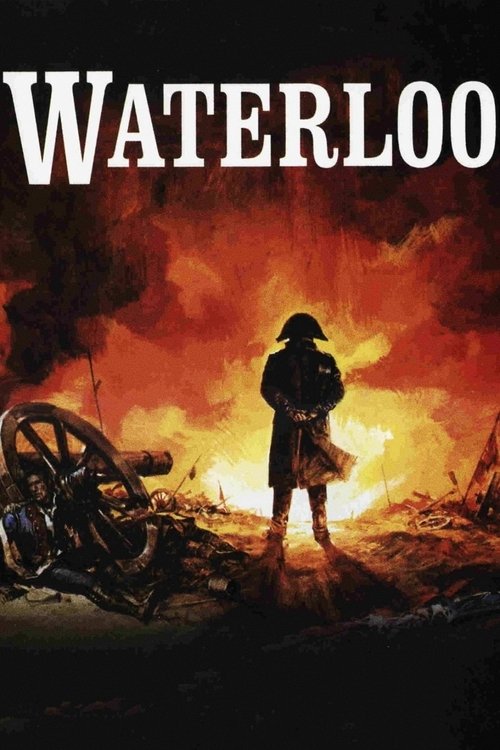
After defeating France and imprisoning Napoleon on Elba, ending two decades of war, Europe is shocked to find Napoleon has escaped and has caused the French Army to defect from the King back to him. The best of the British generals, the Duke of Wellington, beat Napolean's best generals in Spain and Portugal, but now must beat Napoleon himself with an Anglo Allied army.
A film essay on origin, life, religion, decay and more.
The story of Captain Richard Francis Burton's and Lt. John Hanning Speke's expedition to find the source of the Nile river in the name of Queen Victoria's British Empire.
Anders Østergaard’s film is an investigative look at the year the Berlin Wall fell, documenting the events that took place in Hungary as a prelude to the dramatic changes in November 1989. The director recreates the events and leads the audiences deep into the politicians’ secret meeting rooms by using a mix of interviews, archive material and reconstructed scenes and dialogues.
In early 19th century New England, an unscrupulous woman uses her beauty and wits to seduce, deceive and control the men around her.
Terrence McNally’s Corpus Christi is a play retelling the Jesus story, with Jesus as a gay man living in the 1950s in Corpus Christi, Texas. This documentary follows the troupe, playwright, and audience around the world on a five-year journey of Terrence McNally’s passion play, where voices of protest and support collide on one of the central issues facing the LGBT community: religion.
In December 1994, an archaeological marvel hidden deep inside France's Gorges de l'Ardèche was revealed to the modern world for the very first time: the Chauvet cave. Scientists immediately recognised the importance of this discovery. Sealed by a landslide more than 20,000 years ago, the cave had been extraordinarily well preserved. With over 1,000 paintings adorning its walls, Chauvet is a cave art jewel. How were the hidden chambers first formed? Who created the extraordinary art? And how can we preserve it for future generations? Follows a 30-year archaeological, geological and artistic adventure as scientists endeavour to understand and conserve this exceptional record of humanity's distant past.
When the first railroads were built some two hundred years ago, they brought about a revolutionary change for mankind, linking cities and countryside, driving the industrial revolution and irrevocably changing the landscape: a history of the railroad from its beginnings to the present day.
As England reach the final of the Euros at last, 6,000 ticketless football fans storm Wembley stadium, leaving destruction in their wake.
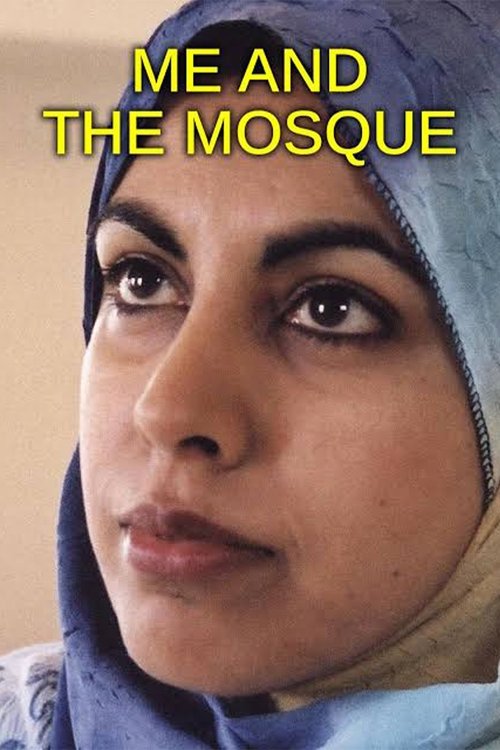
Using original animation, archival footage and personal interviews, this full-length documentary portrays the multiple relationships Canadian Muslim women entertain with Islam’s place of worship, the mosque. Islam is the fastest growing religion in the world. In North America, a large number of converts are women. Many are drawn to the religion because of its emphasis on social justice and spiritual equality between the sexes. Yet, many mosques force women to pray behind barriers, separate from men, and some do not even permit women to enter the building. Exploring all sides of the issue, the film examines the space – both physical and social – granted to women in mosques across the country.
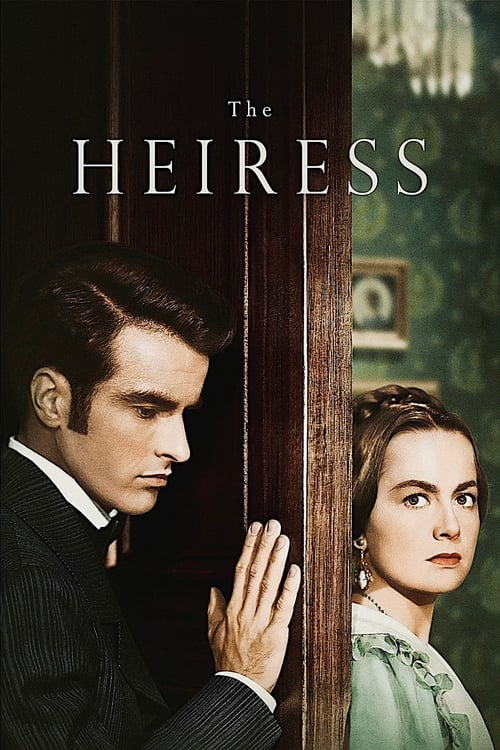
In 1840s New York, the uneventful and boring days of the daughter of a wealthy doctor come to an end when she meets a dashing poorer man — who may or may not be after her inheritance.
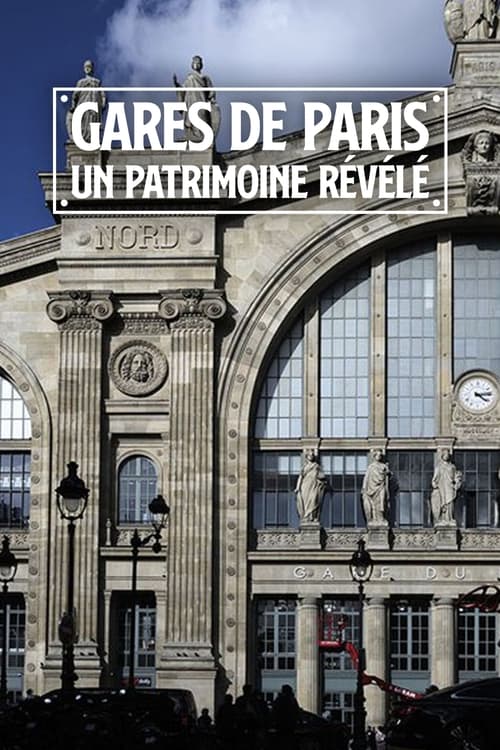
Every day, Paris’ six railway stations welcome over 3,000 trains and more than a million travelers coming from France and all over Europe. The stations’ sizes are impressive: Gare du Nord is bigger than the Louvre or Notre-Dame de Paris. These railway stations are architectural landmarks and a model of urban planning despite the radical changes they’ve undergone since their construction in the middle of the 19th century. How did the railway stations manage to absorb the boom of travelers in just a few decades? What colossal works were necessary to erect and then modify these now essential buildings? From the monumental glass walls of Gare du Nord to the iconic tower of Gare de Lyon, to the first-ever all-electric train station, each has its own story, technical characteristics, and well-defined urban image.
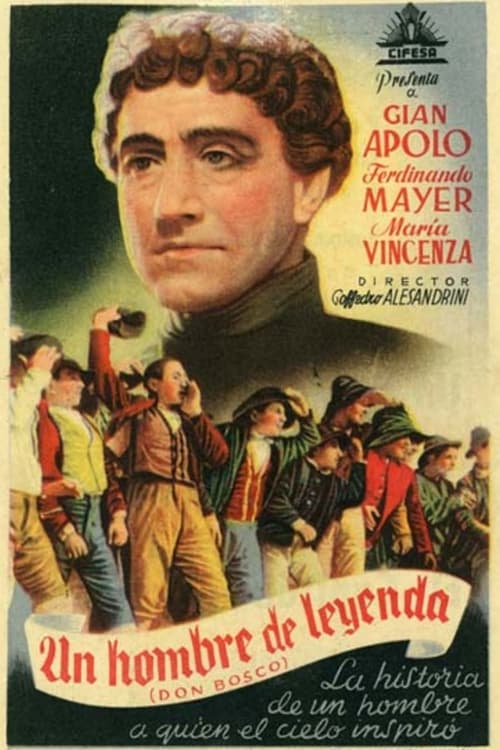
Follows the life of Catholic Priest John Bosco (1815–1888).