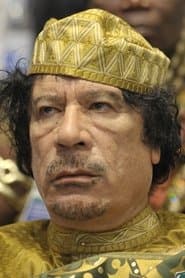
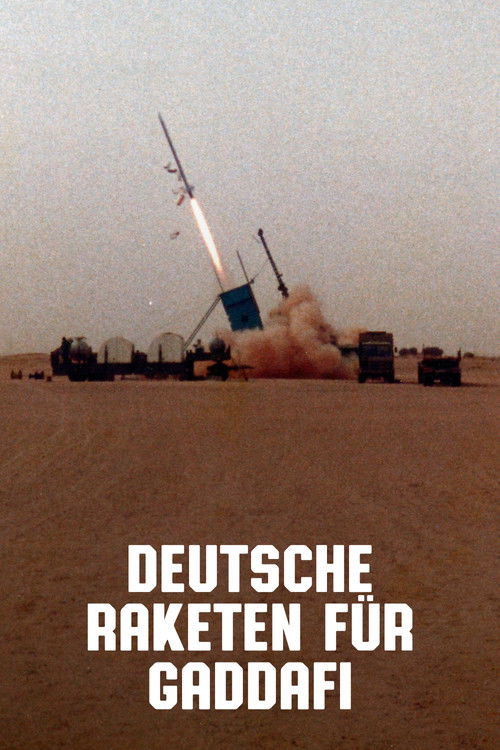
Featuring real interviews and archive footage, this documentary gives an overview of Gaddafi's tyrannical reign over Libya from his early life until his death in 2011.
Muammar Gaddafi
as Himself (archive footage)
In life, the Libyan leader ruled with an iron fist for 42 years and treated Libya's wealth as his own. He died the richest man on the planet with a fortune of $150 billion. A dictatorial leader in life, the spell of Gaddafi's money remained in place after his death, triggering a ruthless race to find his missing billions. Two journalists pick up the trail of a mysterious $12.5 billion in cash, flown out of Libya in the dead of night just months before Gaddafi's demise.
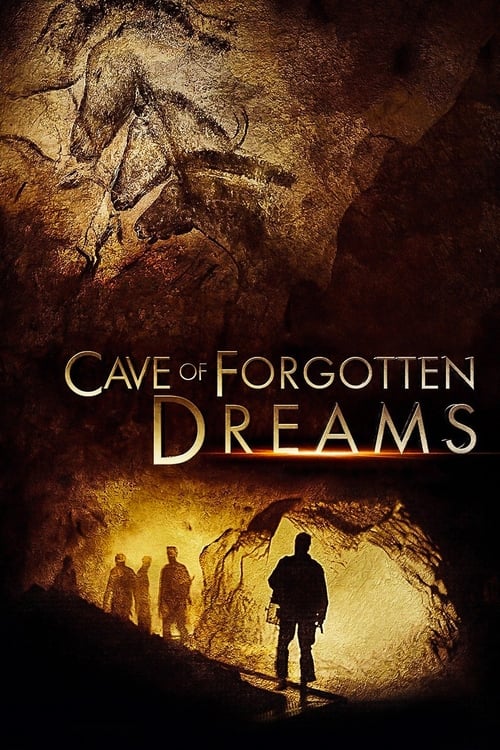
Werner Herzog gains exclusive access to film inside the Chauvet caves of Southern France, capturing the oldest known pictorial creations of humankind in their astonishing natural setting.
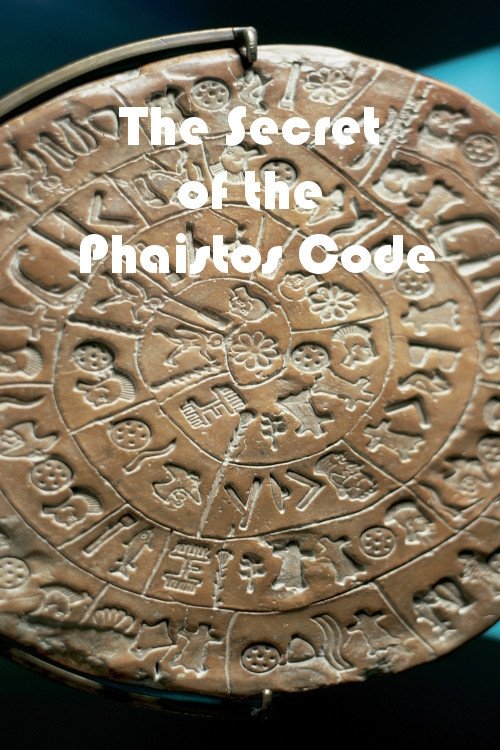
Is the Phaistos Disc a clever fake? The film follows the trail of possibly one of the greatest archaeological scandals ever. The search for the truth starts in the ancient Cretan palace complexes of Phaistos. In 1908, the “Phaistos Disc” was discovered by the Italian archaeologist Luigi Pernier. Since then, the disc has aroused scientific debates. Among other experts, art historian Jerome Eisenberg is convinced that the disc is a fake.
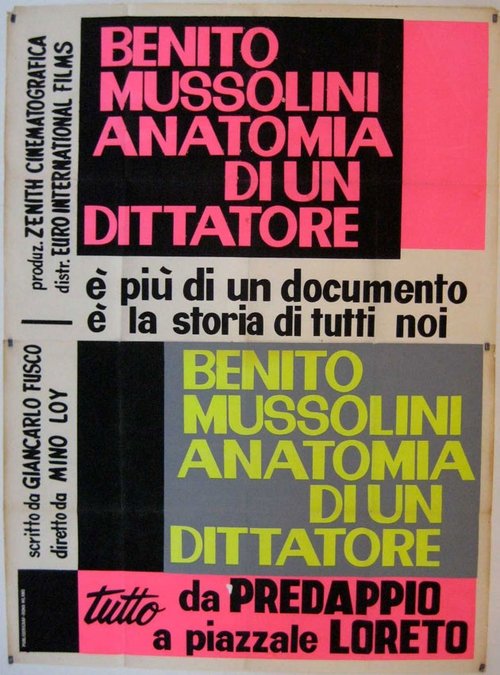
By means of a chronological arrangement of historical video material from the Istituto Luce archives, it tells the story of Fascist Italy's ambitions in Africa and the role they played in shaping fascist ideology and the stance of the fascist regime in the Western world at the height of the age of colonialism and aggressive European expansionism.
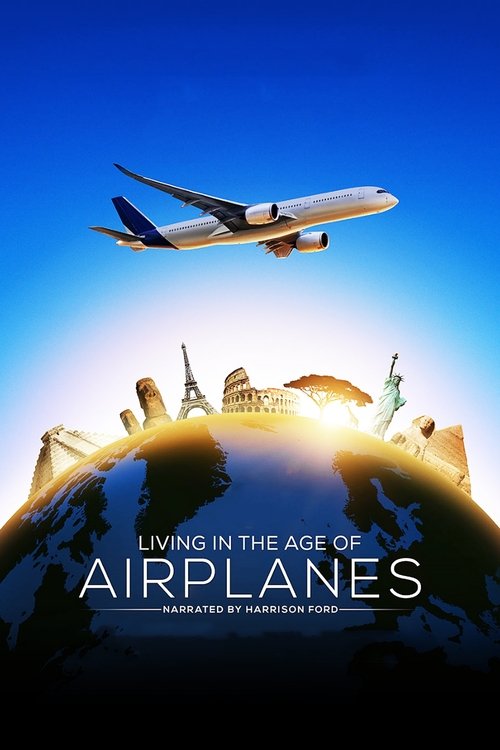
A fresh perspective on a modern-day miracle that many of us take for granted: flying. Narrated by Harrison Ford and featuring an original score from Academy Award® winning composer James Horner, the film takes viewers to 18 countries across all seven continents to illuminate how airplanes have empowered a century of global connectedness our ancestors could never have imagined.
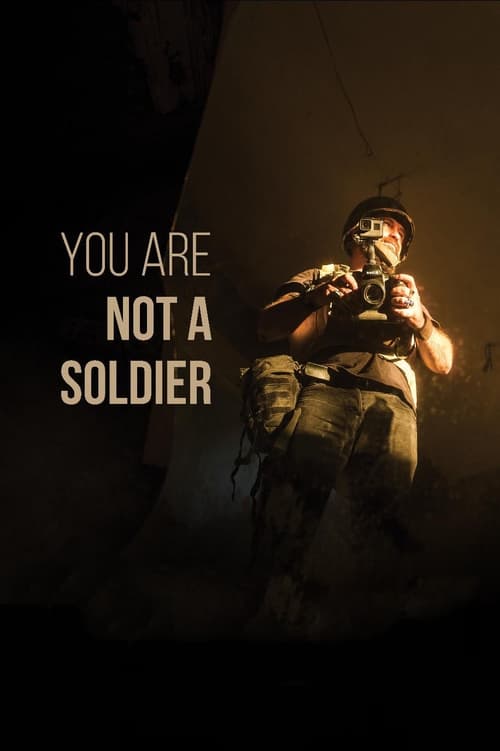
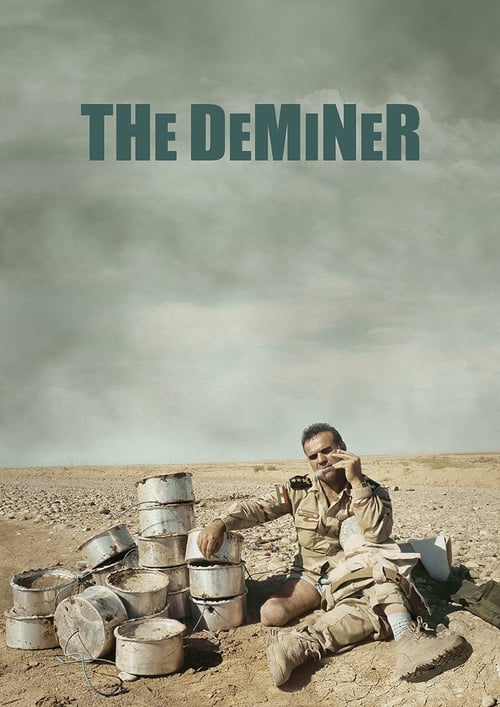
In the chaotic aftermath of the fall of Saddam Hussein, Fakhir, a father of eight, is serving in the Iraqi army. All around him, he sees innocent civilians getting injured by landmines, so he determines to disarm them with his own hands, using just a pocketknife and some wire cutters. He clears thousands of roadside bombs, mines and car bombs, knowing that every time he cuts a wire it could cost him his life—which he seems to find less important than the lives of others. In 2014, by this time having lost a leg, he starts working for the Kurdish Peshmerga, disarming boobytraps left behind by Daesh in and around Mosul. An enthusiastic home video maker, Fakhir collects hundreds of hours of footage of his day-to-day work.
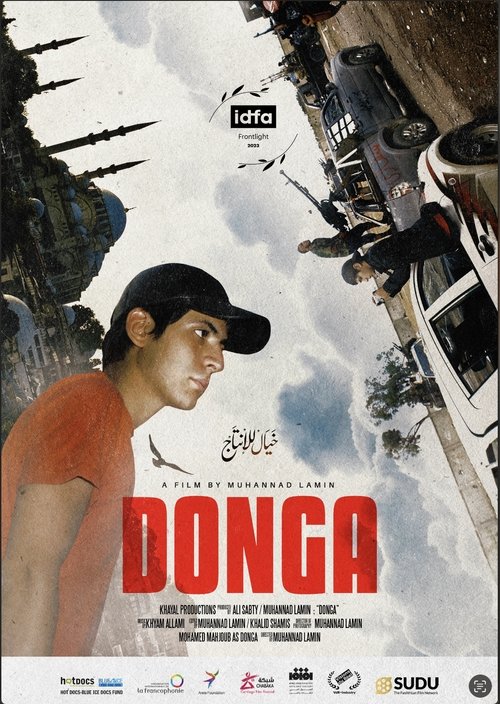
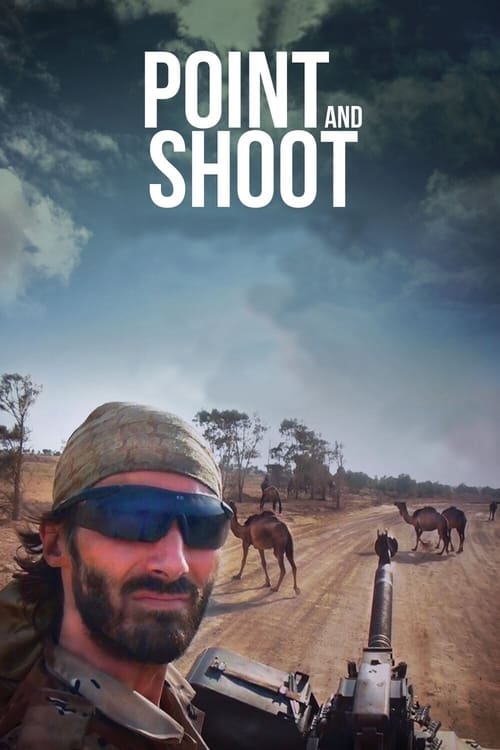
“There was excitement in the air,” says Donga, now in his late twenties, describing his feelings when the uprising against Muammar Gaddafi’s rule broke out in 2011. He was 19, living in Misrata, and boldly went to film the fighting with a friend. A decade later, in a hotel in Istanbul, where he has been living since he was wounded in battle, he looks back on the past ten years through excerpts from his videos. And he reflects on how that period has affected him.
An impression of the state of the world in 1929, contrasting similarities and differences in religion, customs, art and entertainment from all over the world. The film is constructed like a symphony.
Mike Epps, Richard Pryor Jr. and others recount the culture-defining influence of Richard Pryor - one of America's most brilliant, iconic comic minds.
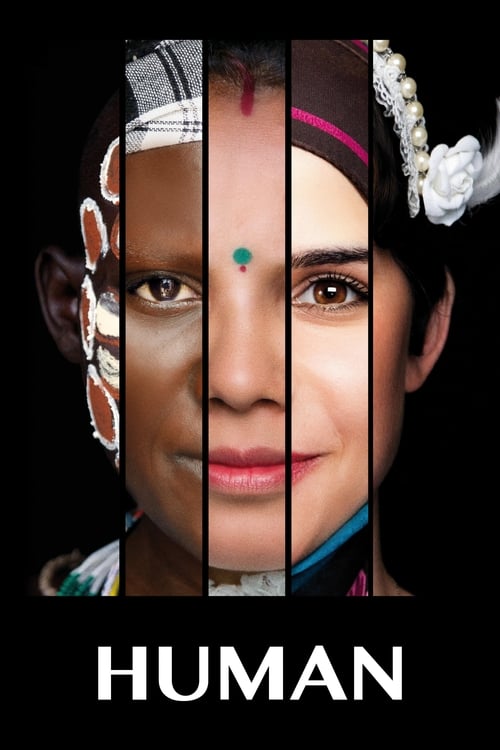
A collection of stories about and images of our world, offering an immersion to the core of what it means to be human. Through these stories full of love and happiness, as well as hatred and violence, it brings us face to face with the Other, making us reflect on our lives. From stories of everyday experiences to accounts of the most unbelievable lives, these poignant encounters share a rare sincerity and underline who we are – our darker side, but also what is most noble in us, and what is universal. Our Earth is shown at its most sublime through never-before-seen aerial images accompanied by soaring music, resulting in an ode to the beauty of the world, providing a moment to draw breath and for introspection. This film is a politically engaged work which allows us to embrace the human condition and to reflect on the meaning of our existence.
The parallel stories of four Pakistani immigrants in Greece become the trigger for the director to explore the story of his father, a worker in the Perama Shipyard. The background unfolds a most deadly shipwreck, Libyan immigrants found in limbo, as well as a (possibly racist) crime, which was committed during the shooting of this film.
Based on Lee Smith's book of the same name, this documentary follows the story of the biggest political scandal in U.S. history.
When the young founder of a collapsing cryptocurrency exchange dies unexpectedly, irate investors suspect there's more to his death than meets the eye.
In 1981, seven Libyan exiles formed the core opposition group to Colonel Muammar Gaddafi. Thirty years later, they are back to their country only to inherit the mess he left. The film is an intricate blend of rare first-hand accounts, propaganda archival material turned on its head, evocative cinematography and an untold history of a country.
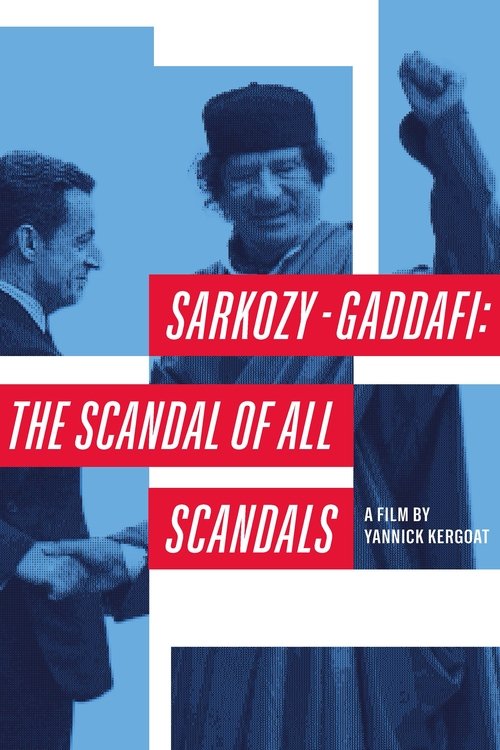
A democracy and a dictatorship. A presidential campaign and dirty money. War and death. When Nicolas Sarkozy affirmed in the press that “No one can make sense of it”, he was trying to discredit the investigation into his ties with Muammar Gaddafi, portraying it as a bunch of gibberish. As Sarkozy and his many accomplices go on trial in the Libyan campaign financing affair, here’s the film that will finally explain all of the ins and outs of one of the most remarkable French political scandals in decades.
Staff Colonel Talat Aydemir... Aydemir's February 22 rebellion was the first revolutionary attempt in Turkey that faced resistance. But it was also the most dangerous... The thing the army feared most happened to him. The most undesirable possibility of the commanders in charge came true and friction broke out between the armies. At that time, the commander of 27 May, Cemal Aga, was appointed to the presidency, but the discomfort did not end. A group led by Colonel Talat Aydemir sought to intervene again. However, a part of the army, especially the Air Force, left Aydemir alone at the last moment. Talat was still strong in Ankara. In order to break this power, Prime Minister İnönü found the formula to dismiss the leaders of the rebel officers and appoint them to the East. Here is February 22, the day when these appointments will be announced to the rebels. The apocalypse was expected that day. And it broke that day...
In the words of those days, "The first parliament of the Second Republic opened in its new building at 15:00 on a Wednesday. At that moment, the National Unity Committee, which had been ruling the country since 27 May, vanished into history. Now there was an Assembly and a Senate. The old Members of the Committee of National Unity had been "senators of course" for life. The country was finally getting its parliament again after a year and a half hiatus. After many painful days and nights, the biggest share in this success belonged to İsmet İnönü...