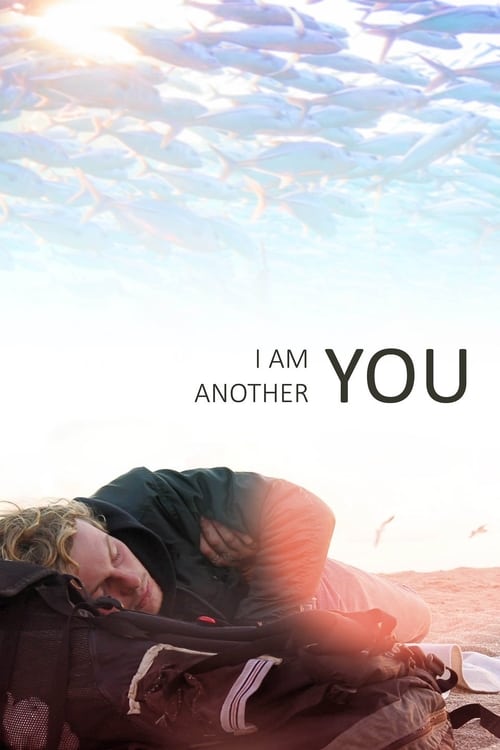
Documentary tells the story of Maxim Vakhmin, a veritable alleycat of a man. Revered as both an angel and a devil, Maxim (once known as a successful artist in his native Russia) is losing friends and finding new ones as a homeless person in the USA.
Maxim Vakhmin
as Self
Examines the intergenerational impact of addiction by chronicling the love, labor, loss, and uncertainty of one woman’s struggle to live a life of sobriety. Weaving together moments of glee, fulfillment, acceptance, sorrow, and disappointment, this documentary takes an intimate look at the bonds that hold one family together and a disease that threatens to tear them apart.
The fascinating portrait of Ion Bârlàdeanu. The touching and inspiring story of a man who literally lived in the gutter for 20 years - and in the meantime managed to create paintings and collages which are now exhibited alongside works by Andy Warhol or Marcel Duchamp.
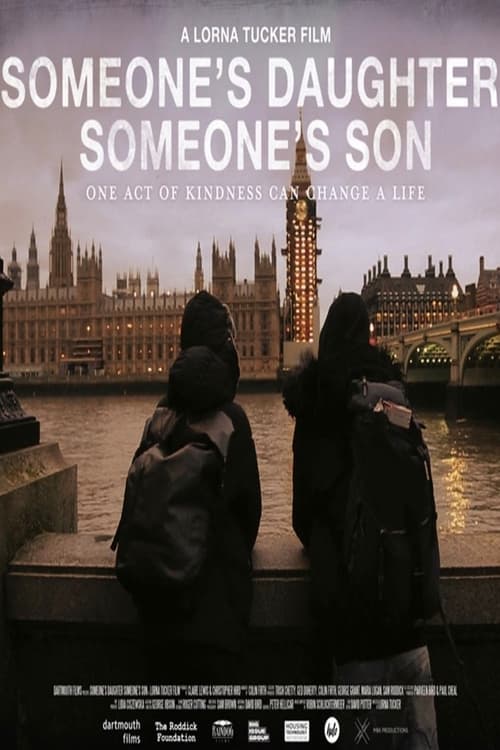
Now a successful filmmaker, Lorna Tucker was once a teenage runaway sleeping rough on the streets of London. For this frank, forceful and inspiring documentary, she returns to her former haunts and speaks to current and former homeless people about why, twenty-five years later, record numbers of people are still reduced to living on Britain's streets.
For five years, Stephen McCoy documented street life in Boston. This is what he captured.
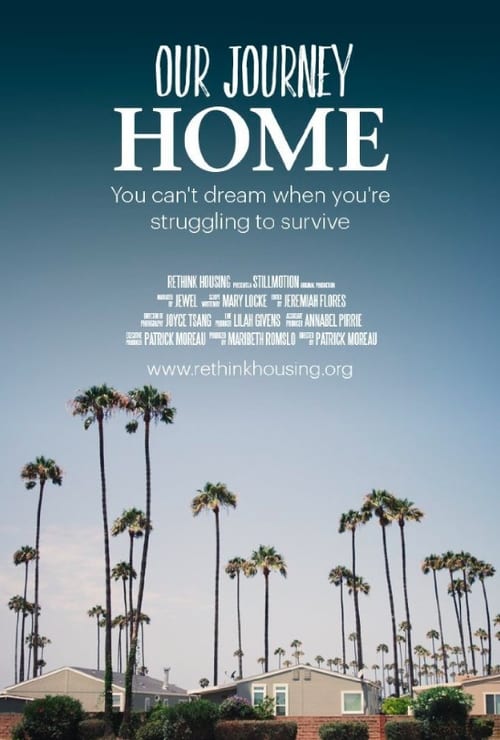
Where we come from shapes who we are, and how others see us. Home gives us a sense of belonging and stability. It’s so much more than just a physical structure. It’s our safety, our refuge, our launch pad. Yet, so many people in the U.S. face housing instability and homelessness. A shocking 76% of Americans live paycheck-to-paycheck. They are just one accident or injury away from losing everything. Losing a place to call their own. Our Journey Home explores how home shapes us and challenges our perceptions about people in need of public housing. The film examines the role we all play in supporting those who struggle in having a stable place from where they can grow and dream.
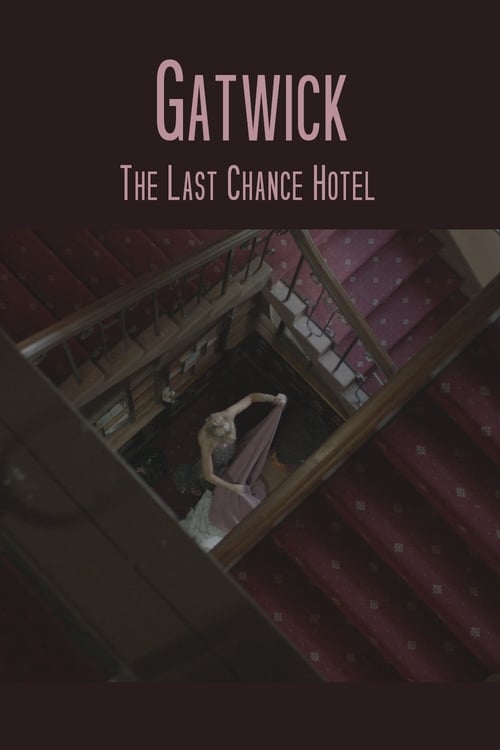
Intimate true stories from St Kilda's Gatwick Private Hotel. Meet the incredible characters including sisters Rose and Yvette who dedicated their lives to caring for the forgotten.
In the district of Kristineberg in Stockholm there is an abandoned hotel that the young film makers Roxane and Moa often pass by. In believing that the hotel is empty, they take the camera and go there, but it turns out to be temporary accommodation for about fifty people. Instead, it becomes a film about rootlessness, addiction and dreams of a regular home with potted plants in the windows.
Homeless man Robert (Bobby) Webb discovers the art of filmmaking, turning pages of his life into a heartfelt reel. Through his journey he finds hope and new meanings in unexpected aspects of his life as he relives them.
Waifs, homeless, derelicts, almsmen, others, forgettens, outcasts, unwanteds. The Hotel of Waifs; a temporary resting place far from home, an amusement in a pale fun fair, an enthusiastic trip on roundabout ways of soul.
This documentary about teenagers living on the streets in Seattle began as a magazine article. The film follows nine teenagers who discuss how they live by panhandling, prostitution, and petty theft.
Award-winning documentary maker Bryan Bruce investigates New Zealand's housing crisis and what might be done to solve it. Bruce consults with recognised world experts (in Canada, Ireland and Germany) to discuss their global research – this time on foreign capital and housing affordability and the effect of immigration on house prices. Bruce also looks at some of the many possible solutions (available particularly in Germany) that would provide families with stability of tenure that don’t involve private ownership.
Tell Them We Were Here is an inspirational feature-length documentary about eight artists who show us why art is vital to a healthy society and reminds us that we are stronger together.
No Place to Grow Old is the first documentary to capture a growing crisis unfolding quietly across America: older adults aging into homelessness. Set in Portland, Oregon, this film follows the lives of three older adults navigating the harsh realities of life without a home. Through their stories of hardship and resilience, the film offers an intimate portrayal of their challenges while illuminating the systemic issues contributing to their plight. Featuring insights from local and national experts, No Place to Grow Old is a powerful call to action that emphasizes dignity and hope, envisioning a future where everyone, regardless of age, has a safe and secure place to call home.
Through the eyes of a young drifter who rejects society's rules and intentionally chooses to live on the streets, Chinese filmmaker Nanfu Wang explores the meaning of personal freedom – and its limits.
Every day, on the streets of Canada's cities, we pass them on our way to work or school. Bums, beggars, winos, bag people we call them. But who is the person at the end of that outstretched arm? What is life on the street really like? Is there a way off the street? For six years, director Daniel Cross followed the lives of three homeless men who spent much of their time in and around a Montreal subway station. Filmed in a cinema verité style, the film is unique: it humanizes the homeless, breaking down the barrier between us and them, neither moralizing nor offering easy answers. This is a gritty, compelling look at life on the streets that moves beyond the media stereotypes to show both the humanity of the homeless and the street-toughened aspects of their existence.
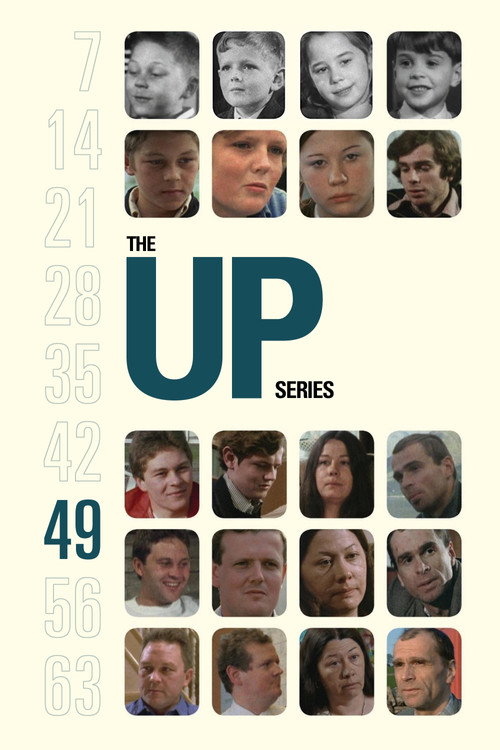
49 Up is the seventh film in a series of landmark documentaries that began 42 years ago when UK-based Granada's World in Action team, inspired by the Jesuit maxim "Give me the child until he is seven and I will give you the man," interviewed a diverse group of seven-year-old children from all over England, asking them about their lives and their dreams for the future. Michael Apted, a researcher for the original film, has returned to interview the "children" every seven years since, at ages 14, 21, 28, 35, 42 and now again at age 49.In this latest chapter, more life-changing decisions are revealed, more shocking announcements made and more of the original group take part than ever before, speaking out on a variety of subjects including love, marriage, career, class and prejudice.
People experiencing homelessness, social work professionals, and film artists join forces to transform fragments of real life into fictional short films.
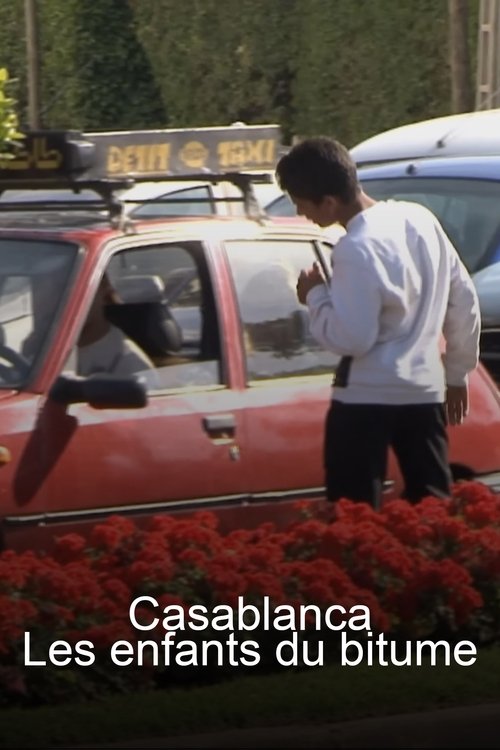
There are at least seven thousand children and adolescents wandering the streets of Morocco's economic capital. Sold by their parents, abused, beaten, or abandoned, they struggle to survive. Since 1995, the Bayti association has been fighting to reintegrate these sacrificed children and give them a second chance.