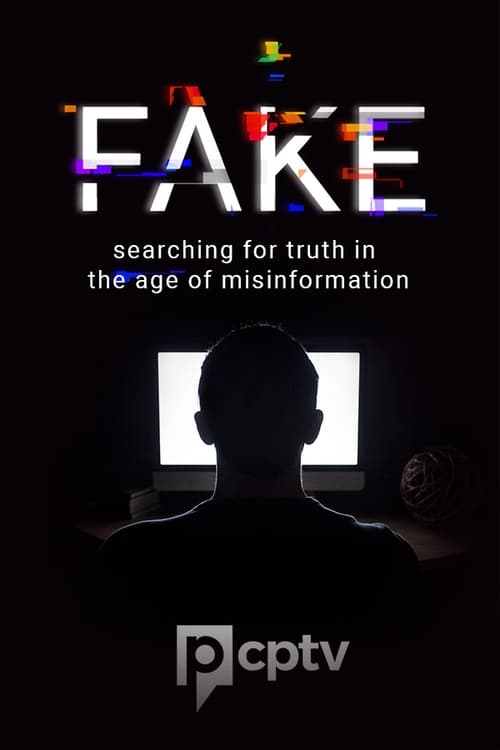
An 18-minute long single-channel video which uses CNN footage cut so that each word is spoken by a different newsperson. The pieces literally asks the viewers questions about media authenticity and give CNN a distinct voice
When the renowned author, orator and journalist Christopher Hitchens was challenged to undergo the brutal interrogation technique known as waterboarding, few would've expected he'd accept such a task - he had previously expressed the position that the controversial procedure would not qualify as torture, and most who'd claim such a thing would not have the courage to test their convictions. Yet, in May 2007, Hitchens did just that - and his experience profoundly impacted both himself and his stance on the matter, prompting him to declare he'd been wrong, and later to publish his 2008 article for Vanity Fair's August issue, simply titled 'Believe Me, It's Torture'.
17 of the largest ships emit more sulfur than all the cars on the planet. How is this possible?
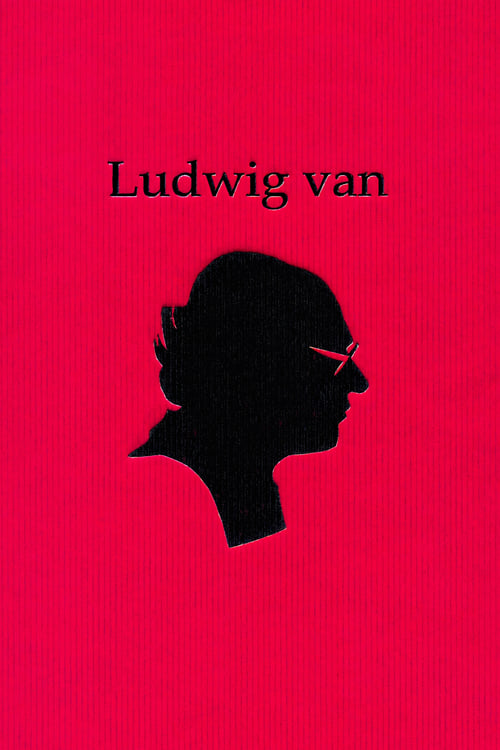
An odyssey through Beethoven’s lasting presence and influence in our modern world – viewed through the eyes of the composer himself.
For ten years, the journalists of the Etilaat Roz have been making the most widely circulated daily newspaper in Kabul—entirely transparent, and constantly on the lookout for abuses in society and politics. But what do you do when this work becomes practically impossible? This film follows the team as the city is recaptured by the Taliban.
The warping lens used to photograph 10th Avenue seems to puzzle the filmmakers.
Black & White, Short Film, United States, Silent.
Among the millions of victims of the Nazi madness during the Second World War, Pierre Seel was charged with homosexuality and imprisoned in the Schirmeck concentration camp. He survived this terrifying experience of torture and humiliation, and after the war he married, had three children, and tried to live a normal life. In 1982, however, he came to terms with his past and his true nature and decided to publicly reveal what he and thousands of other homosexuals branded with the Pink Triangle had undergone during the Nazi regime. Il Rosa Nudo (Naked Rose), inspired by the true story of Pierre Seel, depicts in a theatrical and evocative way the Homocaust, focusing on the scientific theories of SS Physician Carl Peter Værnet for the treatment of homosexuality, which paved the way for the Nazi persecution of gay men.
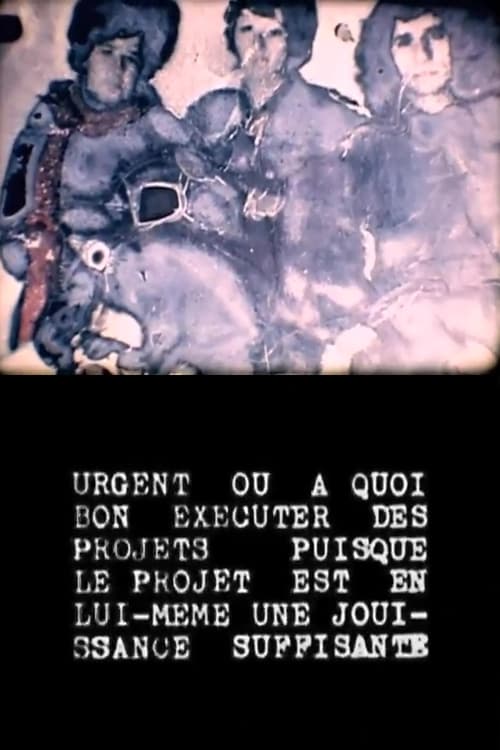
The second half of Gustav Deutsch's experimental Film ist. series, constructing new narratives and moods out of existing footage, mostly from early silent era films.
As local newsrooms vanish, "News Without a Newsroom" explores journalism's uncertain future in the digital age. Through powerful stories and expert insights, the film examines the collapse of traditional media, the rise of misinformation, and the fight to preserve truth, trust and accountability in an era of disruption.
The real story of wellness campaigner Belle Gibson's massive worldwide fraud and the famous interview that brought the con artist down.
Alexei is a nineteen year old recruit being flown in to perform his military service on the frontier of northern Russia. The base is one of few such remaining outposts on the Arctic Ocean. There are five other seasoned and long serving soldiers stationed here, each with their own personal story or secret that has caused them to retreat from the real world. Their training and breaking in of the new arrival is sometimes humorous, at times harsh. Gradually, they each reveal something of themselves in their daily interactions and private moments as they continue their absurd duty in this snow covered no man's land, hundreds of miles from the nearest human settlement.
The Morning Sun Shines is a fiction-documentary film by Kenji Mizoguchi and Seiichi Ina. The film is a combination of a drama about a reporter, and documentary footage about newspaper production. Only 25 minutes of footage has survived.
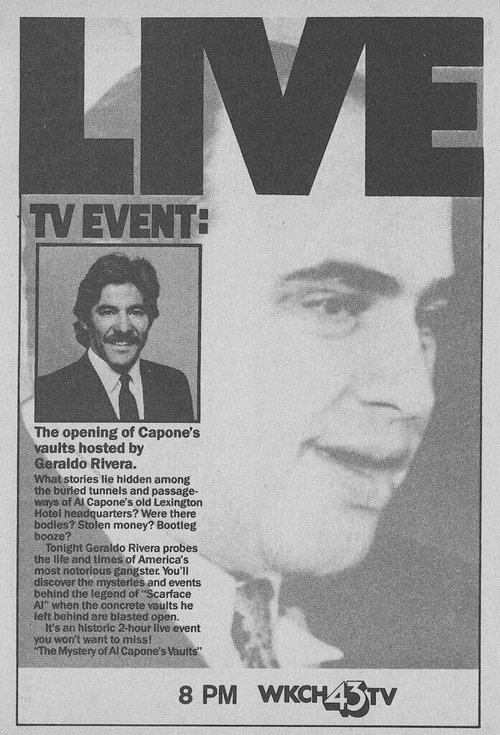
A skewering of local news cadences that travels to Kansas, where Libertarian-leaning politicians fast-track the world’s largest slide.