Operation 8 examines the so-called 'anti-terror' raids that took place around New Zealand on October 15, 2007 - asking how and why they took place and at what cost to those targeted.
A close examination of the Whakaari / White Island volcanic eruption of 2019 in which 22 lives were lost, the film viscerally recounts a day when ordinary people were called upon to do extraordinary things, placing this tragic event within the larger context of nature, resilience, and the power of our shared humanity.
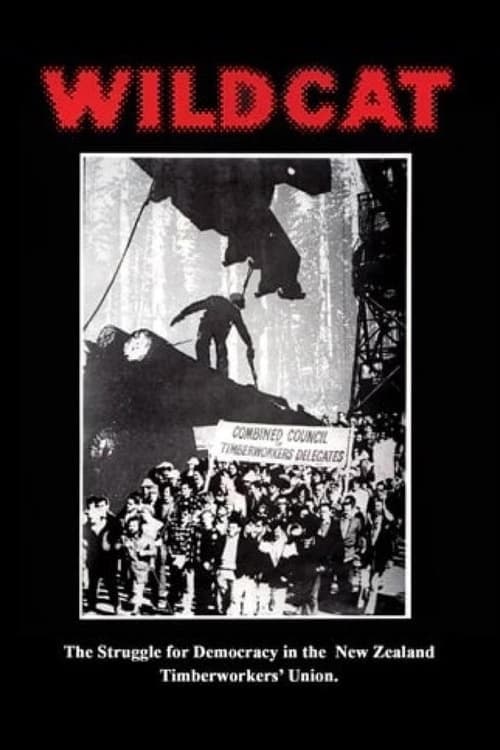
Delegates and workers discuss the issues that effect the Timberworkers’ Union, the reasons for the formation of the Combined Council of Timber Workers Delegates (CCD) and their industrial action.
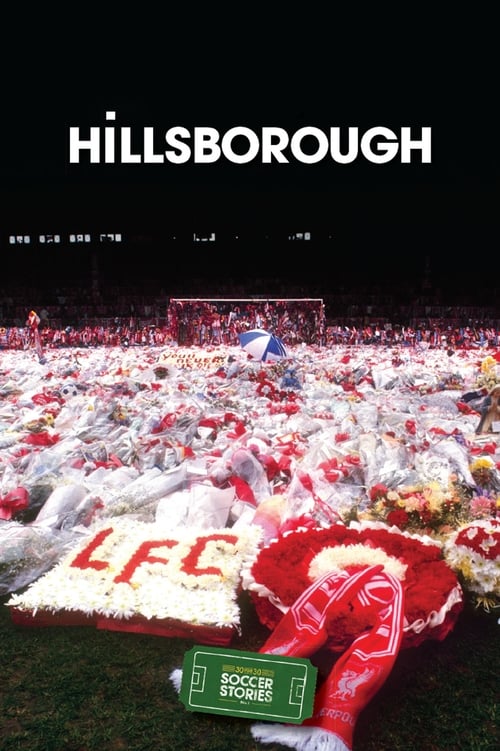
A look at the April 15, 1989 tragedy at Hillsborough Stadium in Sheffield, England, where a stampede in the stadium's standing-room-only areas killed 96 people and injured 766. The film also examines the ongoing efforts of victims' families to seek truth and justice, as well as tangible effects on English football, including stadium upgrades and the emergence of the English Premier League.
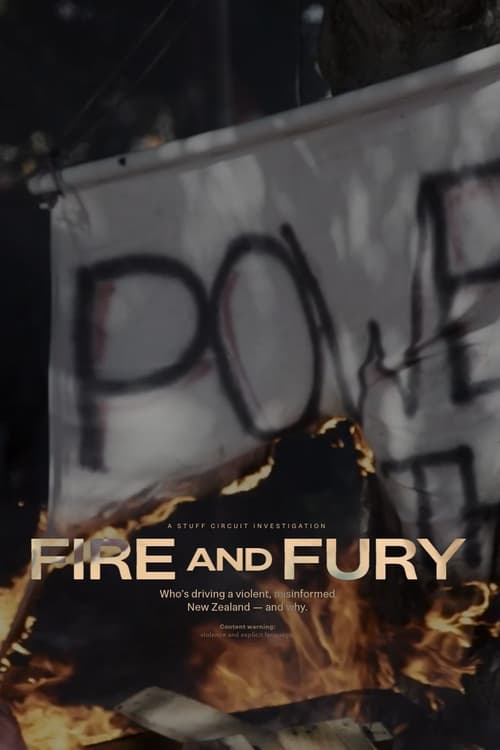
Who is driving a violent, misinformed New Zealand, and why? Fire and Fury is a Stuff Circuit investigation into disinformation in Aotearoa New Zealand.
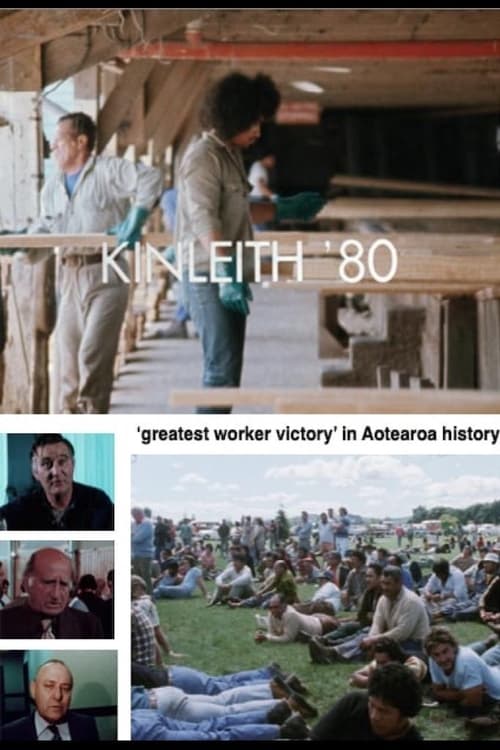
Covers the 12-week-long strike at Kinleith Pulp and Paper Mill, owned by New Zealand Forest Products in January 1980.
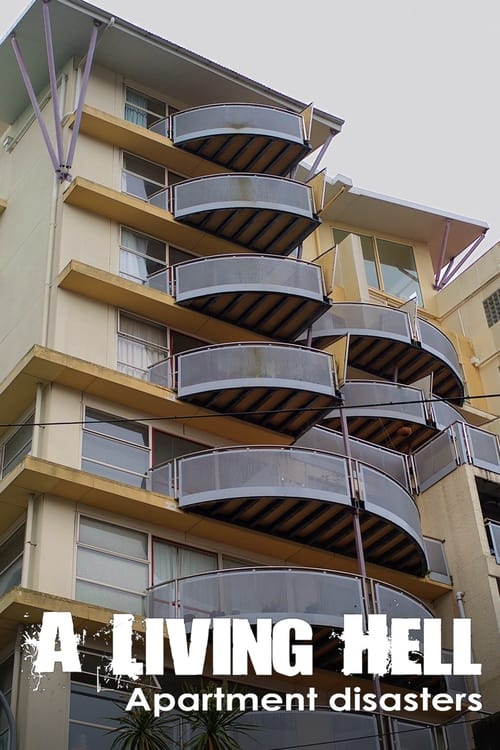
Leaky home experts John Gray and Roger Levie uncover the shocking truth about the dreadful and dangerous state of many apartment buildings in New Zealand. Buildings that look sound turn out to be seriously defective, costing millions to fix, and in the worst cases, only fit to be pulled down. The owners who thought they were making a good step on the property ladder, now find themselves faced with an emotional and financial cost that will affect the rest of their lives. How did this building disaster come about and can it be fixed?
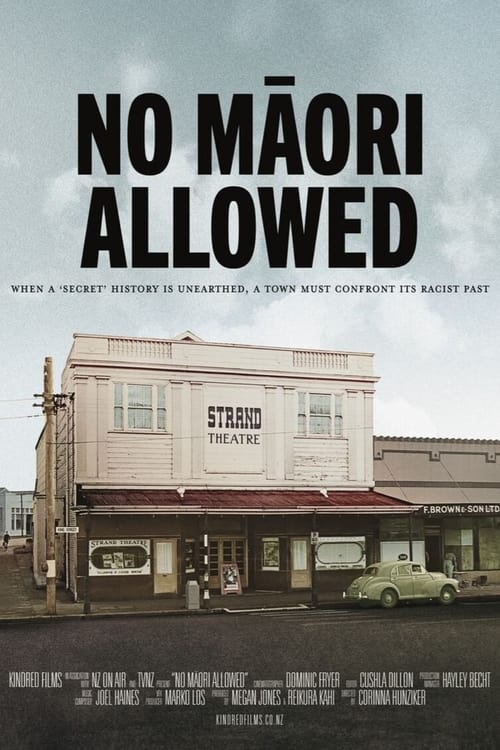
When an academic unearths a forgotten history, residents of the small township of Pukekohe, including kaumātua who have never told their personal stories before, confront its deep and dark racist past.
In the years since New Zealand politicians began to grapple with climate change our greenhouse gas emissions have burgeoned. Alister Barry’s doco draws on TV archives and interviews with key participants to find out why.
Examines the violence and civil disobedience leading up to the hallmark decision in U.S. v. Washington, with particular reference to the Nisqually Indians of Frank's Landing in Washington.
This chronicle of the Christchurch Commonwealth Games marked one of the National Film Unit's most ambitious productions. Though a range of events (including famous runs by John Walker and Dick Tayler), are covered, the film often bypasses the pomp and glory approach; instead it dares to talk to the injured and mention that most competitors lose. The closing ceremonies of the "friendly games" feature the athletes gathering to — as the official song's chorus put it — "join together". Four directors joined together to work on it: Arthur Everard, John King, Paul Maunder and Sam Pillsbury.
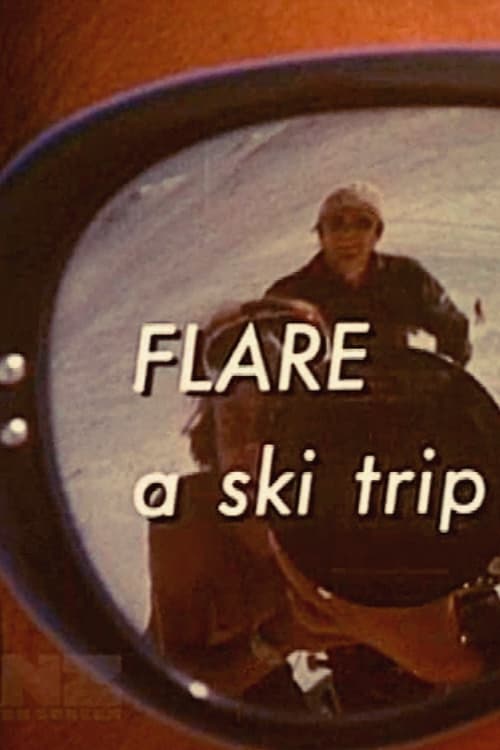
A short documentary about freestyle skiing made for the New Zealand Tourist and Publicity Department.
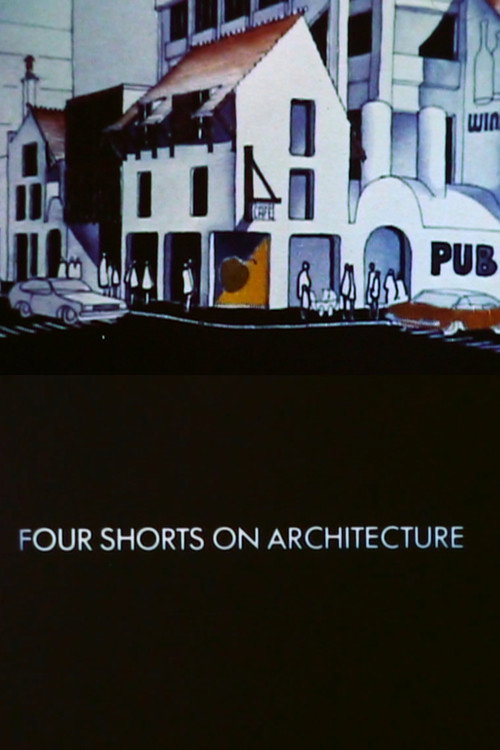
A visual essay on contemporary Kiwi architecture.
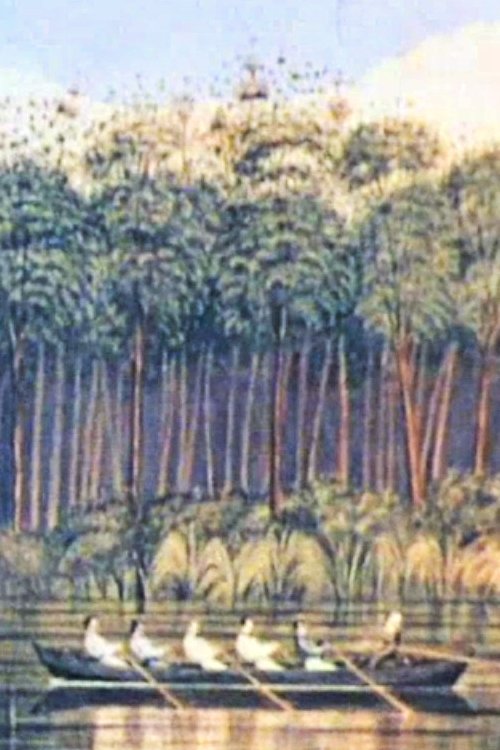
A documentary about the history of settler groups that came to New Zealand from Europe.
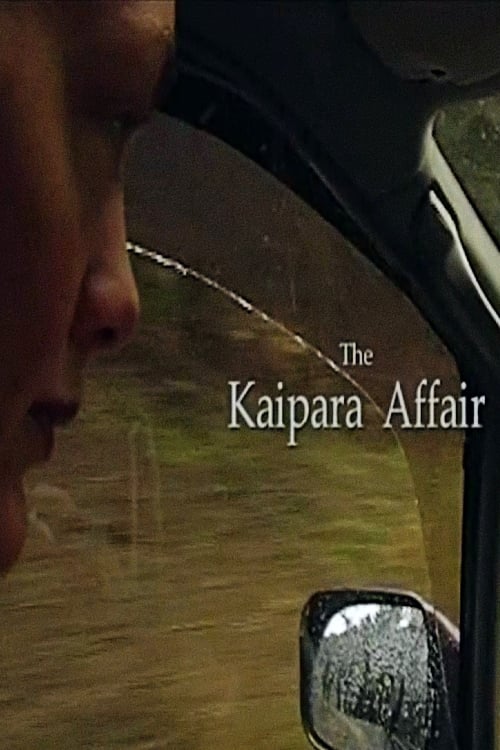
A documentary about the threat posed to New Zealand's Kaipara Harbour by rapacious commercial fishing and development.
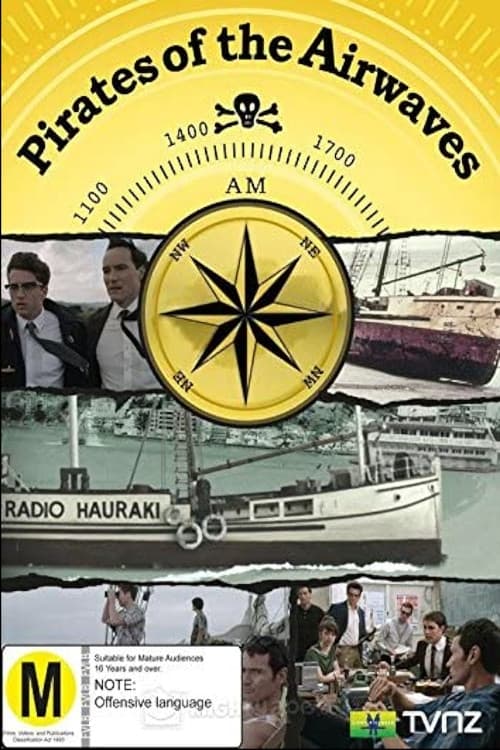
In 1966 a group of determined young men defied the New Zealand government and launched a pirate radio station aboard a ship in the Hauraki Gulf.
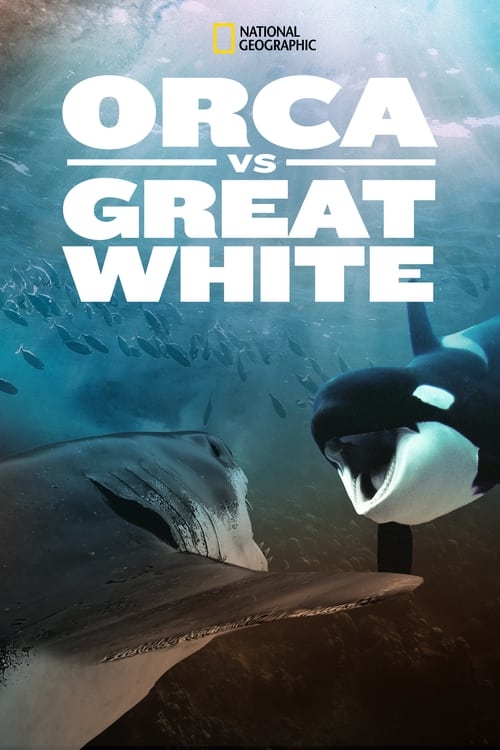
Researchers investigate whether orcas have begun hunting great white sharks off the coast of New Zealand.
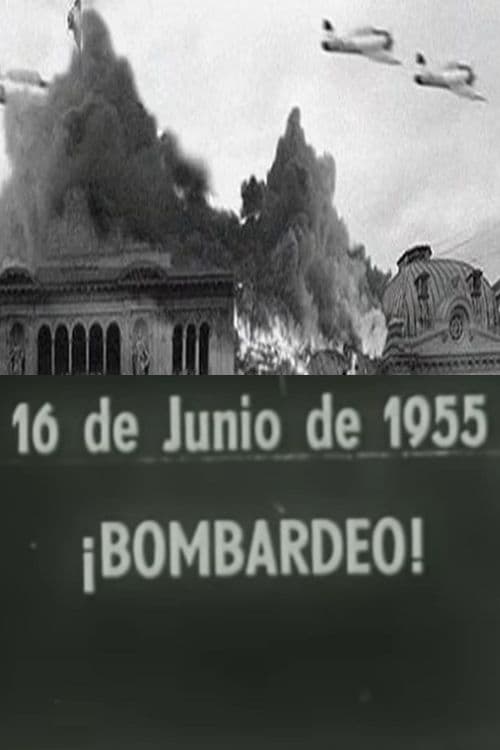
Documentary about the bombing of the Plaza de Mayo in June 16 1955 perpetrated by the Argentine navy with the intention of overthrowing Juan Domingo Perón's government and resulting in many civilian casualties.