Zombies are part of pop culture, but what are they? Where do they come from? To find real zombies we visit Haiti where Zombies are an integral part of the island's cultural and religious roots.
Colm Feore
as (voice)

In the streets of Hanoi, the fiercest battles are fought neither with weapons nor in the shadows, but in broad daylight. Here, gray-haired “street fighters” face off with the intensity of legendary duelists, only to become old friends again moments later, sharing a cup of tea. Balancing fierce competition with unshakable camaraderie, Hanoi Street Fighters reveals a way of life in which every battle is, above all, an excuse to never truly be alone.
A group of eminent experts, including the Marian Fathers, analyze Greek texts of the Holy Scripture, revelations and the dogma of the Immaculate Conception. The result is a new interpretation of passages of the Scripture revealing Mary, the Mother of Christ, and her extraordinary role in the divine plan for the salvation of the world.
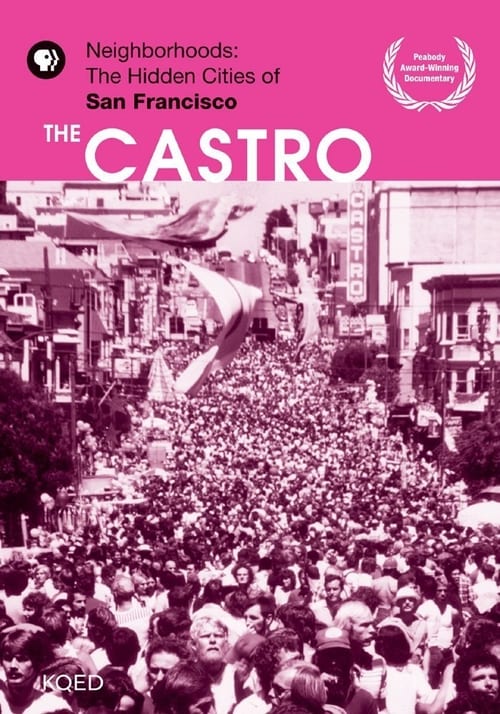
Now known internationally as the world's first "gay hometown," San Francisco's Castro District was a quiet, working-class neighborhood of European immigrants only a few decades ago. In this documentary, the story of the Castro's transformation is told by those who lived it, young and old, straight and gay. It's a tale of social upheaval, exuberant street culture, political assassination, and the inspiring coming-of-age of an entire community an ongoing saga even today.
Questions of race, identity and heritage are explored through the lives of young American women growing up as adoptees from China. These four distinct individuals reflect on their experiences as members of transracial families.
Brief portrait of a conformist.
In America, everyone has a family story of immigration. Every family, at some point, has had somebody leave their native country behind to search for a better life. How did they hold onto their identity? How did they adapt to their new life? Every family has a special story. In my case, it's my Chinese-American story. My father would always tell us his story about walking for 7 days and 6 nights, before swimming for 4 hours to Macau to escape communism in 1966. His story would fall on my deaf ears until I returned to China with him.
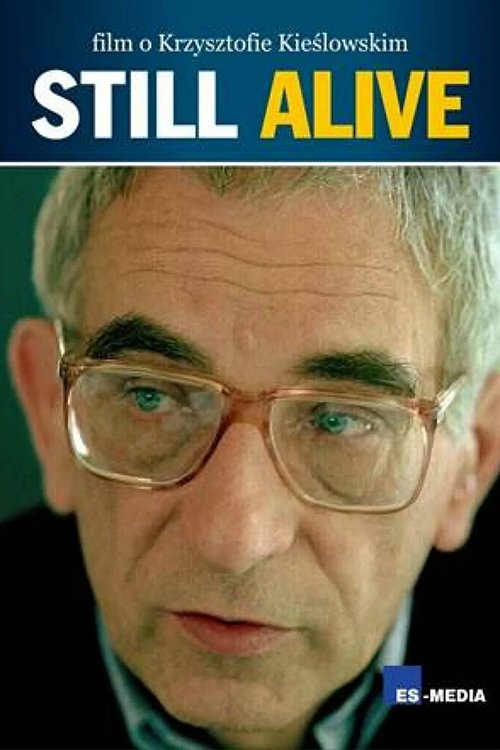
Maria Zmarz-Koczanowicz directed this insightful TV documentary (2005) tracing the Polish filmmaker's career. Former classmates reminisce about Kieslowski's happy beginnings at the Lodz film school and how his dissatisfaction with some of his early documentaries prompted the dramatic work and stylistic experimentation that led to his monumental series of films The Decalogue (1989). Wim Wenders, Agnieszka Holland, and Juliette Binoche are among the many admirers weighing in on his hard-driving work methods and preoccupation with the ephemeral. In Polish, French, and German with subtitles.
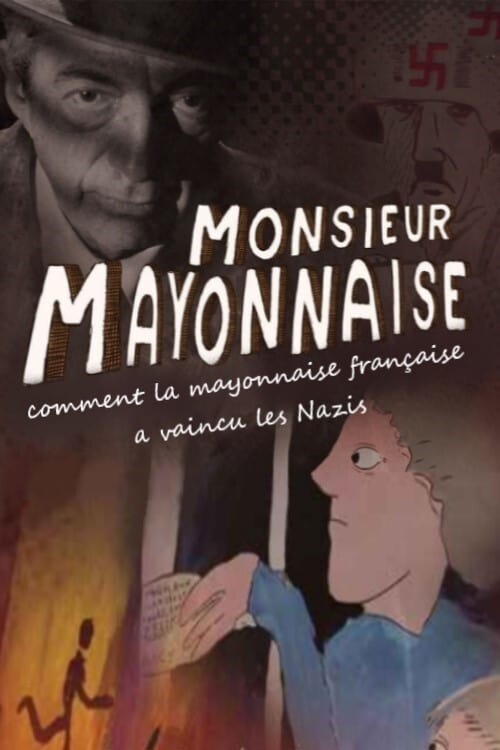
Artist and filmmaker Philippe Mora (Mad Dog Morgan; The Howling II; Swastika) is producing a graphic novel about his late father, Georges, widely known in Melbourne as a beloved contemporary art patron and owner of bohemian eateries Mirka Café, Café Balzac and the Tolarno Restaurant and Galleries. Less known, however, is Georges' astonishing history as part of the French resistance during World War II, his friendship with renowned mime Marcel Marceau (Philippe's godfather), and how together they saved thousands of Jewish lives with a fiendishly simple trick involving baguettes and mayonnaise.
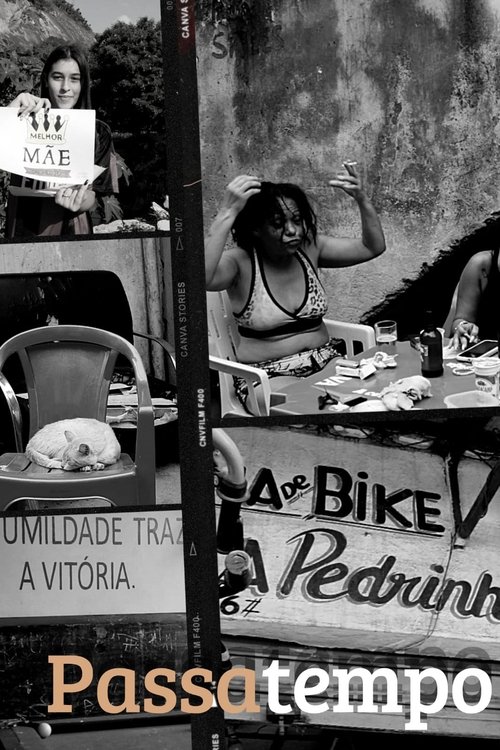
A record of what entertains the residents of Gardênia Azul, a neighborhood in the West Zone of Rio de Janeiro. On street corners, leisure activities in the community also reveal talents.
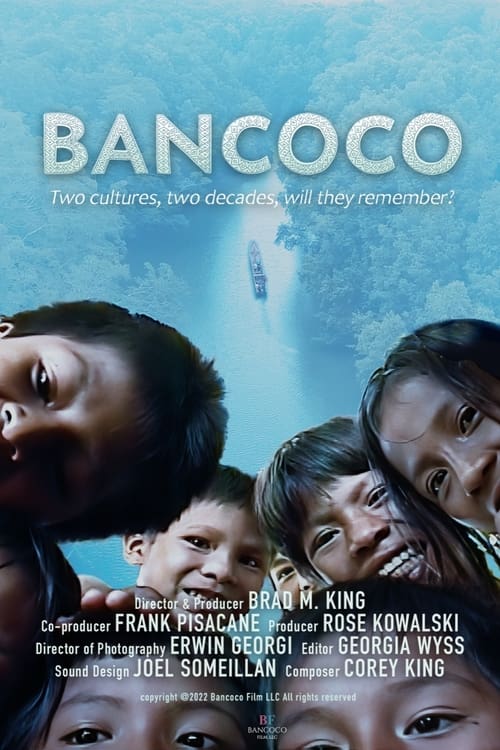
A New Yorker journeys to the jungle in the Darien Gap of Panama to reconnect with an indigenous tribe he met and photographed 20 years ago. Their reunion highlights the profound power of photos and the human connection that transcends cultural barriers.
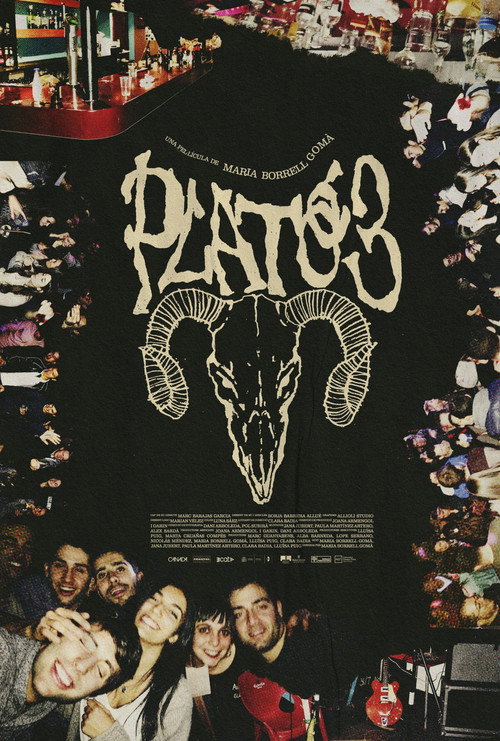
In a corner of a border town in the Lleida plains, there once stood a pub called Plató 3. Years after its closure, a group of young people decides to meet in an old fruit cooperative to rehearse a play about the best nights of their lives. What they do not know is that, in those nights, there were old shadows they must reunite with.
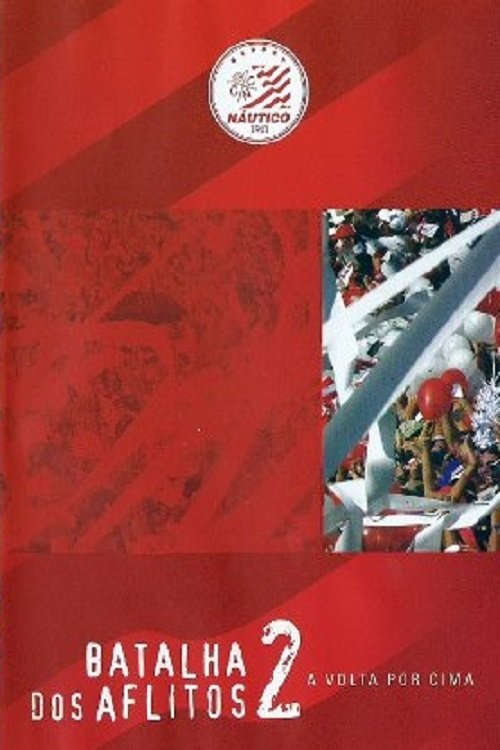
The Clube Naútico Capibaribe film about access right after the tragic battle of the afflicted.
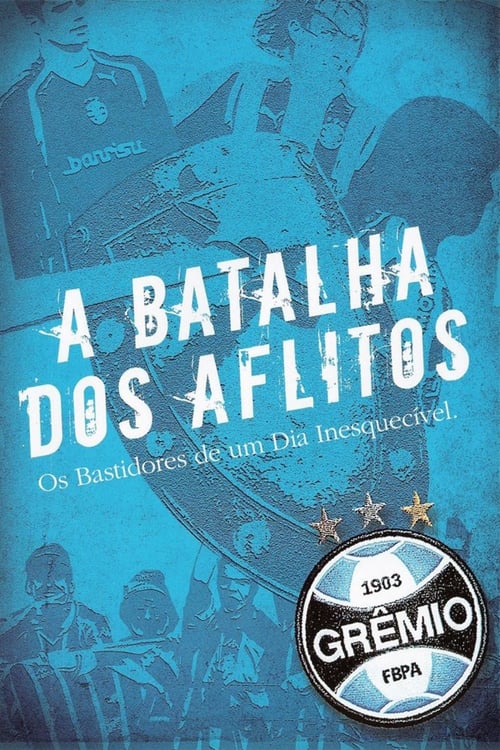
November 26, 2005. The day Grêmio defeated his opponent in enemy territory with seven men on the pitch. Warriors covered with the ever-victorious sacred mantle of three colors. No team in the world has the determination, the spirit of claw and the bravery typical of the gaucho as the Immortal Tricolor. Facing diversities is part of the culture and history of this club that fills the Rio Grande do Sul with pride and joy. Only Grêmio would be able to overcome the difficulties of this battle and make history as Brazilian Champion of Series B. An epic that the tricolor nation will never tire of remembering, reviving and celebrating. The living, real story of who was there. Exciting testimonials and exclusive images will make you, gremista, get emotional once more, as if you were in the Estádio dos Aflitos.