Harraga is an illegal immigrant who do it by land, by air or by sea. With no visa, nor passport. Out of the law (...) Yes, that's the key, outlaw ... but what happens when those harraga are kids?
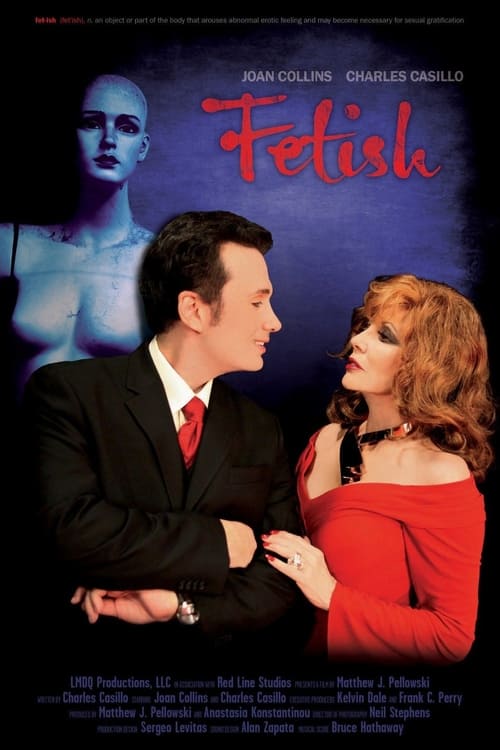
The story revolves around an iconic actress on the skids, making a play for a comeback with a late night talk show host.
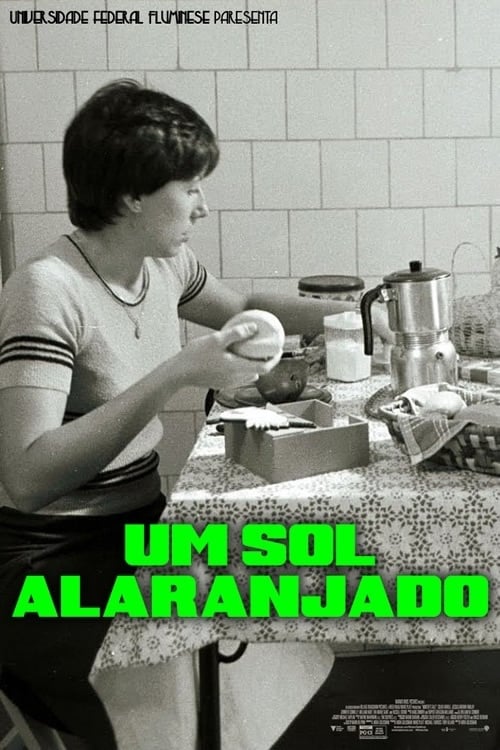
This short follows four days in the life of a father and daughter.
Filmed in 1896 by Alexandre Promio for the Lumière company, this short actuality presents one of the earliest traveling shots in cinema. With the camera mounted on a gondola, the film glides along Venice’s Grand Canal, capturing passing gondolas, bustling waterfront activity, and the city’s iconic architecture from a moving perspective. This simple yet groundbreaking technique introduced audiences to a new way of experiencing motion on screen.
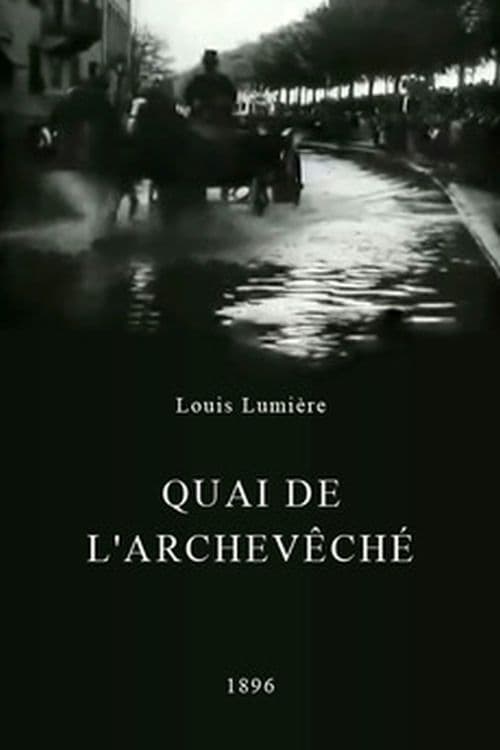
The floods of the Saône river during the first week of November, 1896.
Considered a remake of Lumière's La Voltige from 1895.
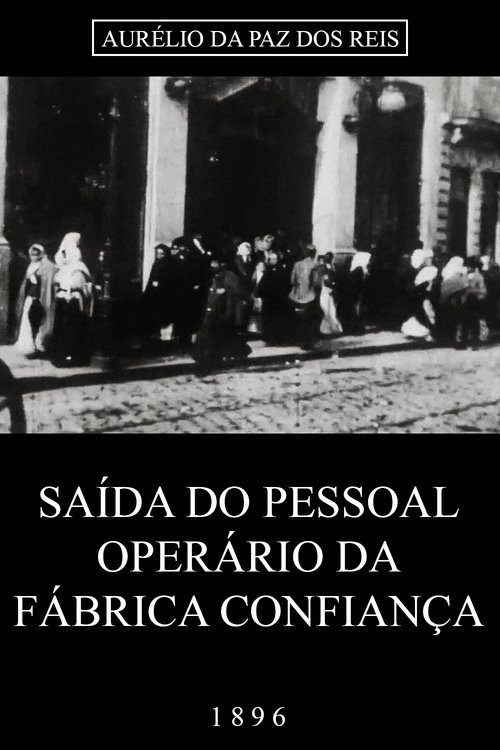
A large number of workers, mostly young women, leave by the front door of their work place at lunch time. The building has an impressive colonnaded facade, and is located at 181, Santa Catarine St., Porto - one of the city's main streets. A passengers' horse cart crosses from right to left of the screen, and a few seconds after an ox cart carrying merchandise crosses in the opposite direction. All the while, workers keep leaving the factory, giving a sense of a large work force.
A Berlin street scene.
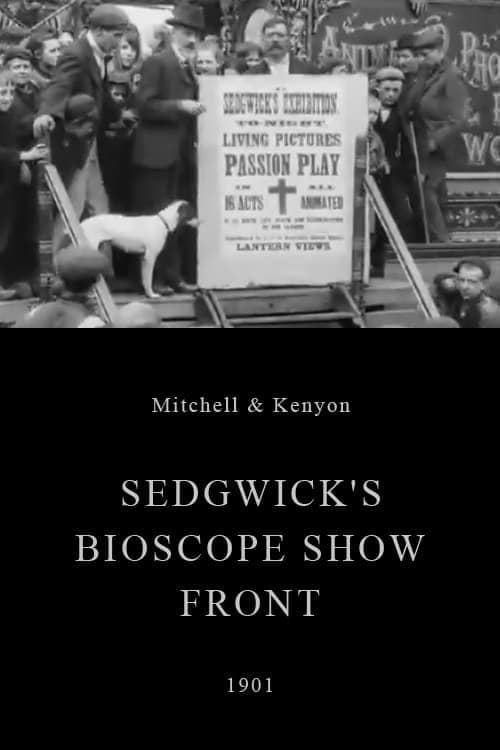
Outside a fairground cinematograph in Edwardian Lancashire.
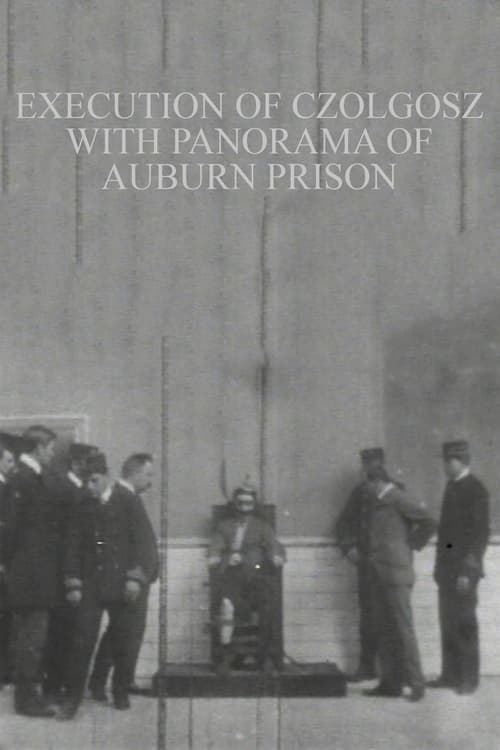
This early docudrama shows Auburn Prison and recreates the electrocution of Leon Czolgosz, the assassin of President McKinley of the United States.
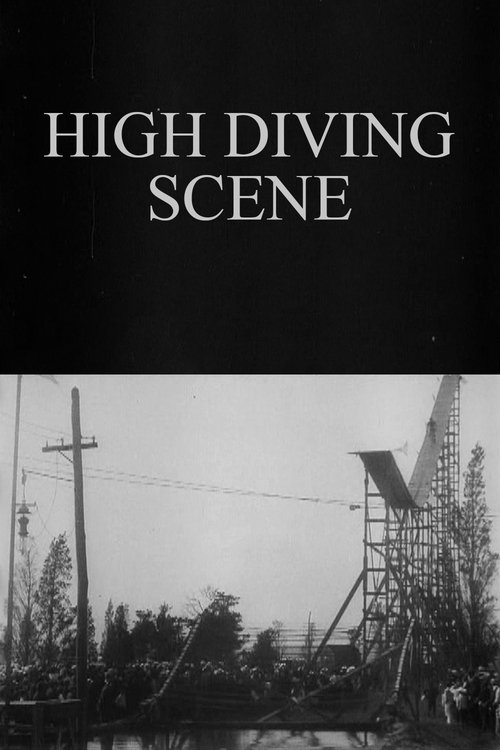
A daredevil rides his bicycle down a ramp and attempts to land in a pool of water as a crowd of spectators watches.
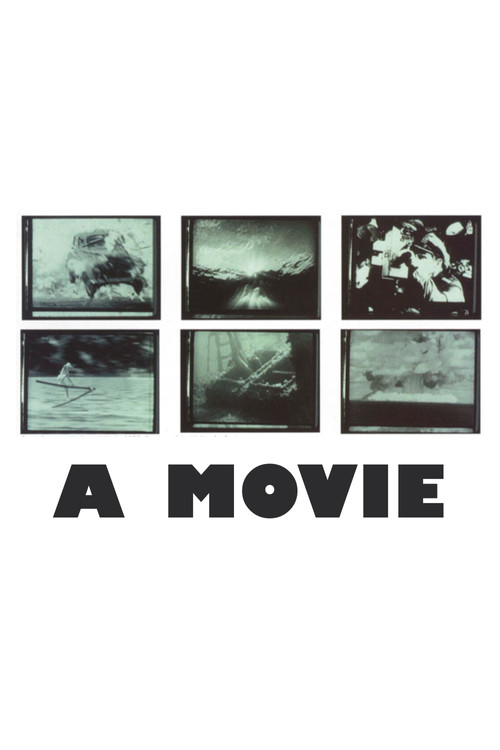
Bruce Conner's landmark experimental film consisting entirely of found footage edited to a new score.
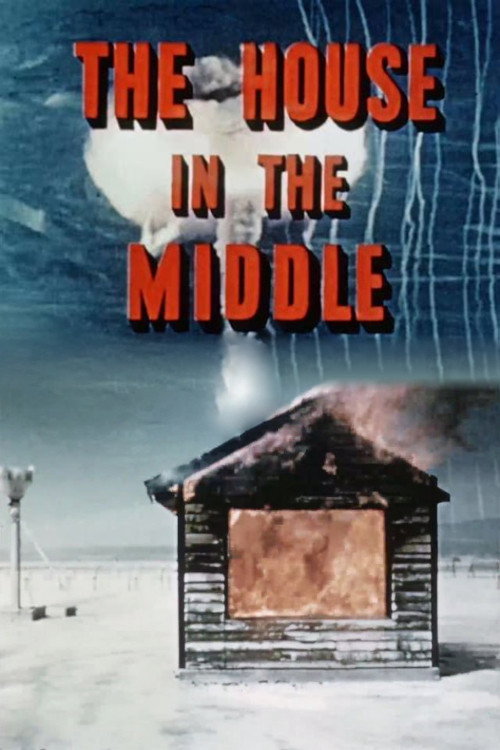
Short film that emphasizes the importance of keeping a tidy home when facing an atomic bomb.