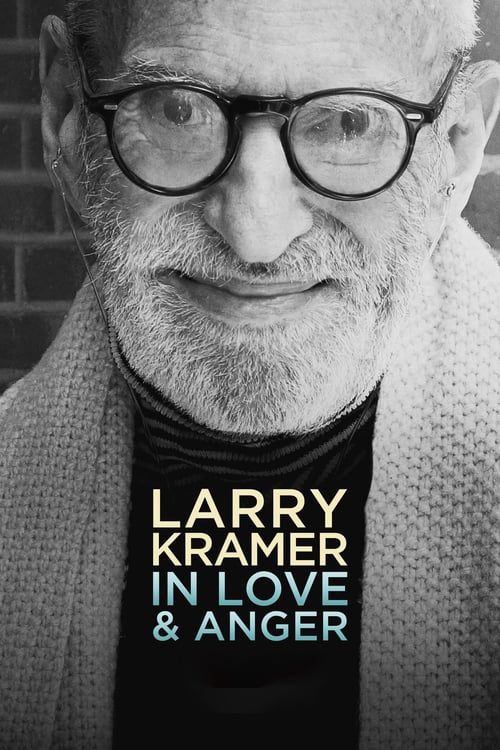
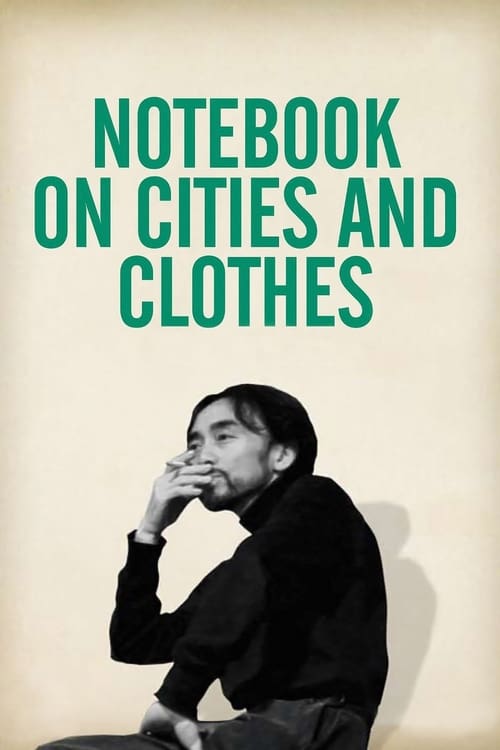
Stiff Sheets indicts public health officials and politicians for the lack of adequate and humane care for people with AIDS in Los Angeles, this time documenting a mock fashion show staged by ACT UP activists.
"Panic Bodies is a 70-minute, six-part exploration of the ways we experience the body's betrayals: disease, decline and death. The film is a panorama of emotionally charged recollections of strange relatives and estranged siblings, staged recreations of fast-fading pasts and personal mythologies, and reflections on the anxious states created by the body's fragile claims on time and space. It's about being a stranger in your own skin. Panic Bodies perfects the phantom quality of any good work about mourning, but it is not reducible to that. It is also enlivened by the intimacy that comes from having made a spectacle of personal secrets." (Kathleen Pirrie Adams, Xtra)
The year 2024 marks the 50th anniversary of Paris Fashion Week. To mark the occasion, Loïc Prigent looks back on half a century of fashion design and evolution in Paris. The 1970s, with the arrival of a new generation such as Kenzo and Sonia Rykiel, changed the game by simplifying and democratizing collections. The 1980s saw the emergence of personalities with a great appetite for spectacle: Jean Paul Gaultier, Christian Lacroix, Thierry Mugler, and Karl Lagerfeld.
Seizing her power as she confronts her mortality, trailblazing trans activist Connie Norman evolves as an irrepressible, challenging and soulful voice for the AIDS and queer communities of early 90's Los Angeles.
As a result of the Holocaust and later, AIDS, the male homosexual community has sustained bitter losses and, according to Praunheim, lesbian women have now placed themselves at the head of the so-called queer movement. The female protagonists in the film represent two different generations; they also incorporate the past and present status of homosexuals in society.
Narrated by Linda Hunt, this documentary examines the life of the late author and gay rights activist Paul Monette. Born in 1945 to a well-off Massachusetts family, Monette grows up unable to accept his homosexuality, for years hiding it from his loved ones while struggling to develop as a writer. In 1978, Monette publishes his first novel, which allows him to come out to his parents. After losing one lover to AIDS in 1986, he becomes a ferocious advocate for awareness of the disease.
Gabriel Drolet-Maguire, a designer living in Montreal, takes us into their artistic world to discuss their HIV diagnosis. This is a timely and hopeful look at past and present day HIV/AIDS activism in Quebec.
The first (native) First Nations girl to come forward as HIV-positive in the early 90's. The film chronicles her travels across Canada delivering heart-felt messages and warnings to young people in aboriginal communities.
Sex Positive explores the life of Richard Berkowitz, a revolutionary gay S&M hustler turned AIDS activist in the 1980s, whose incomparable contribution to the invention of safe sex has never been aptly credited. Mr. Berkowitz emerged from the epicenter of the epidemic demanding a solution to the problem before the outside world would take heed. Now destitute and alone, Mr. Berkowitz tells his story to a world who never wanted to listen.
Different experts make a stand against today's putatively criminal and harmful health system, focusing on Anthony Fauci and his role in the shaping of the AIDS and COVID-19 epidemics.
With his soaring falsetto and magnetic yet understated stage presence, Jimmy Somerville burst onto the 1980s new wave scene, making the world dance to songs rooted in struggle and resilience. From the harsh realities of Glasgow’s working-class neighborhoods to the challenges of growing up gay in a hostile world, and the devastating impact of the AIDS crisis, Somerville transformed pain into anthems of freedom. First with Bronski Beat, then The Communards, and later as a solo artist, he became both rebel and diva—the unmistakable voice of a generation fighting for equality. Through intimate stories from those who have stood by him for four decades, this portrait reveals a rare artist who has never wavered in his convictions.
A recording of a play about the intangible impacts AIDS has on a community. This is a moving, beautifully photographed combination of theater and documentary that captures the incredible excitement of live theater and intensifies the power of the play's message.
Documents 18 months in the lives of three crack addicts in Lowell, Massachusetts.
In Córdoba, far from the Argentine capital, the end of a military regime promises a spring that is all too brief. “La Delpi” is the only survivor of a group of friends who are transgender women and drag-queens, who began to die of aids in the late 80s. In a Catholic and conservative city, the Grupo Kalas made their weapons and trenches out of improvised dresses and lip-syncing. Today the images of unique and unknown footage are not only a farewell letter, but a manifesto to friendship.
The story behind the Uganda-based YouTube dance sensations who have endured devastating personal loss from famine and war, and use the power of dance and song to overcome hardship.
Alvin Ailey was a visionary artist who found salvation through dance. Told in his own words and through the creation of a dance inspired by his life, this immersive portrait follows a man who, when confronted by a world that refused to embrace him, determined to build one that would.
Freedom Uncut chronicles the tumultuous — yet creatively fruitful — period of George Michael’s life and career following the release of his 1987 solo debut, Faith, then through the creation and release of his 1990 follow-up Listen Without Prejudice, Vol. 1. Along with documenting his creative efforts during this period, the doc will also explore his relationship with Anselmo Feleppa — who died from AIDS-related complications — as well as the death of Michael’s mother.
M2M's first original long-form documentary, Battle at Versailles, follows an event in 1973 at Palace of Versailles where top French designers such as Yves Saint Laurent and Pierre Cardin faced of against American newcomers Oscar de la Renta, Bill Blass, Anne Klein and Halston. That pitted France’s best designers against the best America had to offer. It was the first time the fashion world's gaze was fixated on American design.