The story of Kenyan athlete David Rudisha, the greatest 800m runner the world has ever seen, and his unusual coach, the Irish Catholic missionary Brother Colm O'Connell.
This excellent feature-length documentary - the story of the imperialist colonization of Africa - is a film about death. Its most shocking sequences derive from the captured French film archives in Algeria containing - unbelievably - masses of French-shot documentary footage of their tortures, massacres and executions of Algerians. The real death of children, passers-by, resistance fighters, one after the other, becomes unbearable. Rather than be blatant propaganda, the film convinces entirely by its visual evidence, constituting an object lesson for revolutionary cinema.
Shot with stunning elegance and clarity, NAKED SPACES explores the rhythm and ritual of life in the rural environments of six West African countries (Mauritania, Mali, Burkino Faso, Togo, Benin and Senegal). The nonlinear structure of NAKED SPACES challenges the traditions of ethnographic filmmaking, while sensuous sights and sounds lead the viewer on a poetic journey to the most inaccessible parts of the African continent: the private interaction of people in their living spaces.
Across Africa, people are using soccer to lift themselves up, to create change in their communities and to pave the way for progress. "The Beautiful Game" follows several unforgettable Africans who are beating the odds on and off the pitch.
Nature documentary about a young wildebeest in the wilderness of Africa. The gnu calf strays from the herd and comes upon a lioness that kidnaps it. Instinctively, it treats the lion like its mother. And miraculously enough, the lioness does not see the calf as its prey. Like a true Survivor, the calf manages to escape from the lion's den and find its way back to its real mother.
A documentary detailing an indiscriminate terrorist attack that left 71 dead in Kenya.
This delightful Animal Planet series follows young animals facing special challenges. Zookeepers, veterinarians and other animal specialists explain their role in helping to get the youngsters off to a good start. This collection's four episodes feature the first year in the life of baby elephant Maximus; a trio of zebras at a sanctuary; an orphaned giraffe named Kulula who joins a new herd; and the truth about the much-maligned hyena.
Born in Indonesia to Victor Raoul Baron von Lawick and Isabella Sophia Baroness van Ittersum, he developed an early love for animals. He determined that film would be his medium to capture the stunning images of the Serengeti for all animal lovers. Animal researcher Jane Goodall was his wife and collaborator for many years. They wrote and produced many films together. Hugo van Lawick lived and worked on the African plains for more than thirty years. Join van Lawick on his many small and large adventures through the Serengeti, where animals play the leading role. Van Lawick received eight Emmys and numerous other awards for his extraordinary films.
The film documents modern slave trade through a number of African countries, under dictatorship rule. The filming was conducted both in public places, and sometimes with the use of hidden cameras, for high impact scenes of nudity, sex, and violence - and a few surprises, as slaves made out of peregrins to Asia, and slave traders paid in traveller checks.
This documentary provides a window into the extraordinary life of activist and Nobel Laureate Wangari Maathai, a Kenyan woman who has worked to regain ownership of her country and its fate after years of colonialism. While gentle and thoughtful, Maathai carries a powerful message: the First World holds much of the responsibility for the environmental, economic and social struggles of the developing world.
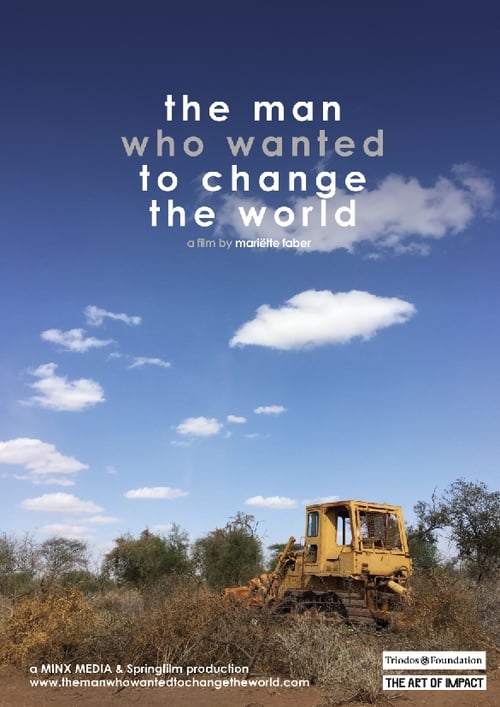
As a child in Burkina Faso, Yacouba was sent away from home to study the Qur'an, where he and his classmates were almost starving. The young boys would trek across miles of wilderness, only to fall and beg at a straw hut for meagre rations. It is from this harsh background that the young farmer became determined to develop techniques that would bring exhausted soil back into production. His efforts have outdone the work of the world's leading scientists and technological advances costing millions of pounds. They may also yet prove crucial to the future of the world's rapidly growing population and global food demands.