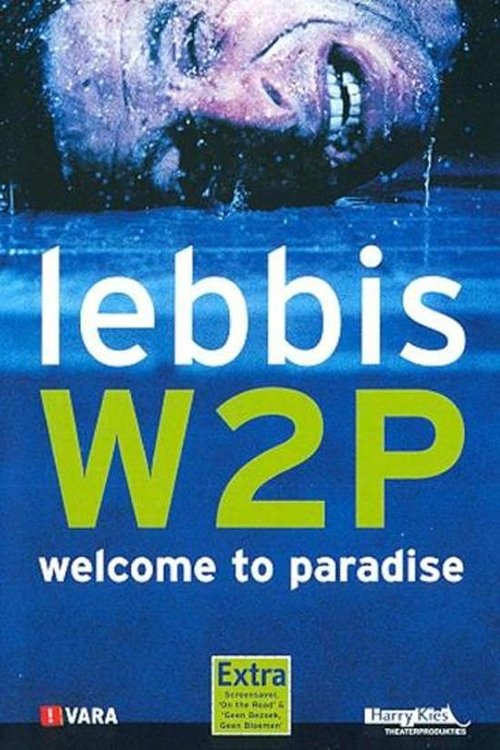
In his eighth show the Dutch comedian Hans Sibbel aka Lebbis looks for the interest that people have in their clarity and truth, and then kicks dents in it. Show recorded in the open air in the summer of 2013.
Hans Sibbel
as Lebbis
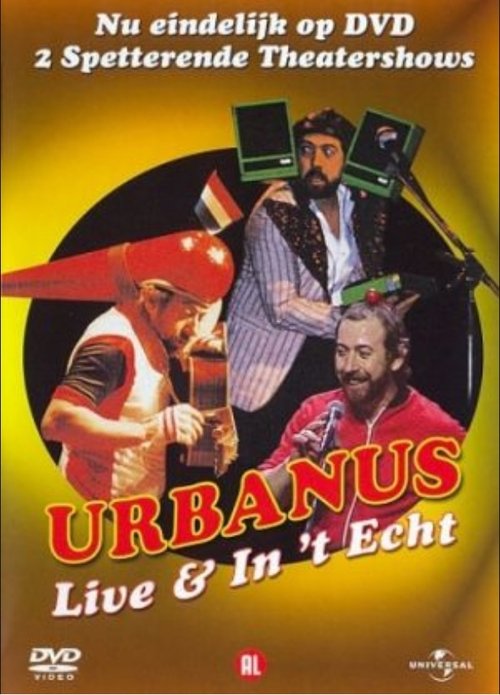
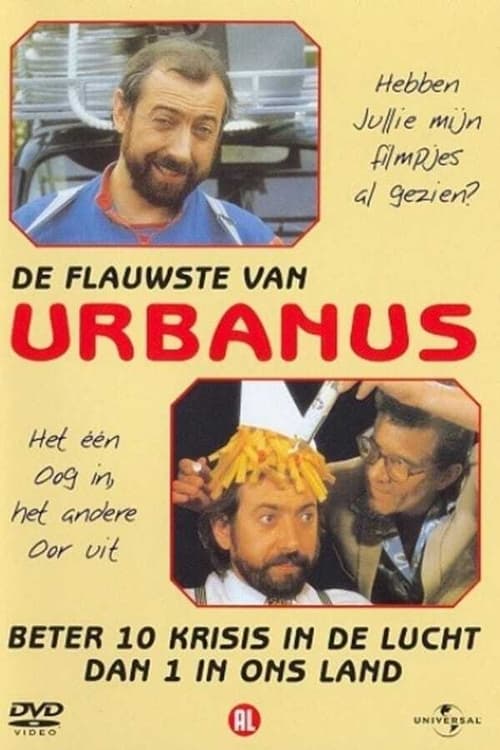
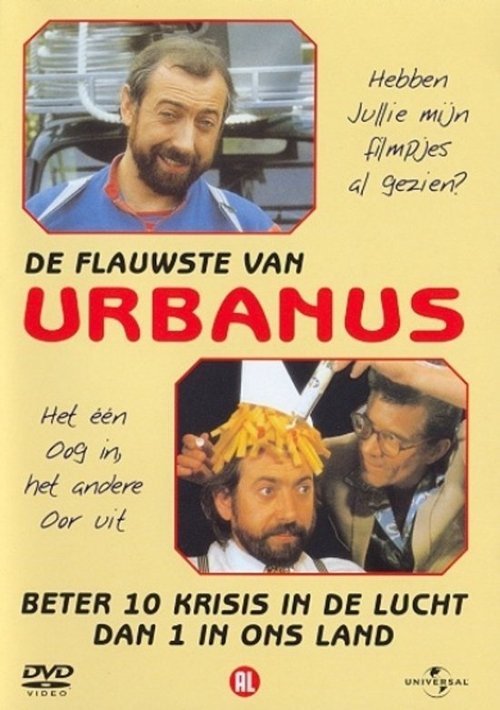
LIVE; THEATERSEIZOEN '82/'84: 'Urbanus Live' werd in opdracht van Urbanus Nederland opgenomen tijdens twee uitverkochte voorstellingen in de Agnietenhof van Tiel op 4 en 5 februari 1983. Deze opnamen werden samengevat voor televisie en uitgezonden door de Vara in 1983 en in 1984. Dit is de volledige, ongeknipte versie van deze twee succesvolle uitzendingen via Vara en tevens een aardige weergave van het theaterseizoen 1982-1983 in Nederland en 1983-1984 in België. IN 'T ECHT: Deze theatershow van Urbanus was een ware triomf in de Belgische- en Nederlandse theaters, waarbij records sneuvelden wat bezoekersaantallen betreft. In Nederland werden ruim 200 voorstellingen gegeven, waarvan drie shows in Carré in Amsterdam. Geen enkele buitenlandse artiest deed hem dit na. In Vlaanderen was het niet anders. In alle grote theaters vonden meer dan twee voorstellingen plaats en Antwerpen leverde een record op van meer dan 15.000 bezoekers.
The bigger the audiences for Dutch comedian Micha Wertheim’s shows became, the less he had to do to make them laugh. In one early show, he suggested that the audience would be better off without him. So in 2016, he acted upon this suggestion with an experiment that made theater history: he wasn't physically present onstage but somewhere else. The audience wasn't aware of this in advance, though they did get a hint in the form of a pre-recorded "live" radio interview from a remote studio. "I see my audience as my children," Wertheim says in this interview. "You have to educate them, and that’s what I’ve been doing for the past 15 years. At first you have to constantly be there watching them, but there comes a time when you have to trust them to get on with it without you." With some help from a robot, a printer, a stereo and a set of headphones, the members of his audience were able to make their own performance.
Registration of the fourth theatre program by the Dutch comedian Pieter Derks.
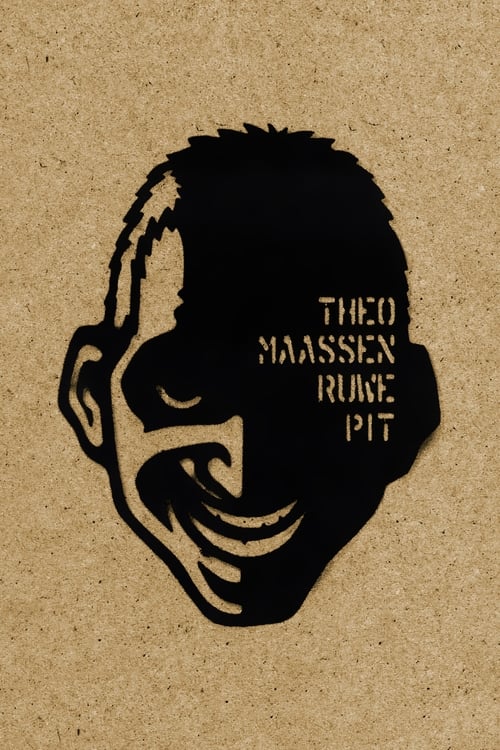
Maassen won two of the biggest comedy contests in the Netherlands in 1990, the Groninger Studenten Cabaret Festival(GSCF), and Cameretten. The GSCF jury was not pleased with the quality of the contestants that year, and gave Maassen the first prize, remarking he was the best of the year, but still not very good. In the following years, however, Maassen fame grew steadily, especially amongst students. Maassens style was based on stand-up comedy: Alone on stage, telling jokes and stories to amuse the public, without any musical support (a thing common for most Dutch comedians up to that point). Since 2000, Maassens shows are shown on Dutch national television, making him more and more a household name.
In his first comedy special the Flemish comedian Pieter Verelst tells a bizarre story about his childhood, which he spent with his brother (existing or not) in a boring village in Flanders. Together they tackle this dullness and use it as a source of inspiration for a strange creativity.
Stage registration of the comedy special from 2018 by the Dutch comedian Patrick Nederkoorn. Nederkoorn tells about his political career. What inspired him to become a councilor one day. What abject views has he defended? What empty words did he utter? How can you lose yourself in something you believe in so much and then find yourself again?
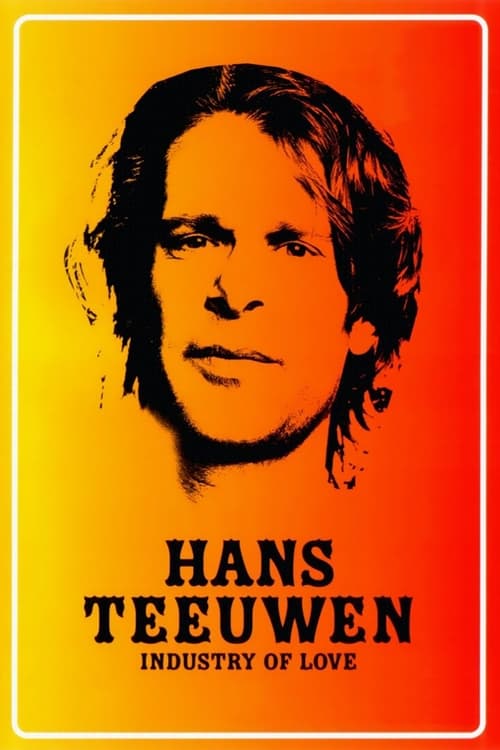
Teeuwens fifth stand-up show is about love. Small, large, hidden, the physical, the famous and the improper love. Hans Teeuwen unravels that love into forms that you do not recognize, but can very surely sense.
Maassen won two of the biggest comedy contests in the Netherlands in 1990, the Groninger Studenten Cabaret Festival(GSCF), and Cameretten. The GSCF jury was not pleased with the quality of the contestants that year, and gave Maassen the first prize, remarking he was the best of the year, but still not very good. In the following years, however, Maassen fame grew steadily, especially amongst students. Maassens style was based on stand-up comedy: Alone on stage, telling jokes and stories to amuse the public, without any musical support (a thing common for most Dutch comedians up to that point).
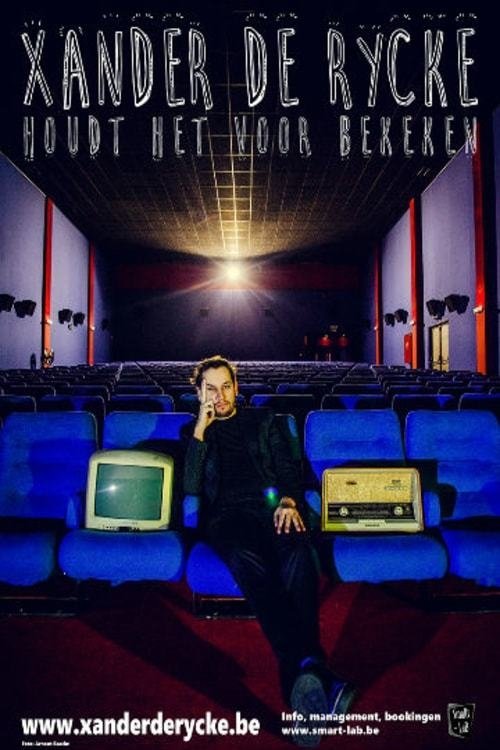
Xander De Rycke has had enough. Comedian Xander De Rycke has a new project. The creator of the popular podcast "Mosselen om half twee" (Mussels at half past one) is releasing a special about his secret love: the Flemish media landscape. Over the past year, De Rycke has watched just about every Flemish film and TV program.
Registration of the fourth solo program by the Dutch comedian Hans Sibbel, in which the comedian takes a look at the evolution.