A look at Alain Robert, dubbed the Human Spider, who scales some of the world's tallest buildings without the aid of ropes or safety equipment, despite suffering with epilepsy.
Alain Robert
as Self
John Simm
as Narrator
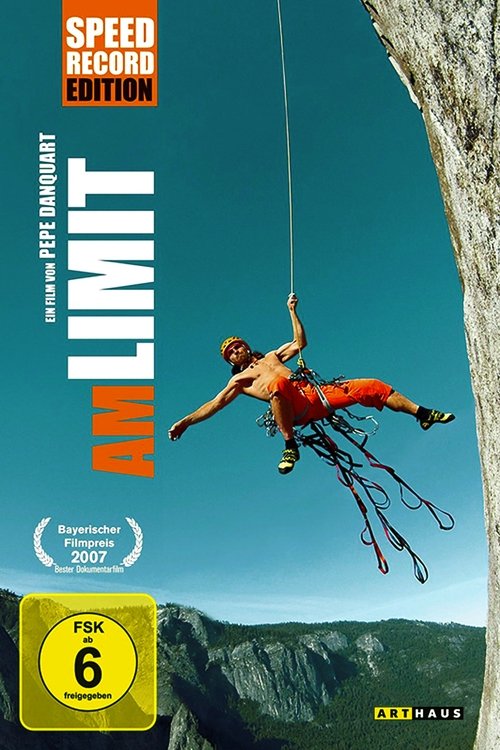
At the Limit is a documentary about extreme climbing. In this sports documentary, Pepe Danquart shows brothers Thomas and Alexander Huber climbing in Patagonia and on the granite rock "El Capitan" in Yosemite Valley (USA). A key part of the film is their attempt at a speed ascent of the 1,000-meter-high route "The Nose," in which the two athletes aim to break the then speed record of 2:48:30 hours, set by Hans Florine and Yuji Hirayama in September 2002.
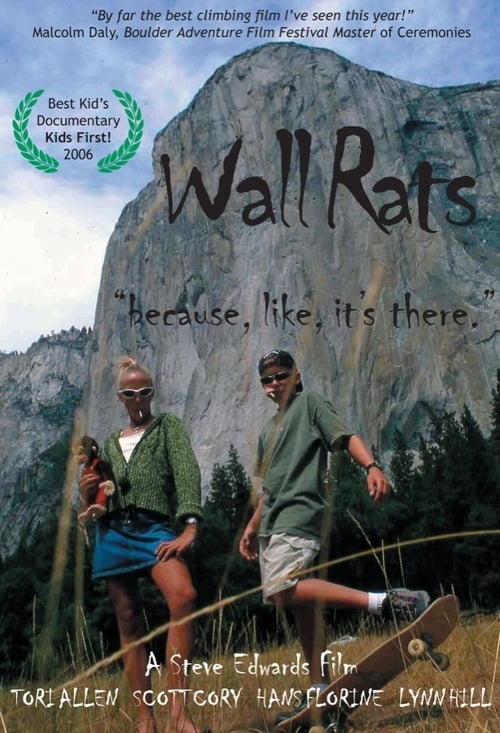
Two teenagers try and become the youngest people to conquer El Capitan's 3,000' face. Teenage sport climbers Tori Allen and Scott Cory attempt to become the youngest people to climb Yosemite's El Capitan. However, they've never been more than 100' off the ground. How they'll respond to a multi-day adventure up a 3,000 foot wall is anybody's guess. With very little planning, they embark on a 5-day adventure into history.
Self Rescue for Climbers DVD is a comprehensive guide to problem solving in climbing situations, it is aimed at the problems recreational climbers may encounter whether climbing on multi-pitch sea cliffs, mountain routes or road-side crags. Chapters include: good belay practice simple hoists escaping the system abseil safety prusiking and equipment testing also included is a staged Holyhead cliff rescue and a DMM factory visit - the DVD was filmed on location in Malham, Gogarth, Tremadog and the Llanberis Pass.
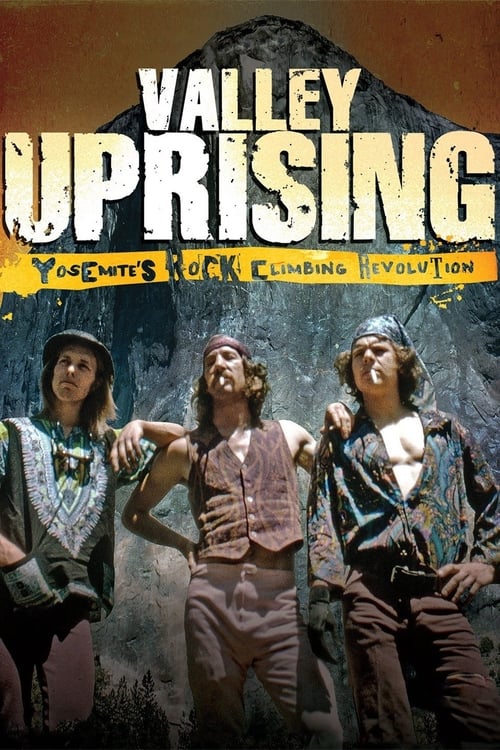
In the shady campgrounds of Yosemite valley, climbers carved out a counterculture lifestyle of dumpster-diving and wild parties that clashed with the conservative values of the National Park Service. And up on the walls, generation after generation has pushed the limits of climbing, vying amongst each other for supremacy on Yosemite's cliffs. "Valley Uprising" is the riveting, unforgettable tale of this bold rock climbing tradition in Yosemite National Park: half a century of struggle against the laws of gravity -- and the laws of the land.
Documentary on one of the first editions of the Trofeo Mezzalama, the highest ski mountaineering race in Europe, at more than 4,200 meters above sea level, which takes place on the glaciers of Monte Rosa, from Breuil to Gressoney-La-Trinité, crossing the summits of Castor (4,199 meters) and Nez du Liskamm (4,100 meters). The film recounts the last hours of feverish preparation before the start, the teams preparing for the race linked in ropes, then follows the stages of the competition by following the groups of skiers from a plane. Created in 1933, the Trofeo Mezzalama was contested until 1938, before falling into oblivion during the war. A second version was organized from 1970 to 1973. A third biannual version has been organized since 1997.
7 young filmmakers climbed the 7 highest mountains in Indonesia and bring 7 cameras along with them. Experiencing a lot of emotions, meeting new people during the exploration across places, every piece of story show how big, rich, dynamic, and vary.
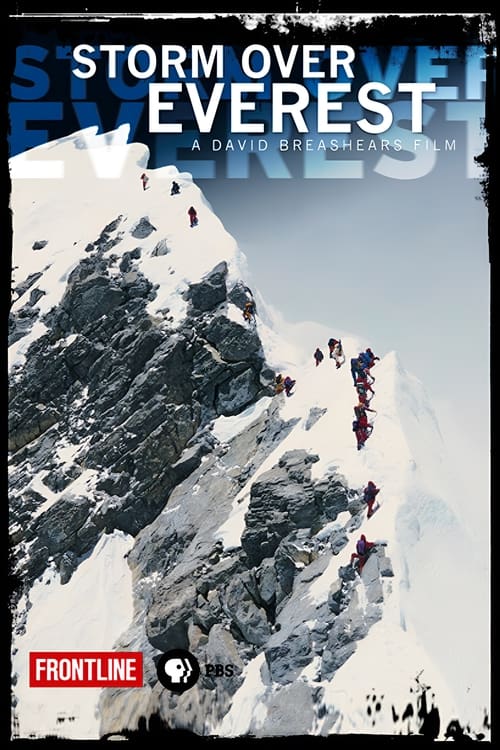
As darkness fell on May 10, 1996, a fast moving storm of unimaginable ferocity trapped three climbing teams high on the slopes of Mount Everest. The climbers, exhausted from their summit climb, were soon lost in darkness, in a fierce blizzard, far from the safety of High Camp at 26,000 feet. World-renowned climber and filmmaker David Breashears, who aided the rescue efforts back in 1996, now returns to Everest to tell the fuller story of what really happened on that legendary climb. Through remarkably intimate interviews with the climbers and Sherpas many who have never spoken before on American television Breashears sheds new light on the worst climbing tragedy in Mount Everest s history.
Sports enthusiast Ernest is to cover 6,000 kilometers on his motorcycle in 15 days, crossing Austria, Italy, Switzerland, the Balkans and Czechoslovakia.
A team of intrepid adventurers attempt to scale one of Australia’s most dangerous climbing routes, Blade Ridge on Federation Peak. They are tested to their wits end by a combination of the Southwest Wilderness and the wettest winter ever recorded in Tasmania.
Une Vie Au Dessus Du Vide (A Life Above the Void), directed by Nicolas de Virieu, is a documentary that recounts the journey of Patrick Edlinger, an exceptional climber, through a parallel between the strong media impact he had, unmatched to this day, and the evolution, or rather the explosion, of climbing activity during the 80s/90s. Rare excerpts from mainstream programs (television news, Champs-Élysées, Le Grand Échiquier, Les Carnets de l'Aventure...) also remind us what a great star he was, all interspersed with interviews with Seb Bouin, Jean-Paul Lemercier, Arnaud Petit, Antoine Le Menestrel and Gérard Kosicki.
In 1966, John Harlin II died while attempting Europe's most difficult climb, the North Face of the Eiger in Switzerland. 40 years later, his son John Harlin III, an expert mountaineer and the editor of the American Alpine Journal, returns to attempt the same climb.
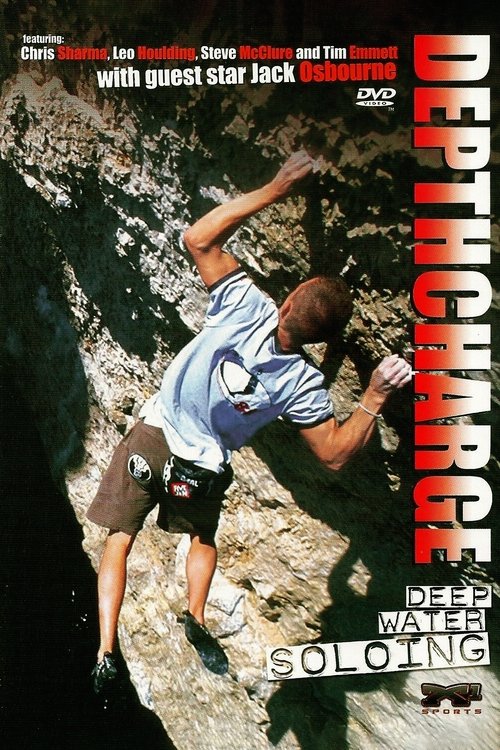
In 2004 X1 Sports took a band of intrepid climbers to Croatia . Their mission was to find some of the best and unknown rock in the Europe ; the reason, well to see if they could Deep Water Solo off it of course. With some of the best climbers in the world, Chris Sharma, Steve McClure, Leo Holding, Depth Charge charts their progress and antics as they look to challenge their limits each and every day. Depth Charge is an on the wall documentary of their every move and allows the viewer to see exactly what makes a climber tick.
For decades, an elite handful of climbers have competed for the coveted speed record on the 3,000-foot Nose of El Capitan, risking big falls to shave mere seconds off the fastest time. When a record held by superstar Alex Honnold is broken by little-known climbers Brad Gobright and Jim Reynolds, Honnold drafts fellow climbing legend Tommy Caldwell to establish a new mark that will stand the test of time. Honnold pushes for perfection while Caldwell, a family man, wrestles with the risk amid a series of accidents on the wall that lay bare the consequences of any mistake.
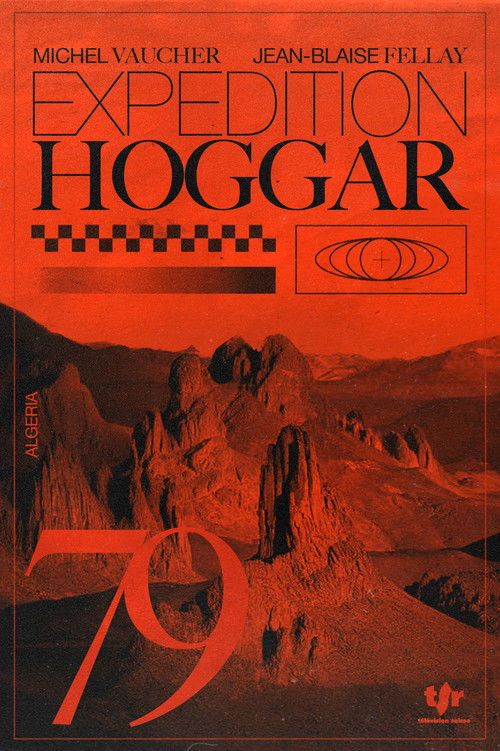
TSR documentary on the 1979 expedition to Algeria in the Atakor massif (Hoggar desert), organized by Geneva mountaineer Michel Vaucher and Jean-Blaise Fellay. The climbers make a dozen ascents including the famous summit of Adaouda (which means "finger" in Tamasheq, the Tuareg dialect), by several routes. Then a new route on the peaks of the southern Tezoulegs. They discover the volcanic geological characteristics of the Atakor massif and meet the nomadic inhabitants of the region, the Tuaregs, who are increasingly settling in the town of Tamanrasset.
Bastien Lardat and Jordi Noguere, two rope brothers, invite us to pay tribute to the pioneers of modern Pyrenees, through a new kind of sporting journey. Pierre and Jean Ravier opened the way several decades ago, drawing on the Pyrenean reliefs one of the most beautiful pages of amateur climbing excellence. In three days, climbing and connecting 3 legendary north faces by Ravier on foot is the crazy challenge that Bastien and Jordi have set themselves. 3 days, 3 routes, 85 km of pedestrian connection, to arrive at the end of the north face of the Tour de Marboré in Gavarnie, the Dièdre Jaune du Vignemale and the Embarradère du Pic du Midi d'Ossau.
Fred Beckey is the legendary American "Dirtbag" mountaineer whose name is spoken in hushed tones around campfires. This rebel climber's pioneering ascents and lifestyle form an iconic legacy that continues to inspire generations.
The word Pyreneism was invented by the writer Henri Beraldi at the end of the 19th century. Its definition did not come down to a simple practice of mountaineering in the Pyrenees. To be recognized as a Pyrenean, it was necessary to “ascend, write and feel”. An approach to the mountains, according to him, necessarily accompanied by an artistic or intellectual activity. This documentary looks back at the Pyrenees who have left their mark on history, before interviewing contemporary mountain dwellers who, through their mountain practice, consider themselves, or not, Pyreneanists. What prompted Beraldi to coin this term? Does it result from a Pyrenean complex facing the Alps? Chauvinism or a demand for identity? And today, does this word still have meaning? Beyond the reflection on the subject, this film is a wonderful tribute to the massif.