A lost animated short centered on Oswald the Lucky Rabbit's disadventures in the Moroccan desert. Some drawings survived and were put together in an animated clip.
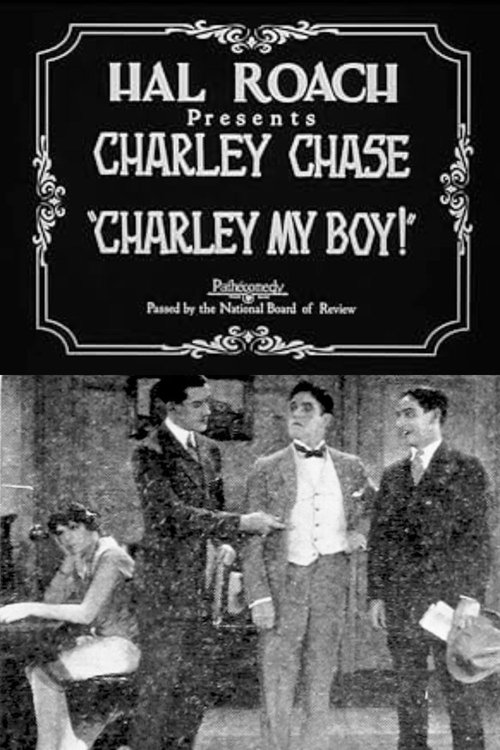
Charlie is a clumsy waiter in a cheap cabaret, suffering the strict orders from his boss. He meets a pretty girl in the park and tries to impress her by pretending to be an ambassador. Unfortunately she has a jealous fiancé.
While arguing about their favorite genre of movie Ron and Jon find The Button.
Oswald's sweetheart is stolen by a schoolyard bully, so he has to fight him during recess to win her back.
Aspiring filmmakers Mel Funn, Marty Eggs and Dom Bell go to a financially troubled studio with an idea for a silent movie. In an effort to make the movie more marketable, they attempt to recruit a number of big name stars to appear, while the studio's creditors attempt to thwart them.
Re-imagined version of the now lost first Finnish film. Two siblings inherit all the essentials for a good life: moonshine equipment and a pig. As they embark on their journey, business is good until a card shark arrives.
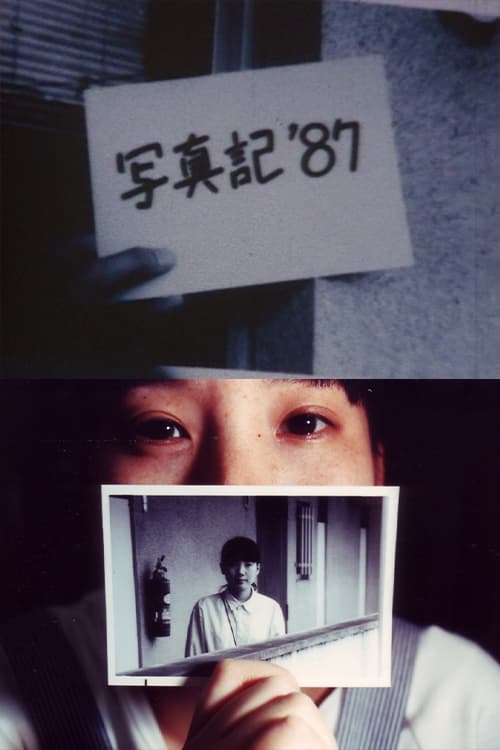
I turned my gaze to the various events in daily life and made this filmic diary in a manner as if confessing my feelings. Of course, since I was making the film, I wanted to depict these feelings and events with tricky techniques. I used various methods to shoot photographs of a relative's wedding, the landscape I see from window of my house, commemorative travel photographs and the like frame-by-frame.
One of the two earliest horror films ever made. This film is presumed lost. In this black comedy scene, the bottom falls out of a coffin, the corpse tumble out, and is jolted back to life. Short sequences like this, as well as street scenes and dancing geisha girls were the main subjects of early Nippon cinema, pioneered by Shiro Asano and Shibata Tsunekichi from 1897 onwards. In creating dramatic, scenes, film-makers naturally chose the most striking or bizarre. Another undocumented film, recalled by cameraman Shiro Asano.
Mr. and Mrs. Hilton throw a New Year's Eve party. They agree not to drink the punch themselves, but as guests begin to arrive their resolve weakens, and soon they are both cavorting drunkenly. Next morning Mr. Hilton, feeling very sick, is conscience-stricken over his drunkenness and his behavior with another woman. He fears to face his wife until he discovers that she feels just as guilty herself.
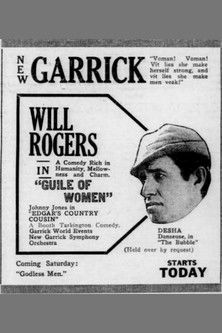
A southern girl tries her luck as a dancer in New York City.
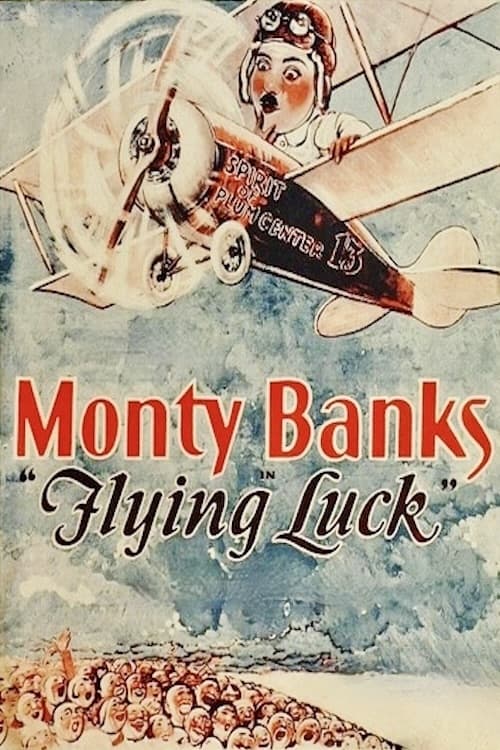
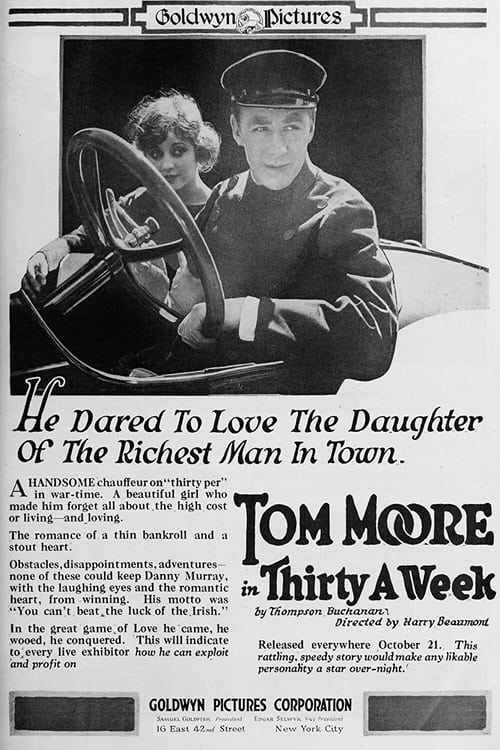
A naive young man joins the Army in order to become a pilot.
A film crew goes to a mansion to shoot a movie. The actor playing the thief is confused and is shot by the owner with a shotgun. In compensation, he is taken care of in the house and falls in love with the daughter of the owners.
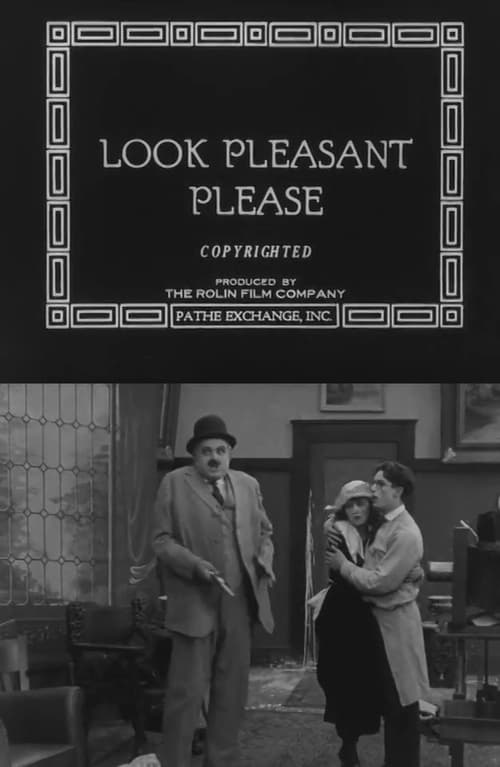
A photo studio operator seems only interested in flirting with women. Hilarity ensues.
Peep O'Day, an orphan in a small Kentucky town, falls heir to a small fortune and begins to make up for all the lost pleasure of childhood, but Sublette, a crooked attorney, arranges for an eastern belle to show up as Peep's "niece" to steal his fortune.
A prophet who longed to look upon his deities. A daunting journey to a mountain peak. A confrontation with gods too powerful to name. This is the story that inspired Peter Rhodes, who worked as a filmmaker and artist during the 1920s. Few people know of his work, and it's only through luck and perseverance that we have been able to track down the elements for this "lost" film. Rhodes' films were created using silhouette animation, a technique perfectly suited to depict Lovecraft's mythic Dreamland stories. The filmmaker's involvement in New York City's occult and literary scenes provided him with a select audience for his work. Rhodes was especially influenced through his relationships with occultist Aleister Crowley and writer H.P. Lovecraft, but it was personal tragedy that moved him to produce "The Other Gods: A Tale of the Dream Cycle," his most powerful film.
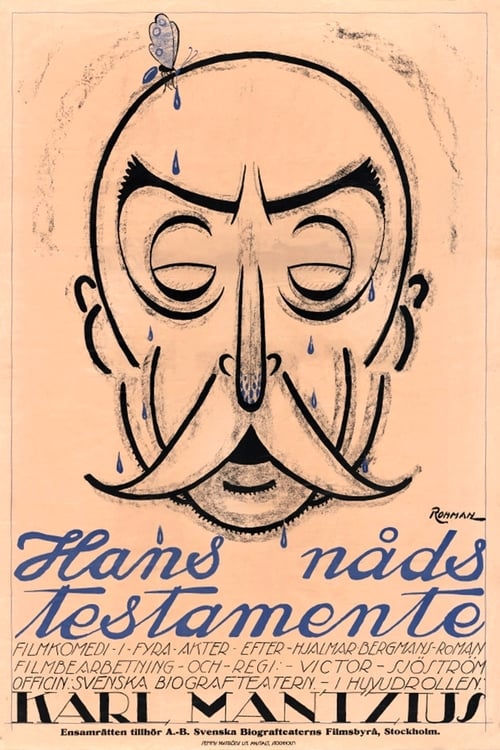
A series of family entanglements develop around the changing will of Roger Bernhuses de Sars (Karl Mantzius), who wants his heritage to go to his illegitimate daughter Blenda (Greta Almroth). But love and fate also plays their cards. One of the most surprising films of Sjöström, close to Stroheim and some of the silent comedies of Lubitsch. Belonging to the golden age of Swedish film, this comedy offers one of the earliest explorations of the relationship between masters and servants on the screen, later developed by French masters like Renoir and Guitry. After acting in the diptych of Thomas Graal, Sjöström shows that he also dominates the “light genre” as director.
Upon learning that notorious art thief Alf Wilson plans to steal his valuable paintings, idle millionaire Travers Gladwyn decides to amuse himself by guarding his own home. After bribing Policeman Phelan, Officer 666, with a $500 bill, Travers dons the officer's uniform and identity. When Wilson appears at his mansion, Travers questions him and discovers that Wilson is posing as Travers, claiming that he is packing up his paintings for safe keeping. ...
A Clarence G. Badger silent cowboy western kidnapping mistaken identity romantic comedy, based on a story by Rex Taylor; about a rich woman who gets lost in the West, and is found by an engineer who she mistakes for an outlaw. tHe plays along because he enjoys it, but then four real outlaws show up, and he tells them he was kidnapping her. They get found out, the girl gets one of the outlaws' guns and rescues them, and of course, they discover they love each other!