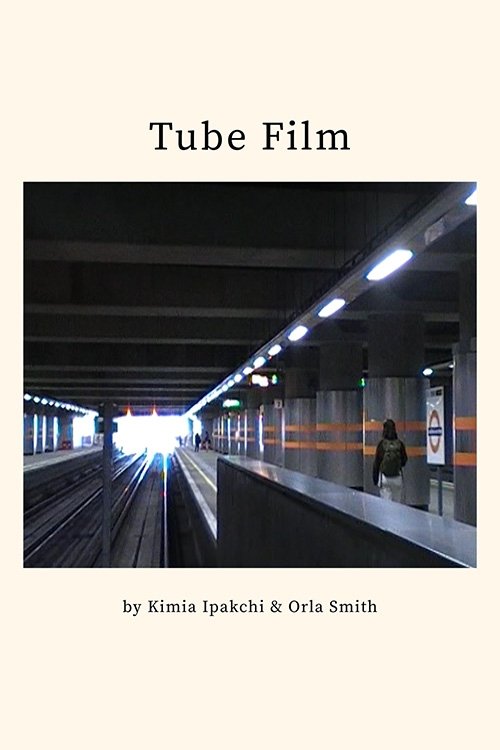
A video diary of a month-long immersion in the life of the Barbican, from the top floors of the towers to the underground levels of the arts centre. An intimate and lively map of this brutalist masterpiece.
A colorful travelogue of London's most historic buildings and the residual damage still left from WWII.
Cameras go behind the scenes at Brown's, London's oldest luxury hotel, during the Christmas season, as staff face the expectations of delivering a luxury festive stay for guests booking rooms that start at £750 a night. The hotel's elite team hosts a vibrant charity Christmas fayre, creates imaginative festive pastries, and concocts a signature holiday cocktail, all aimed at delivering the Christmas feast of a lifetime.
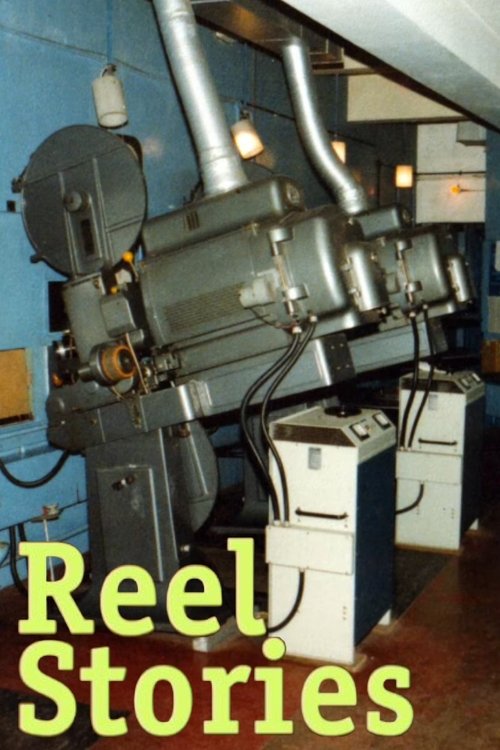
Documentary charting the experiences of projectionists who work or worked in cinemas in London, exploring the skills and dedication required for this unique role, set against changes in technology, society, and entertainment.
Denim' is a poetic short film by writer, poet and performer Siana Bangura, exploring gentrification and social cleansing in South East London. Through a personal trip down memory lane, visiting the places that moulded her, we learn what happens when the city changes and leaves those who built it behind. Travelling through Bermondsey, Rotherhithe, Elephant & Castle, Walworth Road, Peckham, Brixton and of course Shoreditch, 'Denim' is both a personal tale and a wider social commentary.
70 is definitely the new 20 in this heart-warming 1960s documentary portrait of the Darby and Joan Club for elderly Cockneys.
A documentary revealing an observation on three barbershops throughout the course of one summer's day in the city of London - Hackney, Herne Hill, and Catford.
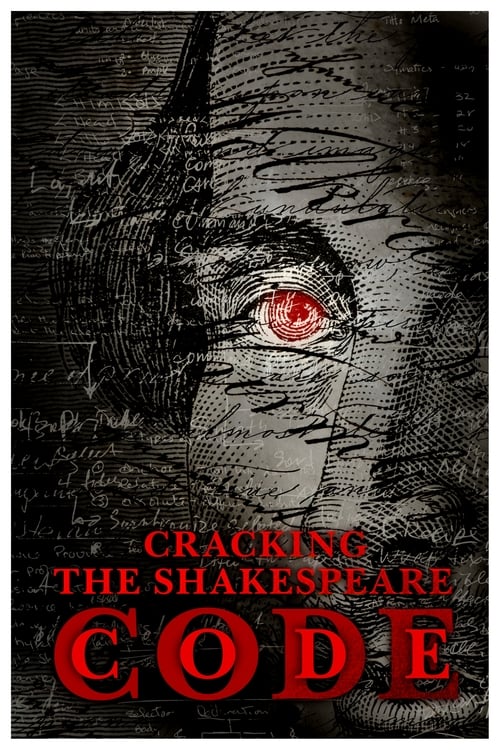
Norwegian researcher Petter Amundsen claims to have deciphered a secret code hidden in legendary playwright William Shakespeare's works that reveals a map leading to the location of certain treasures. British Shakespearean scholar Robert Crumpton embarks on a mission to prove he is spectacularly wrong. (A remake of “Shakespeare: The Hidden Truth,” including new discoveries.)
The Molotovs kick things off in style with “Rebel Rebel,” followed by magical covers of “Heroes” (The Horrors), ‘Fascination’ (La Roux), “Let's Dance” (Jeanne Added), “Rock'n'Roll Suicide” (The Libertines), “Sound and Vision” (Anna Calvi), “Starman” (The Divine Comedy), and “The Man Who Sold the World” (Yasmine Hamdan): eight intense reinterpretations of David Bowie's work, delivered during an arty and decidedly London-esque stroll, which, from stage to studio, recreates the fragile intensity of a live performance.
The baker, the pie-maker and the diminished long-term community of Hoxton Street face gentrification in this compelling portrait of a rapidly changing London.
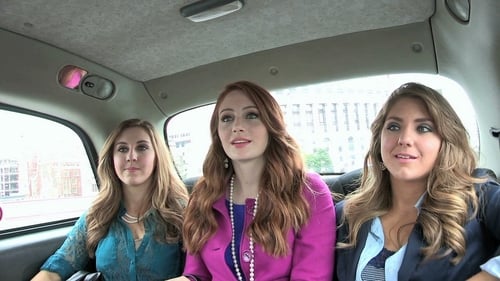
They are young, all-American girls who enjoy horse riding, karate and Sherlock Holmes. But there's more to Brynne, Tess and Savannah than wholesome pursuits - they're exorcists. The girls believe much of the world's population is possessed by evil spirits which are causing addiction, depression and suffering. In a fight against the devil's army, they have been touring America performing public exorcisms on their believers. Now they are taking the fight to a city they think of as one of the most spiritually corrupt in the world - London. But what will Brits make of these evangelical American exorcists?
The film takes us to the North of England to follow the migration of the black-headed gull down to London. There, the narrator asks viewers to "listen to their gossip", before demonstrating the bird’s flight in slow motion. We see a polecat feasting on gull eggs, and then a man collecting the eggs for human consumption, with the film telling us that they are considered a “delicacy” in London. Indeed, according to the British Trust for Ornithology, around 300,000 gull’s eggs were sold every year in Leadenhall Market in London during the 1930s, when London Visitors was made.
The first part of the film shows an actuality street scene of traffic in the Strand. Behind the traffic we can see the entrance to the Gaiety Theatre on the Strand, advertising its latest show 'My Girl'. The second part is a different film altogether, spliced onto the first and is R W Paul’s Turn Out of a Fire Brigade filmed in November 1896 in Newcastle at the Westgate Road fire station. The film date is 1896.
Based on Geoffrey Fletcher’s book, this captivating documentary exposes the real London of the swinging sixties. Turning its back on familiar sights, the film explores the hidden details of a crumbling metropolis. With James Mason as our Guide, we are led on an tour of the weird and wonderful pockets of London from abandoned music-halls to egg breaking factories.
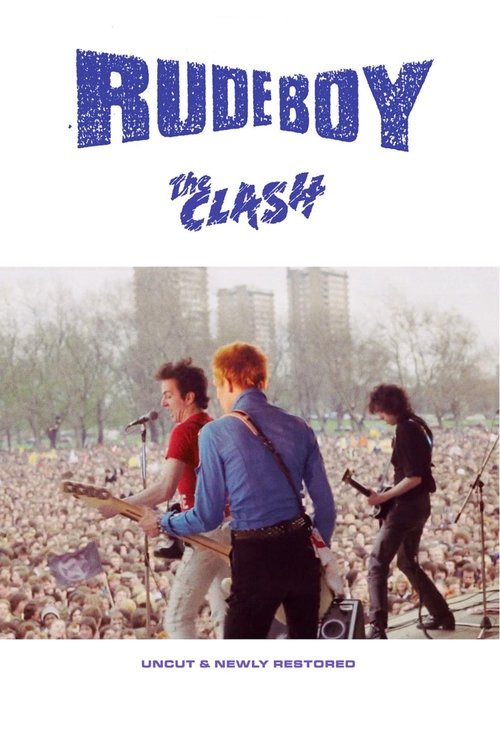
Rude Boy is a semi-documentary, part character study, part 'rockumentary', featuring a British punk band, The Clash. The script includes the story of a fictional fan juxtposed with actual public events of the day, including political demonstrations and Clash concerts.
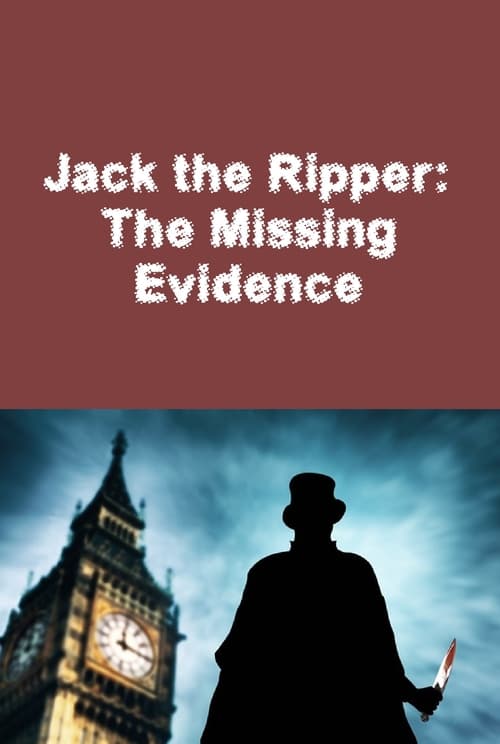
During a three-month period in 1888, a knife-wielding serial killer murdered six women on the streets of Whitechapel. Their throats were cut and their bodies horribly mutilated. He was never caught and his identity remains one of the world's greatest crime mysteries. In the years that have passed since Jack the Ripper's killing spree, many high-profile suspects have been suggested, yet the fact remains that none of them can be placed at any of the crime scenes. Now, journalist Christer Holmgren believes that he has found a suspect who can not only be linked directly to one of the murders but also whose daily routine could be consistent with all the other deaths
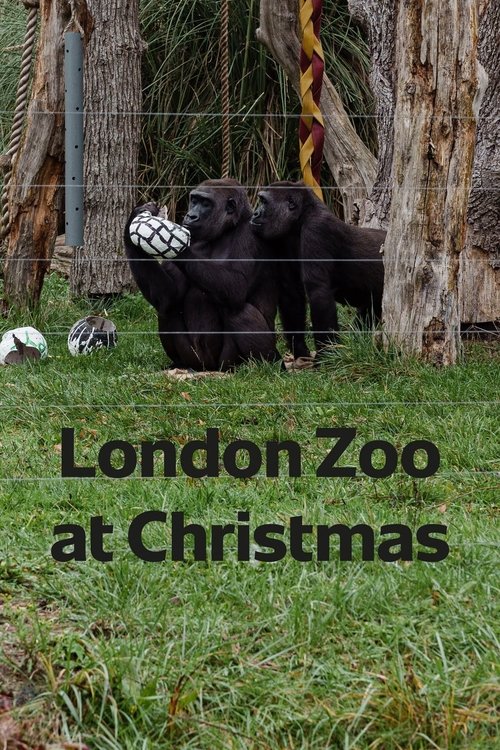
An exclusive, festive behind-the-scenes look at the iconic London Zoo, as they prepare for the most wonderful time of the year and make the holiday magic happen.