The award-winning Old Believers (2001), made over a period of five years, documents the life of a strongly religious community in the Danube Delta where time seems to stand still.
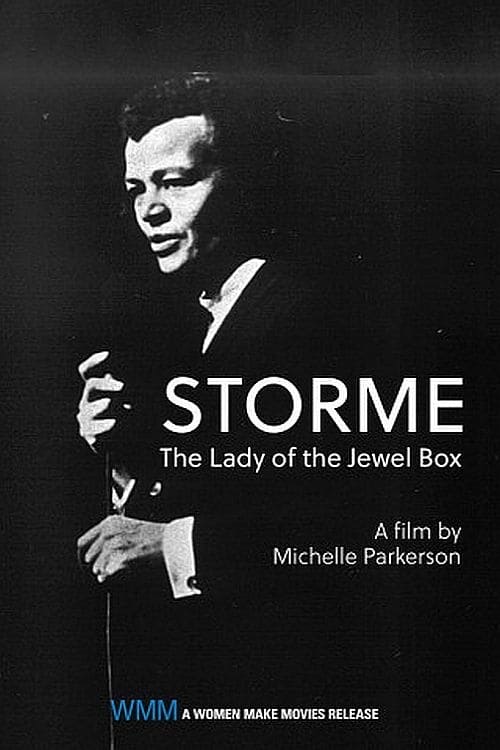
“It ain’t easy…being green” is the favorite expression of Stormé DeLarverie, a woman whose life flouted prescriptions of gender and race. During the 1950s and '60s she toured the black theater circuit as a mistress of ceremonies and the sole male impersonator of the legendary Jewel Box Revue, America’s first integrated female impersonation show and forerunner of La Cage aux Folles.
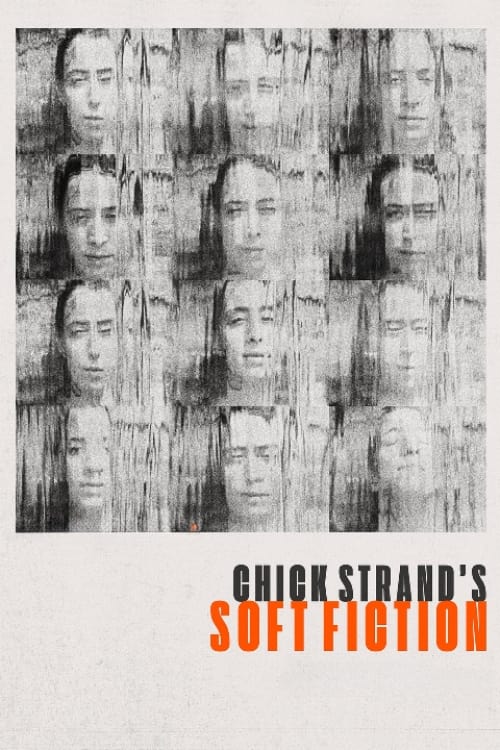
Chick Strand's SOFT FICTION is a personal documentary that brilliantly portrays the survival power of female sensuality. It combines the documentary approach with a sensuous lyrical expressionism. Strand focuses her camera on people talking about their own experience, capturing subtle nuances in facial expressions and gestures that are rarely seen in cinema. Preserved by the Academy Film Archive in partnership with The Film Foundation in 2015.
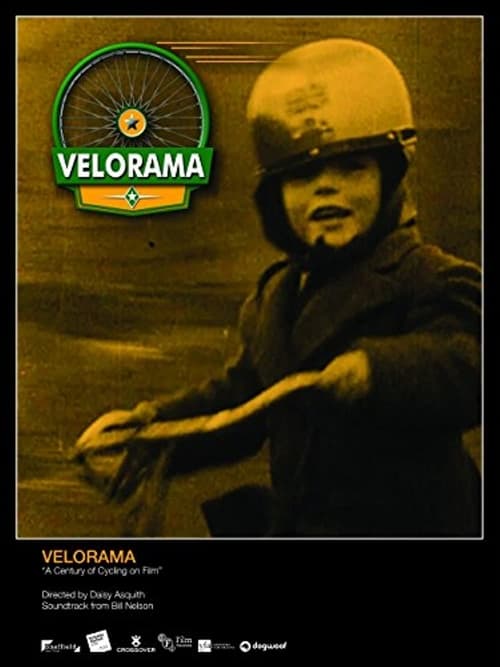
Documentary looking at a century of cycling. Commissioned to mark the arrival of the 2014 Tour de France in Yorkshire, the film makes full use of stunning British Film Institute footage to transport the audience on a journey from the invention of the modern bike, through the rise of recreational cycling, to gruelling competitive races. Award-winning director Daisy Asquith artfully combines the richly-diverse archive with a hypnotic soundtrack from cult composer Bill Nelson in a joyful, absorbing watch for both cycling and archive fans.
The Beastie Boys are among the most influential groups of the last two decades. As their music has opened hip-hop to a wider audience and changed the parameters of its sound, their ambitious music videos have carried the medium to new levels of artistic expression. This groundbreaking two-disc anthology showcases eighteen videos containing alternate visual angles and multiple audio tracks. Loaded with never-before-seen footage and unreleased music tracks, this special edition also contains a trove of rare still photos and exclusive audio commentary by the band and the video directors.
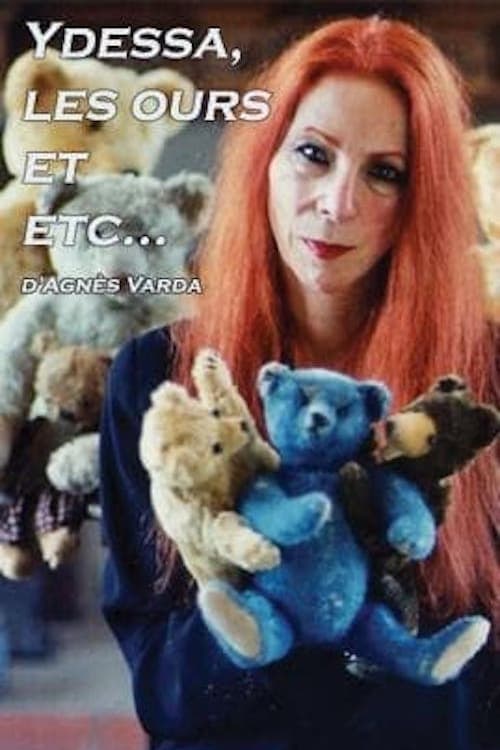
Ydessa Hendeles' exhibition entitled "The living and the Artificial" (consisting of works of art all comprising a photograph of living persons in the company of one or several teddy bears) had puzzled Agnès Varda so much that she decided to go to Toronto where the artist lives and interview her. In front of Agnes Varda's DV camera, Ydessa tells about the singularity of her artistic approach. She also expresses herself about the Holocaust, which both her parents survived.
In 1984-85, people at Lake Tahoe fell ill with flu symptoms, but they didn't get better. Medical literature documents similar outbreaks: in 1934 at LA county hospital, in 1948-49 in Iceland, in 1956 in Punta Gorda, Florida. The malady now has a name, chronic fatigue syndrome, and filmmaker Kim Snyder, who suffered from the disease for several years, tells her story and talks to victims and their families, and to physicians and researchers: is it viral, it is psychosomatic, is it one disease or several (a syndrome) ; what's the CDC doing about it; what's it like to have a disease that's not yet understood? Her inquiry takes her to Punta Gorda and to a high-school graduation.
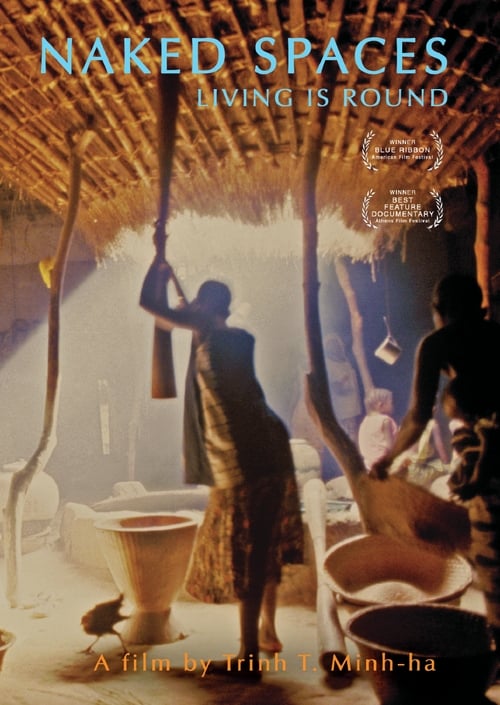
Shot with stunning elegance and clarity, NAKED SPACES explores the rhythm and ritual of life in the rural environments of six West African countries (Mauritania, Mali, Burkino Faso, Togo, Benin and Senegal). The nonlinear structure of NAKED SPACES challenges the traditions of ethnographic filmmaking, while sensuous sights and sounds lead the viewer on a poetic journey to the most inaccessible parts of the African continent: the private interaction of people in their living spaces.
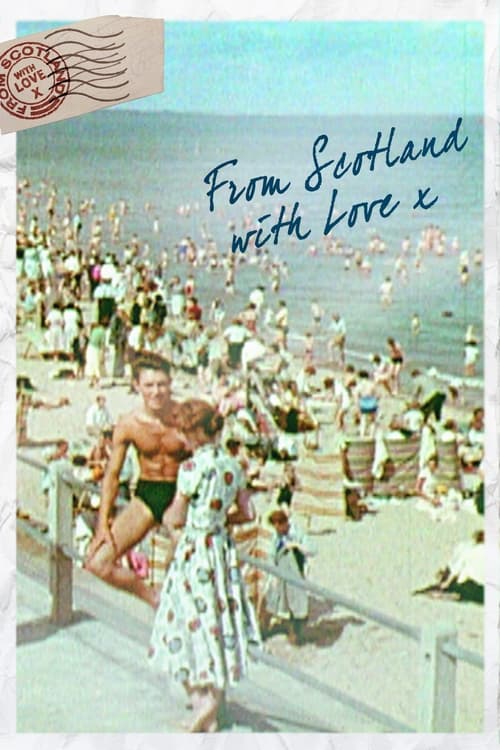
Made entirely of Scottish film archive, a journey into our collective past, the film explores universal themes of love, loss, resistance, migration, work and play. Ordinary people, some long since dead, their names and identities largely forgotten, appear shimmering from the depth of the vaults to take a starring role. Brilliantly edited together, these silent individuals become composite characters, who emerge to tell us their stories, given voice by King Creosote's poetic music and lyrics
Susan Sontag scrutinizes the ongoing Arab-Israeli conflict and the growing divisions within Jewish thought over the question of Palestinian sovereignty. Shot in Israel during the final days of the Yom Kippur War. Promised Lands is less straight documentary than visual collage. There are images of combat zones and soldiers, but also everyday street life, desert landscapes, funerals, supermarkets, the Wailing Wall. The soundtrack is snatches of radio, bursts of church bells and gunfire, and an extended voiceover from two politically opposed Israeli thinkers.