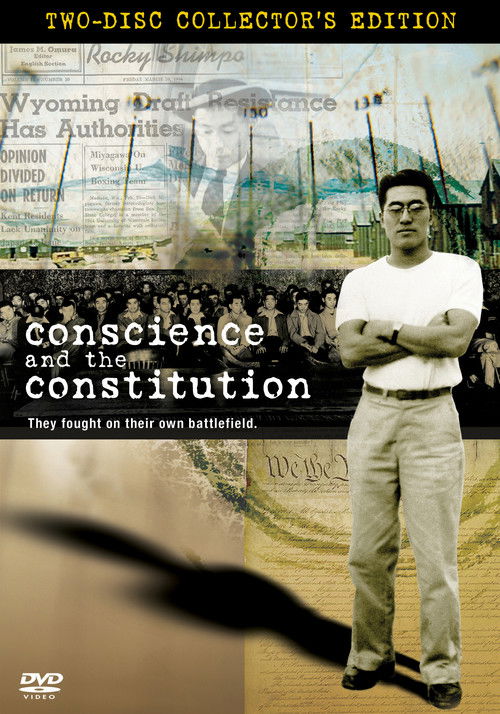
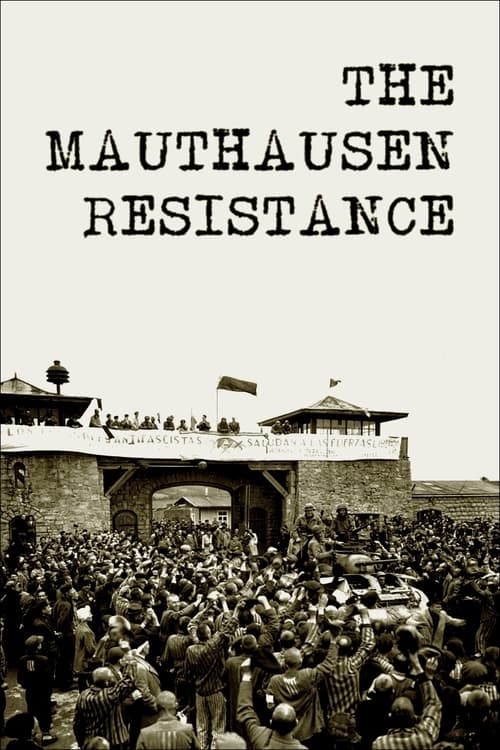
On July 4th, 1946, the crowd in Kielce, Poland, slaughtered forty-two Jews and wounded many others. Forty years later, in 1987, Marcel Łoziński visited those places and met some witnesses of the carnage.
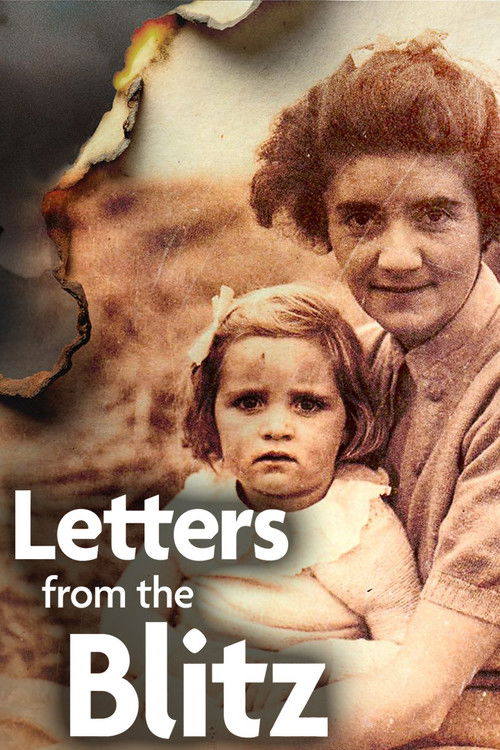
The Unknown Woman is a documentary film scripted and directed by Elina Kivihalme. It depicts the reality of Finnish agriculture and forestry during the war years, when the home front relied entirely upon the work and endurance of the women. All farm work, caring for the children, woodcutting and other forestry operations were undertaken by the civilians, as the men in their prime were on the front.
Shot over the course of 30 days at sea, filmmaker Alizé Jireh documents the group’s voyage across the North Atlantic—from moments of stillness and calm to the chaos of storms and setbacks. With an observational approach and an eye for the emotional and physical rhythms of life at sea, Jireh captures not just the external landscape, but the internal shifts that come with navigating the vast unknown.
Is there a mental health crisis in agriculture in Colorado? Farming and ranching has become increasingly difficult over the years. An industry that is typically viewed as romantic, hardworking, and "salt-of-the earth" is actually a job full of tremendous stress outside of anyone's control. Combine that with the enormous generational pressure to continue the family farm, and you have a large group of people that are suffering silently. How do we take care of those that are taking care of us?
High school graduation doesn't come around often. Not only is it a day of celebration, but also a day of tears and apprehension. Milestone No. 1 follows Jack, a senior at the local high school, who is getting ready for his day of graduation, and the various tasks he needs to complete before arriving at the venue.
A documentary on the famous World War II battle, using only on-ground footage from Marines and interviews with veterans.
Explore how one man's relentless drive and invention of the atomic bomb changed the nature of war forever, led to the deaths of hundreds of thousands of people and unleashed mass hysteria.
In 1945, two young American soldiers, brothers Budd and Stuart Schulberg, are commissioned to collect filmed and recorded evidence of the horrors committed by the infamous Third Reich in order to prove Nazi war crimes during the Nuremberg trials (1945-46). The story of the making of Nuremberg: Its Lesson for Today, a paramount historic documentary, released in 1948.
With the help of Steve Bannon and Cambridge Analytica, Trump was groomed to appeal to those who have lost faith in media and politics. Bannon has admitted that he modeled his campaign on the one crafted for Hitler, who was a puppet of dark forces. Through meticulous investigation, John Hankey explores this, and how the media circus following Trump is a strategy for dividing a "United" States.
An elderly man is working tirelessly to revive the Jewish world lost in the Holocaust. His name is Aharon Appelfeld, and he became one of the greatest Jewish writers of our time. Every day, through his murmuring voice and handwriting, the survivors, the children of Ukraine, the peasants of Yiddishland come alive in the tiny office of a Jerusalem apartment. Aharon Appelfeld, solitary, wants to fight this battle to his last breath.
Using never-before-seen footage, Japan's War In Colour tells a previously untold story. It recounts the history of the Second World War from a Japanese perspective, combining original colour film with letters and diaries written by Japanese people. It tells the story of a nation at war from the diverse perspectives of those who lived through it: the leaders and the ordinary people, the oppressors and the victims, the guilty and the innocent. Until recently, it was believed that no colour film of Japan existed prior to 1945. But specialist research has now unearthed a remarkable colour record from as early as the 1930s. For eight years the Japanese fought what they believed was a Holy War that became a fight to the death. Japan's War In Colour shows how militarism took hold of the Japanese people; describes why Japan felt compelled to attack the West; explains what drove the Japanese to resist the Allies for so long; and, finally, reveals how they dealt with the shame of defeat.
The Hawker Hurricane was the first fighter monoplane to join the Royal Air Force and the first combat aircraft adopted by that arm capable of exceeding 300 mph in level flight. The Hurricane shouldered the lion s share of Britain s defence during the Battle of Britain. This program portrays the history of this legendary aircraft which was to form an immortal partnership during the infamous battle.
Film journalist and critic Rüdiger Suchsland examines German cinema from 1933, when the Nazis came into power, until 1945, when the Third Reich collapsed. (A sequel to From Caligari to Hitler, 2015.)
"A Home On The Range" tells the little-known story of Jews who fled the pogroms and hardships of Eastern Europe and traveled to California to become chicken ranchers. Even in the sweatshops of New York they heard about Petaluma where the Jews were not the shopkeepers and the professionals, they were the farmers. Meet this fractious, idealistic, intrepid group of Eastern European Jews and their descendants as they confront obstacles of language and culture on their journey towards becoming Americans. Jack London, California vigilantes, McCarthyism, the Cold War and agribusiness all come to life in this quintessentially American story of how a group of immigrants found their new home, a home on the range.
In 2021, a Pentagon report revealed what the US government had denied for decades -- UFOs are real and may even pose a threat to our planet. Now, ex-military members break their silence about the massive cover-up. Are we prepared for an alien invasion?