Over the course of 3 years, Fan Popo visited a bar called “Only-Love” in Nanning, China, getting to know the dancers and drag queens there and discovering who they really were behind their exuberant costumes and personas.
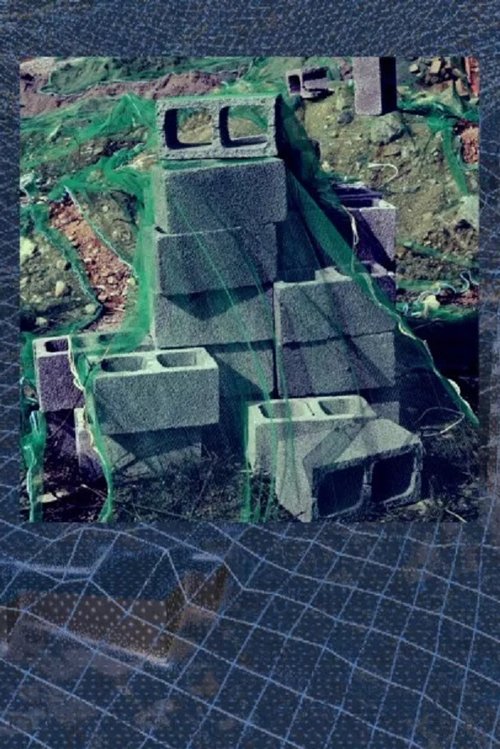
Video essay ‘Rock and Cliff' investigates the creation of Horn Town, a new model village and centre of large scale tourist development, and the experiences of rural residents moved there through government-led displacement. Horn Town is located in Wulong, a rural district near the Three Gorges Dam administered by the Chongqing municipality (a city of 30 million people). Narrated in the style of a science documentary but using local Chongqing dialect, the video brings a geological and topographical perspective to types of 'rocks' found in the area,from mythological stones from a mountain cliff, to ruins of the original settlement, to a stone sculpture from a dubious 'Land Art Biennial', in order to address issues of land acquisition, top-down development and spatial politic.
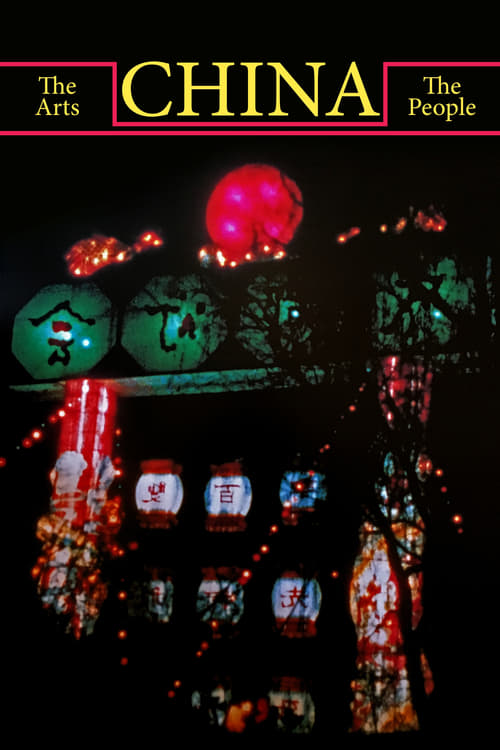
China marks the beginning of the extensive Asian theme in Ottinger’s filmography and is her first travelogue. Her observant eye is interested in anything from Sichuan opera and the Beijing Film Studio to the production of candy and sounds of bicycle bells.
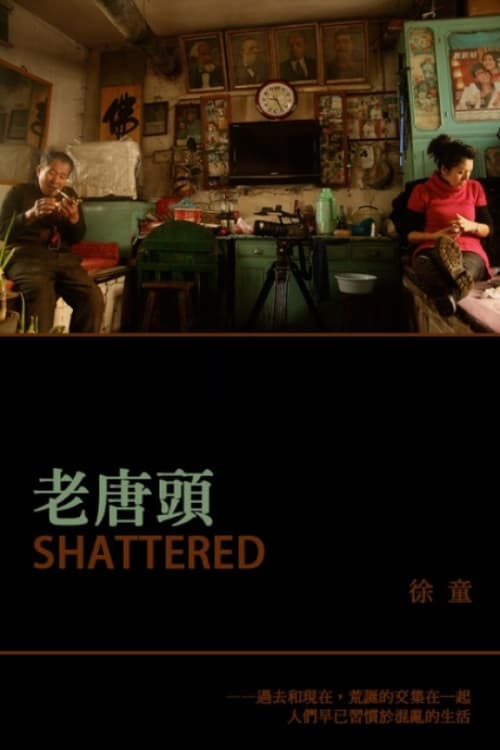
A microcosm of China past and present flows through Xu Tong’s intimate docu “Shattered,” in which the maverick indie filmmaker continues to refine his techniques and concerns shown in his previous “Wheat Harvest” and “Fortune Teller.”
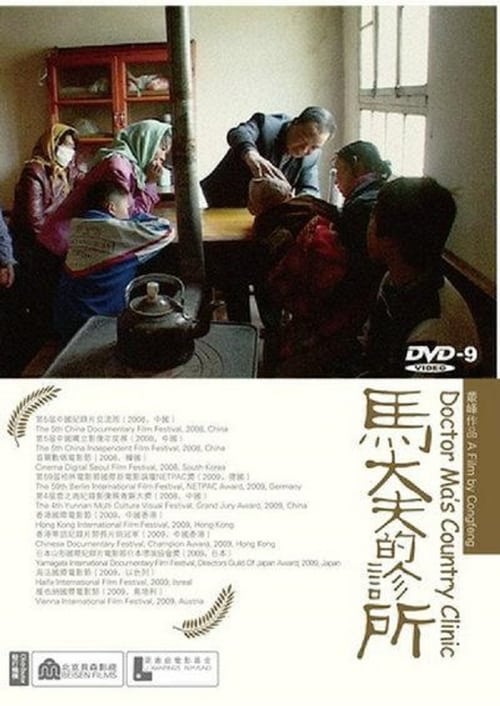
"Huangyangchuan, Gansu province, China. It's an arid mountain area with poor roads. Ma Bingcheng is well-respected local doctor, so many patients (most of them farmers) come to see him every day. In his small clinic, people chat with each other about their lives, local conditions, or the people they know. The clinic seems to open up like a microcosm, the information and experiences of different people intertwine, revealing the conditions of typical Chinese farmers, and the typical fates of both young and old--"
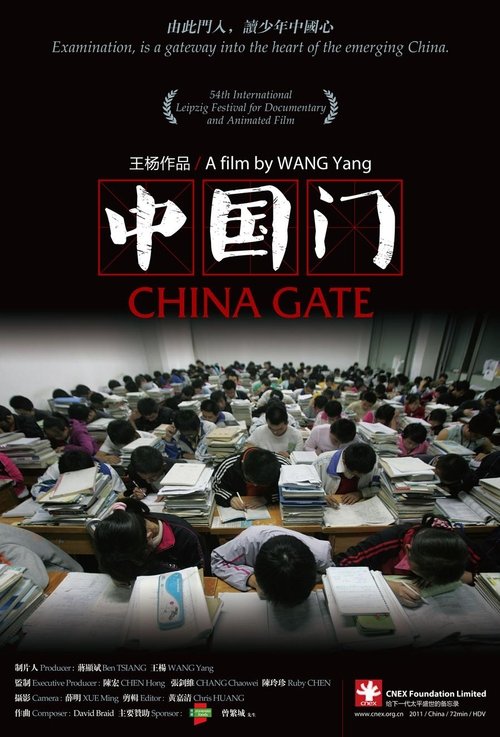
"China Gate" tells the story of young Chinese fight to change their fate through studying. Right before dawn, students in Huining have already started their self-studying session; hard working youngsters have filled up the space of school ground. This is one of the most poverty-stricken Counties in Western China; here people's only hope is in education, as the way to change their social status. Therefore all their effort point towards the College Entrance Examination, the process is like going through a gate, those who pass can study at urban Universities, and have the chance to build a better life. During the same winter season in Beijing, a graduate student faces a big decision. Should he keep trying to survive in the big city or get back to his countryside home? The exhausted faces at the Beijing underground seem to be revealing the truth about their distance in between. The student comes to see the flag ceremony at Tiananmen Square, where the pulsing symbol of the nation lies.
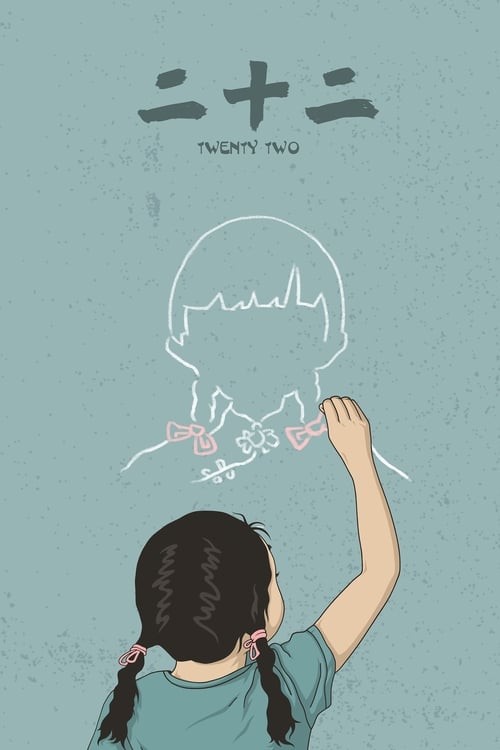
Follow the lives of the elderly survivors who were forced into sex slavery as “Comfort Women” by the Japanese during World War II. At the time of filming, only 22 of these women were still alive to tell their story. Through their own personal histories and perspectives, they tell a tale that should never be forgotten to generations unaware of the brutalization that occurred.
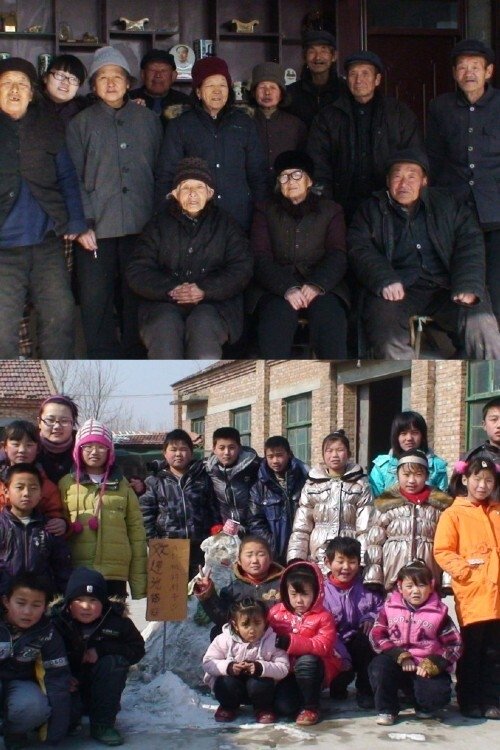
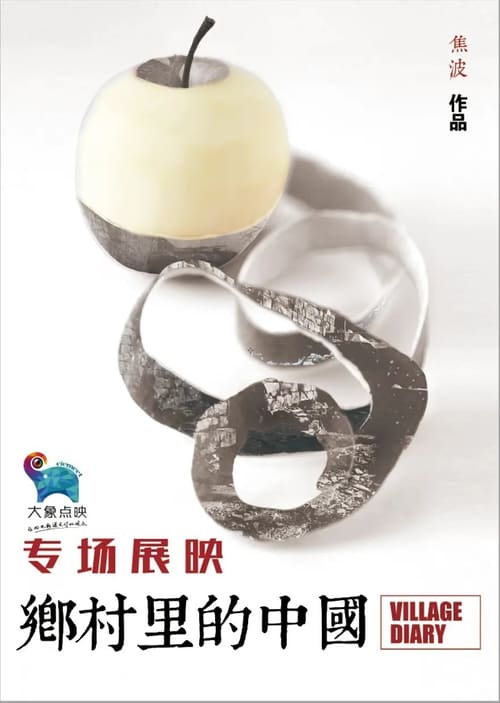
It is the director's second documentary of "my village" series since she got involved with the "Folk Memory Project". She returned to her hometown to shoot footage, recording the realities she encountered in her search for memories. Her biggest question is: after experiencing the disaster of the tragic famine fifty years ago, the villagers now are not short of food, and are living a better life than before, but is the spirit of this village still starving?
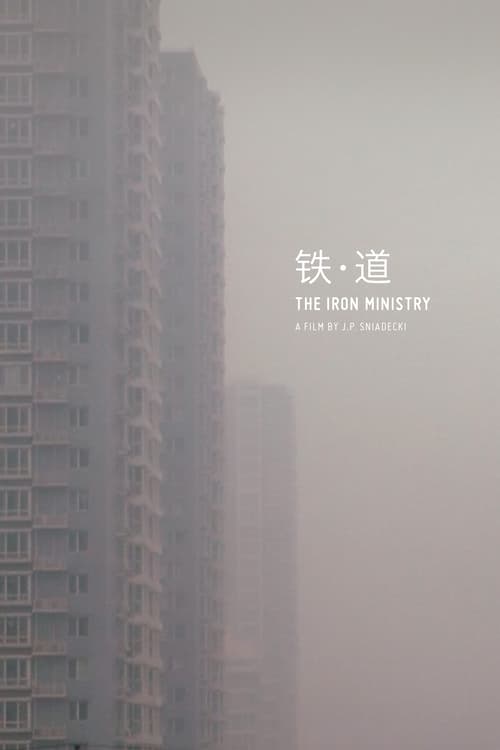
Filmed over three years on China’s railways, The Iron Ministry traces the vast interiors of a country on the move: flesh and metal, clangs and squeals, light and dark, and language and gesture. Scores of rail journeys come together into one, capturing the thrills and anxieties of social and technological transformation. The Iron Ministry immerses audiences in fleeting relationships and uneasy encounters between humans and machines on what will soon be the world’s largest railway network.
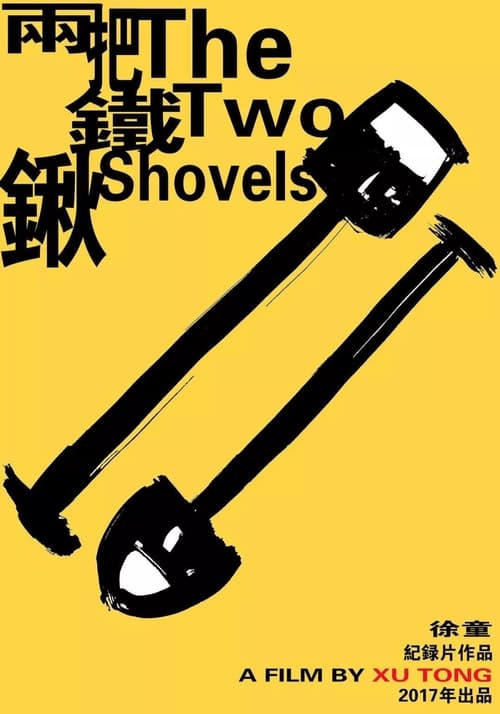
After "Old Tang Tou", Xu Tong continued to film the family of Old Tang Tou's son, Tang Laosan, in Northeast China. Tang Laosan was sent to prison for a murder case, and Tang Laosan's son, Xiaobao, unexpectedly encountered such a change in the year of his high school entrance exams, which made the fates of father and son both unpredictable.
Interviews with Dalai Lama and some Chinese intellectuals about Tibet/China relations and related issues.
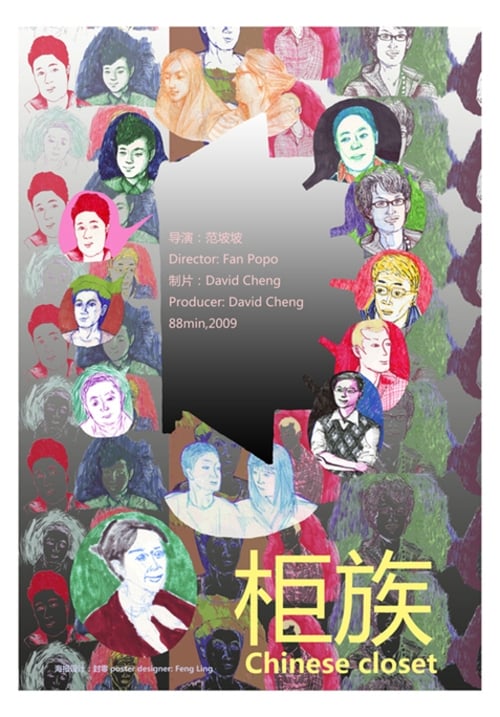
A large majority of LGBT people in mainland China remain in the closet. Most of these closet doors are kept tightly shut by pressure from friends, family, and society itself. This documentary hopes to explore the experience of coming out in China through a series of interviews with out homosexuals. The interviews touch upon the discrimination, suppression, and even violence they have endured as well as the touching moments where they experienced compassion and understanding. The documentary also covers gay rights activist and proud mother of a homosexual, Wu Youjian, who stands strongly by her son and other gay men in full support.
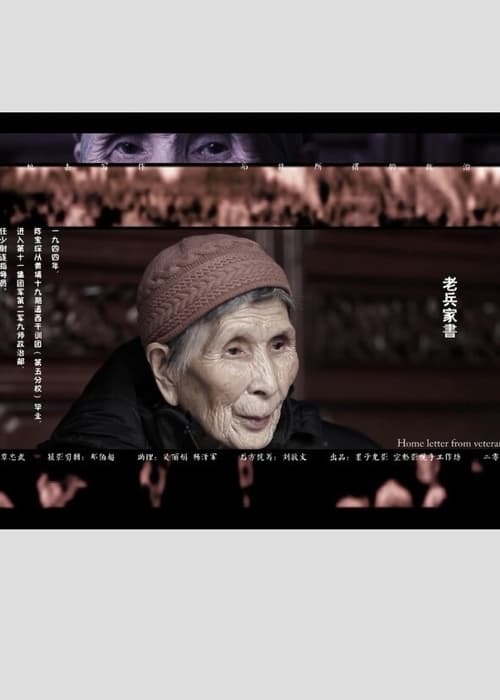
As a special generation born in the New China, the hundreds of thousands of educated youth from Shanghai went through enormous hardship during their work in Xinjiang from 1963 to 1966. Because of the specific historical conditions and context, they have been strikingly stamped with the mark of the times and have had to struggle to understand the relationship between themselves and the nation.
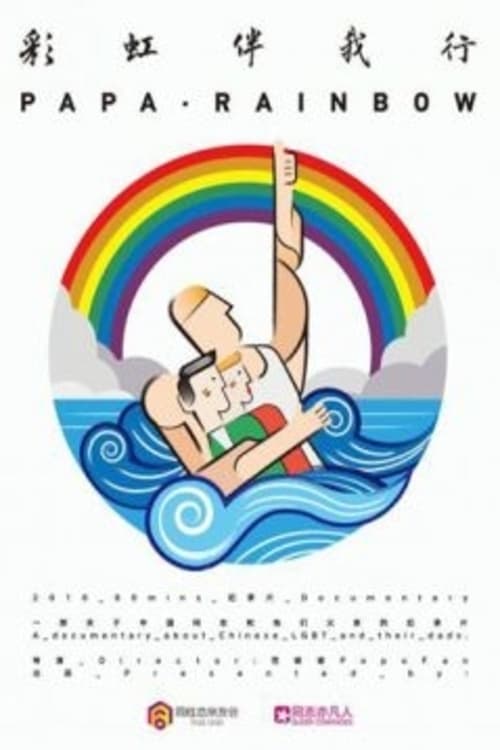
In China, most families have difficulties facing their lesbian, gay, bisexual and/or transgender (LGBT) children. They have to contend with common social beliefs that homosexuality is shameful, abnormal, a perverted condition caused by deviant family relationships. Many parents see their kids as their property, and fathers often assert their authority to ensure that no harm comes to the family reputation. The documentary 'Papa Rainbow' features six Chinese fathers who talk openly and freely about their experiences with their LGBT children. Speaking out against discrimination and stigma, they redefine what it means to protect a household. They fully embrace their kids for who they are, and become pioneer activists fighting for an equal and diverse society.
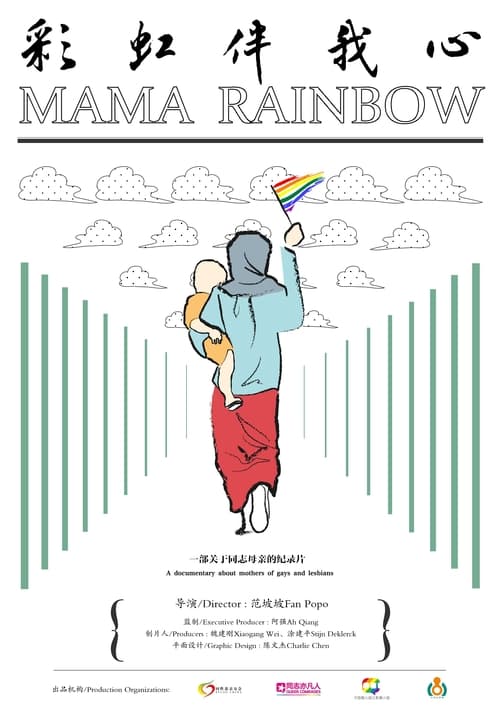
For Chinese parents, finding out that their kid is gay usually presents a major tragedy, with the big majority utterly unable to accept the homosexuality of their son or daughter. However, during recent years a fresh rainbow wind has been blowing over the Chinese mainland: a pioneer generation of Chinese parents has been stepping up and speaking out on their love for their gay kids. This documentary features 6 mothers from all over China, who talk openly and freely about their experiences with their homosexual children. With their love, they are giving a whole new definition to Chinese-style family bonds.
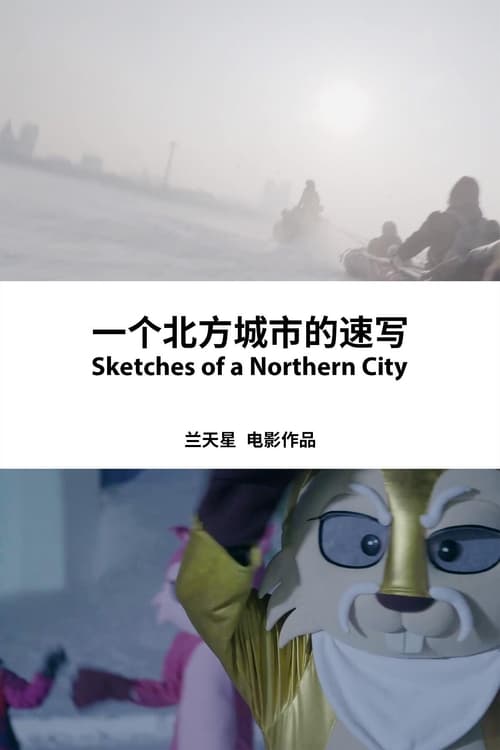
An ice sculpture in a northern city, a marching band, and the bitter silence on the radio.
Part mournful meditation through documentary footage, part experimental narrative. This film looks at the life of the Chinese who have been displaced within their own society.