Two young men are alone at a self-service laundry. They are sitting next to each other, waiting in silence. An old framed embroidery of a young deer is hanging against the wall across them.
Orestis Karydas
as Man 1
Alexis Fousekis
as Man 2
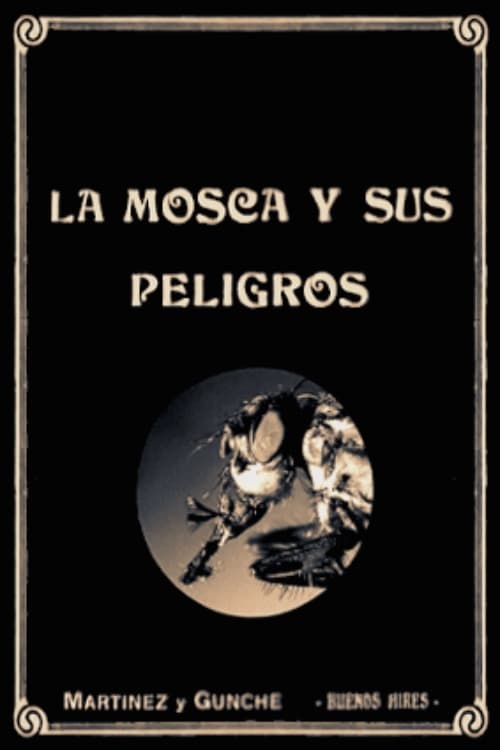
The Dangers of the Fly is an educational film made by Ernesto Gunche and Eduardo Martínez de la Pera, also responsible for Gaucho Nobility (1915), the biggest blockbuster of Argentinean silent cinema. De la Pera was a talented photographer, always willing to try new gadgets and techniques. This film experiments with microphotography in the style of Jean Comandon's films for Pathé and it is part of a series which included a film about mosquitoes and paludism and another one about cancer, which are considered lost. Flies were a popular subject of silent films and there are more than a dozen titles featuring them in the teens and early twenties.
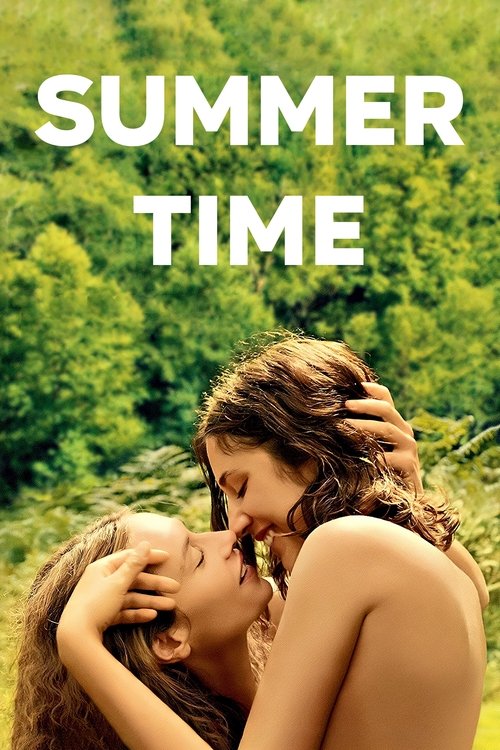
In 1971, a young woman moves from the French countryside to Paris and begins a passionate love affair with a feminist leader.
Kaveh is an LGBT sculptor. He lives in Iran and lives in isolation because of his sexual orientation. He has a lover named Farhad. Their relationship is not very good. It is Kaveh who is not happy with this relationship, he lives in his workshop because of the repression of LGBTs in Iran. He is making a statue when he suddenly realizes that this statue is talking to him. The words of the statue are not clear and are more like chatter. He breaks up his relationship with Farhad like his previous relationships, because something more than sex requires a relationship. He enjoys being alone more, but now he realizes that Farhad has destroyed the only statue they made together. The whispering sound of the statue increases and every moment Kaveh's mental state is more disturbed, to the point that he works day and night to build that statue. The statue is completed as if the statue is the lost lover of Kaveh. By completing the statue of Kaveh, he becomes a statue.
Right after a very intense sexual pleasure, Mikkel’s imaginative lover Marius dumps him and wants out of the relationship because Mikkel still fears to come out of the closet. He gets shocked and surprised as he cannot understand the sudden and drastic decision of his imaginative boyfriend. Marius is his life and it is so painful for him that they will not be together anymore.
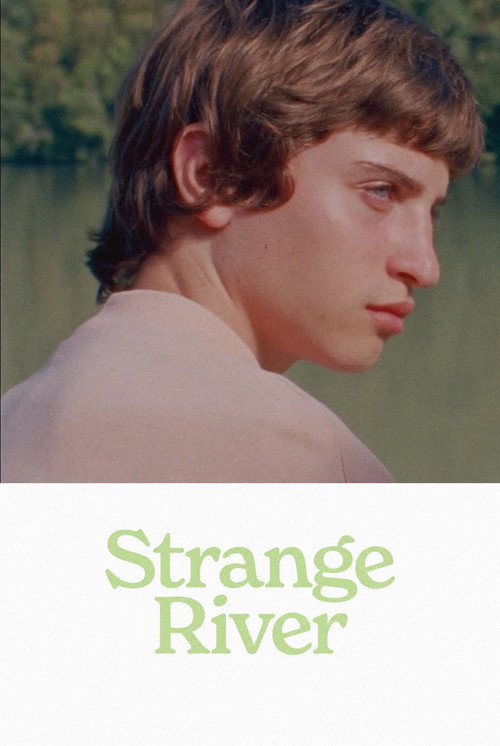
One summer, Dídac travels by bike along the Danube with his family, starting where the river first emerges in Germany. As they journey downstream, he begins seeing a mysterious boy, Alexander, who appears and disappears in the water. Dídac feels himself changing, drawn toward Alexander and away from his brother Biel. Their mother, Monika, who once took the same trip as a teenager, drifts into memories of a past summer love. When she sees Dídac and Alexander together, she encourages them to continue the journey alone. But as twilight falls, Dídac begins to question who Alexander truly is.
An Original Video Animation (OVA) released in 2 Parts based on the PC game of the same name. The protagonist is Guys, a young boy from a poor family, who gets caught for stealing candy from a Paris store. However, after being railroaded by a city detective named Guildias, Guys finds himself accused, convicted, and sentenced to life imprisonment for the murder of a man he never met. From that point on, most Enzai takes place inside a dark, claustrophobic, dirty prison, in there, Guys experiences humiliation and torture of various kinds, much of it involving sexual acts such as rape and forcible sodomy.
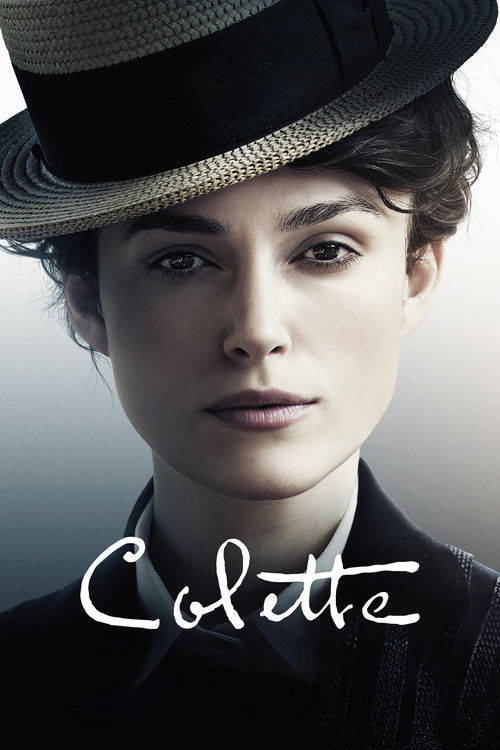
After marrying a successful Parisian writer known commonly as Willy, Sidonie-Gabrielle Colette is transplanted from her childhood home in rural France to the intellectual and artistic splendor of Paris. Soon after, Willy convinces Colette to ghostwrite for him. She pens a semi-autobiographical novel about a witty and brazen country girl named Claudine, sparking a bestseller and a cultural sensation. After its success, Colette and Willy become the talk of Paris and their adventures inspire additional Claudine novels.
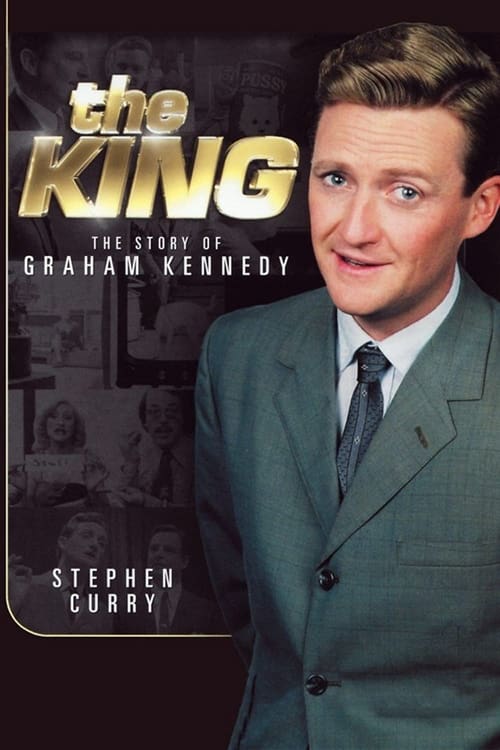
The King is the story of Graham Kennedy, Australia's first and greatest home grown TV superstar. It traces his rise from working class Balaclava kid, through radio, TV, film, and back to TV again. It also tracks Kennedy's personal tragedies - the loneliness, the unrealised ambitions and the terrible pressures of being Australia's first homegrown superstar in the 1950s and 60s.
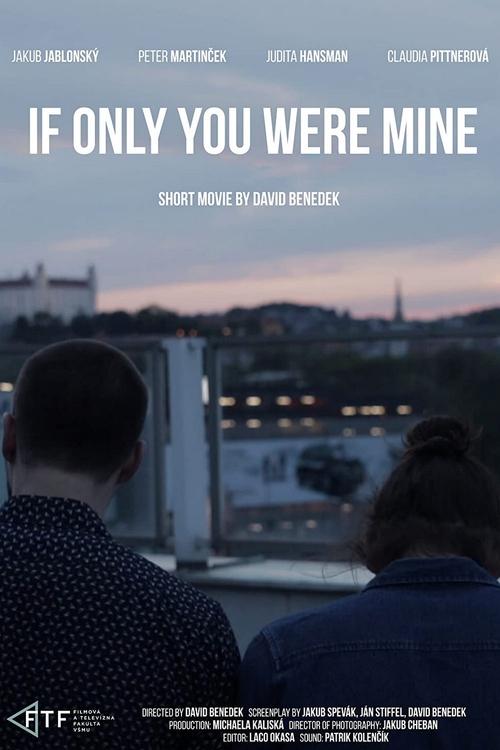
Dominik is a young graduate experiencing his first relationship. Adam becomes a mentor, idol and first love for him. With great feeling, there are also great uncertainties. He finds out that he does not belong to his world of young Bratislava, but he still tries to make their relationship work.
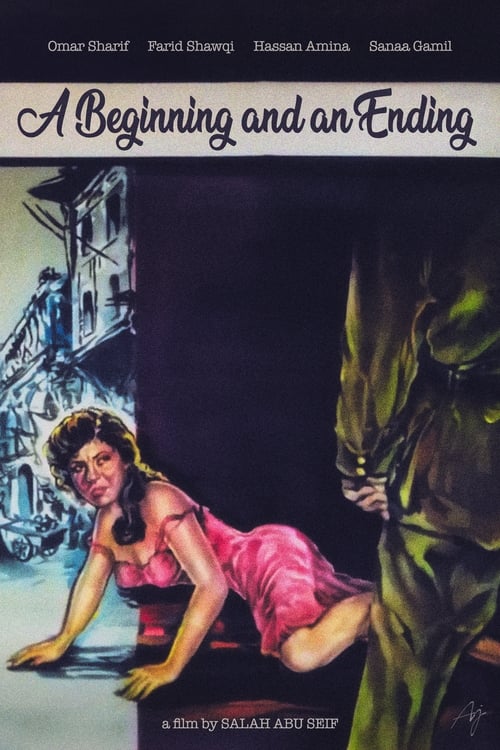
Set in the suburbs of Cairo in the late 1930s, the story follows a middle-class Egyptian family grappling with the hardships of life after the death of their father, their sole breadwinner. The mother and her four children—three brothers and their sister, Nefisah—struggle to avoid slipping into poverty. They all go in different directions which aren't exactly good.
In a rural town, the relationship between teacher and student goes beyond the classroom and transforms their lives.
Nico is a famous actor in Argentina, but in New York, nobody takes notice. He needs to juggle bartending, babysitting and odd jobs to keep himself afloat. But when old friends from Buenos Aires come to visit, he needs to juggle the image of his old life with the reality of the struggling actor in New York City.
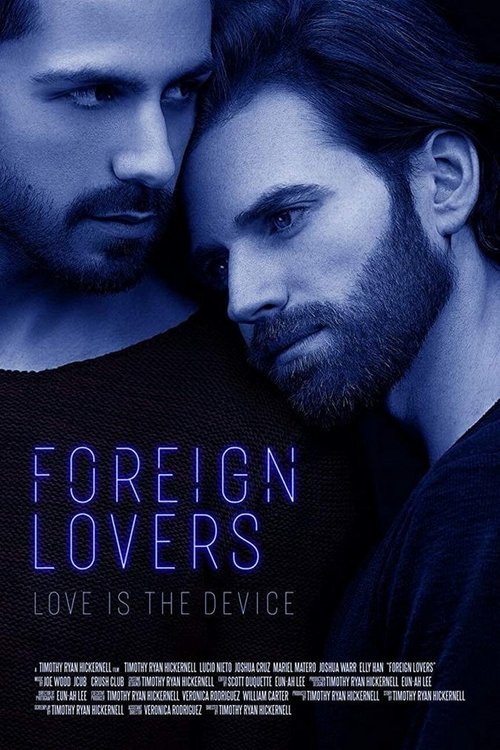
A lonely New Yorker serendipitously meets a mysterious foreigner and sparks ignite. A meditation on life and love in the digital age.
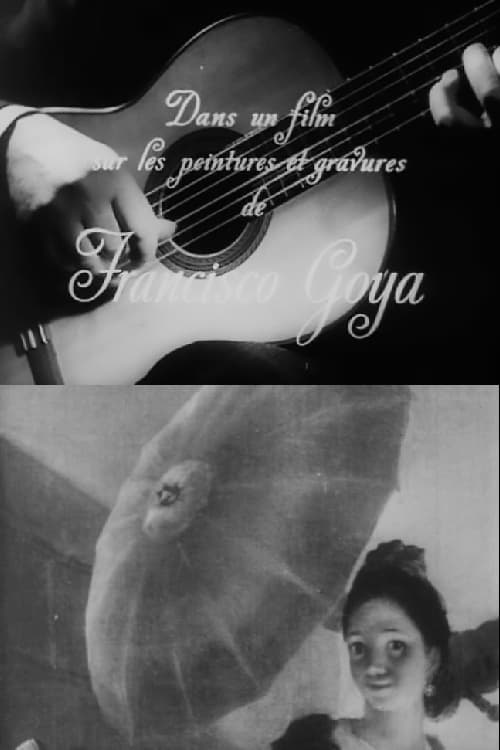
Presents life in 18th century Spain as the painter Francisco de Goya showed it to us.
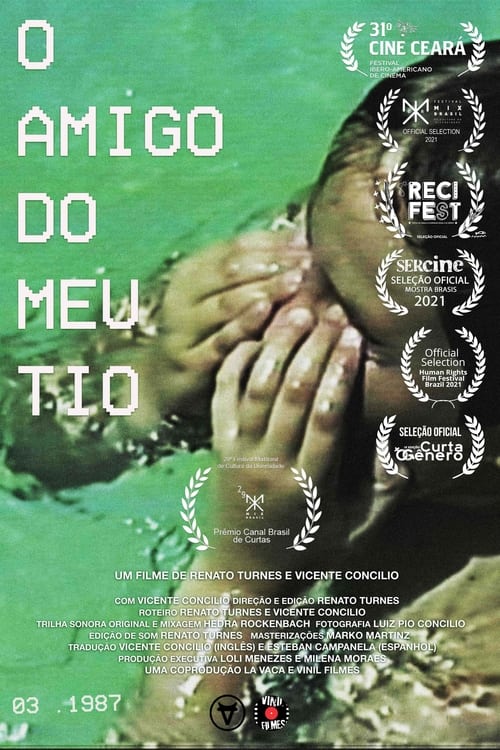
The story of a LGBTQIA+ child told through old images from VHS tapes. The videos were recorded by Vicente's father between 1987 and 1993.
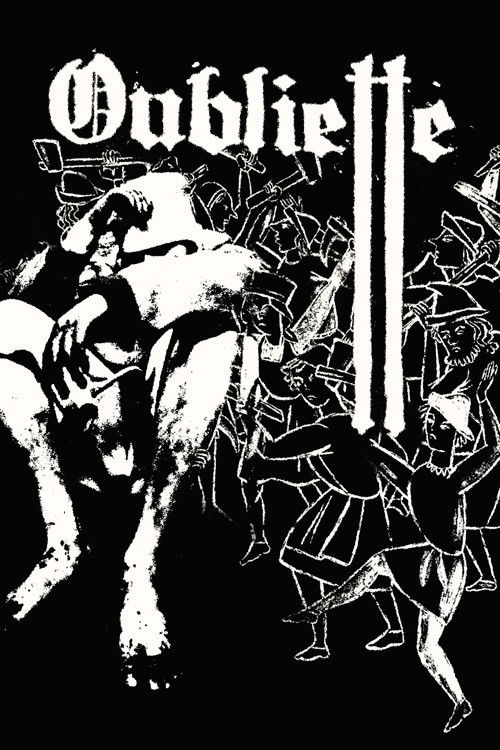
Set in 13th century, a man locks himself in an oubliette, where he confronts human misery.