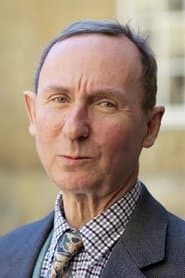
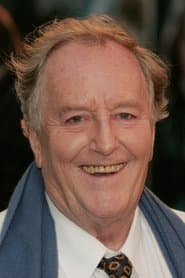
C.S. Lewis's biographer A.N. Wilson goes in search of the man behind Narnia, a highly secretive man whose personal life was marked by the loss of the three women he most loved.
A.N. Wilson
as Self - Presenter
Robert Hardy
as Self - Interviewee
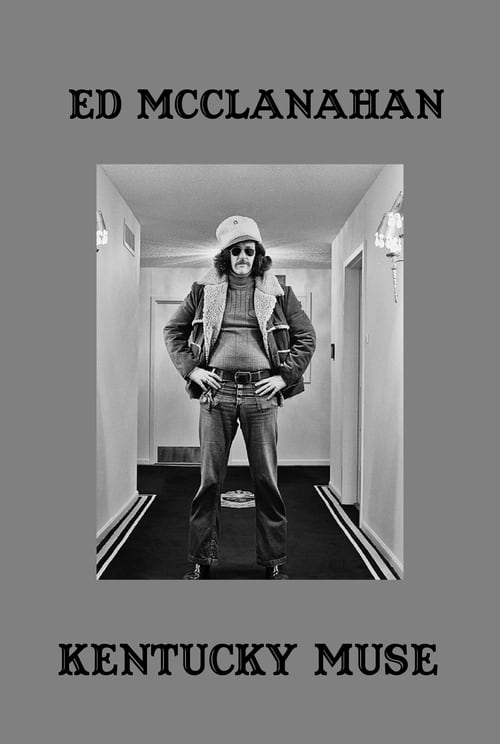
Unable or unwilling to conform to the rigid atmosphere of Washington and Lee College as a freshman, Ed bailed out after a brief stint there to attend—and graduate from—Miami of Ohio. After graduate work at UK, he left for the Left Coast, and it suited him just fine. The first stop was a writing instructorship at Oregon State, then enrollment into the Stanford Writing Program, a move shared by Jim, Wendell, and Gurney. There he cultivated, among other things, relationships with Larry McMurtry, Robert Stone, and—most importantly—Ken Kesey. Ed didn’t just experience the 1960s; he wallowed in them. Also, a bonus interview from 1996 program, Signature Live.
Jack Kerouac's life is examined through interviews with his contemporaries and friends including Allen Ginsberg, Lawrence Ferlinghetti and William S. Burroughs. The film also employs dramatic recreations of Kerouac's life beginning with his early childhood.
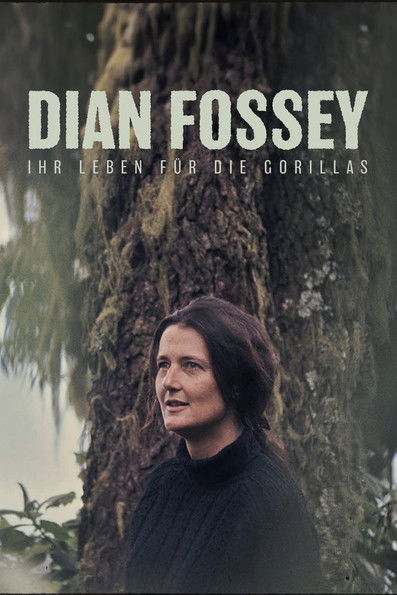
She was the first to study gorillas in their natural environment: the high mountains of Rwanda, where she settled in 1967. For nearly twenty years, Dian Fossey lived with the gorillas, observed their behavior, and changed the way people viewed them. Her relentless fight against poaching prevented the species from becoming extinct. But in December 1985, the primatologist was murdered, and the mystery surrounding her death remains unsolved. Former colleagues, scientists, and biographers shed light on the impact of her work, but also on the darker sides of her personality and her uncompromising commitment.
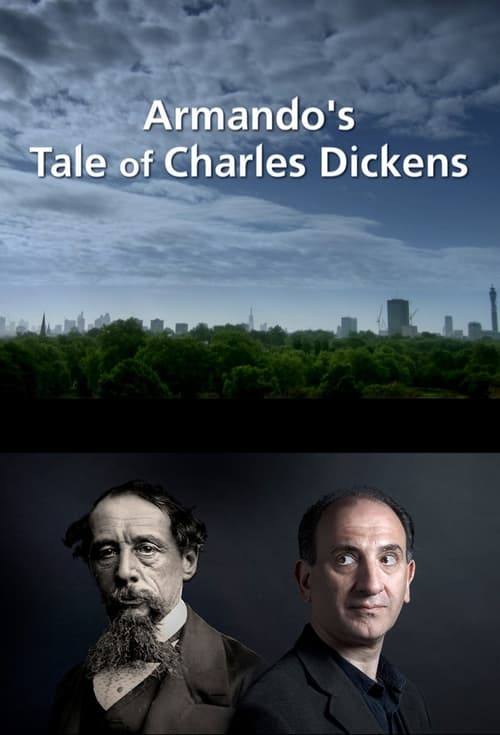
Armando Iannucci presents a personal argument in praise of the genius of Charles Dickens. Through the prism of the author's most autobiographical novel, David Copperfield, Armando looks beyond Dickens - the national institution - and instead explores the qualities of Dickens's work that still make him one of the best British writers. While Dickens is often celebrated for his powerful depictions of Victorian England and his role as a social reformer, this programme foregrounds the elements of his writing which make him worth reading, as much for what he tells us about ourselves in the twenty-first century as our ancestors in the nineteenth. Armando argues that Dickens's remarkable use of language and his extraordinary gift for creating characters make him a startlingly experimental and psychologically penetrating writer who demands not just to be adapted for television but to be read and read again.
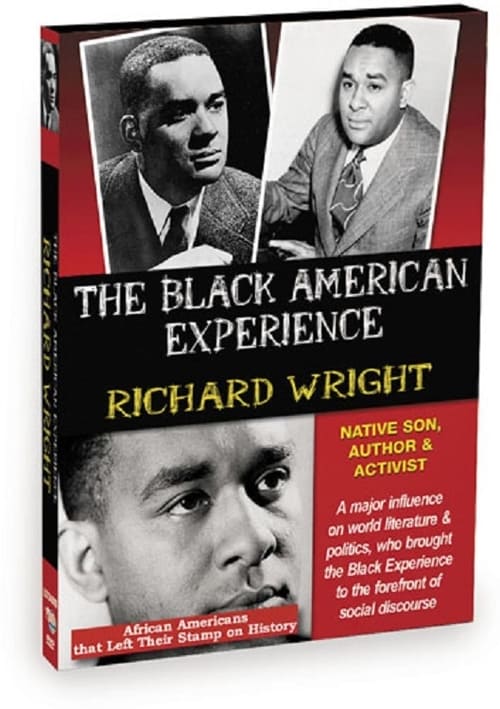
RICHARD WRIGHT was an African-American author of novels, short stories and non-fiction that dealt with powerful themes and controversial topics. Much of his works concerned racial themes that helped redefine discussions of race relations in America in the mid-20th century. Born on a plantation in Mississippi, Wright was a descendent of the first slaves who arrived in Jamestown Massachusetts. This program follows his arduous path from sharecropper to literary giant. Through authors like H.L. Menken, Sinclair Lewis, Theodore Dreiser, he discovered that literature could be used as a catalyst for social change. In 1937 Wright moved to New York and his work began to garner national attention for it's political and social commentary. Much of Wright's writing focused on the African American community and experience; his novel Native Son won him a Guggenheim Fellowship and was adapted to the Broadway stage with Orson Welles directing in 1941.
A ritual of grids, reflections and chasms; a complete state of entropy; a space that devours itself; a vertigo that destroys the gravity of the Earth; a trap that captures us inside the voids of the screen of light: «That blank arena wherein converge at once the hundred spaces» (Hollis Frampton).
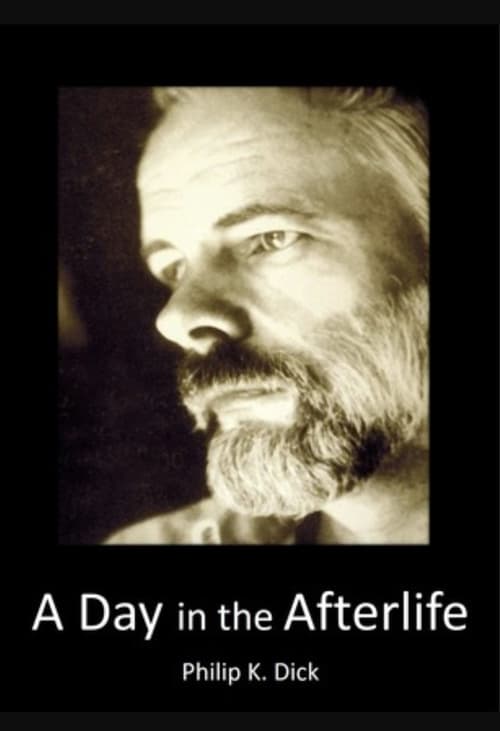
A poetic look at the life and legacy of legendary author Philip K. Dick (1928-1982), who wrote over a hundred short stories and 44 novels of mind-bending sci-fi, exploring themes of authority, drugs, theology, mental illness and much more.
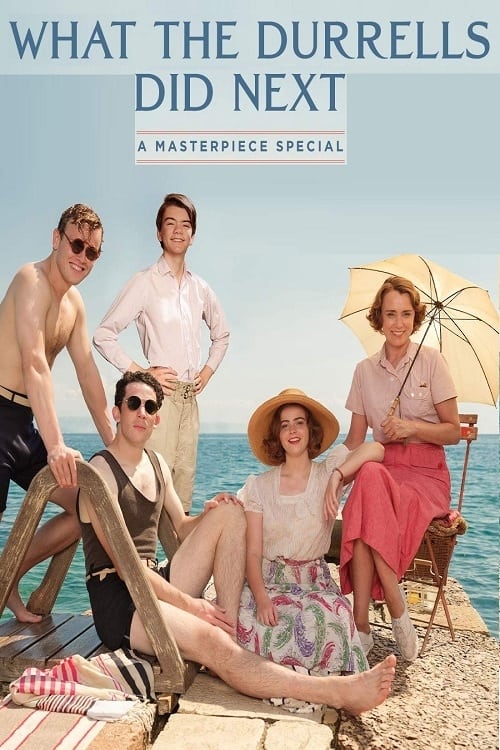
Hosted by Keeley Hawes, star of the popular television series The Durrells, this documentary reveals the adventures of the eccentric Durrell family once they left Corfu, Greece.
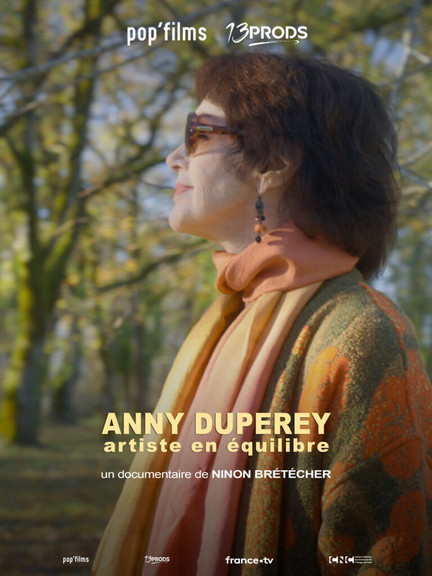
A popular actress, Anny Duperey lived a precarious life for many years until she found a place to settle down in Creuse. It is there that she keeps her photos, writes, and recharges her batteries. In this portrait, she breaks with convention by playing with her image and openly questioning the desires of an actress as her career is revisited.
A documentary 33 years in the making. A director and friend of Kurt Vonnegut seeks through his archives to create the first film featuring the revolutionary late writer.
The making of Jerzy Kosinski. The BBC documentary on the life and art of enigmatic novelist Jerzy Kosinski. Through interviews with his second wife Kiki von Fraunhofer-Kosinski, friends and fellow authors, and Polish villagers who knew Kosinski when he was a child hiding from the scourge of Nazism, this program attempts to assess the verity of Kosinski's "autobiographical" fiction, the need for him to maintain a nebulous mystique about his early life, and to understand his obsession with S&M sex clubs in Manhattan during the 1970s and 1980s.
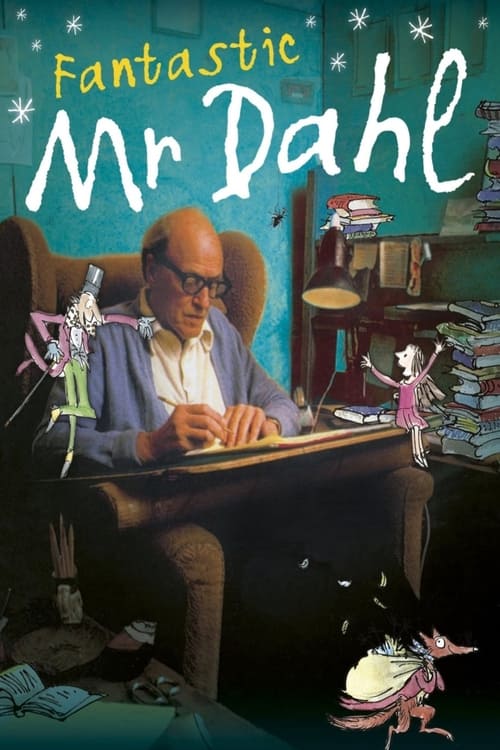
Documentary about author Roald Dahl, produced for the British television series Imagine.
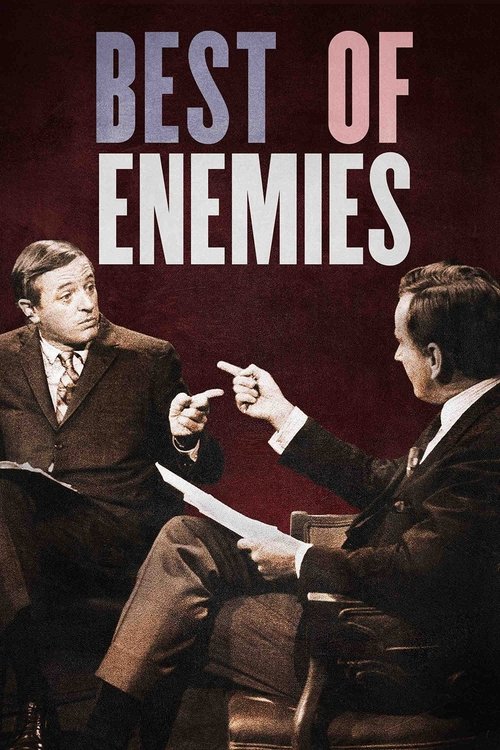
A documentary about the legendary series of nationally televised debates in 1968 between two great public intellectuals, the liberal Gore Vidal and the conservative William F. Buckley Jr. Intended as commentary on the issues of their day, these vitriolic and explosive encounters came to define the modern era of public discourse in the media, marking the big bang moment of our contemporary media landscape when spectacle trumped content and argument replaced substance. Best of Enemies delves into the entangled biographies of these two great thinkers, and luxuriates in the language and the theater of their debates, begging the question, "What has television done to the way we discuss politics in our democracy today?"
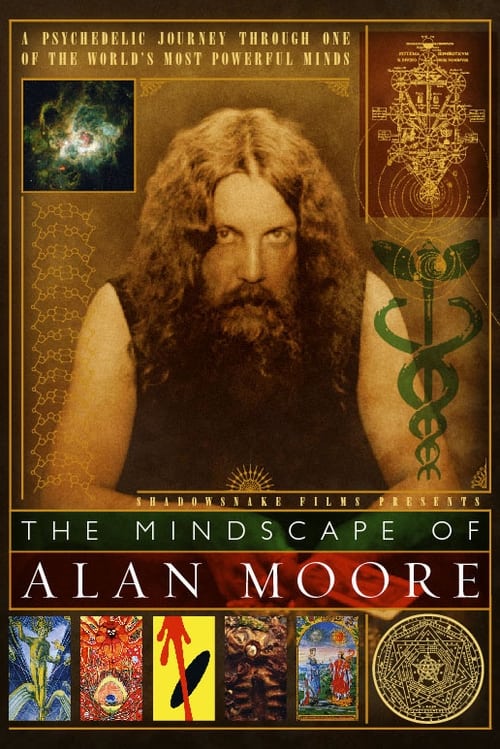
The Mindscape of Alan Moore is a psychedelic journey into one of the world's most powerful minds; chronicling the life and work of Alan Moore, author of several acclaimed graphic novels, including "From Hell," "Watchmen" and "V for Vendetta." It is the only feature film production on which Alan Moore has collaborated, with permission to use his work. Alan Moore presents the story of his development as an artist, starting with his childhood and working through to his comics career and impact on that medium, and his emerging interest in magic.
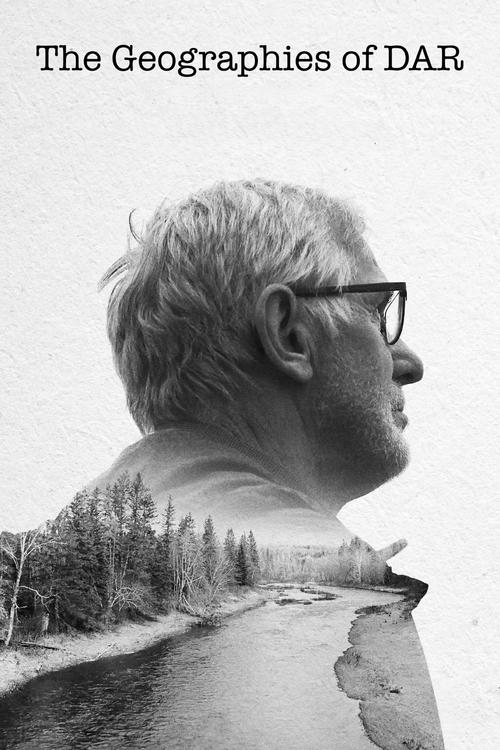
A visually stunning film on acclaimed author David Adams Richards and his connection to one of Canada’s most overlooked yet breathtaking regions.
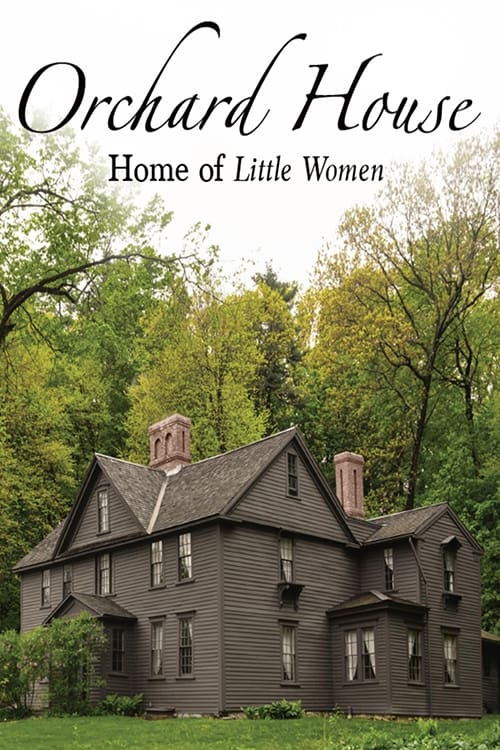
Emmy Award-winning chronicle of the history of Orchard House, the home in Concord, Massachusetts where Louisa May Alcott wrote and set Little Women.
The English novelist, John Le Carré discusses his life as a secret agent and writer in this documentary about spies in fact and fiction, produced for British television.