An honest account from kids who enjoy a local coffee house. Church groups, social organizations, and just average teens used the coffee house as a means to get kids off the streets and into a place of mutual ideals and moral ethics.
In 1971, Bahrain, Qatar and the UAE ceased to be part of Britain’s empire in the Middle East and became fully independent states. BBC News Persia and BBC Arabic collaborate in this gripping film, to uncover the secrets and shady deals that underpinned the decolonization process. From eye-witness accounts of a British-organised coup to Iran being left in control of disputed islands, it's a fascinating insight to a murky history.
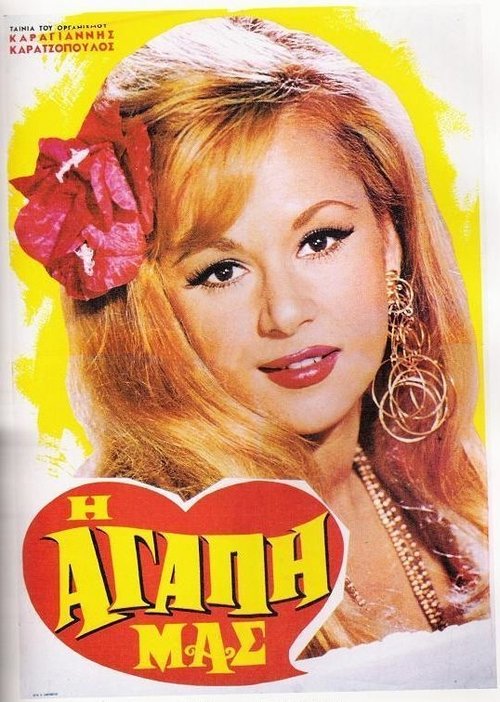
An usherette in a theatre, where a distinguished and popular actor performs, gets her big break when the leading actress has an accident. The director decides to take advantage of the heretofore unexploited talent of the girl and asks her to replace the leading actress. This unexpected opportunity transforms her from a humble usherette into a shining star. Later on, she wins the heart of the leading actor with whom she was secretly in love. However, her sudden rise to theatrical-musical stardom creates complications in their love affair, as her companion sinks into disappointment and drowns himself in drink, abandoning his career. Nevertheless, the usherette/leading actress doesn't give up; She looks for him, finds him and supports him, psychologically and morally, until he makes a comeback to the stage and their love nest.
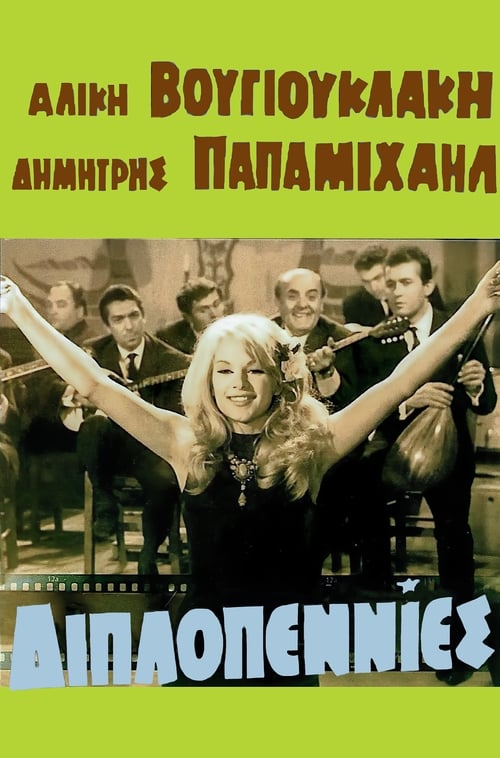
One day, while Grigoris is working and singing at a construction site, a conductor, Vangelis, and two bouzouki musicians happen to pass by. They listen, enchanted by his limpid voice, and suggest that he becomes a member of their orchestra. Thus, the newly-wed day laborer gets a second job at Mr. Lefteris’ night club. His wife, Marina, soon joins him at the club, and, before long, she too goes on stage, cuts capers and charms everyone. Her success, however, has a negative impact on the couple’s relationship, since Marina’s admirers as well as those of Grigoris’, turn one away from the other.
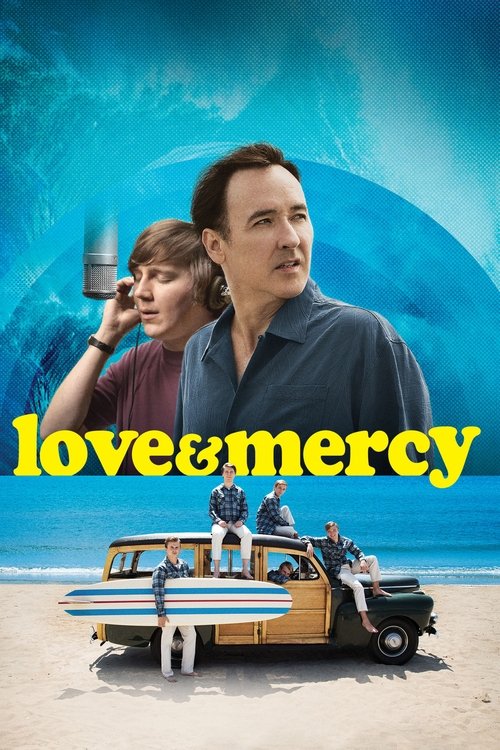
In the late 1960s, the Beach Boys' Brian Wilson stops touring, produces "Pet Sounds" and begins to lose his grip on reality. By the 1980s, under the sway of a controlling therapist, he finds a savior in Melinda Ledbetter.
The bleached palette and home-movie aesthetics of Super 8 footage provide the image track for this testimonial about an illegal abortion in Mexico City in the 1960s, delivered in voiceover by the filmmaker’s mother. In its account of this intimate and disorienting memory, Lesser Choices summons a time of profound uncertainty—a moment from an era without rights—and offers a warning to the present.
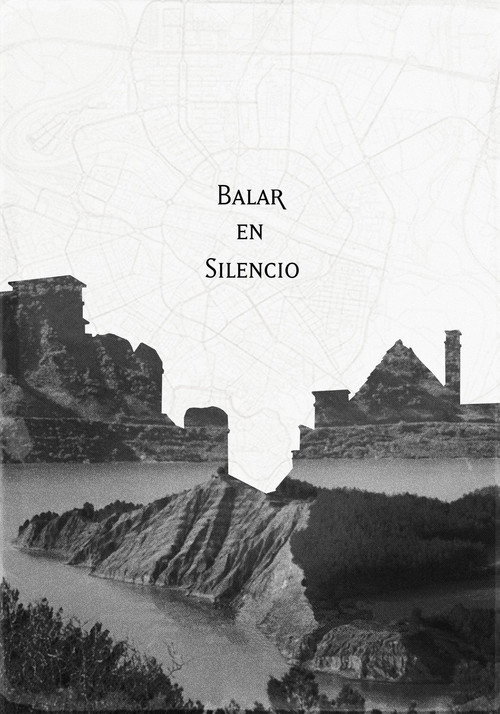
High above the Yesa reservoir lies what was once a village, now nothing more than memories: Tiermas. There, where families and dreams once thrived, wild vegetation now reigns, along with a silence that embraces the passage of time. Yet, if we look closely at what were once streets, houses, and churches, we can sense the whispers of the lives and memories of a community forced to flee its very essence. Tiermas is a limbo between oblivion and nostalgia, where the water has advanced and the trees have grown, but the stories refuse to fade away.
It's Easter time in Crisper County and cable news reporter Marlee Meade (Petunia Rhubarb) is hunting for a way to help others. On a tip that the old town theater will be shut down, Marlee cooks up a plan to save the stage and make a difference through the power of musical theater! With a cast of costume-clad townies, massive props and a 20-foot robot rabbit - "Up With Bunnies" is hatched! There's only one thing missing - the star of the show! When news spreads that singing sensation Cassie Cassava (Melinda Dolittle) is arriving to perform in her hometown church's Easter service, Marlee gets worried. Concerned about the competition, she schemes to steal the starlet for her own pageant! But when things go haywire, will it be curtains for Marlee's dreams - or will she discover the true meaning of Easter and what helping others is really all about?
Made to foster relations between the local residents of Rhymney, in south Wales, and the church.
Learn the terrifying, true story about thirteen months that changed history! In November of 1966 a car full of kids encountered a creature unlike anything they'd ever seen before. In the weeks and months to follow, the monster – now known as The Mothman – was sighted again and again on country roads and around the state of West Virginia.
Simon Birch and Joe Wenteworth are boys who have a reputation for being oddballs. Joe never knew his father, and his mother, Rebecca, is keeping her lips sealed no matter how much he protests. Simon, meanwhile, is an 11-year-old dwarf whose outsize personality belies his small stature. Indeed, he often assails the local reverend with thorny theological questions and joins Joe on his quest to find his biological father.
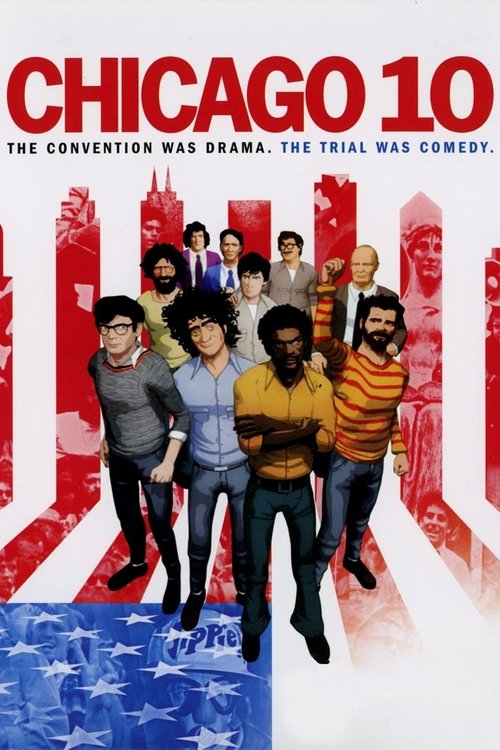
Archival footage, animation and music are used to look back at the eight anti-war protesters who were put on trial following the 1968 Democratic National Convention.
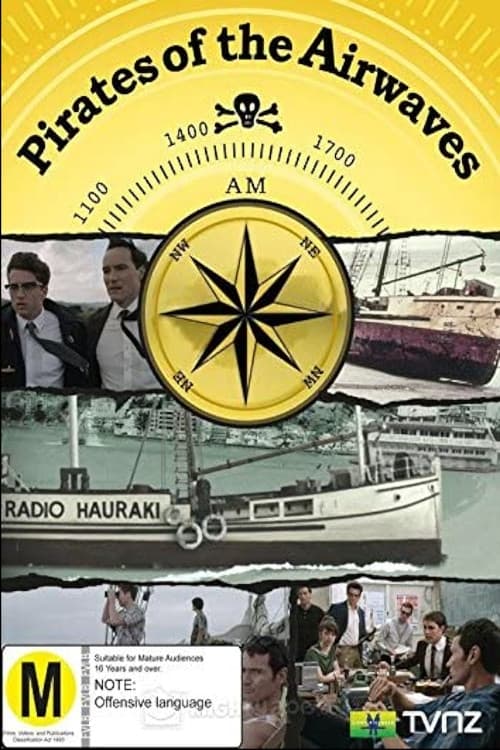
In 1966 a group of determined young men defied the New Zealand government and launched a pirate radio station aboard a ship in the Hauraki Gulf.
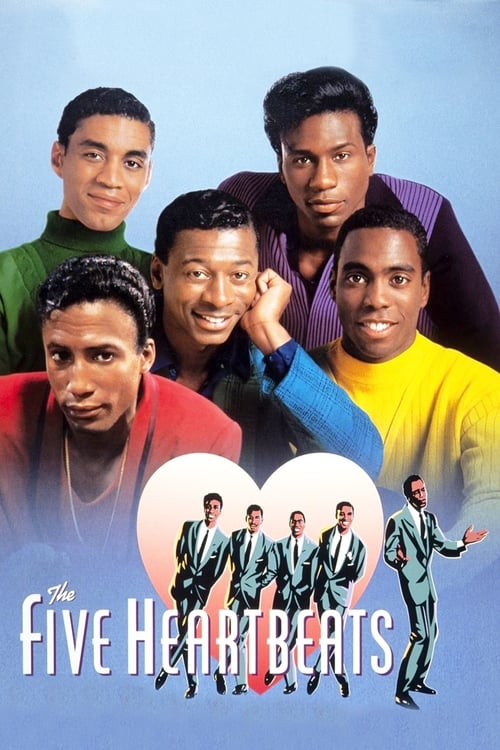
In the early 1960s, a quintet of hopeful, young African-American men form an amateur vocal group called The Five Heartbeats. After an initially rocky start, the group improves, turns pro, and rises to become a top flight music sensation. Along the way, however, the guys learn many hard lessons about the reality of the music industry.
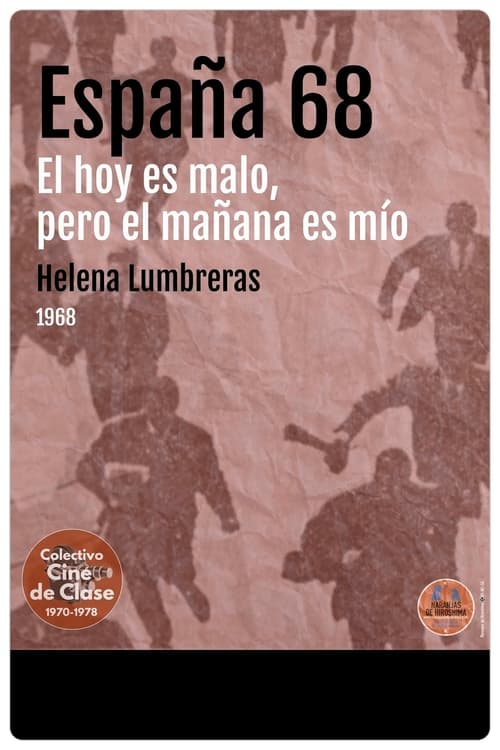
Spain, 1968. An analysis of the political and social situation of the country, suffocated by the boot of General Franco's tyrannical regime. (Filmed clandestinely in Madrid and Barcelona during the spring of 1968.)
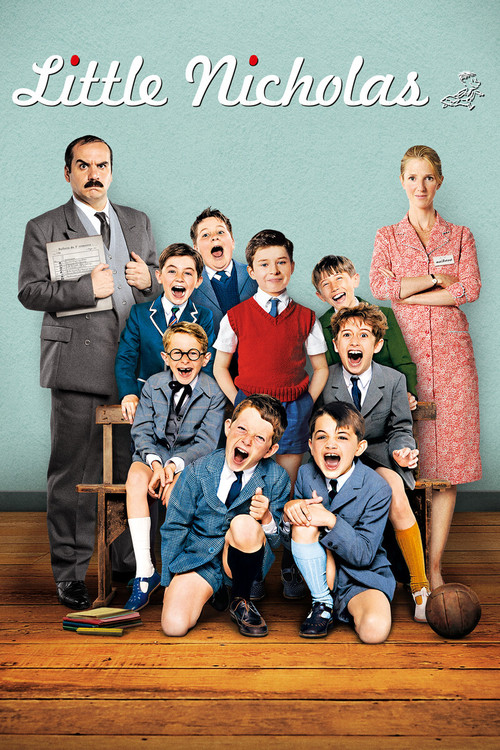
Nicolas has a happy existence, parents who love him, a great group of friends with whom he has great fun, and all he wants is that nothing changes. However, one day, he overhears a conversation that leads him to believe that his life might change forever, his mother is pregnant! He panics and envisions the worst.
1967 Navy training film MN-10507-A. Navy physician talks about the dangers of LSD or "Russian roulette in a sugar cube." National Archives Identifier: 6379 "How LSD was discovered, the extreme dangers of using it and how it affects the brain and body."