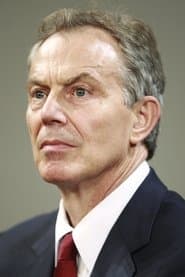
Trevor Phillips confronts some uncomfortable truths about racial stereotypes, as he asks if attempts to improve equality have led to serious negative consequences.
Trevor Phillips
as
Nigel Farage
Tony Blair
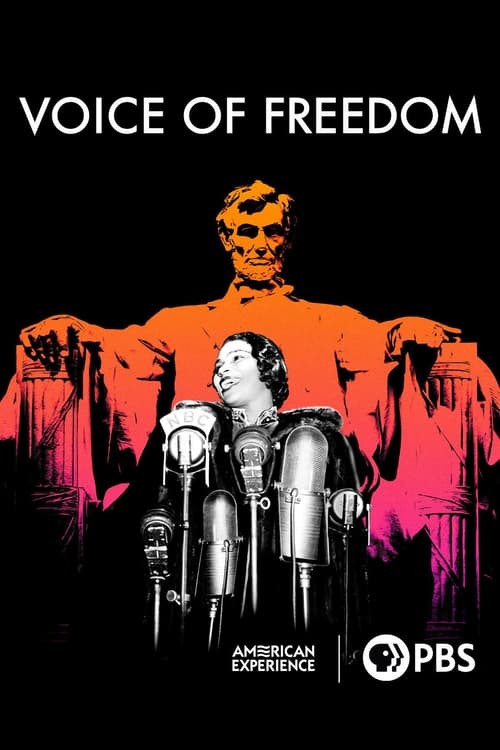
On Easter Sunday, 1939, contralto Marian Anderson stepped up to a microphone in front of the Lincoln Memorial. Inscribed on the walls of the monument behind her were the words “all men are created equal.” Barred from performing in Constitution Hall because of her race, Anderson would sing for the American people in the open air. Hailed as a voice that “comes around once in a hundred years” by maestros in Europe and widely celebrated by both white and black audiences at home, her fame hadn’t been enough to spare her from the indignities and outright violence of racism and segregation.
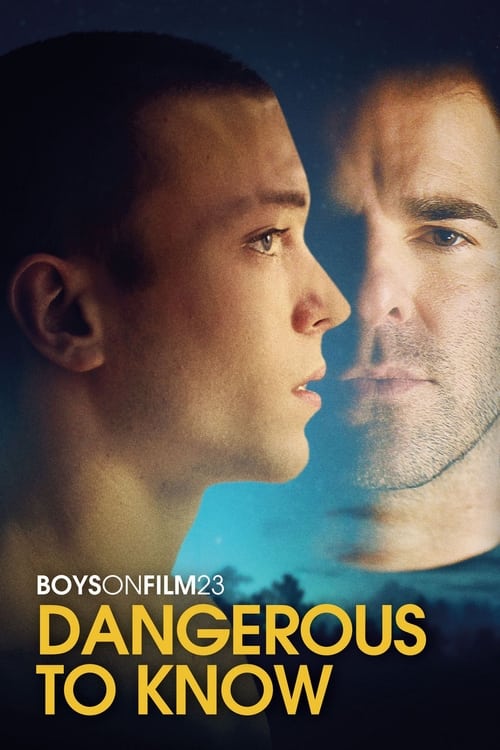
Boys on Film presents ten encounters from across the globe, where the dangerous allure of a risky attraction yields emotional results — proving that the age-old adage of taking the plunge is as relevant — and sexy — as ever before. The 10 short films are: My Uncle's Friend [O Amigo do Meu Tio] (2021); Budapest, Closed City [Budapest, zárt város] (2021); Eden (2020); Chaperone (2022); Break Me [Knus meg] (2018); By His Will [שעשני כרצונו] (2021); Red Ants Bite (2019); Jim (2022); Hornbeam (2022); Too Rough (2022).
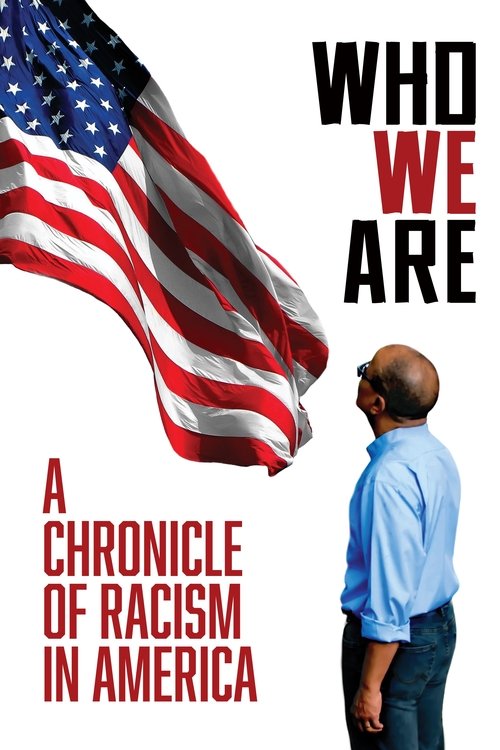
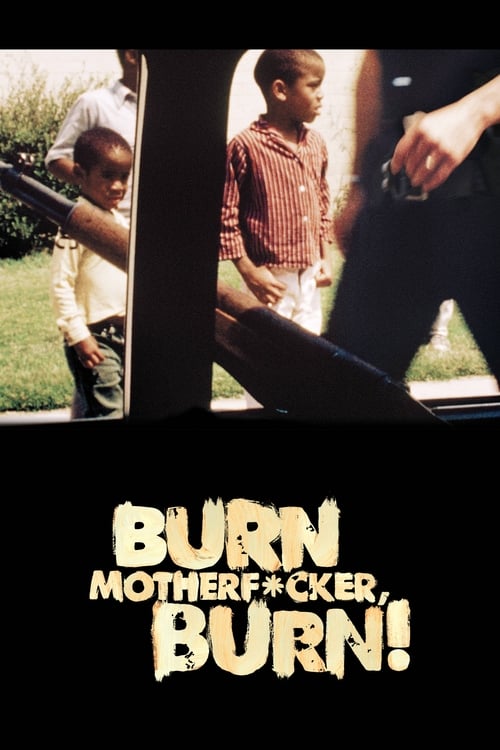
Jeffery Robinson's talk on the history of U.S. anti-Black racism, with archival footage and interviews.
An in-depth and provocative look at the 1992 Los Angeles riots exploring the roots of civil unrest in California and the relationship between African Americans and LAPD.
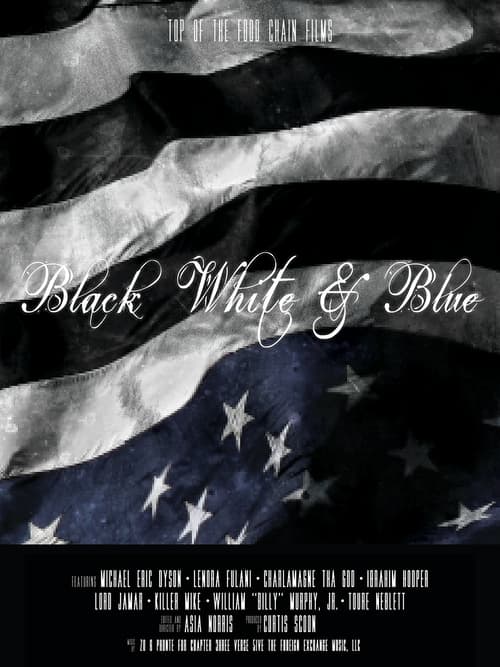
Black White & Blue covers race issues in America, police brutality, the Black Lives Matter movement, the Flint Water Crisis, and the 2016 election of President Donald Trump. The film features one-on-one interviews with notable African-Americans: Michigan Senator Coleman Young II, Baltimore attorney William "Billy" Murphy Jr., rapper Killer Mike, former NYPD Officer Michael Dowd and others.
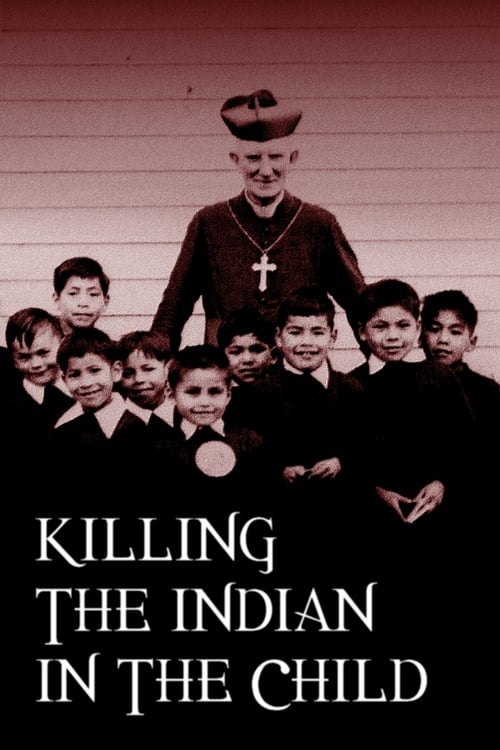
The Indian Act, passed in Canada in 1876, made members of Aboriginal peoples second-class citizens, separated from the white population: nomadic for centuries, they were moved to reservations to control their behavior and resources; and thousands of their youngest members were separated from their families to be Christianized: a cultural genocide that still resonates in Canadian society today.
Emmett Till was brutally killed in the summer of 1955. At his funeral, his mother forced the world to reckon with the brutality of American racism. This short documentary was commissioned by "Time" magazine for their series "100 Photos" about the most influential photographs of all time.
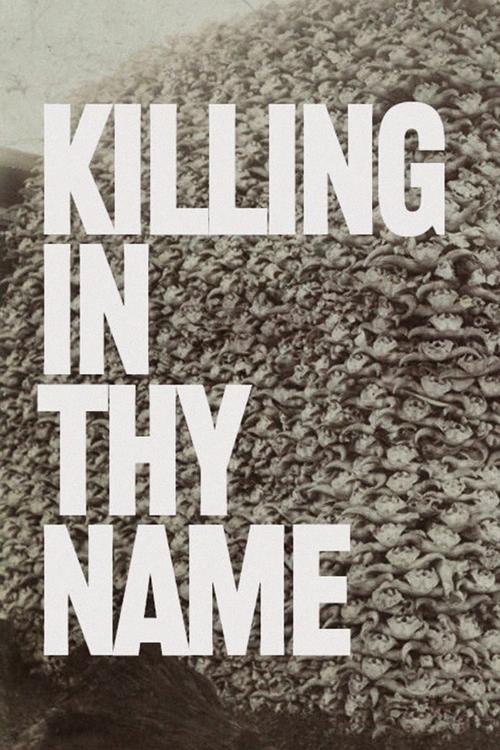
A teacher gives a brief history lesson on the concept of whitness to students. This is intercut with Rage Against the Machines Killing in The Name of as well as quotes relating to the discussion. It goes onto critique racism and the overall structure of wealth and power in America and the history that generated it.
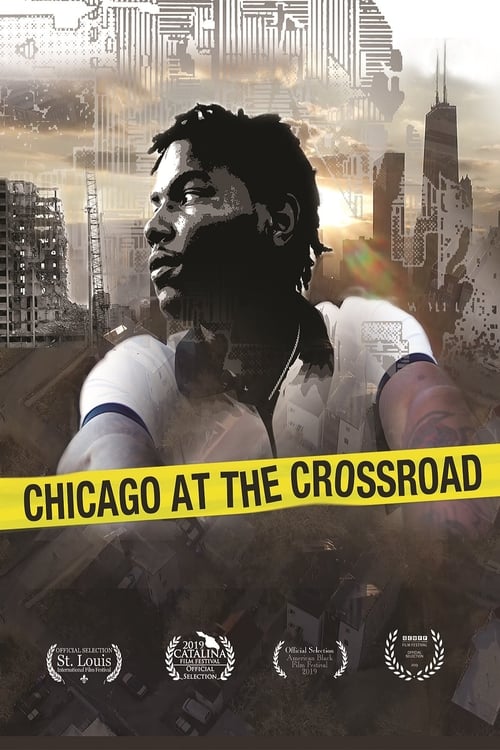
While gun violence was on the decline in most major US cities, why did it continue to increase in Chicago's segregated communities? What is known about the systems that created the problem, the laws that isolated it, and the policies that abandoned it? Using dramatic footage, including interviews with residents on the front lines over the last 15 years, this documentary opens a rare historical window into the systematic creation of poverty stricken communities plagued by gun violence.
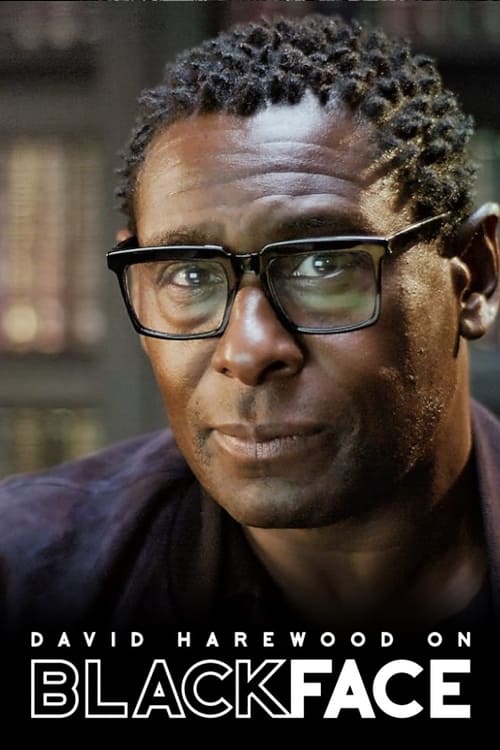
At its peak, The Black and White Minstrel Show was watched by a Saturday night audience of more than 20 million people. David Harewood goes on a mission to understand the roots of this strange, intensely problematic cultural form: where did the show come from, and what made it popular for so long? With the help of historians, actors and musicians, David uncovers how, at its core, blackface minstrelsy was simply an attempt to make racism into an art form - and can be traced back to a name and a date.
Twenty-five films from twenty-five European countries by twenty-five European directors.
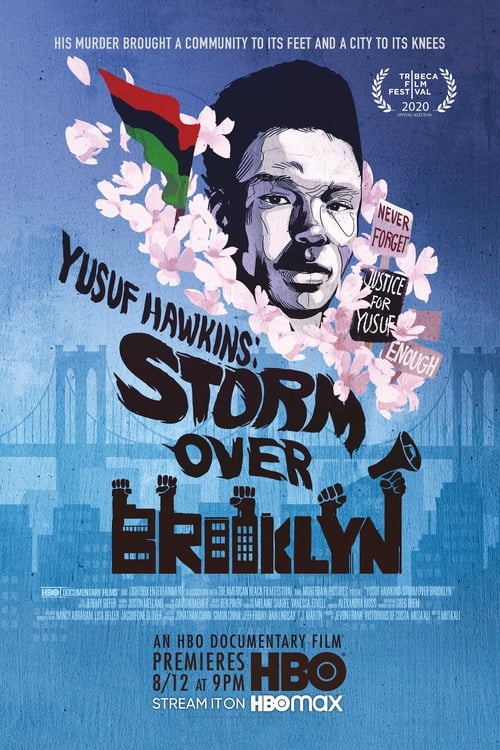
The 30-year legacy of the murder of black teenager Yusuf Hawkins by a group of young white men in Bensonhurst, Brooklyn, as his family and friends reflect on the tragedy and the subsequent fight for justice that inspired and divided New York City.
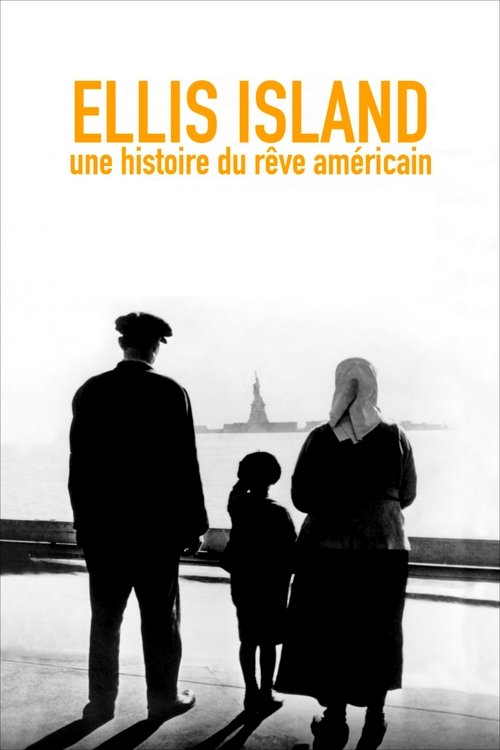
In 1892, Ellis Island, in New York Bay, became the main gateway to the United States for immigrants arriving increasingly from Europe. The story of immigration to the United States from 1892 to 1954, an enthralling polyphonic narrative that embraces both small and great history.
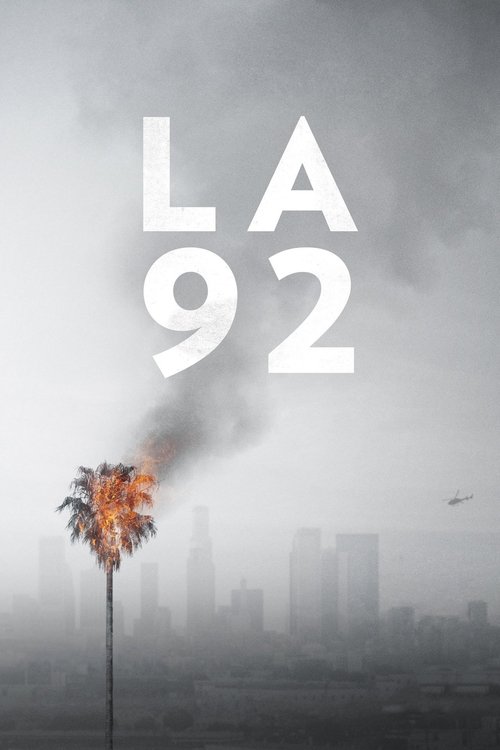
Twenty-five years after the verdict in the Rodney King trial sparked several days of protests, violence and looting in Los Angeles, LA 92 immerses viewers in that tumultuous period through stunning and rarely seen archival footage.
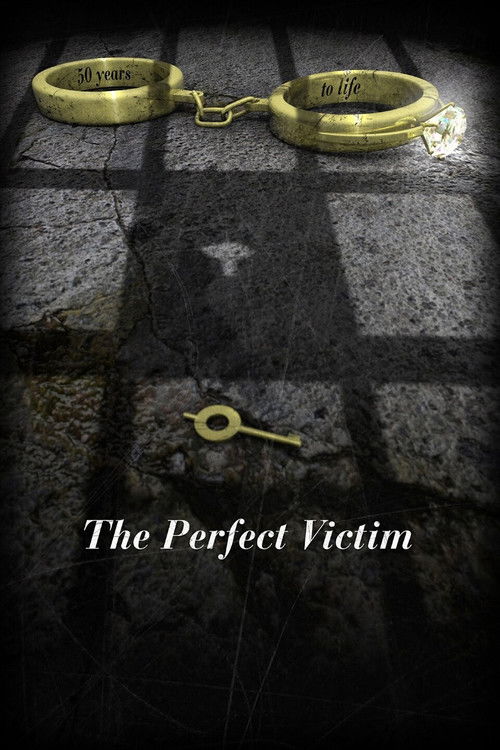
For over thirty years, three women have languished in Missouri State prison under unjust sentences for killing their abusive husbands. Denied the opportunity to enter the abuse into evidence, each of the women represents a system broken by outdated and media-sensationalized stereotypes. When a greater understanding of the "battered" syndrome change legal practices in 2000, Missouri's Governor crafts a new law demanding the parole board reevaluate each woman's case.
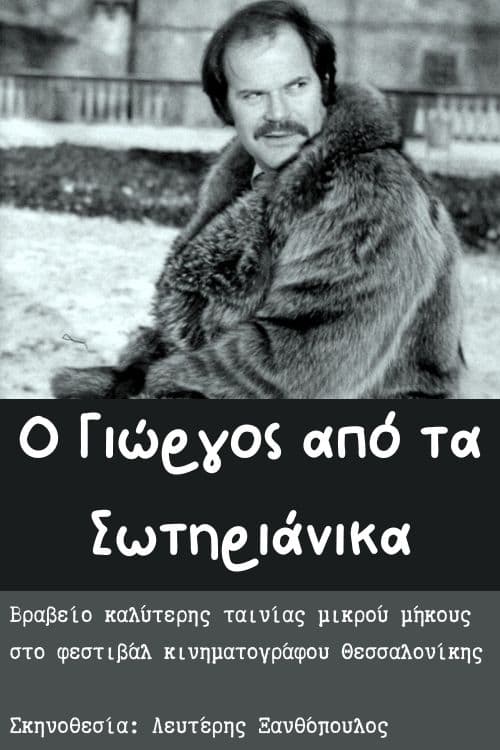
The story of a successful Greek immigrant, the restaurant owner Giorgos Kozompolis, who emigrated in the mid 1960’s from the poor village of Sotirianika, in Mani to the developed city of Heidelberg in the Federal Republic of Germany.