This documentary tries to capture the fresh sense of triumph in the eyes of the Egyptian soldiers after the 1973 war with Israel.
Nadia Lotfi
as متطوعة في مستشفى المنيل الجامعي
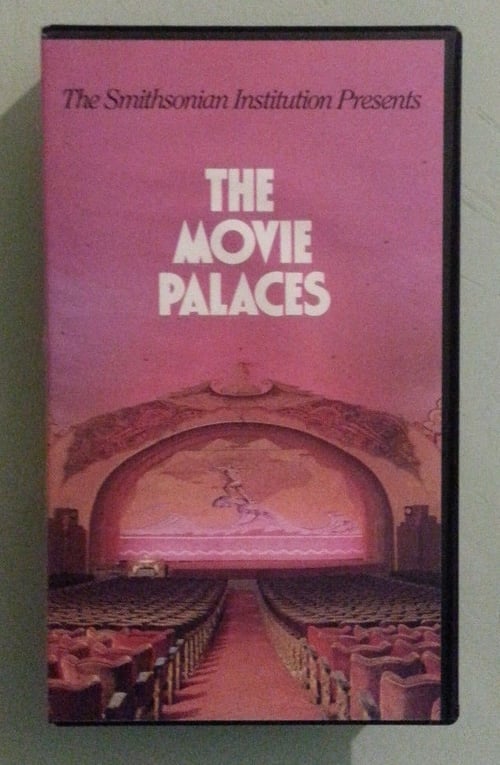
A documentary about the great American movie palaces of the 1920s and 1930s. Filmed on location at some of the extraordinary theaters across the country, the program explores the diverse and priceless architecture of such greats as the Atlanta Fox, the Wiltern in Los Angeles, San Antonio's Majestic, Seattle's Fifth Avenue and, perhaps the most famous, Radio City Music Hall in New York City. Also included are stills and vintage clips of classic movies and newsreels of the era that illustrate the historical evolution and mass appeal of the movie palaces. Picture palace organist Gaylord Carter performs a variety of movie accompaniments.
A young Bulgarian girl digs into her grandfather's turbulent life in an attempt to unravel the past and find answers and explanations for the catastrophic fall of communism.
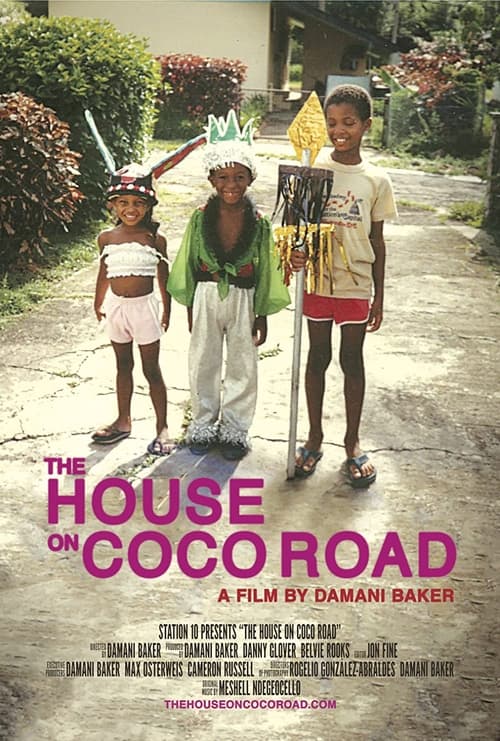
An intimate documentary exploration of heritage and history against the backdrop of a brewing Afro-centric revolution as the U.S. government prepares to invade the island nation of Grenada. First hand accounts from activists Angela Davis, Fania Davis and Fannie Haughton weave together director Damani Baker’s family portrait of utopian dreams, resistance and civil unrest with a film score composed by music luminary Meshell Ndegeocello.
There never was a star quite like her. Adored by adults and children alike, at four she already led at the box office — ahead of Gable and Cooper. Her films saved a movie studio from bankruptcy, and a President credited her with raising the morale of Depression-weary Americans. Her earliest movies gave a foretaste of her talents and soon would become the songs and dances that helped make those movies immortal.
This documentary offers a behind-the-scenes look at Björk and her touring entourage for the 2001 Vespertine tour. It includes interviews with harpist Zeena Parkins, the Inuit choir from Greenland, electronic duo Matmos, and an ongoing conversation with Björk herself about her recordings and her tours. The documentary is interspersed with live footage of songs from the tour shot by Ragnheidur Gestsdóttir, which themselves correspond to the performances chosen for the Vespertine Live album.
A documentary which takes a dispassionate look at the "born again Christian" phenomenon, by examining the power source of the fundamentalist movement: the small, tightly knit community church. The program looks at an independent Baptist church outside Worcester, Massachusetts--the Shawmut Valley Baptist Church--and shows the impact of the fundamentalist religion on the lives of several members of the congregation.
A documentary about the centuries-old story of one of the biggest clubs in Brazilian football. From its foundation, the early years, the continental and world titles and the achievementes of its greatest stars.
The documentary goes through the 23 years of MTV Brazil, taking stock from the avant-garde to the ostracism of the broadcaster that was the main guide for the musical, cultural and social formation of young people in the 90's and 2000's with interviews and testimonials from former VJ's and artists that emerged and became popular in the country because of the channel.
John Rambo is released from prison by the government for a top-secret covert mission to the last place on Earth he'd want to return - the jungles of Vietnam.
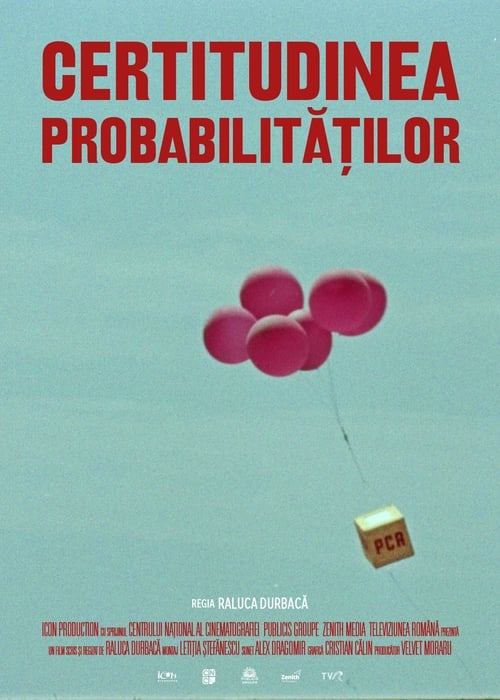
1968, The Socialist Republic of Romania. Women catch up on the latest tendencies in beachwear, the young hippies of Hamburg are harshly criticized by Romanian students, while Nicolae Ceaușescu reads the famous defiance speech against the intervention of the Warsaw Pact troops in Czechoslovakia. Floating solemnly over all this is The Internationale, sung on a stadium by a crowd of pioneers dressed in white shirts and red ties. A certainty for each probability: the documentary is at the same time a history lesson and an ideological warning sign, the director’s endeavour permanently draws our attention to the functions of the propaganda film, yet without tarnishing the fascination that dwells in the core of the images, that of the figures that wave at us from a past buried in commonplaces and political parti pris.
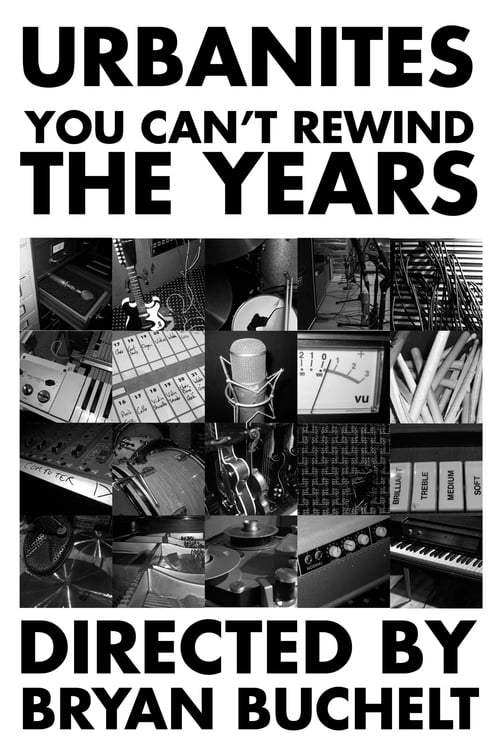
When you listen to The Years, the debut studio recording from Urbanites, you're hearing a band in progress. They wanted to make The Years differently, and decided to record the album together, live, in the same space - Studio A of Electrical Audio in Chicago, Illinois. With the exception of limited overdubs, (vocals, drum ensembles and laptop atmospherics) each song represented one collective take, warmly captured to two inch analogue tape. This recording method embraced the mistake as much as the moment. They also chose to document the making of the record with a film, appropriately titled, 'You Can't Rewind The Years'. With a new understanding and years of progress to come, these longtime friends are making the music that they'd always hoped to. As they sing, in The Years' standout track Restless, "Not without trial, not without err - this brokenness is ours to share."
A group of soldiers are sentenced for the murders of key political figures in the night of October 19th, 1921, in the streets of Lisbon. But the names of the conspirators remain unknown. Berta Maia, a widow of the 1910 revolution hero Carlos da Maia, will fight for the truth…
On August 8, 1988, the world’s first and largest Satanic rally took place. Ripped from a video featuring Satanist talking about creating a New World Order and killing off the masses. The 8-8-88 ritual was conducted right at the heart of the Satanic Panic. The goal, further exploit and feed upon the energies produced by the fears of the ignorant general public and media. It was shown to a sold-out crowd of degenerates promising them, “A Bitter Message of Hopeless Grief,” “A Nightmare of TERROR!” and “An Evening of Apocalyptic Delight!”
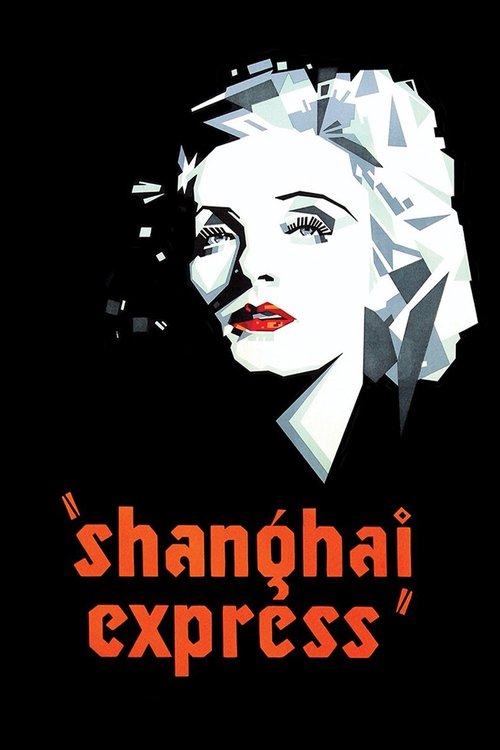
A beautiful temptress re-kindles an old romance while trying to escape her past during a tension-packed train journey.
Talented teen musicians from around the USA spend a week working with Grammy nominated professionals
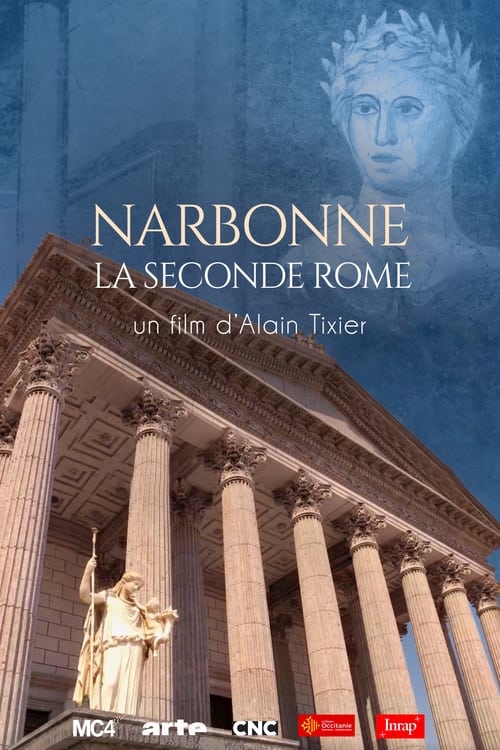
More than 2.000 years ago, Narbonne in today's Département Aude was the capital of a huge Roman province in Southern Gaul - Gallia Narbonensis. It was the second most important Roman port in the western Mediterranean and the town was one of the most important commercial hubs between the colonies and the Roman Empire, thus the town could boast a size rivaling that of the city that had established it: Rome itself. Paradoxically, the town that distinguished itself for its impressive architecture, today shows no more signs of it: neither temples, arenas, nor theaters. Far less significant Roman towns like Nîmes or Arles are full of ancient sites. Narbonne today is a tranquil town in Occitania
Michael Moore's view on how the Bush administration allegedly used the tragic events on 9/11 to push forward its agenda for unjust wars in Afghanistan and Iraq.
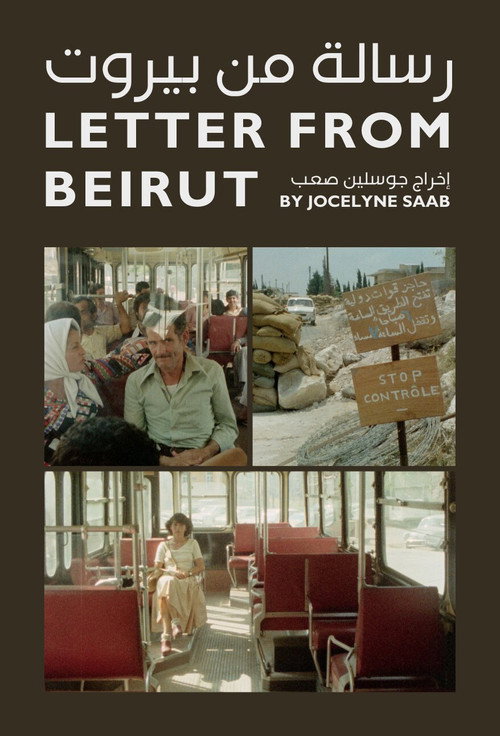
Letter from Beirut documents the filmmaker's return to Beirut during one of the lulls, three years after the outbreak of the civil war, animated by the urge to return. She is confronted by the physical, emotional and psychological ravages of the war, terrified and sorrowful, she cannot find her place in the city. In that quest, she communicates with everyday people, friends, neighbors, people riding the bus across the city's eastern and western flanks. To pace her journeying and dramatic unraveling of the film, Saab borrows the guise of a letter read in a voice-over, written by world-renowned poet Etel Adnan. A rare document from the civil war, Letter from Beirut lays bare and spontaneously how people make sense of their everyday in the midst of chaos, violence, terror and sorrow.
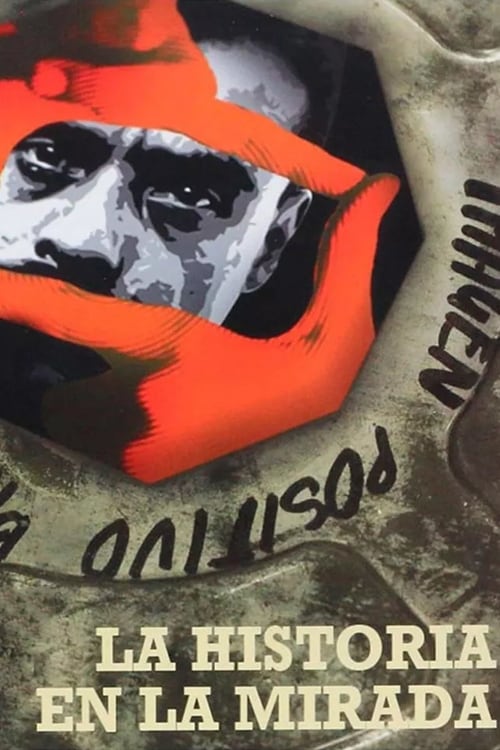
The film portraits the stage previous to the outbreak of the Mexican Revolution, from the end of Porfirio Díaz´ government, the social volatility, the ephemeral government of Madero and the presence of the working class in the figures of Villa and Zapata, until the signing if the Constitution of 1917. All of this through moving images, filmed during those events mainly by the Alva brothers, filmmakers of that time. Those images let us perceive the contradictory and shuddered glance of the people of that period.