Documentary about the Cold War spy George Blake, who betrayed his colleagues to the KGB, then escaped from Wormwood Scrubs five years later and fled to the Soviet Union.
George Blake
as
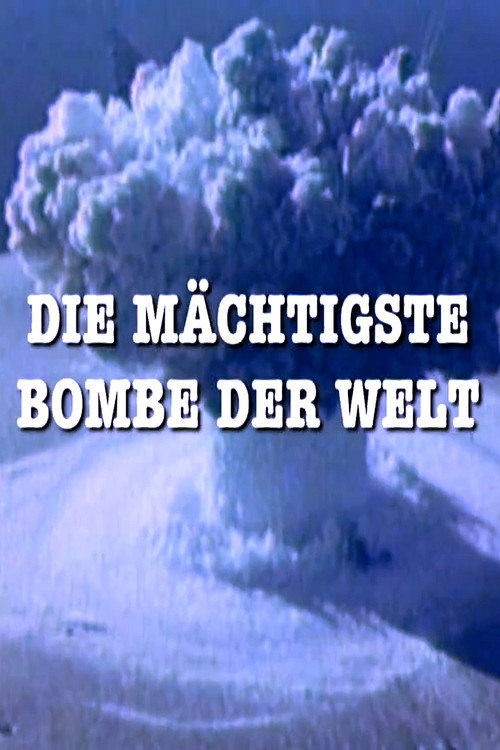
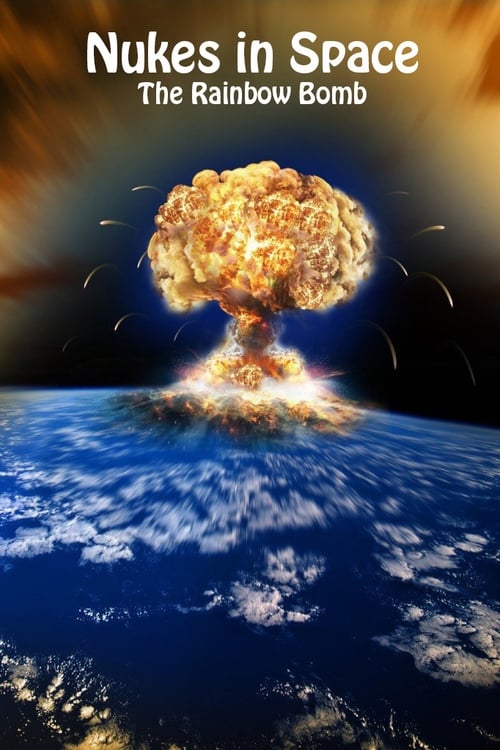
U.S. nuclear tests in space, and the development of the military intercontinental ballistic missile (ICBM).
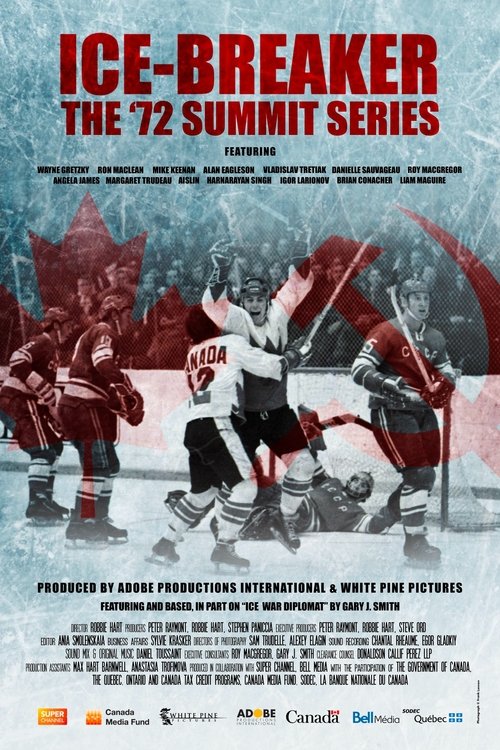
September 2022 marked the 50th anniversary of the Summit Series, the iconic hockey tournament that pitted the best players from Canada against the best from the Soviet Union. This documentary enlarges the canvas to tell the story from the unique perspectives of a diverse group who are rarely, if ever, heard: diplomats, NHL hockey legends, Soviet players, journalists, fans, broadcasters, business leaders and Team Canada’s Chairman – all reveal untold stories about what happened before, during, and after September ‘72.
The Conference on Security and Cooperation in Europe (CSCE) was the starting point for the slow but sure collapse of communist authoritarian rule in Eastern Europe. The Helsinki Effect offers new perspectives on the events of the Cold War. The film tells the story of the CSCE process, which had a major impact on the end of the Cold War, and sheds light on secret top-level discussions behind closed doors, through voice simulations using artificial intelligence.
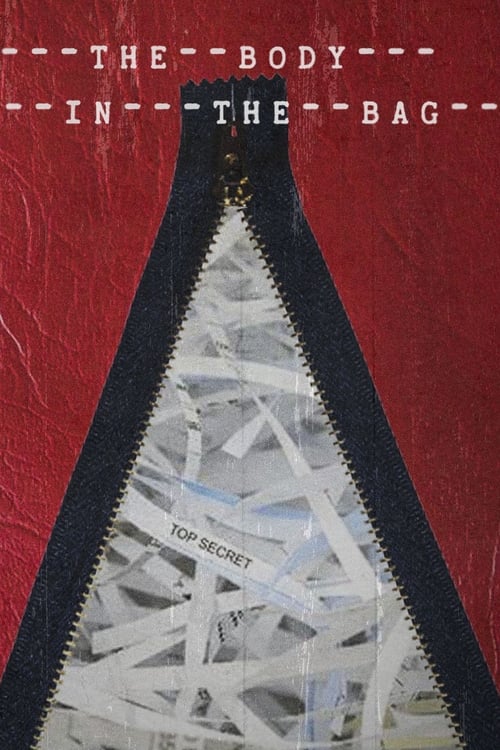
Examining one of the most baffling unexplained deaths of recent years. In August 2010, Gareth Williams, a GCHQ employee on a 3-year secondment to MI6, was found dead inside a padlocked duffle bag in the bath of his London flat.
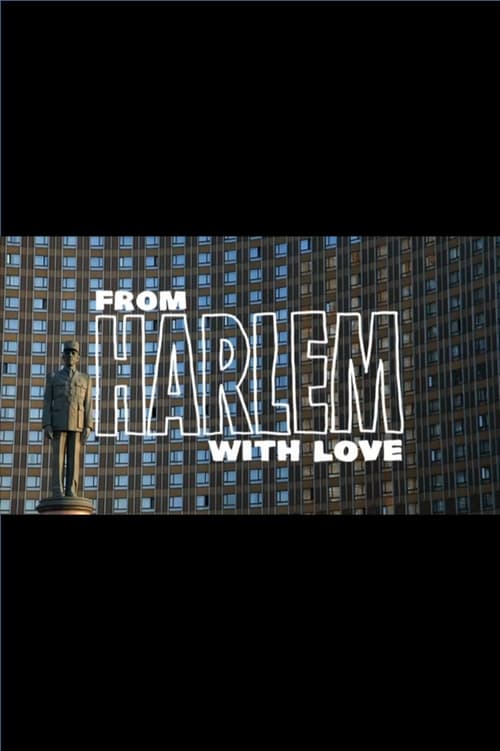
Tensions between the USSR and the United States were high in 1959, with the seemingly constant threat of nuclear war. Then some unlikely ambassadors stepped forward to clear all that away: the Harlem Globetrotters. From Harlem With Love is the story of how a group of barnstorming basketball players traveled to the heart of the Soviet Union at the height of the Cold War and bridged a cultural gap many thought would stand forever.
Jazz and decolonization are intertwined in a powerful narrative that recounts one of the tensest episodes of the Cold War.
Jonathan Stavleu explores, in a stream-of-consciousness video essay, the relationship people have with water and what happens when access to it is taken away. For this work, he examines anecdotal histories he has heard from Estonians, as well as stories from his own family history in the Netherlands, weaving them together into a journal-like narrative.
A landmark four disc Box Set - Unearthed from Moscow's legendary Soyuzmultfilm Studios, the 41 films in ANIMATED SOVIET PROPAGANDA span sixty years of Soviet history (1924 - 1984), and have never been available before in the U.S.
How the Soviet Union was able to copy the Boeing B-29 Superfortress bomber, and the influence of the resulting Tupolev TU-4 on the Cold War.
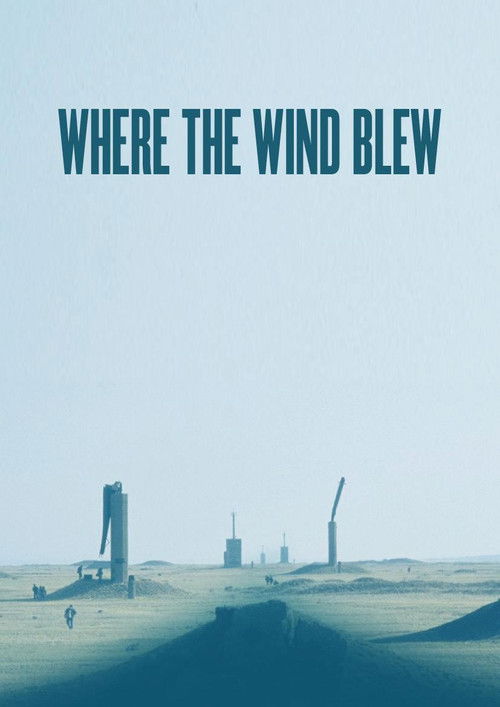
Where the Wind Blew, looks at the legacy of nuclear bomb testing during the Cold War in Kazakhstan (USSR) and Nevada (USA) told through the eyes of the victims, activists and participants.
Portentously portrays the evacuation of Portland, Oregon, when threatened by a nuclear attack on its state-of-the-art civil defense system.
This film shows how far we have come since the cold-war days of the 50s and 60s. Back then the Russians were our "enemies". And to them the Americans were their "enemies" who couldn't be trusted. Somewhere in all this a young girl in Oklahoma named Shannon set her sights on becoming one of those space explorers, even though she was told "girls can't do that." But she did.
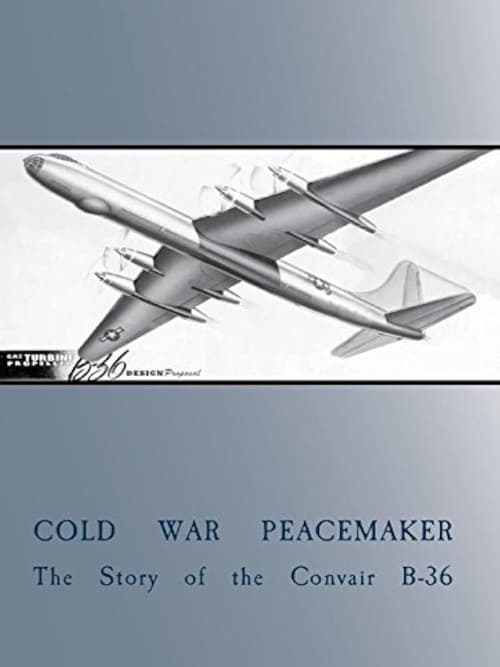
Cold War Peacemaker is the amazing and unique story of the development of the B-36 very-long-long-range nuclear bomber. From its beginnings during WWII, through construction in a former wild-west cattle town and deployment into the Cold War, the story of the Convair B-36 and how it intimidated the Soviet Union is a fascinating study in politics and technology. In Cold War Peacemaker, experience life during the Cold War as your parents and grandparents lived it and discover and understand how the Convair B-36 played a vital role in saving the free world from communist domination.
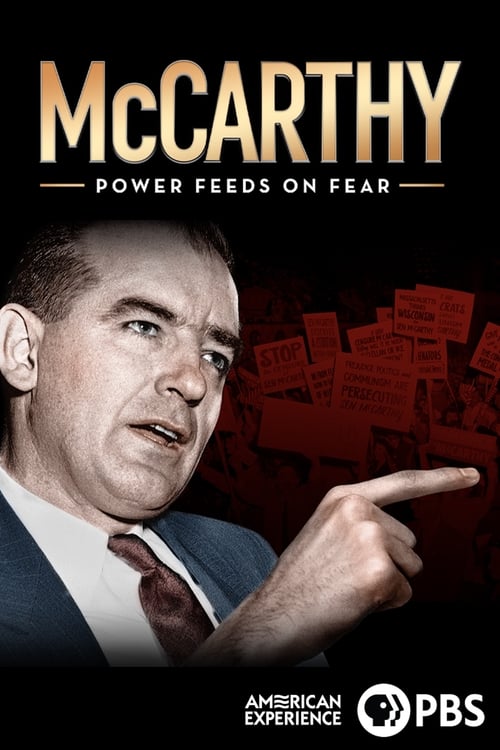
"McCarthy" chronicles the rise and fall of Joseph McCarthy, the Wisconsin senator who came to power after a stunning victory in an election no one thought he could win. Once in office, he declared that there was a vast conspiracy threatening America — emanating not from a rival superpower, but from within. Free of restraint or oversight, he conducted a crusade against those he accused of being enemies of the state, a chilling campaign marked by groundless accusations, bullying intimidation, grandiose showmanship and cruel victimization. With lawyer Roy Cohn at his side, he belittled critics, spinning a web of lies and distortions while spreading fear and confusion. After years in the headlines, he was brought down by his own excesses and overreach. But his name lives on linked to the modern-day witch hunt we call “McCarthyism.”
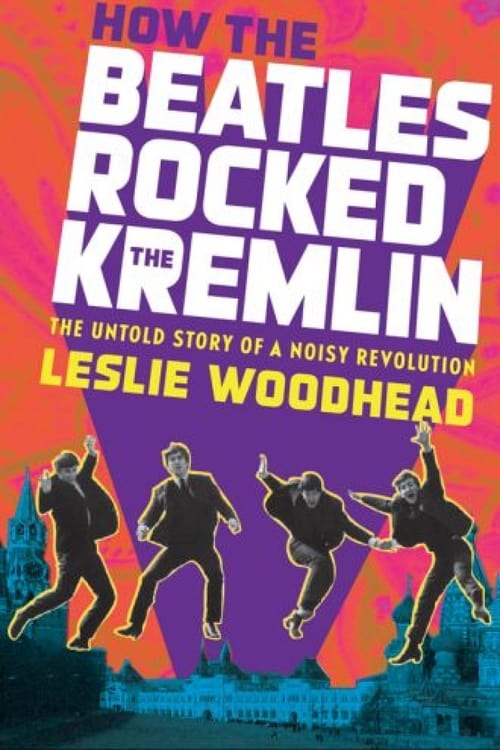
In August 1962, director Leslie Woodhead made a two-minute film in Liverpool's Cavern Club with a raw and unrecorded group of rockers called the Beatles. He arranged their first live TV appearances on a local show in Manchester and watched as the Fab Four phenomenon swept the world. Twenty-five years later while making films in Russia, Woodhead became aware of how, even though they were never able to play in the Soviet Union, the Beatles' legend had soaked into the lives of a generation of kids. This film meets the Soviet Beatles generation and hears their stories about how the Fab Four changed their lives, including Putin's deputy premier Sergei Ivanov, who explains how the Beatles helped him learn English and showed him another life. (Storyville)