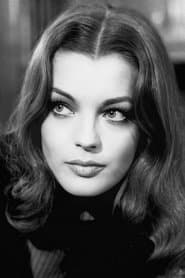
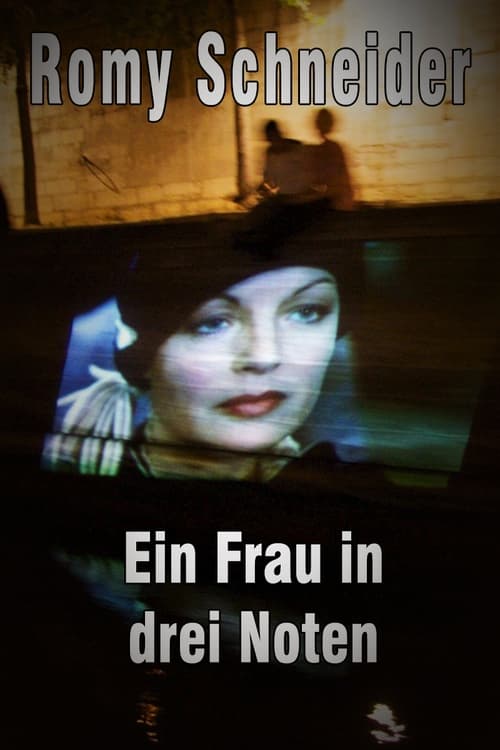
Documentary about young actress Romy Schneider, capturing just the right moment between her first career as a young actress in mainstream "Unterhaltungskino" ("entertainment cinema") and her second one as acknowledged European arthouse actress.
Romy Schneider
as Self
Hans-Jürgen Syberberg
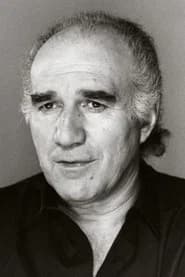
Michel Piccoli
Jean Chapot
Gunther Kortwich
Jean Penzer
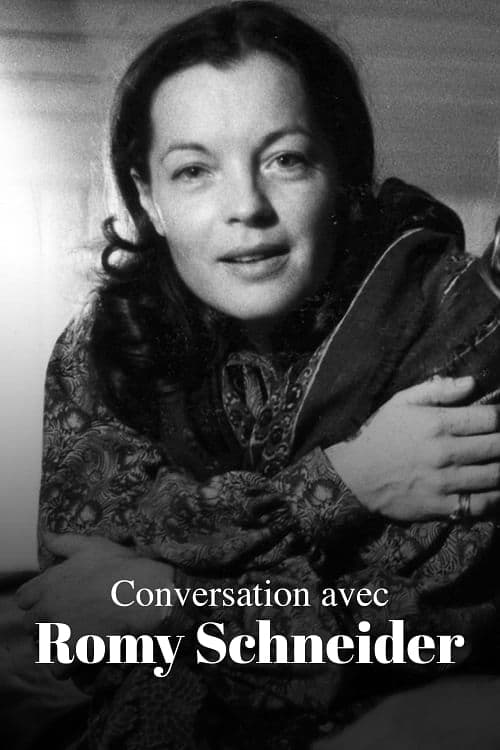
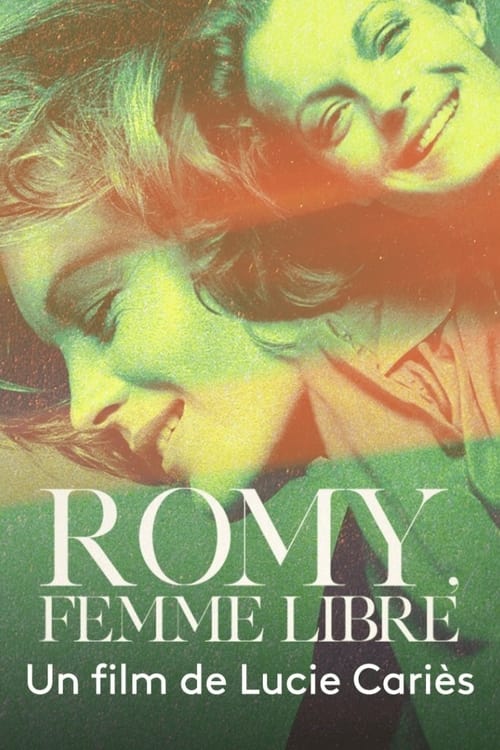
During a night in Cologne in 1976, Romy Schneider opens up like she’d never done before. An intimate portrait based on audio recordings of her interview with journalist Alice Schwarzer.
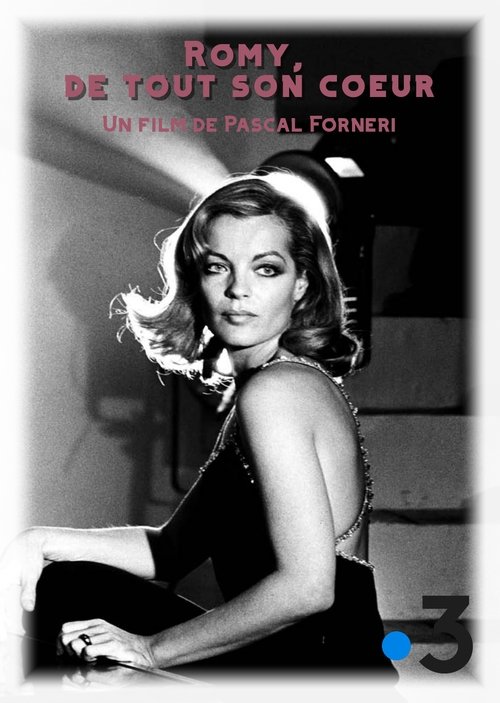
Romy Schneider has been En Compétition ever since 1957 with Sissi, before coming back to the Croisette multiple times, notably for Claude Sautet’s Les Choses de la vie. This exceptional documentary recounts her illustrious career with passion and dedication.
Documentary portrait of the actress Romy Schneider, in which director Frederick Baker tries to form an overall picture from the facets of image, myth, real life and screen persona.
The camera loved her face, it was made for close-ups. And Romy Schneider loved and needed the camera - the film camera as well as the cameras of photographers and paparazzi. Julia Benkert's cinematic exploration of Romy Schneider's many faces shows that the actress's fascinating camera presence has lost none of its intensity even 27 years after her death - regardless of whether she was stylized as a veiled bride and glamorous diva, as in the French film "L'enfer" (1964), or whether she exposed herself to the camera without make-up, as in Hans Jürgen Syberberg's documentary "Portrait of a Face" (1966). Without make-up and in close-up, she talks about her fears and doubts - to this day, the film is an authentic testimony to Romy Schneider's deep inner turmoil. Her husband Harry Meyen had it extensively censored because he thought his wife was too sad.
A project of the UVA Center for Politics and Community Idea Stations, "Ball of Confusion" is a one-hour documentary that examines the 1968 presidential contest in the context of a difficult and contentious year in American history. The assassinations of Martin Luther King Jr. and Robert F. Kennedy, racial unrest, nationwide riots, and a continuing war in Vietnam put the nation on edge and produced a historic three-way presidential election. Through archival footage and compelling interviews, the film shows how the election was influenced by the fractures in the United States' social and political foundations, leaving deep scars that would affect generations to come.
The Ø island is composed of several landscapes within a single landscape. They are territories lived and shaped by interior and exterior time. There are no privatized territories on this island. They are landscapes that cannot be accommodated: they expand through encounters, clashes, pressures and frictions. Between silence and intimacy, new islands are sculpted, in a possible encounter between life and death.
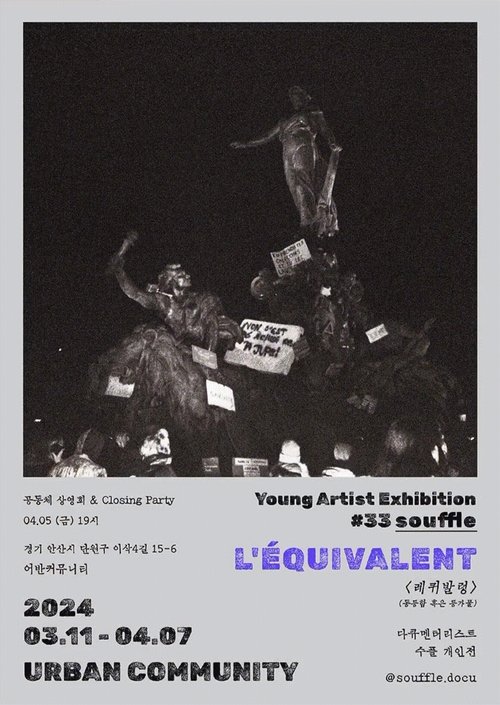
This letter originated in Paris as a means of addressing the issue of ‘everyday racism’ and violence that cannot be replaced by the universal. Its purpose is also to offer a response to my friends who have shared their own experiences of discrimination and violence.
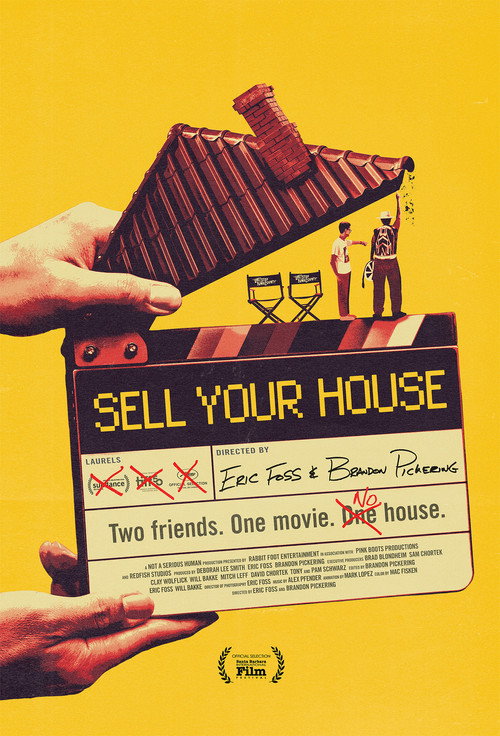
A first-time director convinces his best friend to sell his house in order to fund their debut feature film. Everything goes really well. A documentary following the making of "The Last Stop in Yuma County."
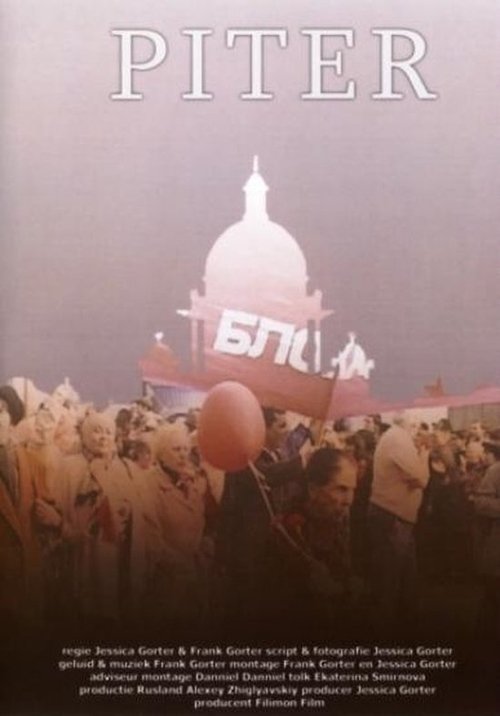
Brother and sister Gorter made a variegated portrait of Piter, or St. Petersburg, through seven of its inhabitants. Poles apart in age, affluence and personality, their lives cross paths now and then. Elderly people like the 87-year-old Jelena Jakovlevna still live in the past; her apartment has furniture from before the communist revolution and still has a portrait of Stalin on the wall. To a young and successful publicity agent, the names Lenin and Stalin do not mean a whole lot anymore. A former party bigwig is now a thriving capitalist; an ex-journalist who thought the Brezhnev era would never end is on the breadline nowadays. The film, featuring Frank Gorter's striking music, meanwhile also shows life in the streets of St. Petersburg and the diverse interiors of the houses and workplaces of the seven Piter men and women.
This film traces the origins of Indian Animation, from the pioneering work of Dada Saheb Phalke, it moves to preset day high -tech computer animation. The films under lines important contribution of Films Division's Cartoon Film Unit.
Evgeniy Ivanov, who built his own airplane, can no longer fly. He has to come to terms with the end of his dreams being true.
From its unique cable cars that conquered impossible hills, to its first in the nation City-owned transit agency, to the current wave of ride-sharing companies and autonomous vehicles, San Francisco has been a constant laboratory for how to move people through an urban landscape.
Muggsy Bogues, the shortest player in NBA history, lives his life by the motto "always believe," and that guided him to greater heights than anyone could have predicted.
A documentary tracing the lives of three tribal communities from Idukki district of Kerala in India, narrating their daily encounters.