Filmed by the first-ever team of women video journalists trained in Afghanistan, this uncompromising film reveals the effects of the Taliban's repressive rule and U.S.-sponsored bombing campaign on Afghan women.
Polly Hyman
as Narrator (voice)
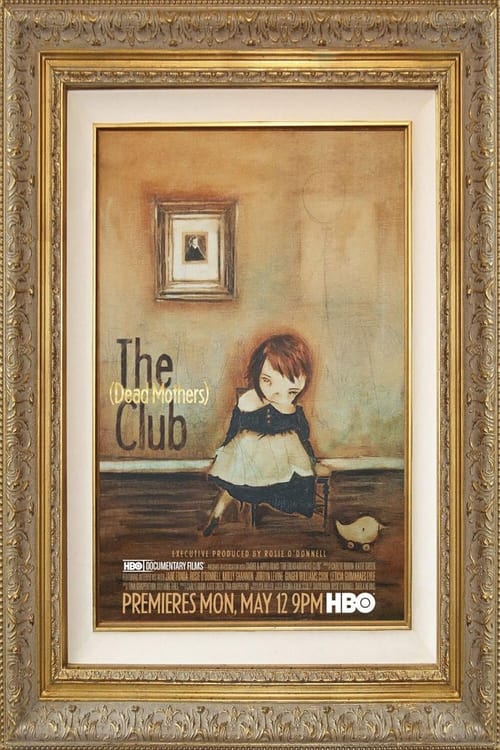
Three women whose paths never cross, yet are bound by the shared experience of losing their mothers during adolescence, exploring each one’s sometimes-complex relationship with her mother.
It is El Salvador, 1989, three years before the end of a brutal civil war that took 75,000 lives. Maria Serrano, wife, mother, and guerrilla leader is on the front lines of the battle for her people and her country. With unprecedented access to FMLN guerrilla camps, the filmmakers dramatically chronicle Maria's daily life in the war.
Through an intimate and artistic lens, yet investigative and political, Milk brings a universal focus on the politics, commercialization and controversies surrounding birth and infant feeding over the canvas of stunningly beautiful visuals and poignant voices from around the globe.
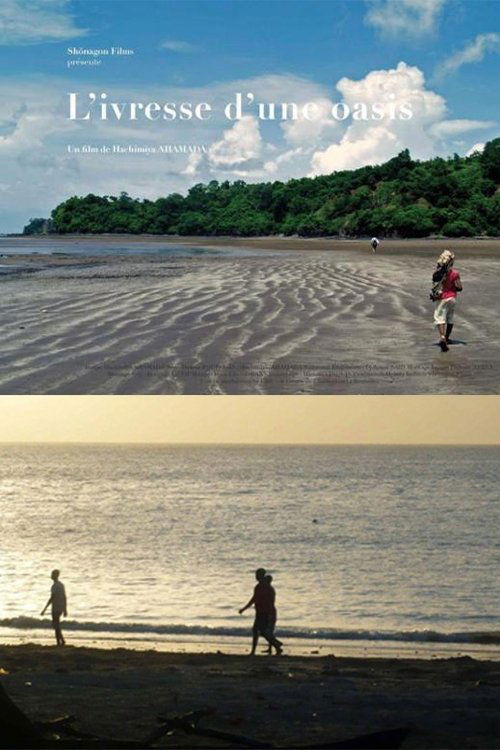
On an island in the Indian Ocean, the Comoros archipelago, unoccupied houses await the arrival of their owners. These places without souls and half built abound across the landscape. The myth of eternal return is repeated in the Comorian diaspora.
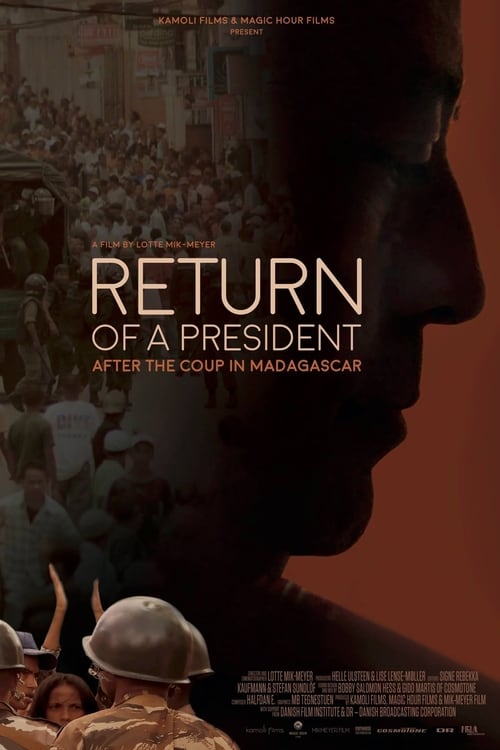
In a fascinating geopolitical drama, Danish filmmaker Mik-Meyer closely follows Ravalomanana as he attempts to return from exile in South Africa to Madagascar, under the threat of arrest and bodily harm.
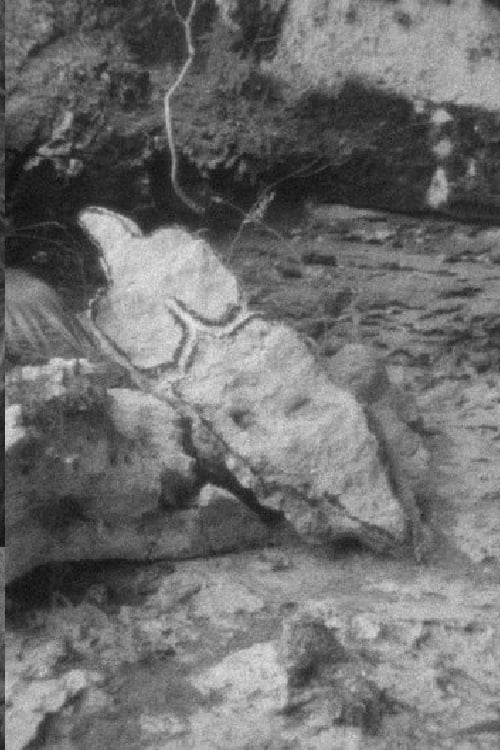
"Esculturas Rupestres" (Rupestrian Sculptures) was made in Jaruco Park outside of Havana. The low relief sculptures that resembled petroglyphs, were influenced by Ana Mendieta’s interest in the indigenous Taíno people of Cuba.
A charismatic activist leads a globally-regarded NGO that provides shelter and education for girls rescued from brothels in Northern Thailand. But as the filmmakers meet the girls and their families, discrepancies begin to emerge and the story takes an unexpected turn.
London at its best? This gorgeously photographed portrait of the capital was made by Marion Grierson, sister of the more famous John Grierson, often hailed as the father of documentary film. The film transcends the typical travelogue thanks to the photography of William Shenton and Grierson's poetic approach to editing - which prefigures modern films like the acclaimed From the Sea to the Land Beyond (2012). The film achieved international fame at the time of its original release, yet Marion Grierson is almost completely overshadowed in the history of British documentary film by her brother John.
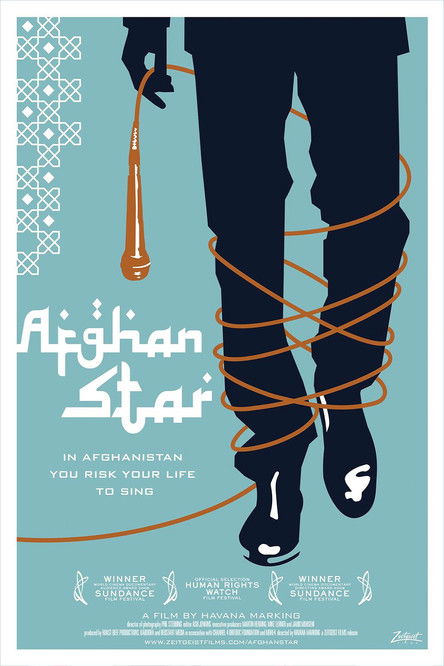
This documentary on the effect the talent competition "Afghan Star" has on the incredibly diverse inhabitants of Afghanistan affords a glimpse into a country rarely seen. Contestants risk their lives to appear on the television show that is a raging success with the public and also monitored closely by the government.
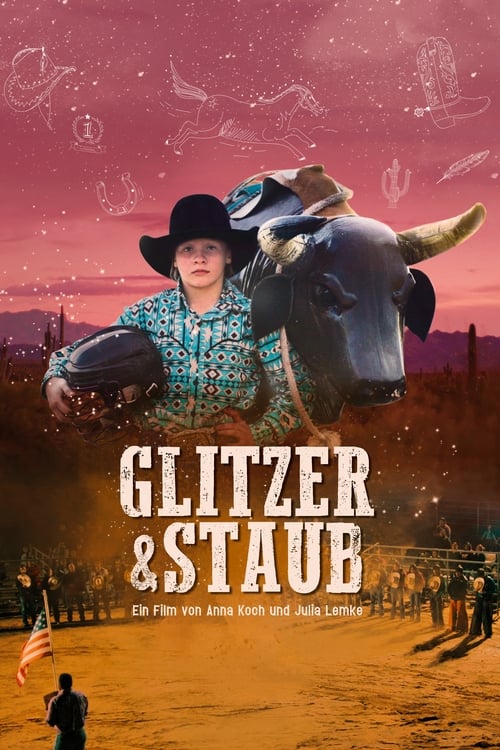
Four girls living in the lonely vastness of the USA share one passion: The wild world of rodeo. Although they move about in the powerful imagery of the American prairie and the myths of the Wild West, they give it new resonance and break free of it. In a world which used to belong to their fathers and brothers, they prove that "you ride like a girl" is not an insult but a compliment.
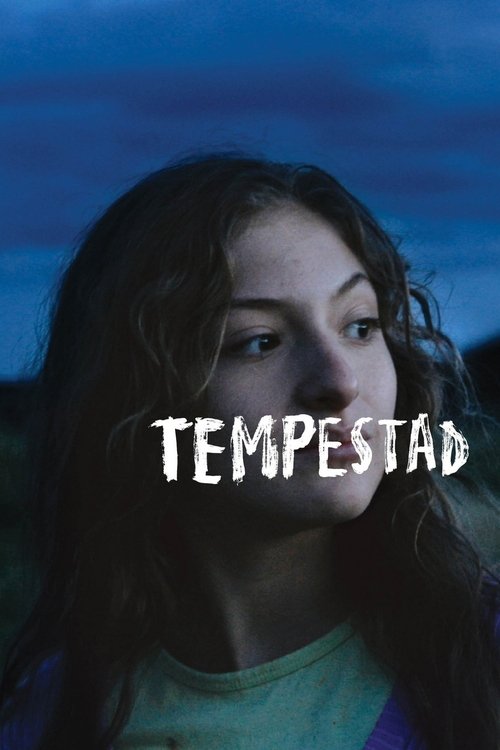
A woman is recruited to a prison controlled by organized crime while another woman searches for her missing daughter. Through images that submerges us in a journey from north to south Mexico, both testimonies collide and take us to the center of a storm: a country where violence has taken control of our lives, our desires and our dreams.
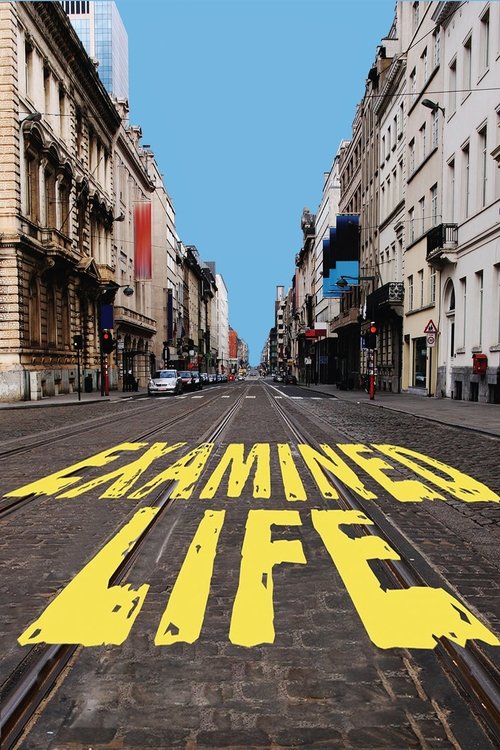
Examined Life pulls philosophy out of academic journals and classrooms, and puts it back on the streets. Offering privileged moments with great thinkers from fields ranging from moral philosophy to cultural theory, Examined Life reveals philosophy's power to transform the way we see the world around us and imagine our place in it.
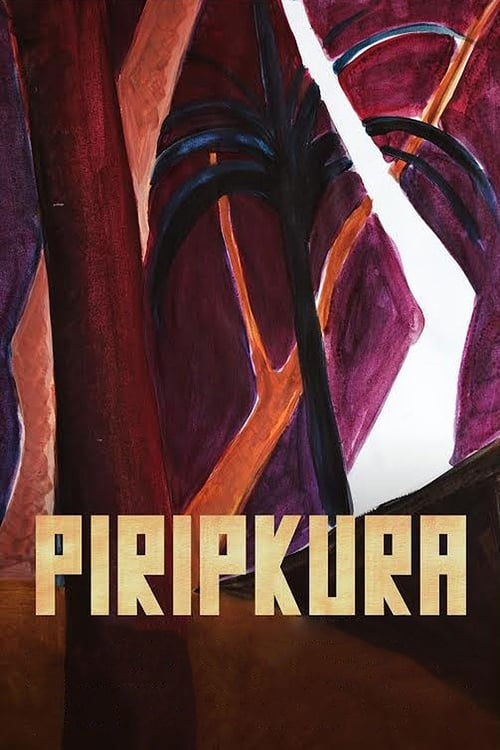
The last two surviving members of the Piripkura people, a nomadic tribe in the Mato Grosso region of Brazil, struggle to maintain their indigenous way of life amidst the region's massive deforestation. Living deep in the rainforest, Pakyî and Tamandua live off the land relying on a machete, an ax, and a torch lit in 1998.
In a disorienting haze of grief and guilt, a sister tries desperately to come to terms with losing her brother in a tragic car accident.
Documentary that addresses the arrival of slams poetry in Brazil, changes in performance of poetry. Born in the 80s in Chicago, slams have spread all over the world as spaces dedicated to meeting, people of all ages, professions and social classes, where a game of competition is just a pretext to hear and speak poetry in the exercise of free expression , stimulating listening, writing, reading and self-representation.