How can we best meet every earth citizens need for healthy food facing our limited resources? Regarding the almost 10 billion humans living on earth by 2050, we have to decide now how we want to shape the future of agriculture.
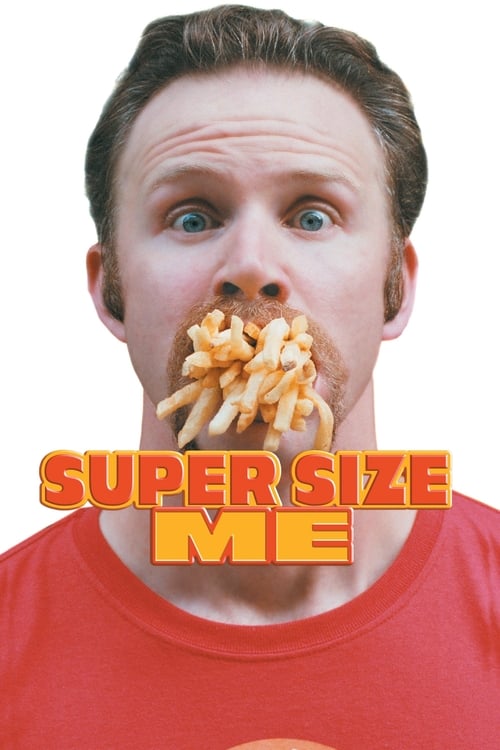
Morgan Spurlock subjects himself to a diet based only on McDonald's fast food three times a day for thirty days without exercising to try to prove why so many Americans are fat or obese. He submits himself to a complete check-up by three doctors, comparing his weight along the way, resulting in a scary conclusion.
Explores the latest longevity research and whether dramatically extended human lifespan is achievable. Features top scientists, startup leaders, celebrities, and critics offering balanced perspectives on this fascinating field.
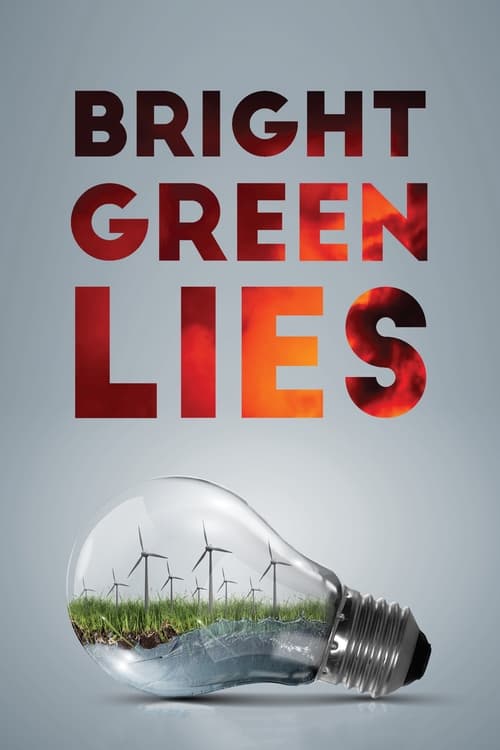
Bright Green Lies investigates the change in focus of the mainstream environmental movement, from its original concern with protecting nature, to its current obsession with powering an unsustainable way of life. The film exposes the lies behind the notion that solar, wind, hydro, biomass, or green consumerism will save the planet. Tackling the most pressing issues of our time will require us to look beyond the mainstream technological solutions and ask deeper questions about what needs to change.
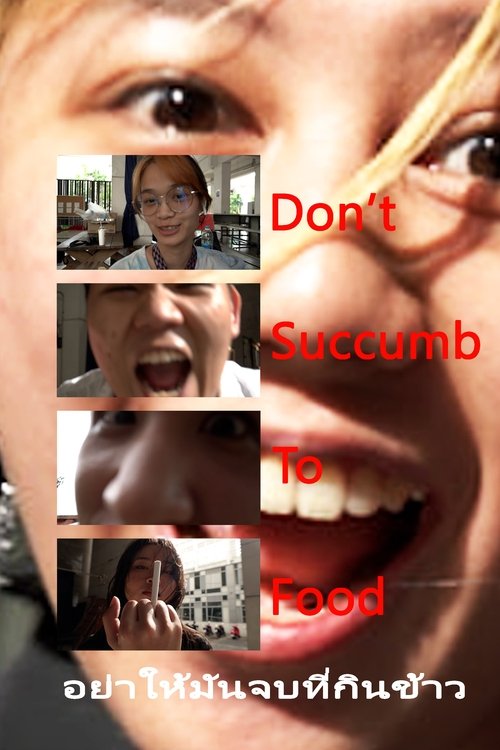
The crews are called to shoot a film, but no one has the script, shooting schedule, food, or even actor. The director also has nothing but urge to film so as always, unpleasant things happened.
Follow the shocking, yet humorous, journey of an aspiring environmentalist, as he daringly seeks to find the real solution to the most pressing environmental issues and true path to sustainability.
Soul explores the secrets of gastronomy where two cuisines apparently so opposite in their philosophy, conception and experience, have both earned the highest culinary recognition, three Michelin stars.
Pelican, a bakery located at Asakusa, Tokyo, becomes crowded every morning. There are only two types of bread sold. It looks ordinary but meet a bakery that has been loved for 74 years with a taste you won't get tired of even if you eat it everyday!
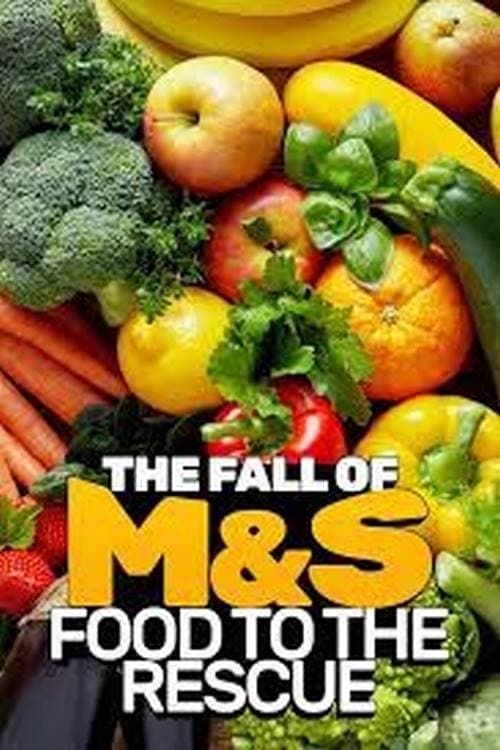
Fiona Phillips investigates the fortunes of M&S.
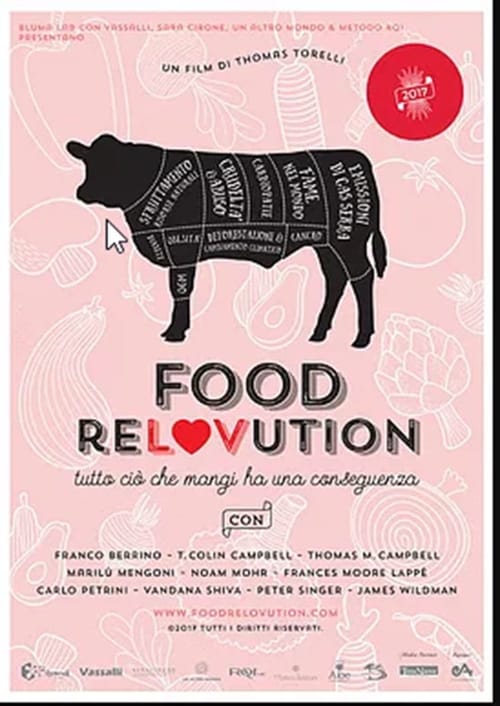
“Food Relovution: What We Eat Can Make A Difference” is an eye-opening and compelling feature documentary that examines the consequences of the meat culture as concerns grow about health, world hunger, animal welfare and the environmental cost of livestock production. It aims to show how these global issues affect everyone and are interrelated, and how making our food choices with a sense of awareness, knowing what we are buying and what we are eating is the first fundamental step towards a better world.
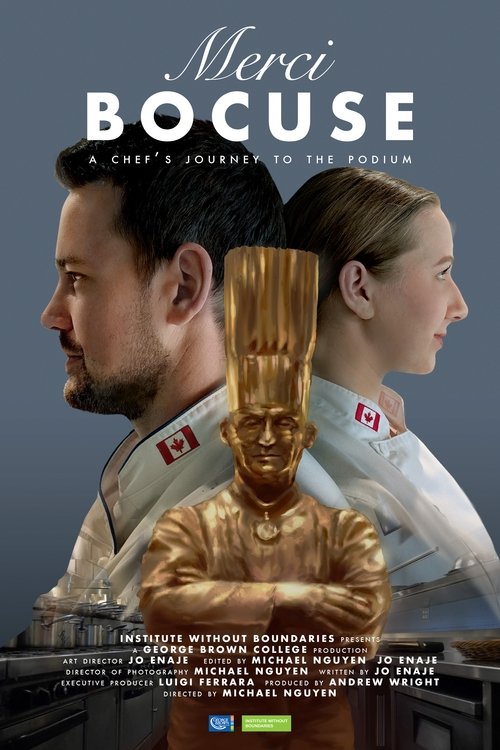
A young and ambitious team of chefs face the life-changing challenges of competing in the world's most prestigious culinary competition.
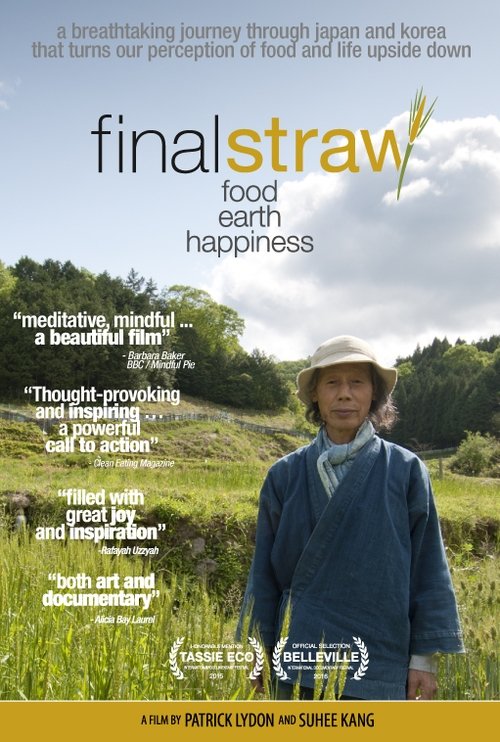
A deep and visually stunning survey of age-old ideas about food, ecological connectedness, and personal happiness. The film's warm cast guide audiences on a transformational journey through Japan, Korea, and the United States.
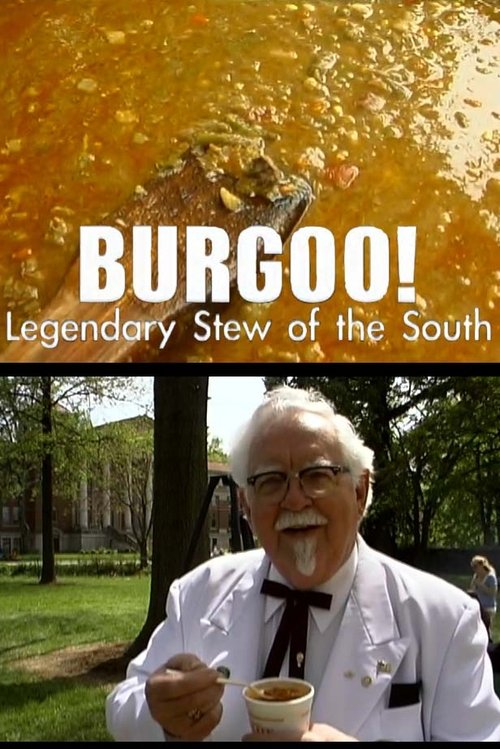
A stew prepared by farmers and hunters, burgoo dates to the pioneer days of the Kentucky frontier. The origin of its name is unclear, and ingredients vary regionally, but the passion for burgoo is reflected in the title given to the chefs: “Burgoo Kings”. Loyal stew masters rigorously maintain recipes and cooking traditions across generations. And with making burgoo comes a lot of leg-pulling, tall tales, and fellowship around the pot.
The boundless joy and unabashed passion of master gelato-maker Sergio Dondoli take center stage in this exuberant tribute to the delights of food, creativity, and a life well-lived. 'Sergio Dondoli's Happy Life' chronicles the rise of Dondoli and his world-famed Tuscan gelateria. What emerges is a portrait of a man who started from the humblest beginnings yet found a way to cultivate sweetness in all its forms through his life's work.
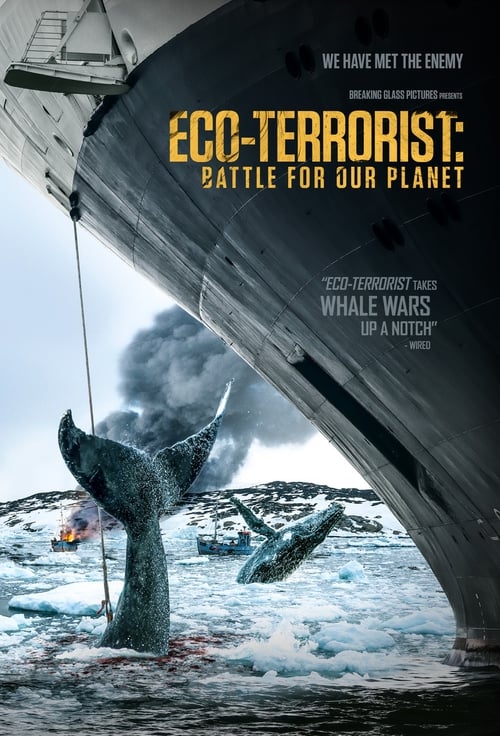
Eco-Terrorist: The Battle for Our Planet follows the most wanted environmentalist today, Captain Paul Watson. In this unique and groundbreaking film, Brown takes a deeper look into what really goes on behind the scenes in the deep waters of our world. More pranks, the glory of successful missions, and fiercer encounters with some of the most infamous and illegal marine hunters, while stopping at nothing to protect wildlife on a global scale. The film takes the audience right to the frontlines of the modern day environmental movement via those who started it.
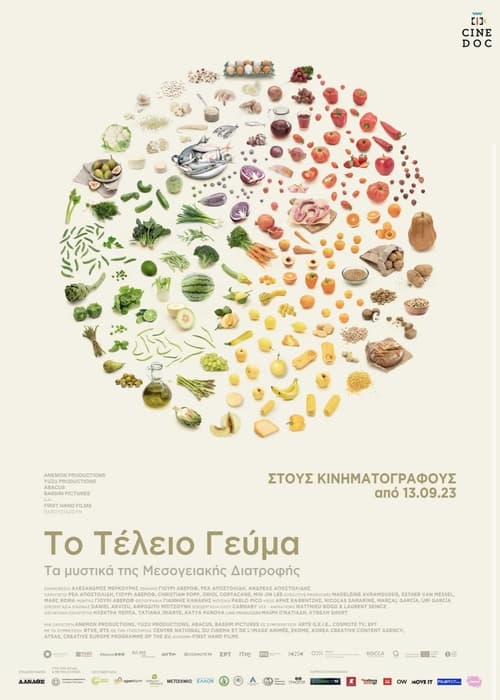
A food-loving and scientific tribute to the Mediterranean diet and, not least, the liquid gold: olive oil.