Game Face shows the quest to self-realization of LGBT athletes and the acceptance in society. The film follows athletes during their coming out process, and sheds light on the obstacles LGBT sports players deal with throughout their career.
Fallon Fox
as Herself
Terrence Clemens
as Himself
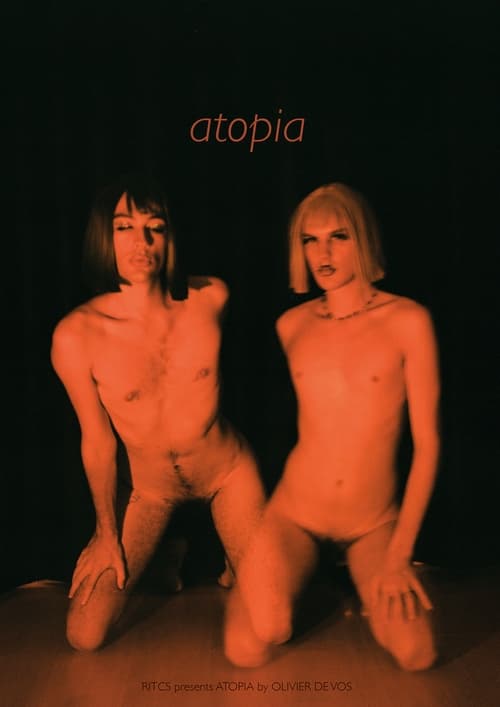
Atopia is an introspective essay about the search for a place that exists between reality and imagination: a placeless place made up out of dreams, chimeras and a desire for gender fluidity.
A fascinating and intimate exploration of the daily lives and struggles of 7 LGBT families in 7 different European countries: The Netherlands, Spain, Italy, France, Greece, Switzerland and in Catalonia. Although separated by borders, they are all united in their struggle to have LGBT family rights recognized. The differences between countries are highlighted, from having full equality in some, to a total lack of rights in others: we are exploring those different laws and irregularities, realizing how the children of LGBT families are being made vulnerable across Europe.
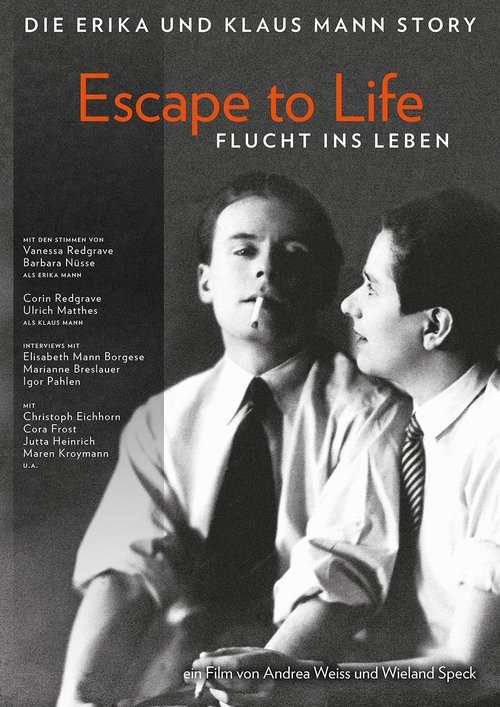
This documentary contains dramatized episodes about the lives of Erika and Klaus Mann, the brilliant children of German writer Thomas Mann.
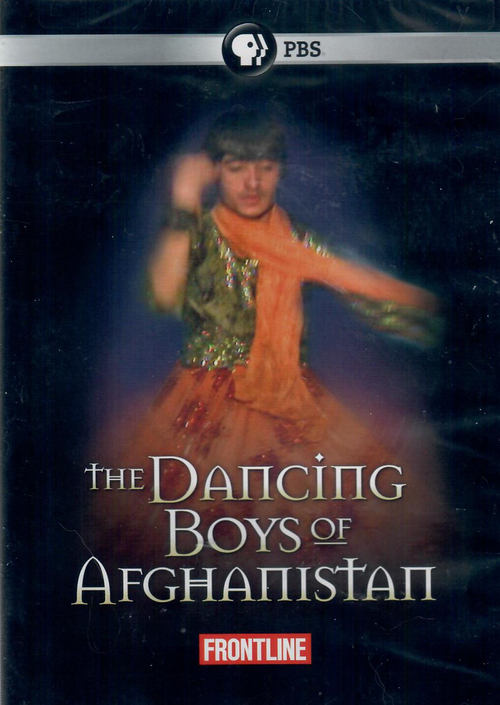
In Afghanistan many hundreds of boys, often as young as ten, are being lured off the streets on the promise of a new life.
1969, New York City, 3 teams won World Championships, the Jets, the Mets and the Knicks.
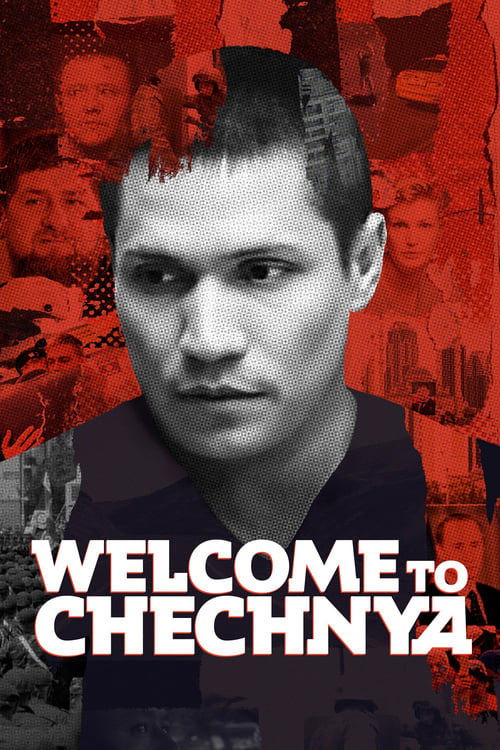
This searing investigative work shadows a group of activists risking unimaginable peril to confront the ongoing anti-LGBTQ program raging in the repressive and closed Russian republic. Unfettered access and a remarkable approach to protecting anonymity exposes this under-reported atrocity–and an extraordinary group of people confronting evil.
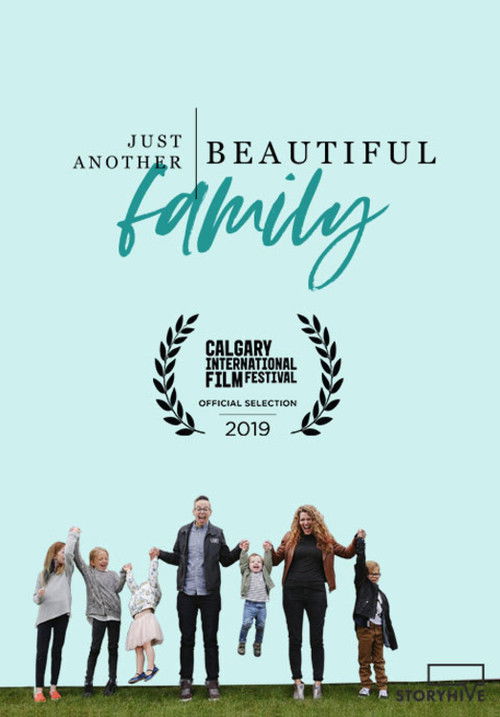
Just an ordinary suburban family- except that Dad's transgender, Mom's queer, and there are five kids in this minivan. This is one family’s true story of identity, trust, and transformation. Too many transgender kids wonder: Will I be loved? Will I get to have a family? Will it all be ok? Here's the answer: a love story about family, finding your true self, and becoming who you really are.
Experimental documentary short starring Batato Barea and Peter Pank, filmed in July 1991
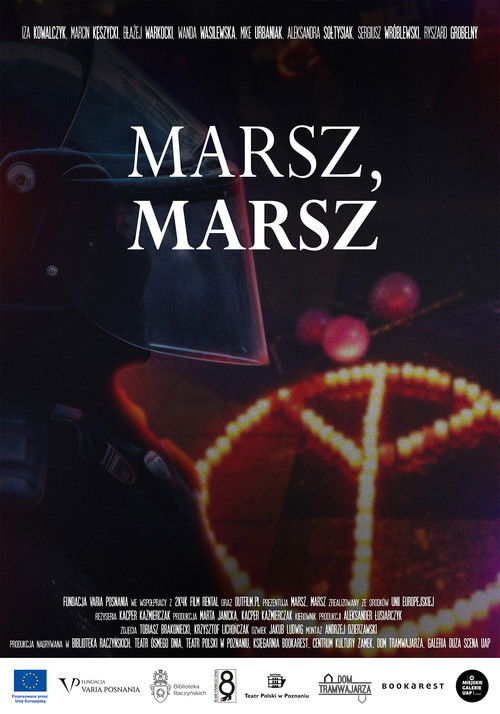
A Polish documentary that explores the early history of Pride marches in Poznań and the struggle for LGBTQ+ equality in Poland. It focuses on the contrast between the city’s 2020s identity as a so-called “Rainbow Capital of Poland” and its much harsher past when marches were rare and fraught with conflict. The film reflects on a first Pride march marked by a small group of around 200 people attempting to advance under heavy police presence, unable to walk more than 100 meters and facing aggressive suppression.
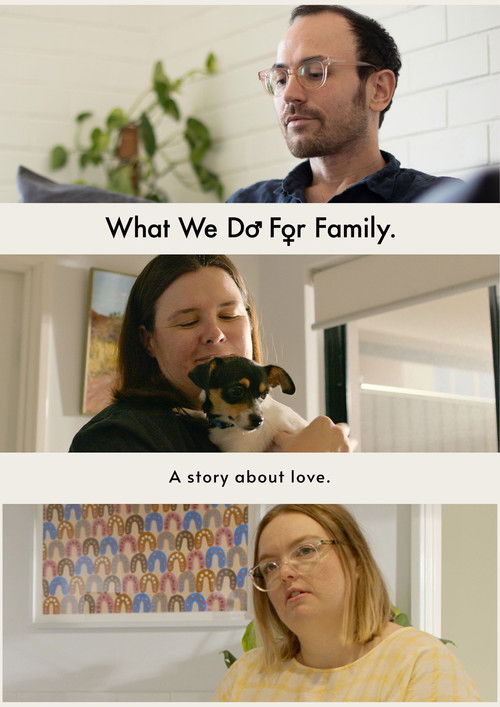
Alex and Sam want a baby, which is tricky when you're both cisgender women. Fortunately, Leslie is willing to help out. On the quest to become a sperm donor for his beloved friends, Leslie explores the process and lengths to which queer people must go to create a nuclear family. The baby-to-be is the embodiment of the chosen family, created deliberately and with such love, within the irregular shape of a chosen family.
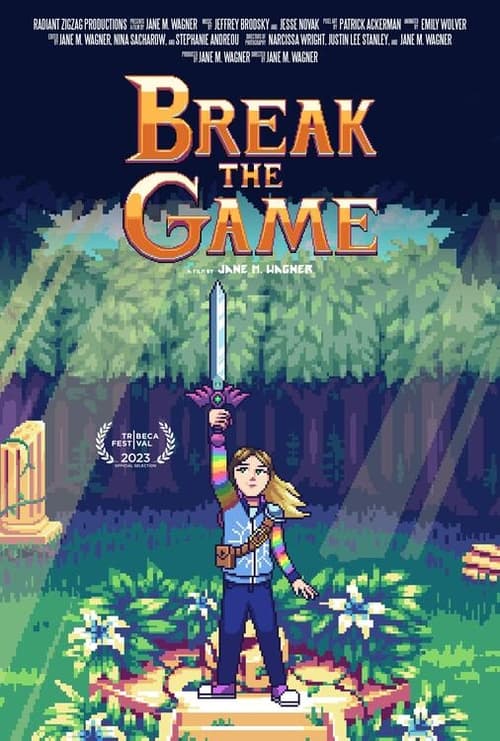
Record-breaking gamer Narcissa Wright grapples with her toxic obsession for attention and her space in the streaming community after coming out as transgender, all while attempting to set a new world record for The Legend of Zelda: Breath of the Wild.
Letter Beyond the Walls reconstructs the trajectory of HIV and AIDS with a focus on Brazil, through interviews with doctors, activists, patients and other actors, in addition to extensive archival material. From the initial panic to awareness campaigns, passing through the stigma imposed on people living with HIV, the documentary shows how society faced this epidemic in its deadliest phase over more than two decades. With this historical approach as its base, the film looks at the way HIV is viewed in today's society, revealing a picture of persistent misinformation and prejudice, which especially affects Brazil’s most historically vulnerable populations.
Homophobia didn’t just happen. Orchestrated campaigns by cultural institutions and public figures have systemically instilled anti-LGBTQ prejudice into American culture by shaping public opinion.
Described in the 70’s as "A Chorus Line for gay people," Crimes Against Nature remains vital today as a communal disclosure of roles that gay people adopt in order to survive in a world that devalues homosexual feelings. It features individual actors delivering revealing monologues, during which the other members of the collective play background roles (parents, schoolmates, etc.). One by one, the actors detail the ways in which they have buried their true selves in order to survive and be accepted in the world: repression, drug use, shyness, being agreeable, putting experiences into "little boxes," acting "butch," and so on.
An underdog basketball team under the helm of an idealist school teacher from hard scrabble Diyarbakir in Southeastern Turkey goes beyond winning games in their mission to rise above prejudice, poverty and political turmoil created by the decades long conflict between the Turkish state and Kurdish rebels who are fighting for local autonomy and cultural rights.
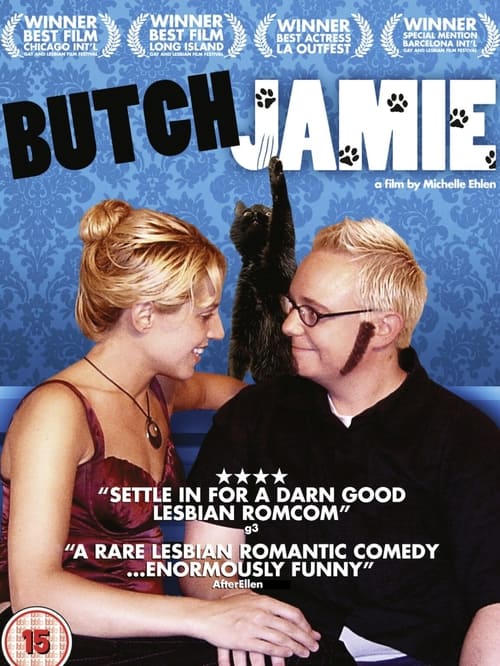
The film follows the story of Jamie, a struggling butch lesbian actress who gets cast as a man in a film. The main plot is a romantic comedy between Jamie's male alter-ego, "Male Jamie," and Jill, a heterosexual woman on set. The film's subplots include Jamie's bisexual roommate Lola and her cat actor Howard, Lola's abrasive butch German girlfriend Andi, and Jamie's gay Asian friend David.
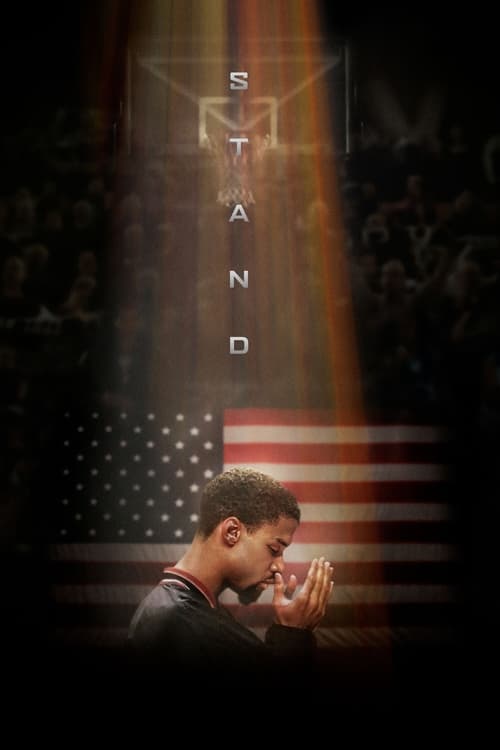
Raw and unflinching examination of the courageous life of basketball star and social justice activist Mahmoud Abdul-Rauf. Born Chris Jackson, he overcame tremendous adversity to reach the NBA and found his true calling when he converted to Islam. His decision not to stand for the national anthem, however, turned him from prodigy to pariah. Told candidly by Abdul-Rauf himself more than 20 years later it’s the remarkable story of one man who kept the faith and paved the way for a social justice movement.
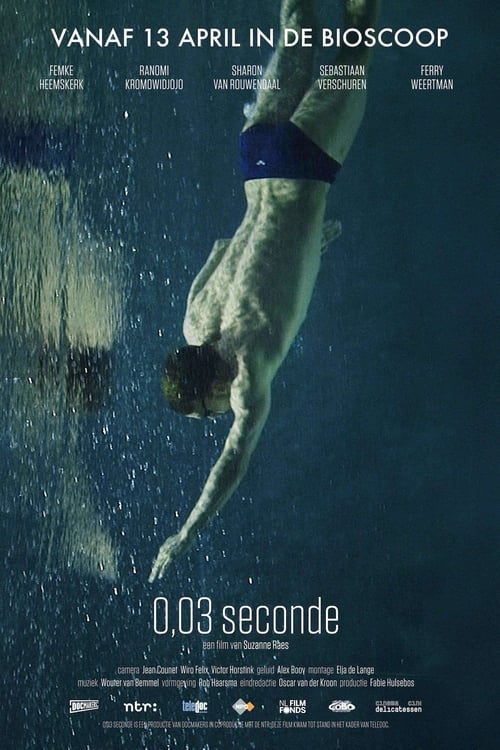
A poignant insight into the world of sport, where talent, passion and endurance mean everything, but give no guarantee of success.
In Les Portes d’Arcadie, we are at the heart of a reception center for asylum seekers. The director gives a voice to people persecuted because of their sexual orientation, in their country of origin. Already gone, but not yet in a new home, these displaced people are looking for themselves as much as they are looking for the words to describe what they have known and left behind. What awaits them? It is not certain. But at least they can hope to finally be (re) recognized for themselves. This crossing, as much as this quest for identity, is at the heart of this documentary.