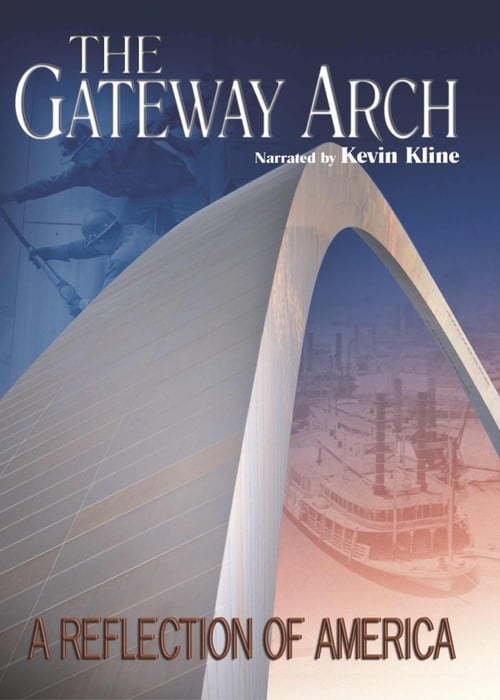
Humorist Roy Blount Jr. takes viewers on a journey down the Mississippi River, showcasing everything from areas with spectacularly beautiful scenery to ugly and dangerously polluted stretches bordered by industrial development.
Roy Blount Jr.
as Himself
Garrison Keillor
Winona LaDuke
as Herself
James Michael White
This is not a film about gun control. It is a film about the fearful heart and soul of the United States, and the 280 million Americans lucky enough to have the right to a constitutionally protected Uzi. From a look at the Columbine High School security camera tapes to the home of Oscar-winning NRA President Charlton Heston, from a young man who makes homemade napalm with The Anarchist's Cookbook to the murder of a six-year-old girl by another six-year-old. Bowling for Columbine is a journey through the US, through our past, hoping to discover why our pursuit of happiness is so riddled with violence.
Every January, the country's largest jigsaw puzzle contest is held in St. Paul, Minnesota. Choose your favorite team and watch them try to put the pieces back together.
Steamboatin' stories from those who lived them, river history, authentic footage and stills, along with music and narration by John Hartford.
Adults share their most embarrassing teenage writings and art in front of total strangers at Mortified stage shows across the country, as the filmmakers explore what the show's popularity says about all of us.
Two bodies and one mind, this is the extraordinary story of one pair of conjoined twins in today's world.
Filmmakers Alan and Susan Raymond spent three months in 1976 riding along with patrol officers in the 44th Precinct of the South Bronx, which had the highest crime rate in New York City at that time.
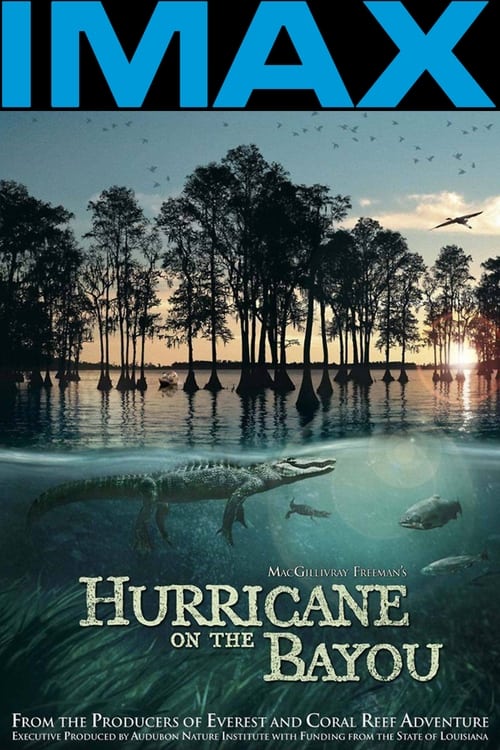
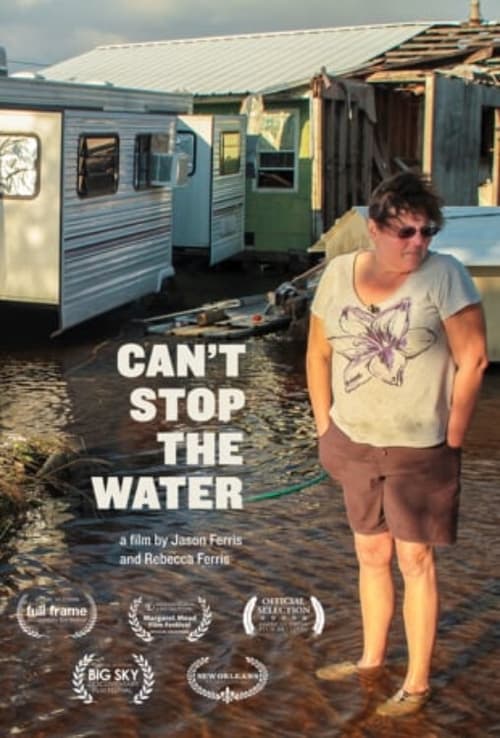
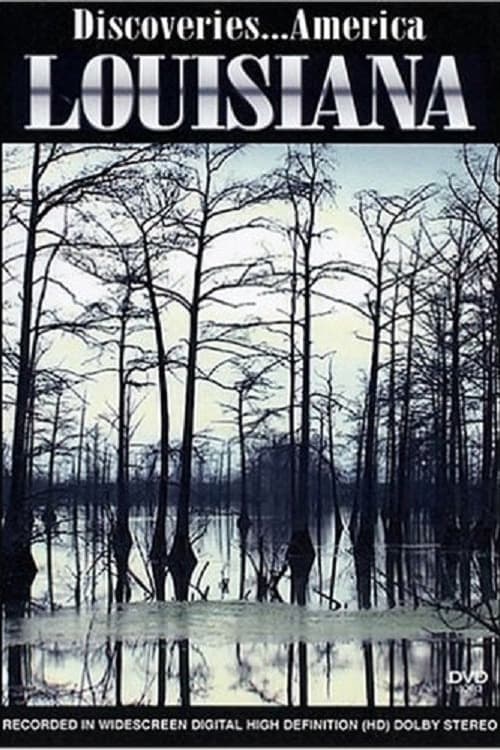
The film "Hurricane on the Bayou" is about the wetlands of Louisiana before and after Hurricane Katrina.
Edie Bouvier Beale and her mother, Edith, two aging, eccentric relatives of Jackie Kennedy Onassis, are the sole inhabitants of a Long Island estate. The women reveal themselves to be misfits with outsized, engaging personalities. Much of the conversation is centered on their pasts, as mother and daughter now rarely leave home.
For 170 years, a Native American community has occupied Isle de Jean Charles, a tiny island deep in the bayous of Louisiana. They have fished, hunted, and lived off the land. Now the land that has sustained them for generations is vanishing before their eyes. Coastal erosion, sea level rise, and increasing storms are overwhelming the island. Over the last fifty years, Isle de Jean Charles has been gradually shrinking, and it is now almost gone. For these Biloxi-Chitimacha-Choctaw Indians, their land is more than simply a place to live. It is the epicenter of their people and traditions. They now must prepare to say goodbye to the place, where, for eight generations, their ancestors cultivated a unique part of Louisiana culture.
Meet Brian Boland—the beloved, eccentric hot air balloonist and artist from the rural Upper Valley of Vermont.
Early Errol Morris documentary intersplices random chatter he captured on film of the genuinely eccentric residents of Vernon, Florida. A few examples? The preacher giving a sermon on the definition of the word "Therefore," and the obsessive turkey hunter who speaks reverentially of the "gobblers" he likes to track down and kill.
Born on Halloween, 1935, Dale Brown's fight for justice began the day his father walked out - two days before he was born. About how an overachiever from tiny Minot, North Dakota relentlessly fought his way to the top.
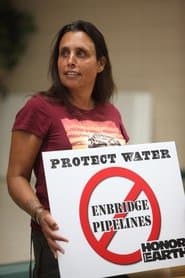
The “Prophecy of the 7th Fire” says a “black snake” will bring destruction to the earth. For Winona LaDuke, the “black snake” is oil trains and pipelines. When she learns that Canadian-owned Enbridge plans to route a new pipeline through her tribe’s 1855 Treaty land, she and her community spring into action to save the sacred wild rice lakes and preserve their traditional indigenous way of life. Launching an annual spiritual horse ride along the proposed pipeline route, speaking at community meetings and regulatory hearings. Winona testifies that the pipeline route follows one of historical and present-day trauma. The tribe participates in the pipeline permitting process, asserting their treaty rights to protect their natural resources. LaDuke joins with her tribe and others to demand that the pipelines’ impact on tribal people’s resources be considered in the permitting process.
Harmful chemicals are disproportionately affecting Black communities in Southern Louisiana along the Mississippi River. I am One of the People is an experimental short film exposing the environmental racism of “Cancer Alley.”
A harrowing exploration of the rapid rise of American religious fanaticism after 9/11. This film explores an emerging ultra Right Wing mass movement seeking dominion over all aspects of contemporary American society. The film weaves archival video, contemporary Christian Nationalist movement propaganda (recruiting videos, apocalyptic/military videogame imagery, etc.) and original investigative material) to create an intense examination of the totalistic mindset and its will to power.
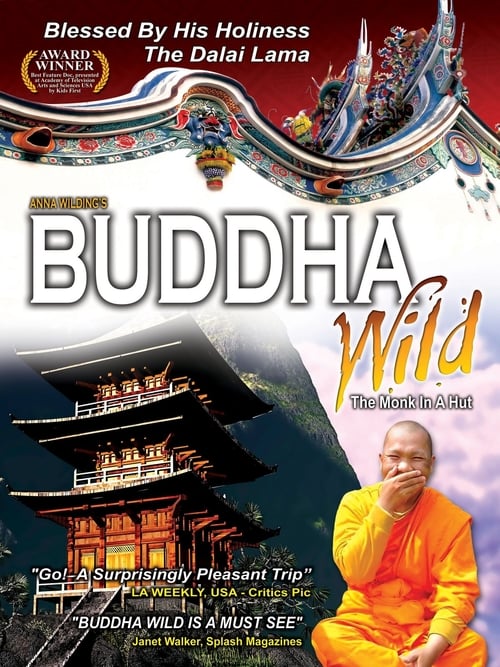
Buddhist monks open up about the joys and challenges of living out the precepts of the Buddha as a full-time vocation. Controversies swirling within modern monastic Buddhism are examined, from celibacy and the role of women to racism and concerns about the environment.
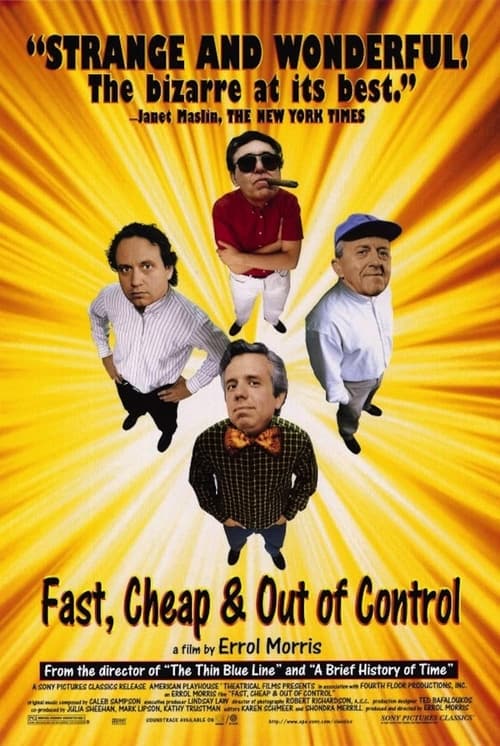
Errol Morris’s Fast, Cheap & Out of Control interweaves the stories of four men, each driven to create eccentric worlds from their unique obsessions, all of which involve animals. There’s a lion tamer who shares his theories on the mental processes of wild animals; a topiary gardener who has devoted a lifetime to shaping bears and giraffes out of hedges and trees; a man fascinated with hairless mole rats; and an MIT scientist who has designed complex, autonomous robots that can crawl like bugs.
A feature documentary about Kansas City, as its people tell us how they got through the pandemic and look back at what they lost.
INAATE/SE/ re-imagines an ancient Ojibway story, the Seven Fires Prophecy, which both predates and predicts first contact with Europeans. A kaleidoscopic experience blending documentary, narrative, and experimental forms, INAATE/SE/ transcends linear colonized history to explore how the prophecy resonates through the generations in their indigenous community within Michigan’s Upper Peninsula. With acute geographic specificity, and grand historical scope, the film fixes its lens between the sacred and the profane to pry open the construction of contemporary indigenous identity.