Marthas is a PBS documentary about an extraordinary rite of passage in Laredo, Texas where teenage Mexican-American girls debut in a grand Colonial Ball dressed as American revolutionaries - a tradition that goes back 114 years.

Three Alaska Native women work to save their endangered language, Kodiak Alutiiq, and ensure the future of their culture while confronting their personal demons. With just 41 fluent Native speakers remaining, mostly Elders, some estimate their language could die out within ten years. The small community travels to a remote Island, where a language immersion experiment unfolds with the remaining fluent Elders. Young camper Sadie, an at-risk 13 year old learner and budding Alutiiq dancer, is inspired and gains strength through her work with the teachers. Yet PTSD and politics loom large as the elders, teachers, and students try to continue the difficult task of language revitalization over the next five years.
Princess Fragrance is a 1987 Hong Kong film based on Louis Cha's novel The Book and the Sword. The film is a sequel to The Romance of Book and Sword, which was released earlier in the same month and was also directed by Ann Hui.
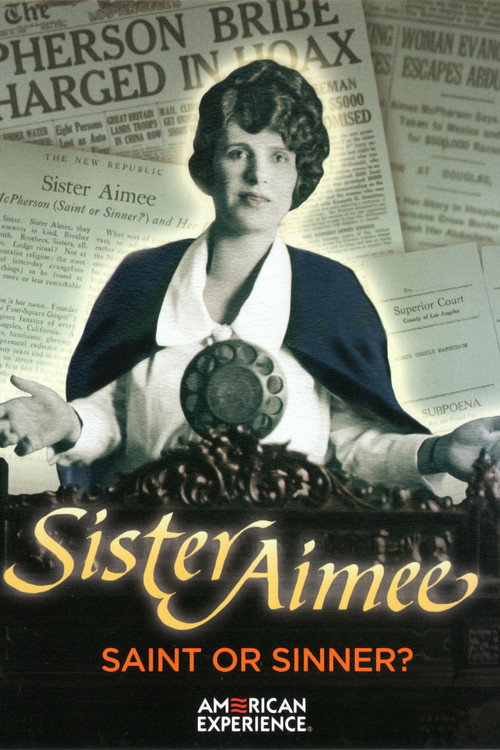
At the peak of her immense popularity in the 1920s, evangelist Aimee Semple McPherson was drawing larger crowds to her revivals than those of P.T. Barnum or Harry Houdini. This chapter of "American Experience" paints a vivid portrait of the controversial and charismatic religious figure. Credited with mainstreaming religion in American culture, Sister Aimee created one of the country's first Christian radio stations, among other accomplishments.
The film meticulously unravels the case of Norma Khouri, whose best-selling memoir about an honor killing captivated the world before her entire story began to collapse under the weight of its own fabrications. More than just a look at a spectacular con, this is a timely and unsettling exploration of media manipulation, cultural differences, and the dangerous power of a compelling narrative. Broinowski’s film is a riveting study of a pathological liar, but it also holds a mirror up to a world eager to embrace a good story, fact or fiction.
Jon Stewart performs a solo standup routine, telecast live from Miami, Florida.
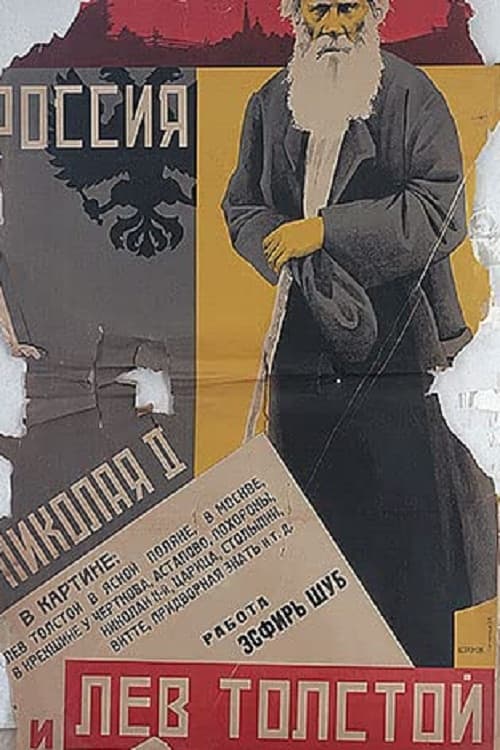
Lev Tolstoy and the Russia of Nicolai II is a 1928 Soviet silent documentary film directed by Esfir Shub. The film is considered lost. Lev Tolstoy and the Russia of Nicolai II is the final film in Esfir Shub's trilogy of films that began with The Fall of the Romanov Dynasty (1927) and continued with The Great Road (1927).
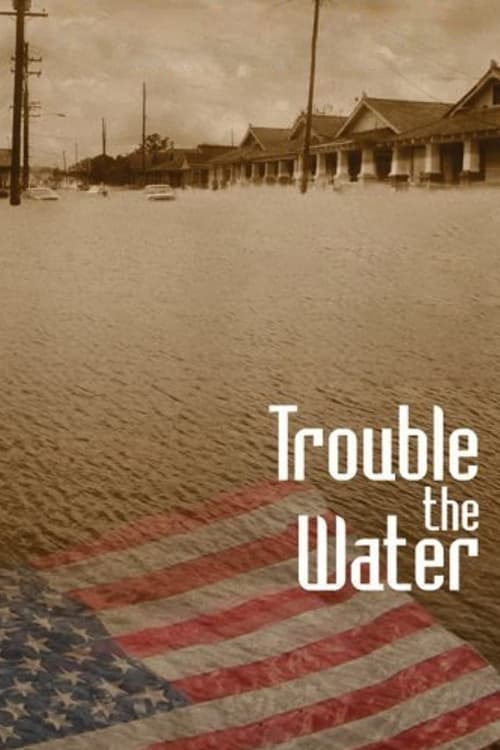
"Trouble the Water" takes you inside Hurricane Katrina in a way never before seen on screen. The film opens the day before the storm makes landfall--just blocks away from the French Quarter but far from the New Orleans that most tourists knew. Kimberly Rivers Roberts, an aspiring rap artist, is turning her new video camera on herself and her Ninth Ward neighbors trapped in the city. Weaving an insider's view of Katrina with a mix of verité and in-your-face filmmaking, it is a redemptive tale of self-described street hustlers who become heroes--two unforgettable people who survive the storm and then seize a chance for a new beginning.
Kasha Sequoia Slavner, aka The Sunrise Storyteller, is an 18-year old filmmaker, photographer, entrepreneur, young global leader and peace advocate. As a concerned high school student, disillusioned and outraged by the negativity and powerlessness she felt as a consumer of mainstream media, Kasha was compelled to find an alternative narrative. On her 16th birthday on an ambitious mission to travel the world for six months with her mom, camera in hand and no clear road map, she finds herself intersecting with the lives of people determined to rise above adversity.
An exploratory journey highlighting the largely unrecognized yet hugely vibrant Pan European feminist movement that is very much alive today, from Turkey to Portugal, by the way of the Balkans, to Italy, Spain and Portugal.
A documentary that explores AIDS activism in Frankfurt, focusing on activists, affected individuals, and organizations fighting the epidemic, raising awareness, and advocating for policy changes. Directors Lou Deinhart, Evi Rohde, and Zoë Struif incorporate 1980s/90s theatre productions, news footage, and protest recordings into their research. Alternating between present-day encounters and historical media, they interview numerous witnesses, constructing a collage of diverse memories rather than a single narrative, highlighting grassroots movements' struggles, solidarity, and impact.
This one hour documentary examines the life of the famed Sharp Shooter and Wild West performer, Annie Oakley from her birth in mid nineteenth century rural Pennsylvania to her death in 1926. Many myths are overturned and the program also features a little known trial when Annie Oakley had to sue The Hearst Newspaper chain all throughout the country for libel when they reported the activities of someone who was impersonating the famed sharpshooter and besmirching her reputation.
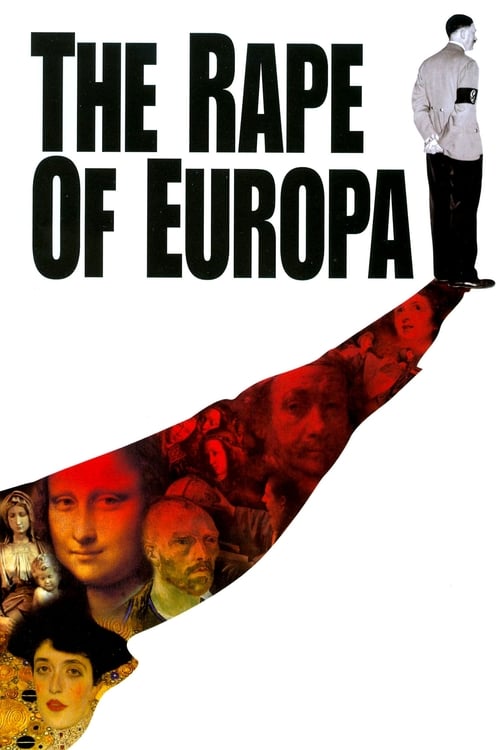
World War II was not just the most destructive conflict in humanity, it was also the greatest theft in history: lives, families, communities, property, culture and heritage were all stolen. The story of Nazi Germany's plundering of Europe's great works of art during World War II and Allied efforts to minimize the damage.
A profile of the life of Liberian activist Silas Siakor, a tireless crusader against illegal logging and a symbol of resistance for a new generation.
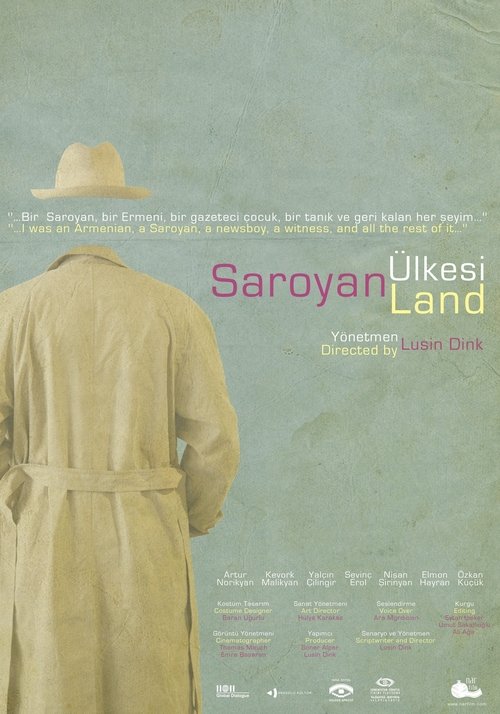
Saroyanland is a docu-drama focusing on the journey of famous writer William Saroyan to the birthplace of his Armenian family Bitlis, in Turkey in 1964. While retaking the same road, the film aims to understand Saroyan's unique attitude to belonging, witnessing the self-discovery of a man who followed the traces of his Armenian ancestors.
Don’t Breathe is a dark comedy set in Georgia that follows the tribulations of a middle-aged man, Levan, who is suddenly led to question his existence because of a routine medical examination. It sends him into a downward spiral of paranoia and doubt as he fumbles his way through the theatre of the absurd that we call life. Using humour and a playful tone, the film examines the fragility of human nature, when our bearings get lost and our imagination takes over, highlighting our common fears, doubts, hopes and resilience.
In 1915, a German saboteur comes to Manhattan. Co-opting progressive labor politics, he provokes a neutral America into World War I.
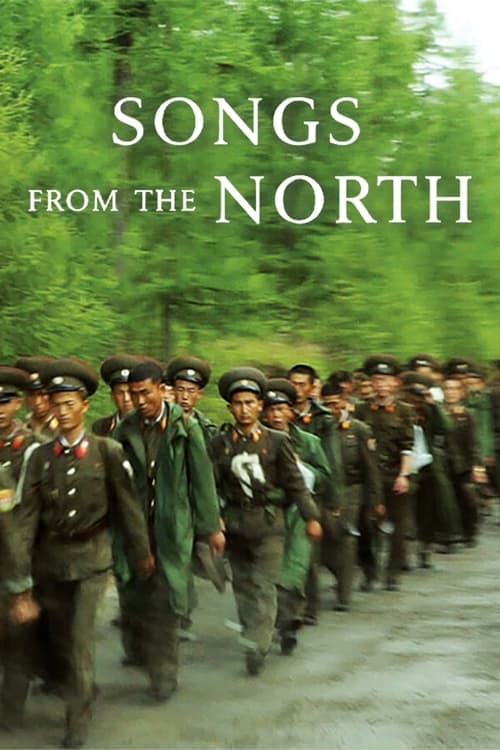
Interweaving footage from the director’s three visits to North Korea with songs, spectacle, popular cinema and archival footage, Songs from the North takes a different look at this enigmatic country typically seen through the distorted lens of jingoistic propaganda and derisive satire. Challenging the meaning of freedom, love, patriotism and ultimately the human condition, it tries to understand, on their own terms, the psychology and popular imaginary of the North Korean people and the political ideology of absolute love which continues to drive the nation towards its uncertain future.