A new, modern train station in the province of Croatia, where the only problem seems to be the numerous, unemployed people or as the station master complains: Why do films always have to show the bad side?
Krsto Papić
as Himself
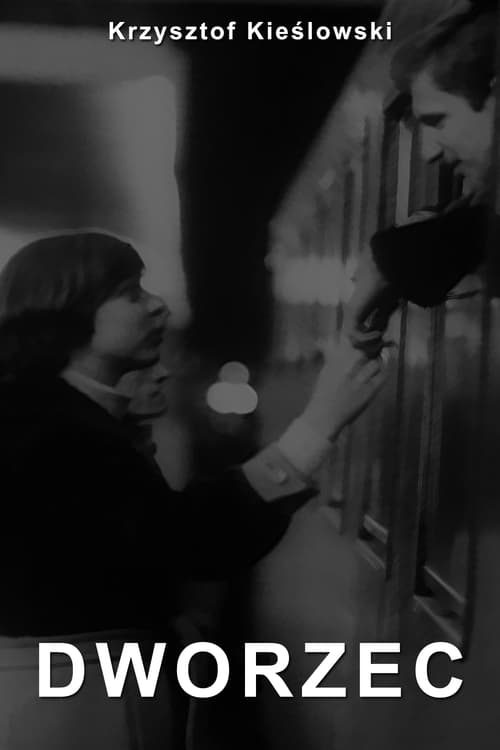
Warsaw's Central Railway Station. 'Someone has fallen asleep, someone's waiting for somebody else. Maybe they'll come, maybe they won't. The film is about people looking for something.
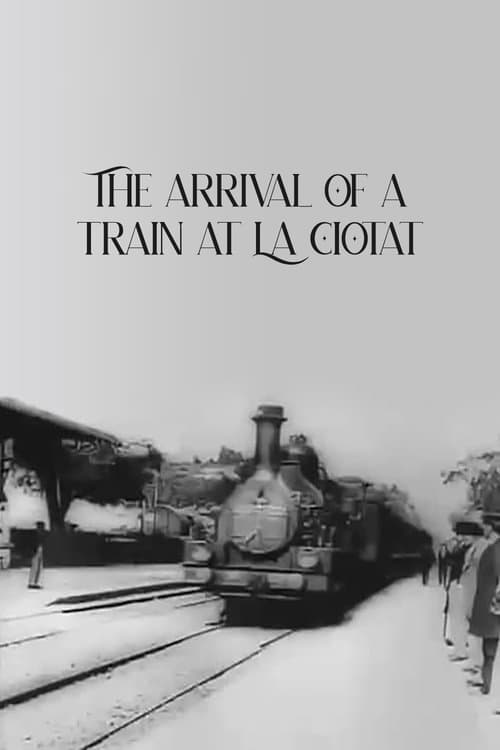
A group of people are standing along the platform of a railway station in La Ciotat, waiting for a train. One is seen coming, at some distance, and eventually stops at the platform. Doors of the railway-cars open and attendants help passengers off and on. Popular legend has it that, when this film was shown, the first-night audience fled the café in terror, fearing being run over by the "approaching" train. This legend has since been identified as promotional embellishment, though there is evidence to suggest that people were astounded at the capabilities of the Lumières' cinématographe.
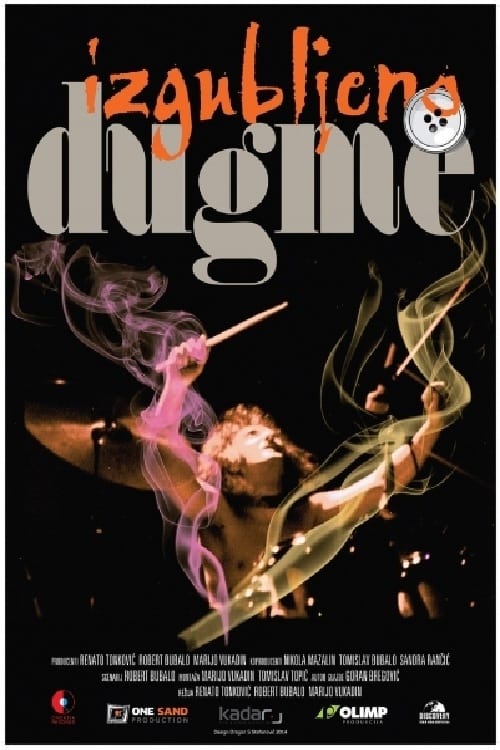
A documentary about Goran Ivandic 'Ipe', the drummer of most popular Yugoslav rock band of all time, Sarajevo-based "Bijelo dugme" (White Button). Ivandic's fatal jump from the balcony of hotel Metropol in Belgrade in 1994 sparked much controversy around his fate.
Akademija Republika shows a group of people gathered around the club from 1981 until 1995 and how it changed and influenced the cultural and night life around them.
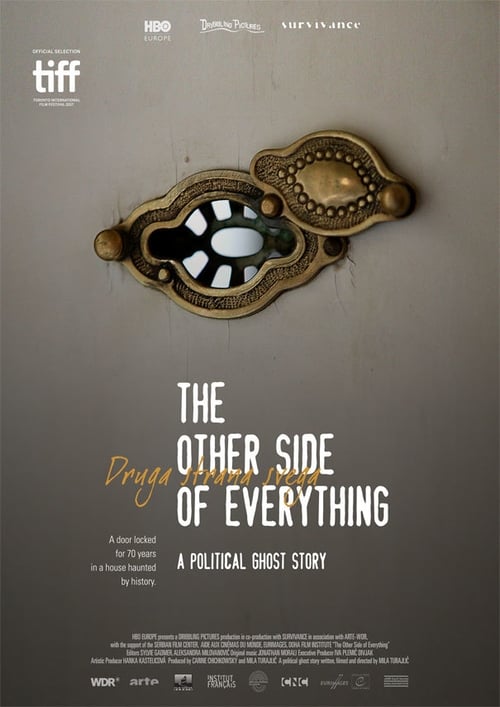
For Serbian filmmaker Mila Turajlic, a locked door in her mother's apartment in Belgrade provides the gateway to both her remarkable family history and her country's tumultuous political inheritance.
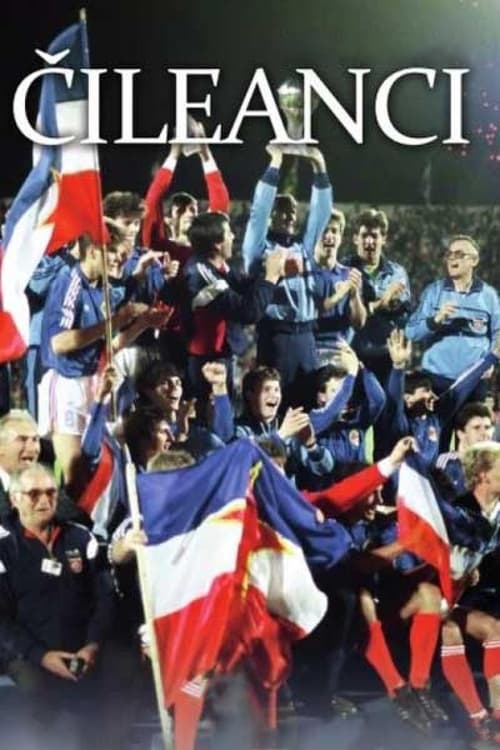
The story of the Yugoslavian football team who became youth world champions in Chile, 1987.
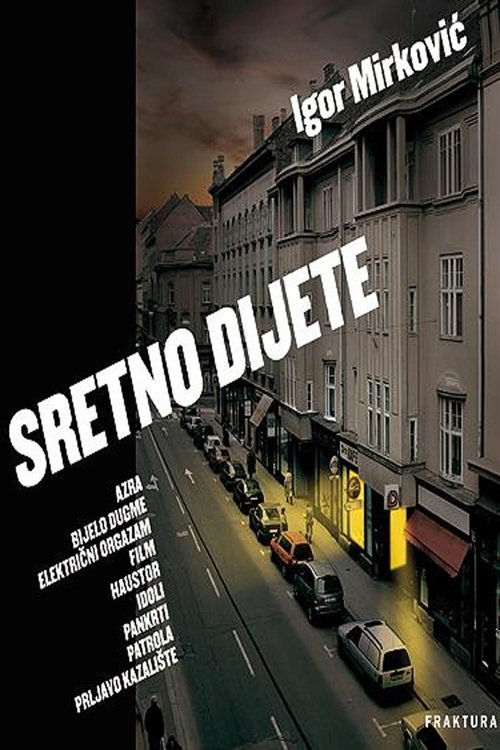
The Happy Child is a story of "New Wave" rock genre predominant in the ex-Yugoslavia during the socialist 70's and 80's.
A study of the psychology of a champion ski-flyer, whose full-time occupation is carpentry.
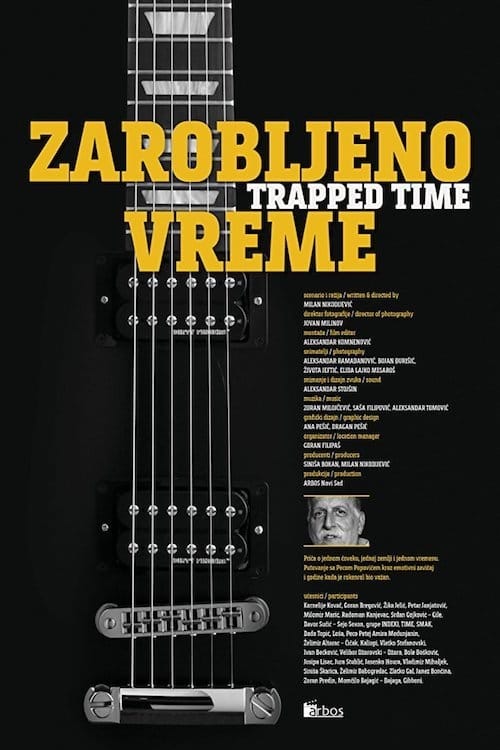
Petar Peca Popović is one of the greatest, most famous, most authoritative and for sure, the best, connoisseur of Rock and Roll in the former Yugoslavia. He promoted Rock and Roll in those heroic times. We are going on a peculiar kind of trip with him, along an "emotional homeland", of ex-Yu, "searching for the lost times" and dear friends, the most significant representatives of this culture - rock'n'roll legends.
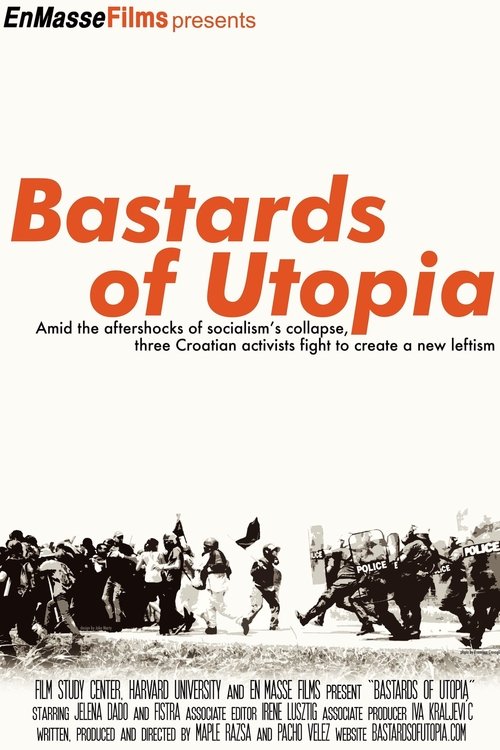
Three Croatian activists struggle to change the world. As children, they lived through the violent collapse of Yugoslavia. But now, amid the aftershocks of socialism's failure, they fight in their own way for a new leftism. In the middle of the struggle, a skeptical American is won over by their cause and even goes to jail with them. The activists, whether clashing with police or squatting in an old factory, risk everything to live their politics. But as the setbacks mount, will they give up the fight? The film, shot during years of fieldwork with a Croatian anarchist collective, applies EnMasseFilm's unique blend of observation, direct participation and critical reflection to this misunderstood political movement. Its portrayal of activism is both empathetic and unflinching -- an engaged, elegant meditation on the struggle to re-imagine leftist politics and the power of a country's youth.
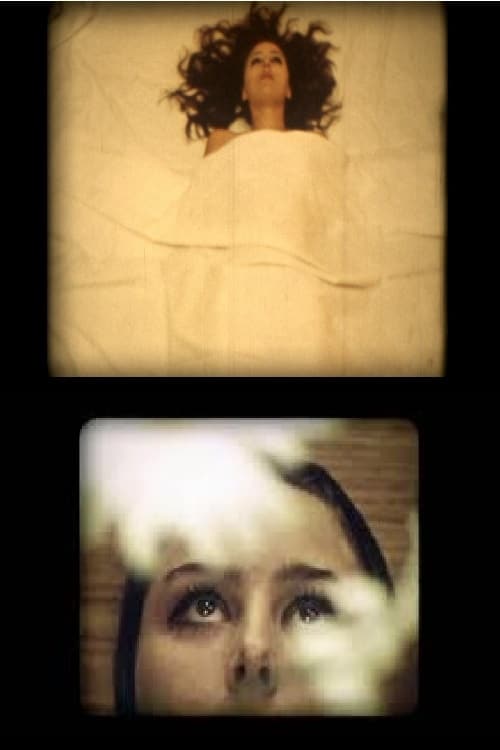
Between four walls of her apartment, a girl enjoys in intimate idleness and being her true self.
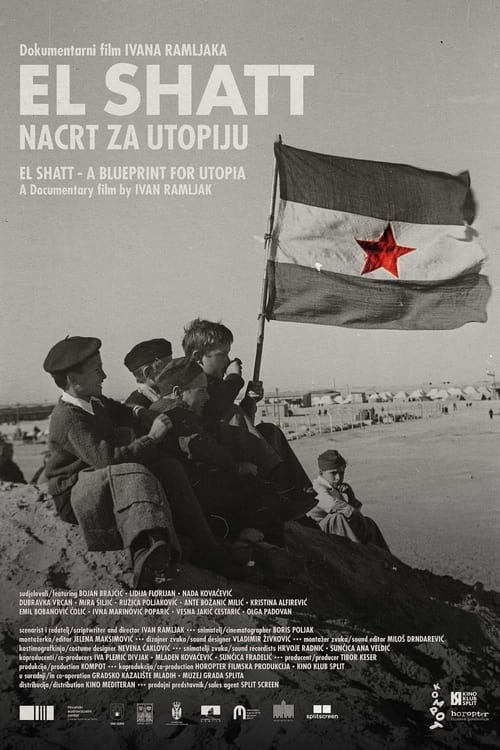
Hundreds of frozen and starved people floating on boats in the middle of the Mediterranean Sea fleeing from the war... Familiar scenes that we are used to seeing in recent times. But the year is 1944, and the refugees are travelling from Europe to Africa. After Italian capitulation,and before the arrival of German army, 28 000 Dalmatian Croats left their home villages and towns to live for two years under the tents in the middle of Egyptian desert, in a kind of a communist model village that was formed to show the Allies how the new Yugoslavia will look like when the war ends. This is a story about them.
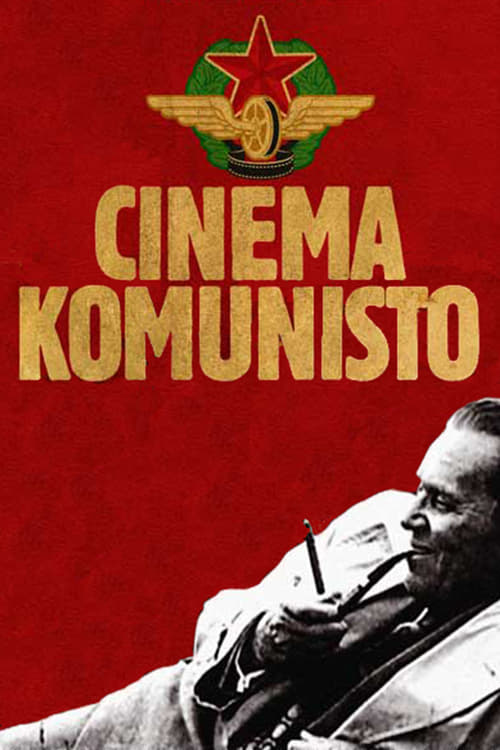
This eye-opening and bittersweet chronicle of the Yugoslavian film industry recounts how the cinema was used—often with direct intervention from President Josip Broz Tito—to create and recreate the young nation’s history, replete with heroes and myths that didn’t always hew closely to reality.
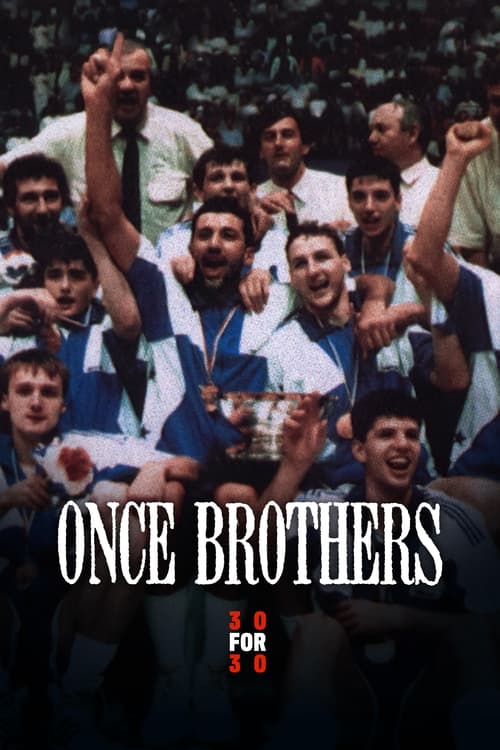
Drazen Petrovic and Vlade Divac were two friends who grew up together sharing the common bond of basketball. Together, they lifted the Yugoslavian National team to unimaginable heights. After conquering Europe, they both went to USA where they became the first two foreign players to attain NBA stardom. But with the fall of the Soviet Union on Christmas Day 1991, Yugoslavia split up. A war broke out between Petrovic's Croatia and Divac's Serbia. Long buried ethnic tensions surfaced. And these two men, once brothers, were now on opposite sides of a deadly civil war. As Petrovic and Divac continued to face each other on the basketball courts of the NBA, no words passed between the two. Then, on the fateful night of June 7, 1993, Drazen Petrovic was killed in an auto accident. This film will tell the gripping tale of these men, how circumstances beyond their control tore them apart, and whether Divac has ever come to terms with the death of a friend before they had a chance to reconcile.
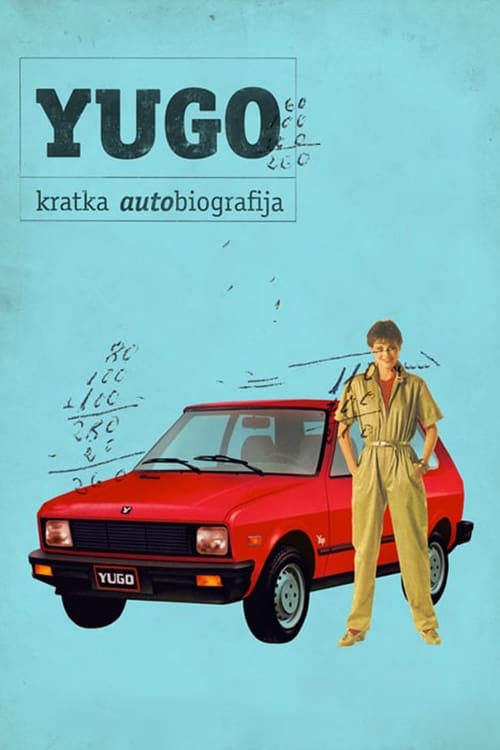
A half-hour fictional documentary film that, through the fates of different people, tries to illuminate the phenomenon of the YUGO car, a cute outsider of small capacities but big ambitions, in the period between 1980 and 2008, when it was manufactured. The film combines statements from authentic workers that were involved in the production of Yugo, archives, along with the reconstruction of different fragments from the Yugo's history which portray him both as a family and a thug's car, as a part of the great American Dream, or as a symbol of betrayed expectations. This film is a small 'commemorative' review of the history of an automobile that for a long time symbolized, in a jocular and veritable way, sometimes even by accident, the times in which he was manufactured.
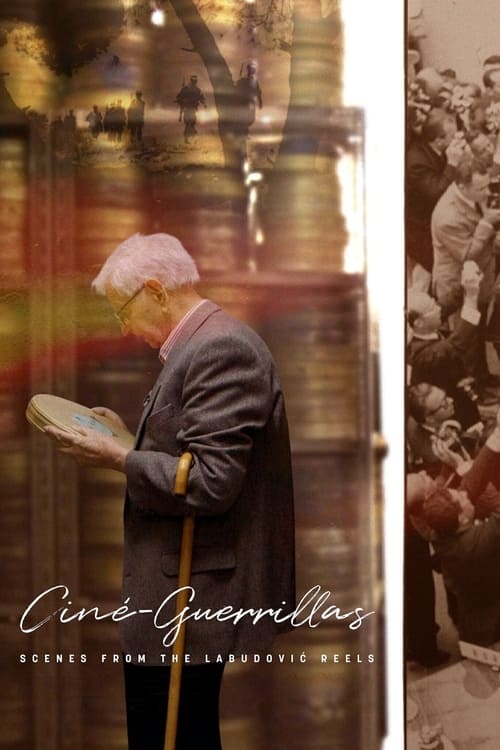
An archival road trip with Stevan Labudović, cameraman to Yugoslav President Tito and cinematic eye of the Algerian revolution, investigating the role of cinema in the liberation struggles of the Third World and reconstructing the birth of the Non-Aligned Movement.
In 1992, the Yugoslav army and Serbian paramilitary forces captured one-third of Croatia as the country was engulfed in a state of war. A squad of fighters is defending their position in the small but strategically significant village of Sunja, where the invaders have surrounded them on three sides. Ivan Salaj, a young and gifted director who was still enrolled in film school at the time, chooses to use their story as the subject of his student film. Considered one of the most important films from a period when Croatian independence was still at stake, it provides an accurate portrayal of life on the front lines. What makes Hotel Sunja even more special is that it was made by a group of students who risked their lives to make the movie.