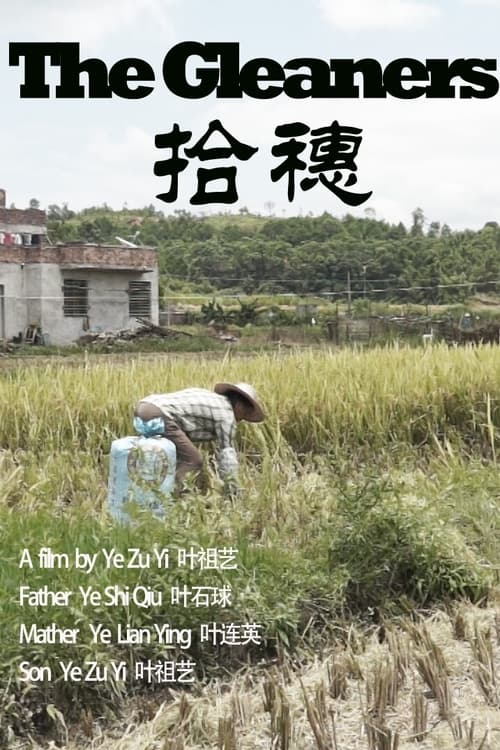
The director spent her childhood living apart from her family and knew very little about its history. This changed when she graduated from college and decided to face her parents with her camera in a search for answers to questions about her past.
Chan Hau Chun
as As Self
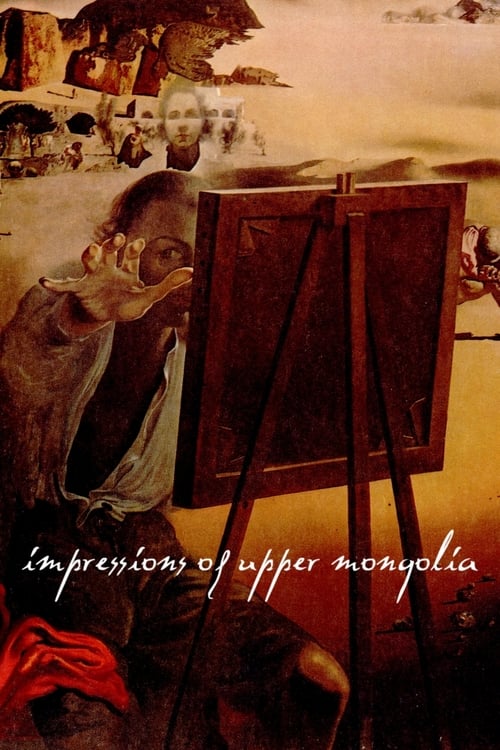
The genius Spanish painter Salvador Dalí undertakes an amazing journey through the unknown mental territories of Upper Mongolia in search of a giant hallucinogenic mushroom while paying an experimental tribute to the French poet Raymond Roussel (1877-1933), a visionary and eccentric writer, precursor of the surrealists and much admired by them.
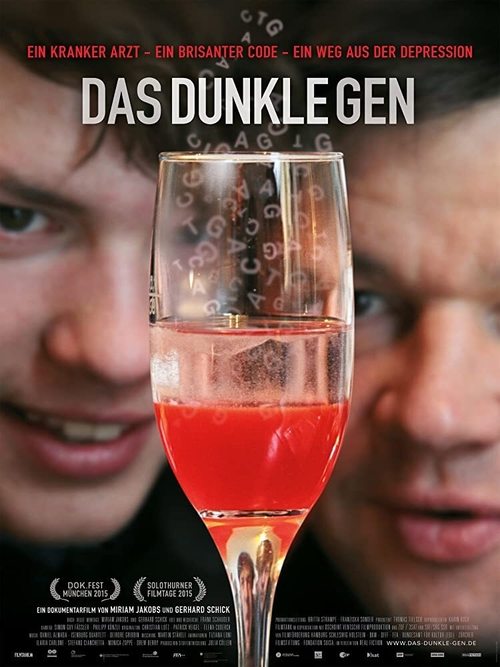
The film tells a very personal story from two perspectives: our protagonist is both doctor and patient. As a patient, he has struggled with recurring depression for years, and as a doctor he wants to find out why. The search for the origins of his illness leads him into the realm of his own genes and casts light on the fundamental changes facing modern society as a result of the tremendous progress being made in the field of genetic sequencing. Along the way, he meets a host of people – researchers, artists, visionaries – who have developed their own very individual approach to genetic coding and are drawing attention to the social significance of genetic technology. The film does not restrict itself to a scientific view of the subject but also makes use of artistic visions and more playful approaches to genetic blueprints.
A dream walk through the United States of America; a meditation on the thoughts and ideals of its inhabitants, as they are exposed in their silent but eloquent home movies.
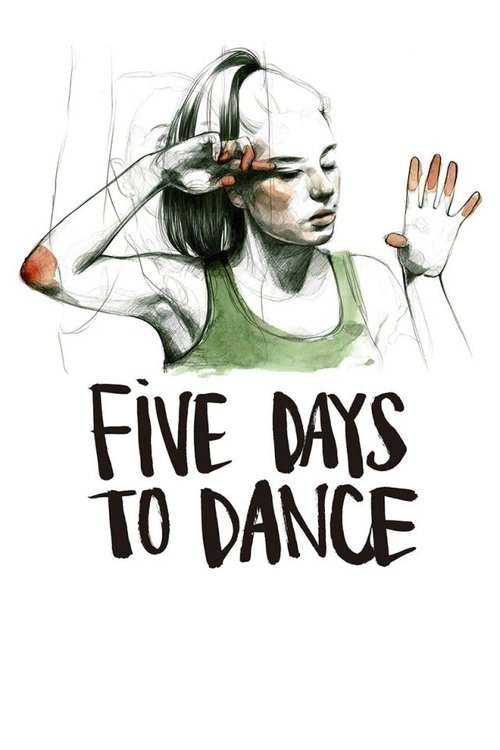
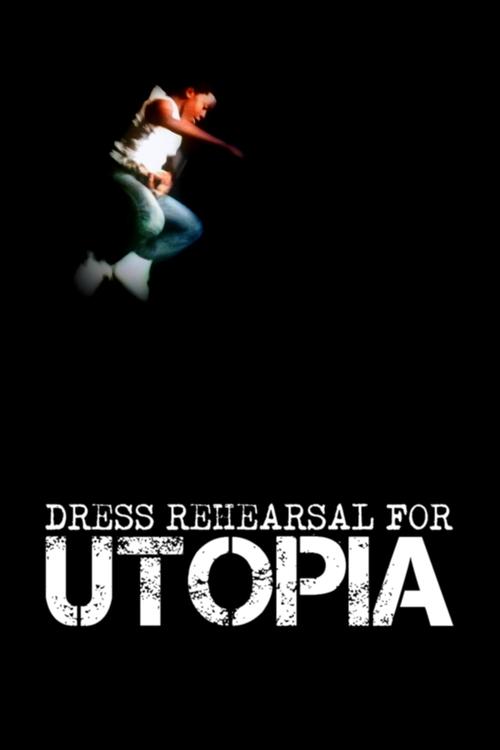
A couple of dancers appear one morning in a High School. It's Monday and they announce to a group of youngsters that they have five days to get up on stage and dance. A short time but a big challenge. The dance compels these youngsters to break through their roles exactly at the time of their lives when the social roles are being forged. The handsome boy is no longer the most admired, the timid one takes a step forward. Wilfried van Popple and Amaya Lubeigt are the choreographers. Professional dancers who have decided now to work with people who have never danced before. This is the challenge: five days, a class of teenagers, a microcosm in which occurs a little big bang.
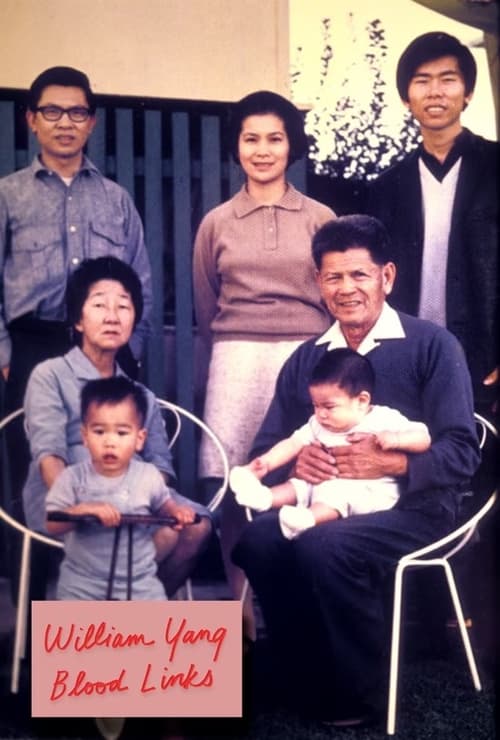
Renowned Australian artist William Yang traces the labyrinthine web of his family history in this adaptation of his iconic live performance piece. William was born and raised in North Queensland, his grandparents having migrated from China to the Top End during the 1880s gold rush. Yet it was not until mid-life that he claimed his Chinese heritage, which had hitherto been lost to him by his complete assimilation into the Australian way of life. William's transatlantic exploration of his genealogy unites him with scores of relatives from all walks of life, some rich, but most ordinary folk with menial jobs, and most cannot speak a word of Chinese. A visual feast, Blood Links examines how the Chinese diaspora establish roots in foreign soil, and how over the generations, through intermarriage, blood is mixed; yet the intricate bonds of family remain.
While Andrés searches for old movies in Mozambique, he feels haunted by ominous premonitions, anticipating bad news coming from Venezuela, his country, where his father is gravely ill.
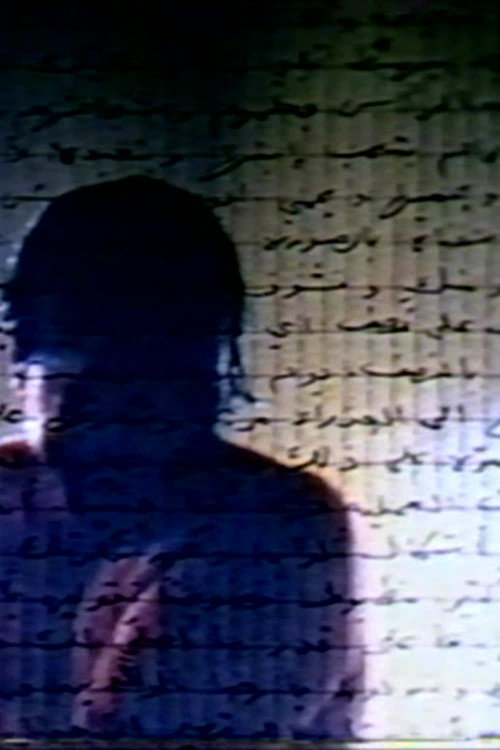
In this video, the artist tries to overcome the effects of distance, and reflects on geography represented in exile due to war, and on the psychological distance represented in each one’s approach to her womanhood. The video beautifully weaves personal images and audio recordings of a very intimate nature, binding the personal with the political. Reading aloud from letters sent by her mother in Beirut, Hatoum creates a visual montage reflecting her feelings of separation and isolation from her Palestinian family. The personal and political are inextricably bound in a narrative that explores personal and family identity against a backdrop of traumatic social rupture, exile and displacement.
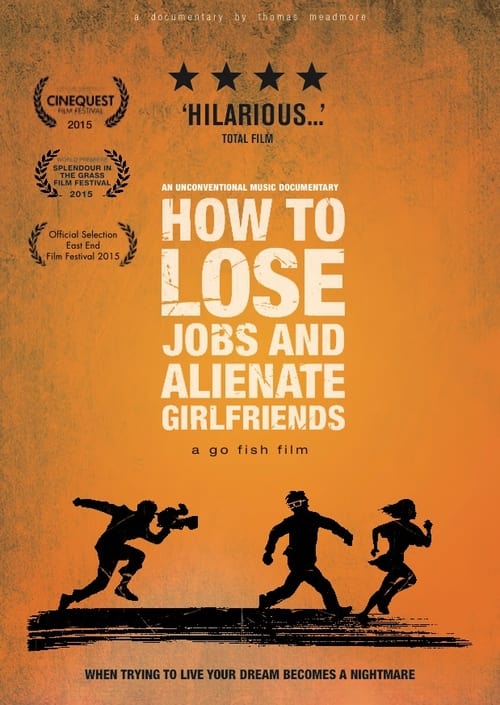
First time filmmaker follows his girlfriend and boss chase their dream as musicians. His insecurities flair while struggling to find a story, and begins challenging their flaws, on camera, jeopardizing the film, relationships and careers.
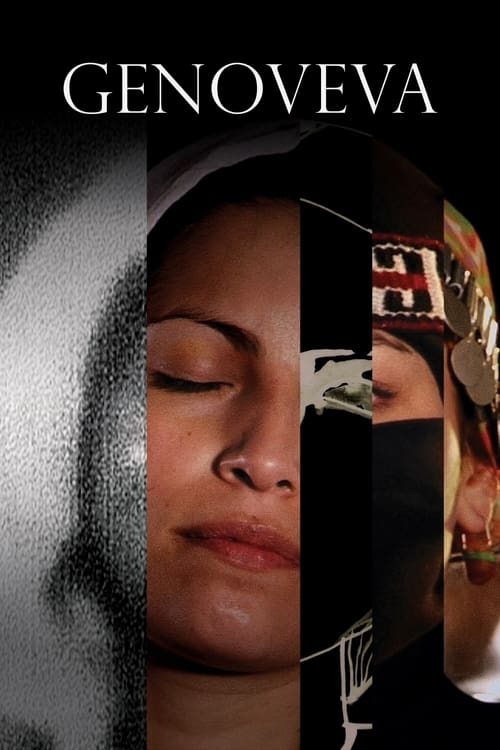
A photograph of an unknown Mapuche great-grandmother is the starting point of this documentary essay. Through the analysis of said picture, conversations with family members, a trip to southern Chile cities, and an actress who re-enacts the photo, we see the existing prejudice against indigenous people.
A documentary about a young man who questions the meaning of the term "family", showing his view on family through his group of high school friends who he considers his second family.
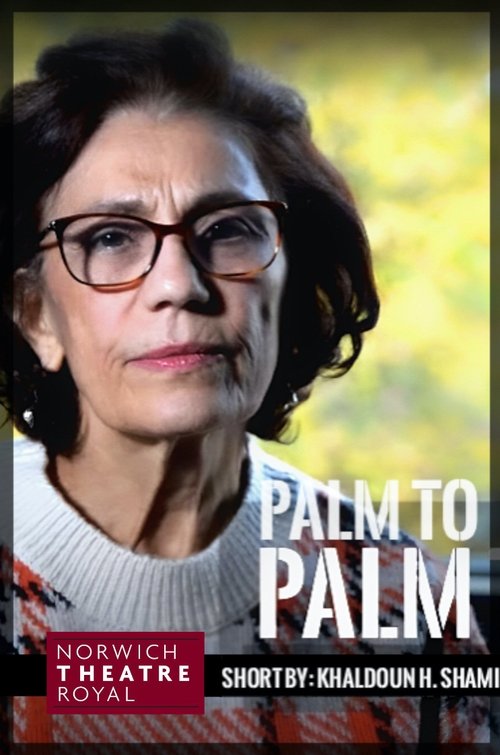
"Everybody should have a home. If you punish a nation, this is so abstract, it's very mean to use your power to put another country in your control... Instead of punishment, maybe we should have love." Eliane from Chile, Milad from Iran, and Georgia from Greece, three migrants in the UK and their thoughts on love, home, family, and Shakespeare's Romeo and Juliet.
A year in the life of the Knight wrestling dynasty from suburban Norfolk, a family who pack a real punch... often at each other.
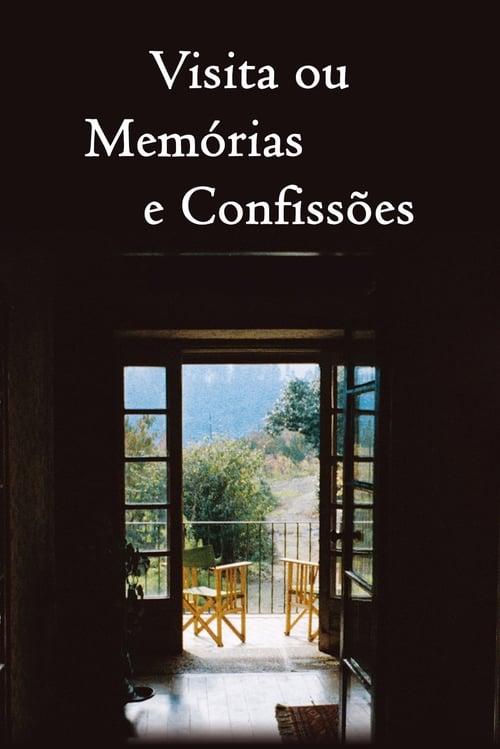
A long-hidden, personal doc about leaving a beloved house by the late, revered Portuguese director Manoel de Oliveira.
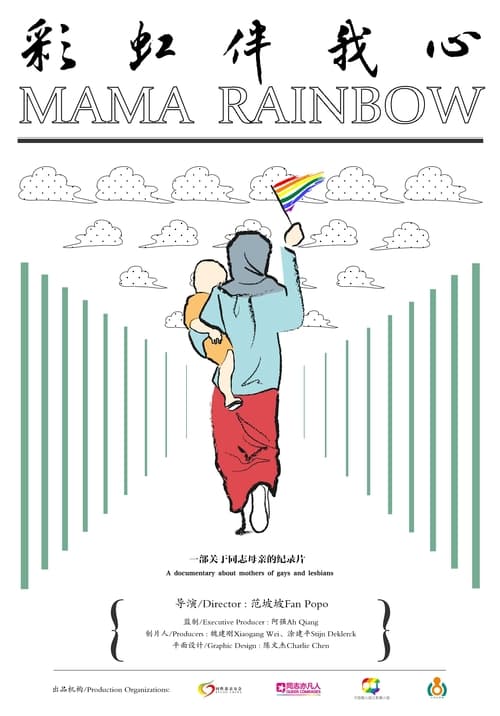
For Chinese parents, finding out that their kid is gay usually presents a major tragedy, with the big majority utterly unable to accept the homosexuality of their son or daughter. However, during recent years a fresh rainbow wind has been blowing over the Chinese mainland: a pioneer generation of Chinese parents has been stepping up and speaking out on their love for their gay kids. This documentary features 6 mothers from all over China, who talk openly and freely about their experiences with their homosexual children. With their love, they are giving a whole new definition to Chinese-style family bonds.
A coming-of-age story about a filmmaker and his family as they struggle to adapt to both a changing world and a traditional one. Can the filmmaker's family accept that he is more interested choosing to document a famine that happened 50 years ago than choosing a wife? Will the family continue to farm their land and grow rice as they always have or sell it to developers? How can they adapt to life in modern China when the country itself is in the midst of identity crisis? The film explores these topics and more in a refreshingly original style that bridges the gap between documentary and narrative feature while providing a delightfully intimate portal into family life in modern China.
Penthesilea, the first of six films made by Laura Mulvey and Peter Wollen, traverses thousands of years to look at the image of the Amazonian woman in myth. It asks, among other questions, is the Amazonian woman a rare strong female image or is she a figure derived from male phantasy? The film explores the complexities of such questions, but does not seek any concrete answers.