This documentary show the work, the worries and the joys of a family dedicated to viticulture, the Potterat, living in Lavaux. Three generations live together, keeping the old traditions
What becomes history, what feeds memory, what shapes an era? Images found in the dustbins of history. Taken out of context, fragments, testimonies and unpublished documents intermingle, interweave and collide. They take on a new meaning, a dimension of authentic proximity. The peregrination touches on the advent of the atomic bomb, the military trials at the end of the war, the lie detector, the discovery of the Majdanek camp; Einstein, Lenin's embalmer, the KGB agent, the American spy rebuilding his life in Russia, the Yugoslav war sniper all have their say.
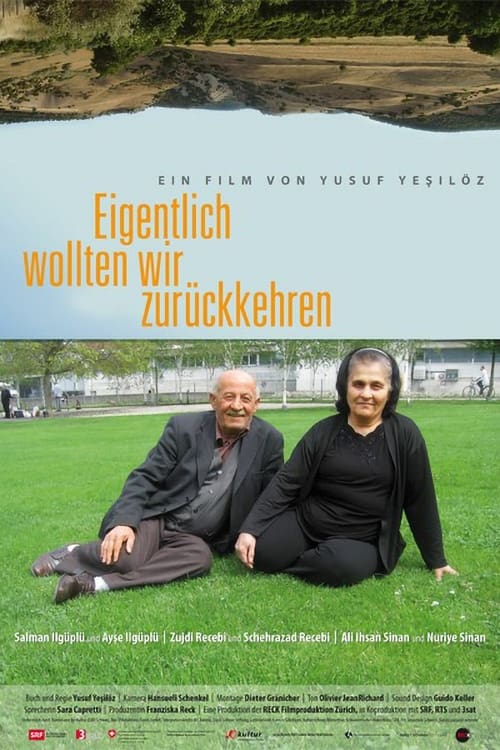
They came to Switzerland in the hope of a better life when they returned home. Thirty or forty years later, they're still here. Now in their retirement years, three couples who once came from Turkey and the Balkans are at a crossroads: to return or to stay? The question has been with these migrants all their lives in Switzerland. It's now urgent to find an answer, and the families of their children must also make a decision. Will the older generation return home? Who will look after old parents here or there?
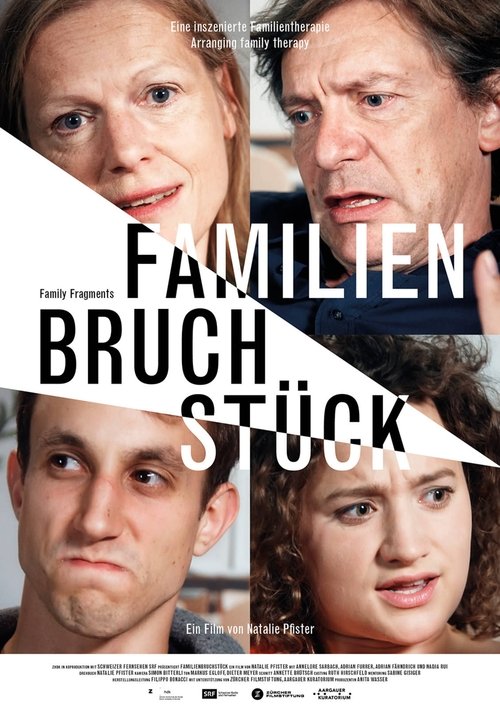
The film reconstructs the memories of a divorced family with empathy yet merciless precision. An intimate family story emerges during the investigation into the reasons for the separation. Hinging on the subtle and touching testimonies of the family members, the film delves into complex interrelationships. Actors bring the family's memories alive as if they were their own. The result is a chronicle of a family drama, which the real protagonists complement and comment on – a reflection on the mechanisms and dynamics shaping and directing their family life over the years.
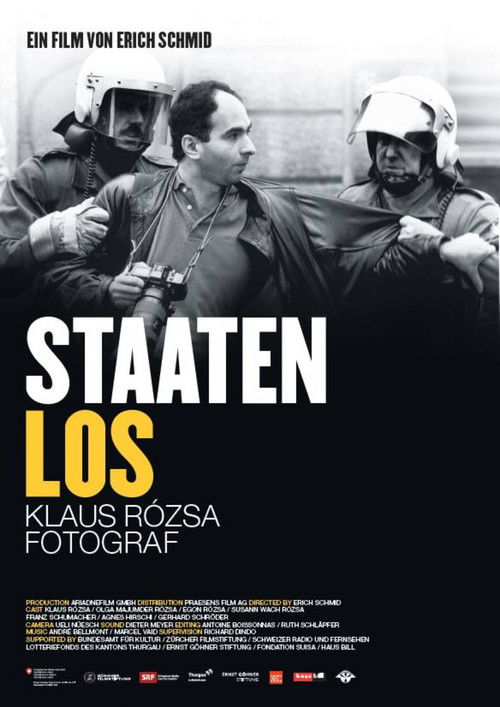
Klaus Rozsa, a well-known and politically active photographer, lived in Zurich for decades as a stateless individual. All of his applications for naturalisation were refused on political grounds. In 1956 he fled Hungary, growing up in Switzerland with a Jewish father who had survived Auschwitz and Dachau. Due to the extreme proximity of such a fate, the camera led him repeatedly to places where injustice was done. It was this particular quality of his camerawork that proved fateful for him.
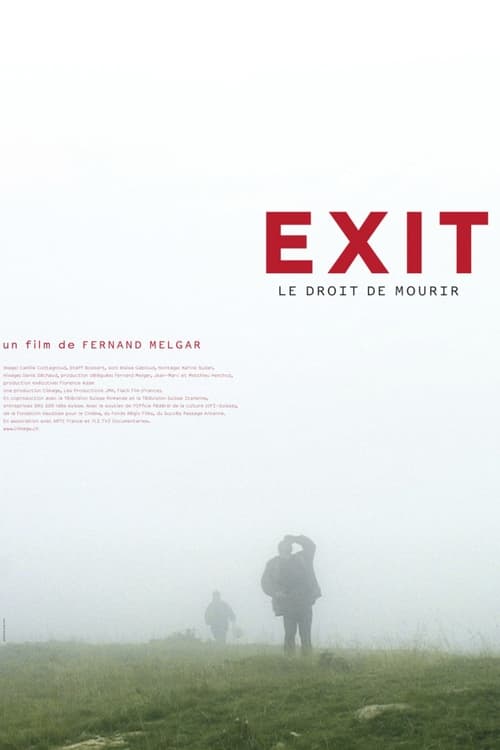
Switzerland is presently the only country in the world where suicide assistance is legal. Exit: The Right to Die profiles that nation's EXIT organization, which for over twenty years has provided volunteers who counsel and accompany the terminally-ill and severely handicapped towards a death of their choice.
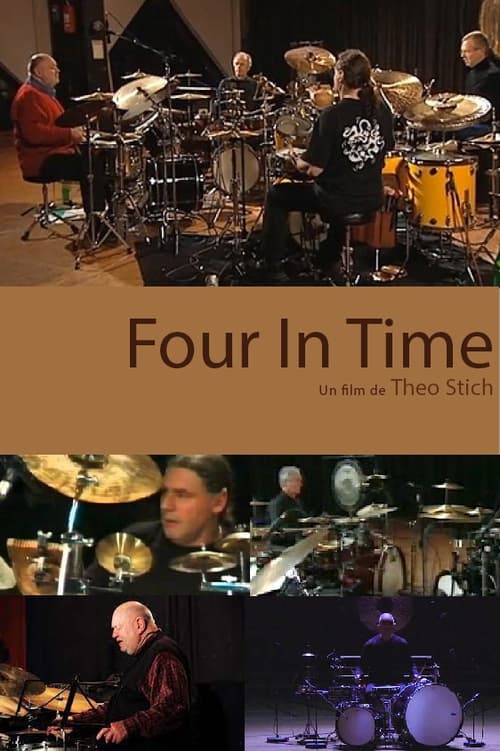
The film is the story of a musical encounter between drummers Pierre Favre, Fritz Hauser, Daniel Humair and Fredy Studer. The filmmaker brought them together in Zurich on January 6, 1997, and followed them over four days of rehearsals. The confrontation between these very different artists culminates in a concert.