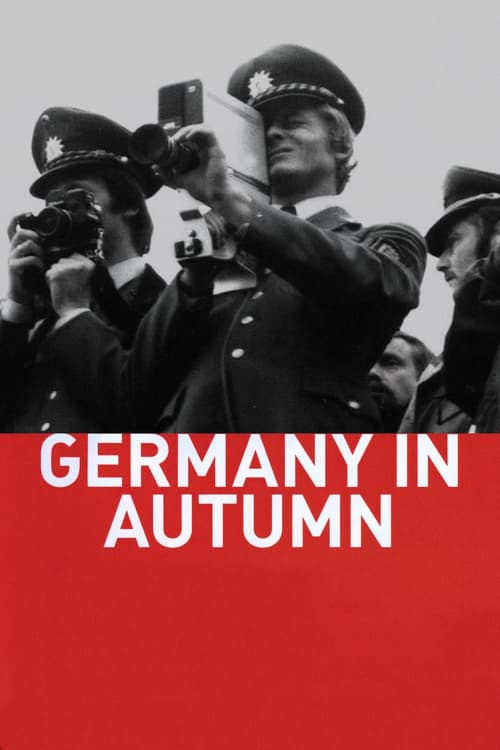
This documentary film essay analyses controversial police procedures in Germany in autumn 1974, when in a number of the police interventions suspects were killed before being arrested or tried.
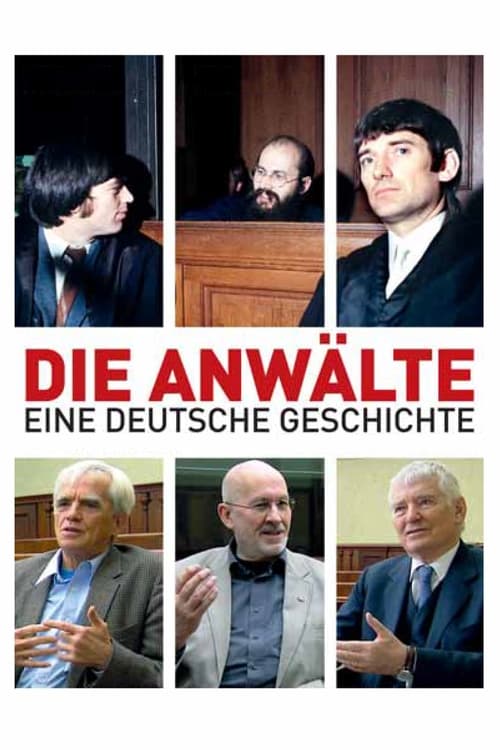
In the early 1970s, Otto Schily and Hans-Christian Ströbele were part of the group of attorneys of the left-wing extraparliamentary opposition in Germany. In this function, they, for instance, represented the militant Horst Mahler in court. One thing that united all three of them was their goal to create a new and different republic. They viewed Federal Germany as an oppressor of political freedom and as a vassal of the United States. Today, Schily is a former Federal Minister of the Interior with a firmly conservative stance and Ströbele is a well-respected member of the left wing of the Green Party in the German parliament while Mahler has again come into conflict with the law because of his extremist right-wing activities.
Nine fictitious documentaries and films reflect the mood of late 1970s Germany, particularly the two-month period in 1977 when a businessman was kidnapped by the RAF (Red Army Faction). The kidnap had been made to orchestrate the release of the original leaders of the RAF, aka the Baader-Meinhof.
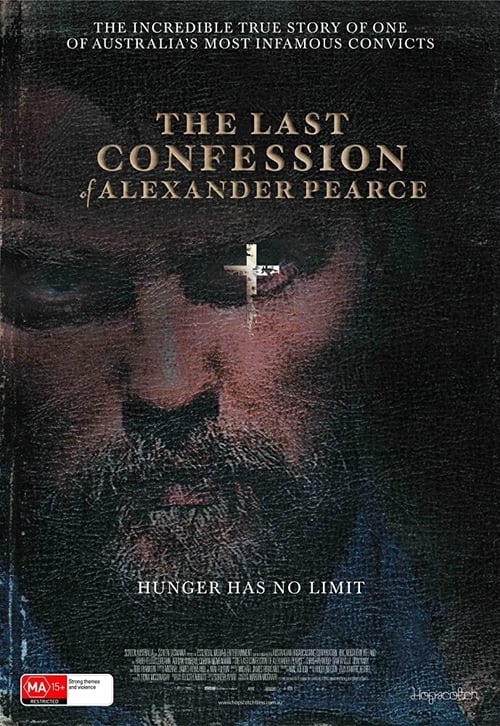
Eight men escape from the most isolated prison on earth. Only one man survives and the story he recounts shocks the British establishment to the core. This story is the last confession of Alexander Pearce.
Documentary about abolitionist John Brown
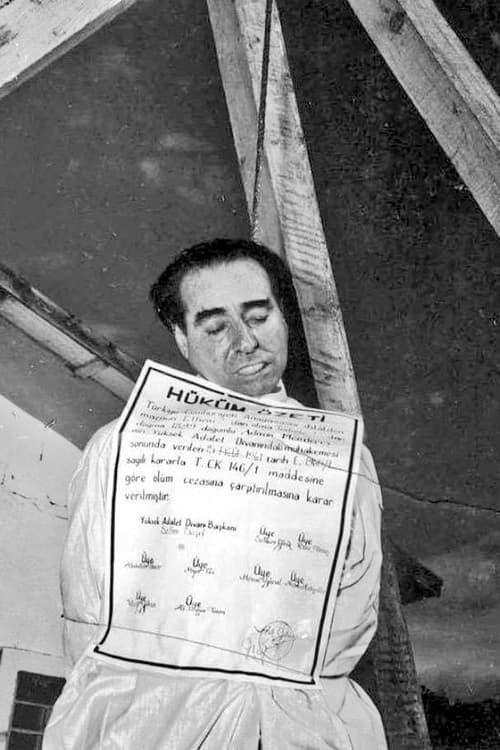
We came to the end of the road. We told you the story of the establishment of a democracy throughout 9 episodes... We witnessed the collapse of a one-party regime. We witnessed the disappearance of the national chiefdom. Together we experienced the holding of the first free general elections and the raising of democracy in pain. And finally, we told you about the birth, rise and fall of a new power. Where we ended up was a military intervention. Whatever the reasons, the storm of revolution had blown once. Now the task of the officers who seized power on the morning of May 27 was to contain that storm. But it didn't. After a while, the storm started to drag the revolutionaries in front of it. The historical scenario was repeated. The Revolution ate some of their children. The revolution was now speaking its own language...
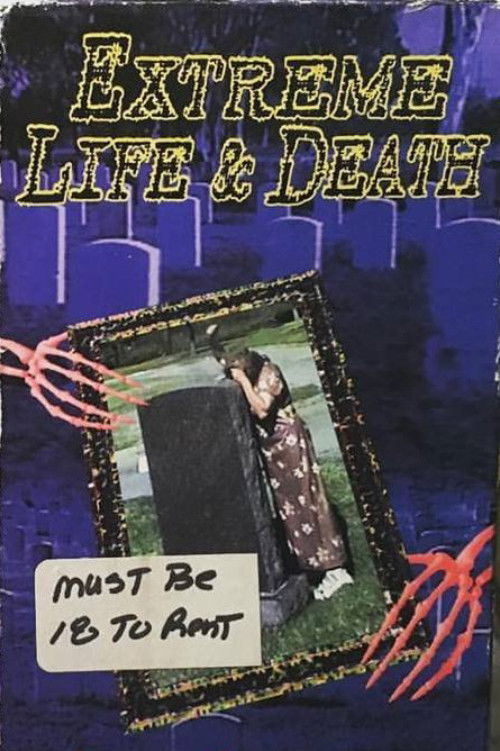
A compilation of various accidents, disasters, executions, and other acts of mayhem and human feats caught on film.
In 2019, the multi-awarded filmmaker Nahid Persson Sarvestani (My Stolen Revolution, Prostitution Behind the Veil) filmed the Iranian journalist based in France Roholla Zam, who exposed the Iranian regime money laundering. Months later, Rohollah was lured by moles to Iraq and kidnapped to Iran. After 14 months in prison, he was executed.
For the first time, some of Vidkun Quisling's closest followers as well as his opponents come forward and describe their impressions of the Norwegian Nazi leader. The documentary uses unique archive material; films, photos, secret documents, letters and facsimiles. Quisling's own words are also presented to give a deeper profile of the man who still is a Norwegian riddle.
In April 1975 Commando Holger Meins occupies the West German Embassy in Stockholm. In exchange for the hostages they want to force the release of RAF-prisoners in Germany; Andreas Baader, Ulrike Meinhof, Gudrun Ensslin, etc. The occupation lasts twelve hours and ends in defeat for the occupants, left is a blown-up Embassy and four people dead, two of them executed by the occupants. Karl-Heinz Dellwo, 23 years old, is arrested and sentenced to jail. In 1995 he is released from prison. Today he lives in Hamburg with his girlfriend Ella, also a former terrorist. Karl-Heinz is trying to create a new life for himself, but he is always haunted by his violent past.
About Jonas Falk and his stepfather Anders Frid who are both tired of living in poor conditions. They jointly committed a robbery against a post office. The robbery is successful in the sense that they came across a large sum of money, but the fact that Jonas shoots the postilion to death during the robbery turns out to have fatal consequences.
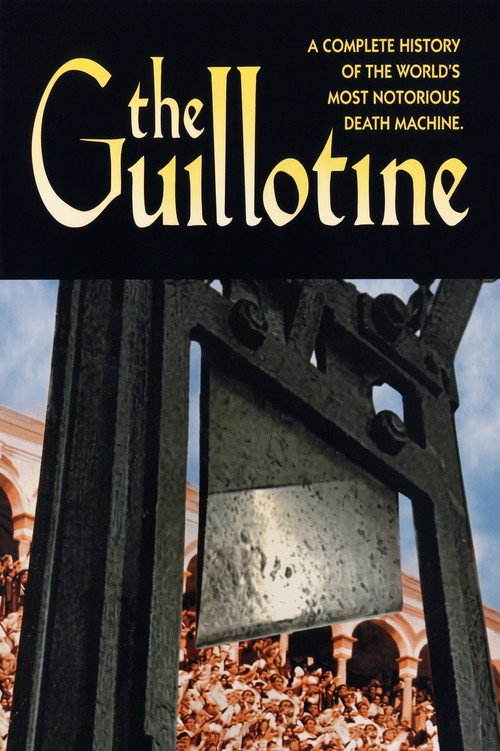
The Guillotine examines the fascinating and bizarre history of the "national razor" that started out strictly for execution and then became a source of entertainment and amusement. In Scotland they called it "the Maiden," in England "the Halifax Gibbet," and in France "the Machine," "the Widow," and "the Guillotine." It existed for hundreds of years, but found its home in France during the French Revolution and the Reign of Terror when nearly 20,000 men, women and children died beneath its blade. Through dramatic reenactments and archival documentation of famous executions, the program explores the early technology of the guillotine and its bloodstained career throughout Europe.
In September 1847, the people gathered at the “Salmen” inn in Offenburg and put forward 13 demands: freedom of the press, trial by jury, fair taxation and a parliament representing the people. What began as a protest became the revolution in Baden. In April 1848, Friedrich Hecker set out from Konstanz with a volunteer militia, in September Gustav Struve proclaimed the republic in Lörrach, and in May 1849 the Baden army went over to the people. Grand Duke Leopold fled and a provisional government took control of the country. Only Prussian troops brought the Baden Revolution to an end: on 23 July 1849, the fortress of Rastatt surrendered.
A documentary on the executions that took place during and after the Finnish civil war in 1918.