As Greg Louganis prepared for the 1988 Summer Olympics in Seoul he had not only the pressure of winning an unprecedented second gold medal on his mind, but also the weight on his recently discovered HIV status on his shoulders.

Iverson is the ultimate legacy of NBA legend Allen Iverson, who rose from a childhood of crushing poverty in Hampton, Virginia, to become an 11-time NBA All-Star and universally recognized icon of his sport. Off the court, his audacious rejection of conservative NBA convention and unapologetic embrace of hip hop culture sent shockwaves throughout the league and influenced an entire generation. Told largely in Iverson's own words, the film charts the career highs and lows of one of the most distinctive and accomplished figures the sport of basketball has ever seen.
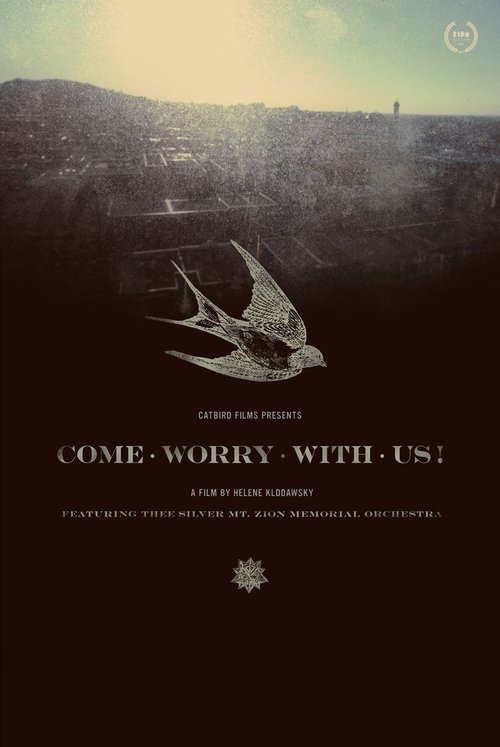
Acclaimed Montreal band Thee Silver Mt. Zion Memorial Orchestra is one of a growing number of rock groups to have accepted an infant into their touring tribe. Touring with children is both costly and complicated, yet SMZ are determined to combine family life and being on the road with the band's deep political commitment.
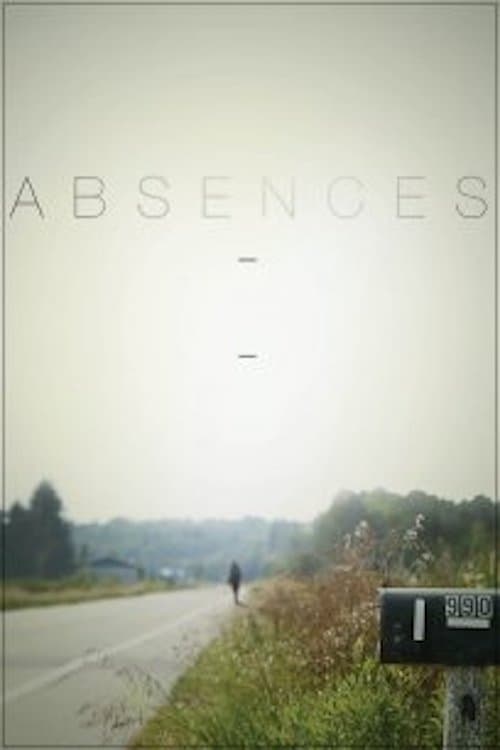
Carole Laganière dives deeply into personal territory in this beautifully crafted exploration of absence and loss and its painful effect on daily lives. Inspired by her mother’s steadily advancing Alzheimer’s and the inevitability of her estrangement, Laganière weaves their story with the stories of others wrestling with loss: Ines, an immigrant who returns to her birth country of Croatia to find the mother who abandoned her during the war; Deni, an American author who’s finally able to search for his Quebec roots; and Nathalie, who’s desperately looking for her missing sister. Through their experiences the film ponders how absence is often the catalyst for a quest—a quest for information, understanding and often acceptance. Through its many voices, Absences speaks to us of the immense fragility and resiliency of human emotions.
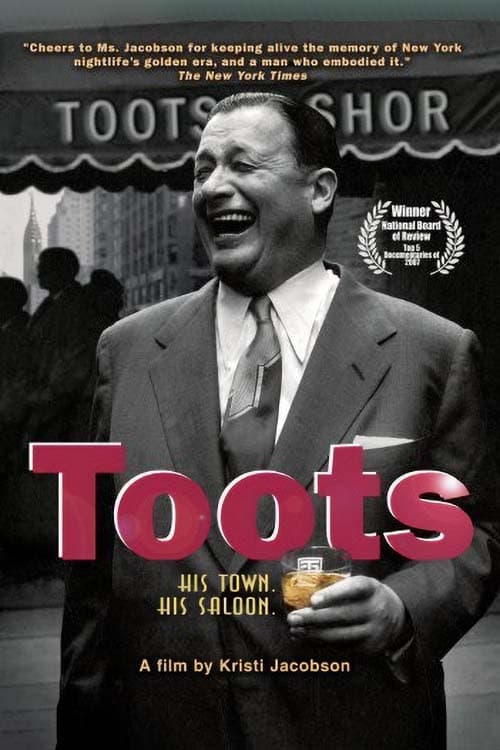
The '40s and '50s were a classic period in New York City nightlife, when the saloonkeeper was king and regular folks could drink with celebrities like Frank Sinatra and Jackie Gleason. In this documentary, Kristi Jacobson profiles her grandfather, the king of kings: Toots Shor of the eponymous restaurant and saloon, which was once the place to be seen in Manhattan. Edward R. Murrow called Toots Shor the owner of America’s greatest saloon. He became the unlikely den-mother to the heroes of America's golden age. Politicians and gangsters, sports heroes and movie stars - Sinatra, Gleason, DiMaggio, Ruth, Costello, Eisenhower, Nixon, Warren - for 30 years, they all found their way to Toots' eponymous saloon on New York's West 51st Street.
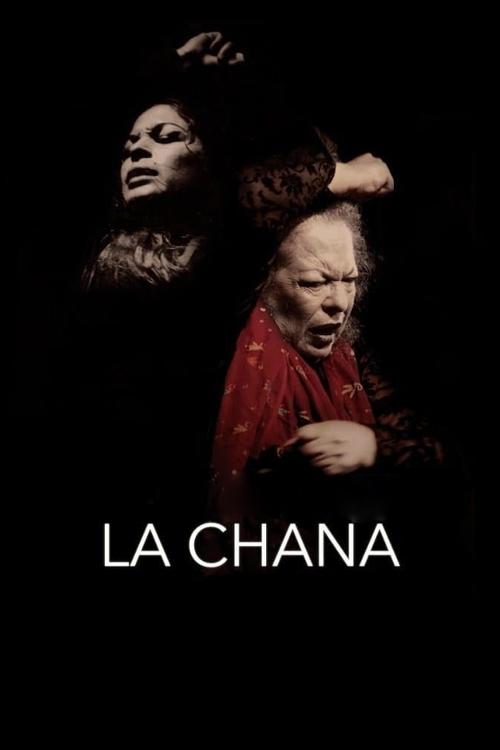
The film brings us under the skin and into the mind of La Chana, a talented Gypsy flamenco dancer as she returns to the stage to give a final seated performance after a 30-year break. Along the way, La Chana reveals the secret behind her disappearance when she was at the peak of her career.
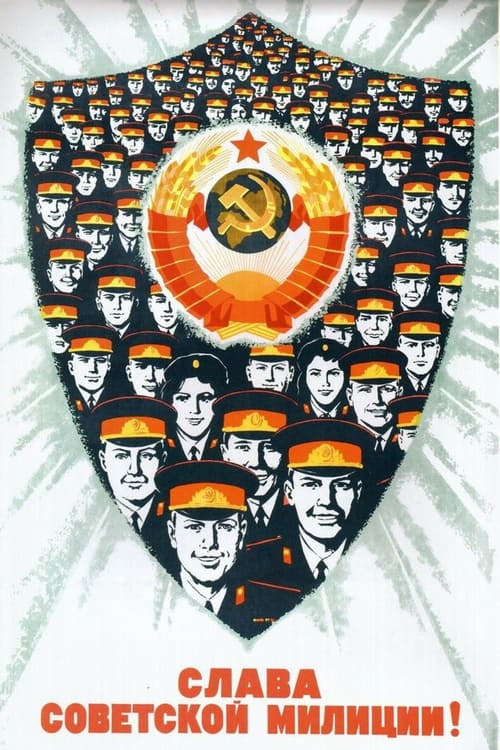
The first uncensored documentary about the Soviet Union ever made by an outsider. The film takes viewers to 12 of the 15 states of the former USSR.
In 1928, Lady Heath became the first person to fly solo from Cape Town to London. Eighty-five years later, Tracey Curtis-Taylor set out in a vintage biplane to fly that adventure again. Following Tracey as she retraces the journey, The Aviatrix is more than just a film about the rapture of flying – it’s a story about living life on your own terms and having the courage and determination to realise your greatest dreams.
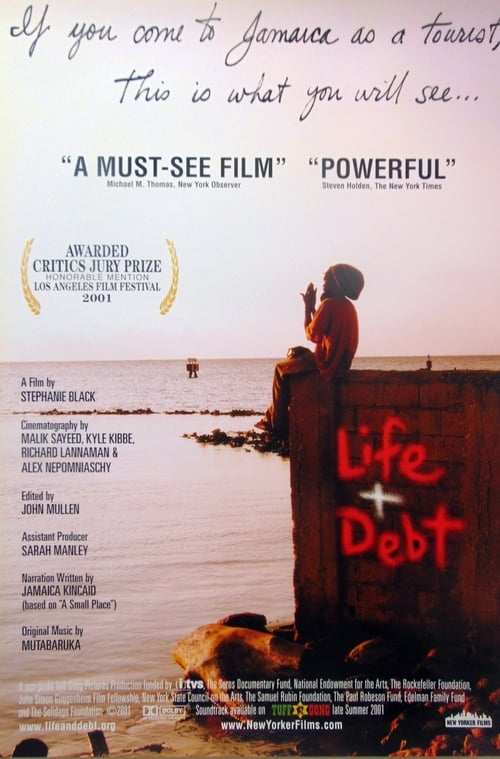
Life and Debt is a 2001 American documentary film that examines the economic and social situation in Jamaica, and specifically how the International Monetary Fund and the World Bank's structural adjustment policies have impacted the island.
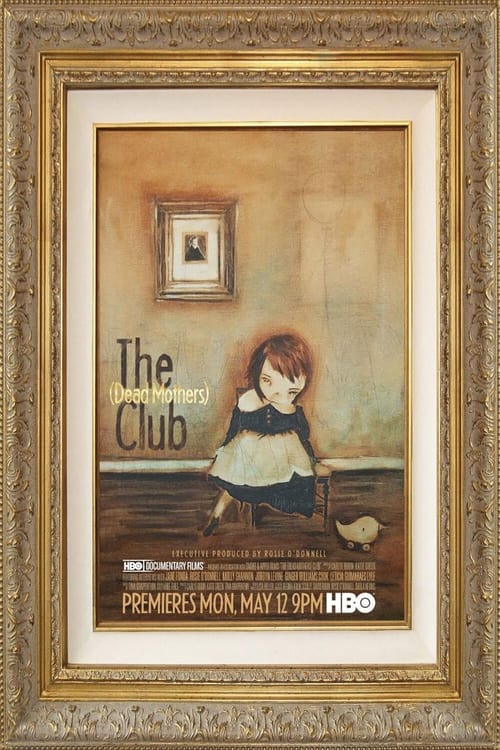
Three women whose paths never cross, yet are bound by the shared experience of losing their mothers during adolescence, exploring each one’s sometimes-complex relationship with her mother.
It is El Salvador, 1989, three years before the end of a brutal civil war that took 75,000 lives. Maria Serrano, wife, mother, and guerrilla leader is on the front lines of the battle for her people and her country. With unprecedented access to FMLN guerrilla camps, the filmmakers dramatically chronicle Maria's daily life in the war.
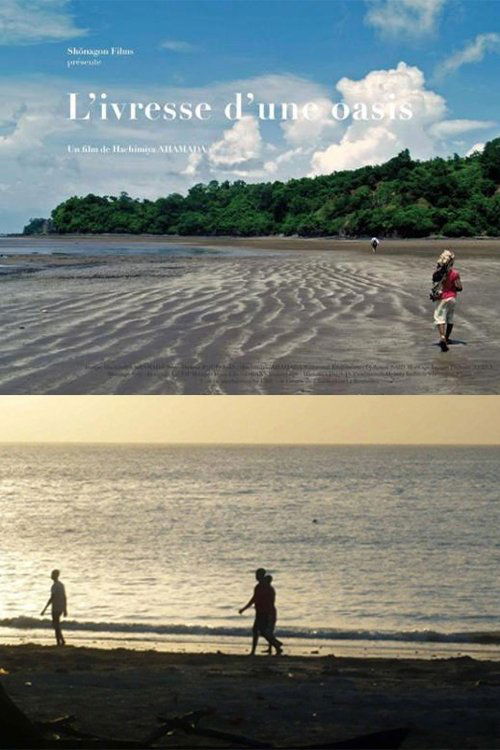
On an island in the Indian Ocean, the Comoros archipelago, unoccupied houses await the arrival of their owners. These places without souls and half built abound across the landscape. The myth of eternal return is repeated in the Comorian diaspora.
Before the internet. Before social media. Before breaking news. The victims of Thalidomide had to rely on something even more extraordinary to fight their corner: Investigative journalism. This is the story of how Harold Evans fought and won the battle of his and many other lives.
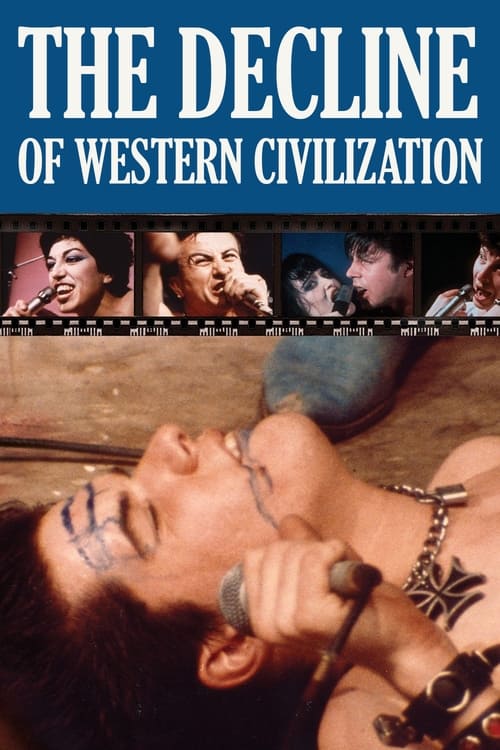
The Los Angeles punk music scene circa 1980 is the focus of this film. With Alice Bag Band, Black Flag, Catholic Discipline, Circle Jerks, Fear, Germs, and X.
Just one year ago, citizens joined together at Place de la République in Paris to demonstrate against labor reforms, the El Khomri law. This rapidly became an opportunity to invent another way of handling politics. It was the beginning of Nuit Debout. The film follows closely this social movement's inner core, a new kind of citizen's and democratic parliament, without representatives or leaders, which attempts to allow everyone the chance to speak. How do we speak in unison without speaking with a single voice?
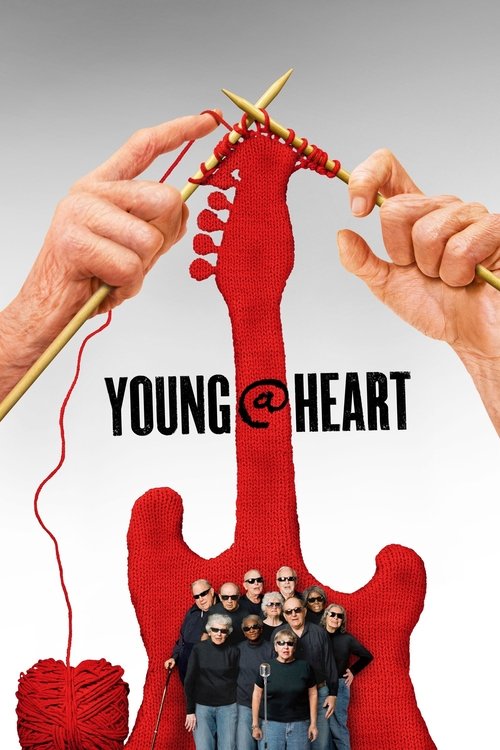
Documents the true story of the final weeks of rehearsal for the Young at Heart Chorus in Northampton, MA, and many of whom must overcome health adversities to participate. Their music goes against the stereotype of their age group. Although they have toured Europe and sang for royalty, this account focuses on preparing new songs for a concert in their hometown.
The life and career of the hailed Hollywood movie star and underappreciated genius inventor, Hedy Lamarr.
As a sci-fi obsessed woman living in near isolation, Beverly Glenn-Copeland wrote and self-released Keyboard Fantasies in Huntsville, Ontario back in 1986. Recorded in an Atari-powered home-studio, the cassette featured seven tracks of a curious folk-electronica hybrid, a sound realized far before its time. Three decades on, the musician – now Glenn Copeland – began to receive emails from people across the world, thanking him for the music they’d recently discovered.