Documentary examining the violence inflicted by men on women every day, telling the stories of all the women who died at the hands of a male partner or ex-partner during one year.

'OG' is a film about a legendary, Brazilian born, NYC skateboarder, Harry Jumonji. In the course of telling his story, through his triumphs and travails, Jumonji emerges in this portrait as an adolescent innocent, much like skateboarding itself. He is irrepressible, manically energetic and ultimately, pure. He has a transcendent presence, well beyond charm or charisma, of such unalloyed joy that nothing he does is unforgiveable. This is fortunate because, as a drug addict, unsurprisingly, he lies, cheats and steals. Harry is rendered as the poet, the sprite, the artist and the street saint he is.
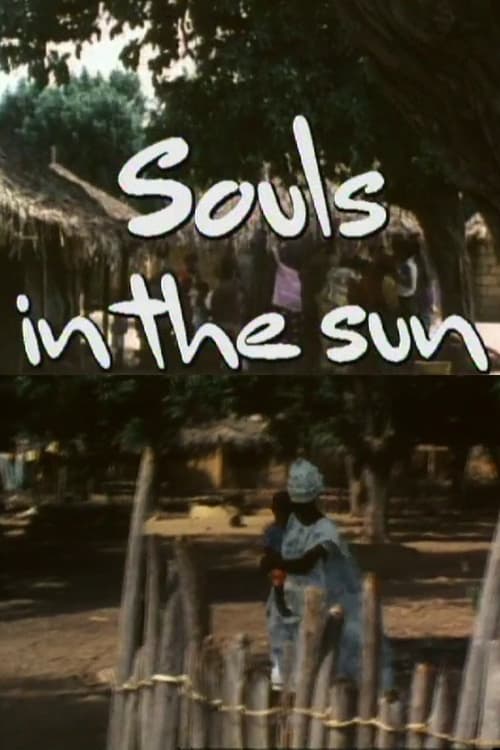
Souls in the Sun takes an honest look at some victims of the world's neglect - a few individuals among the teeming masses of poor people.
In Uganda, a new bill threatens to make homosexuality punishable by death. David Kato - Uganda's first openly gay man - and his fellow activists work against the clock to defeat the legislation while combating vicious persecution in their daily lives. But no one, not even the filmmakers, is prepared for the brutal murder that shakes the movement to its core and sends shock waves around the world.
In Out Of The Rubble, Woolcock shows how planners grappled with the grimmest poverty imaginable in the post-war era, from Brixton to Glasgow, Islington to Birmingham, believing that tower blocks would transform the lives of those living in decaying slums. She follows the cycle of optimism, building and eventual decline, meeting people who 50 years on bear witness to the effects of housing on real families, striking a contemporary chord with the theme of immigration and gentrification affecting working class communities. The irresistible nostalgia of scenes from the 1950s, 60s and 70s is tempered by a realisation of the force of history at work.
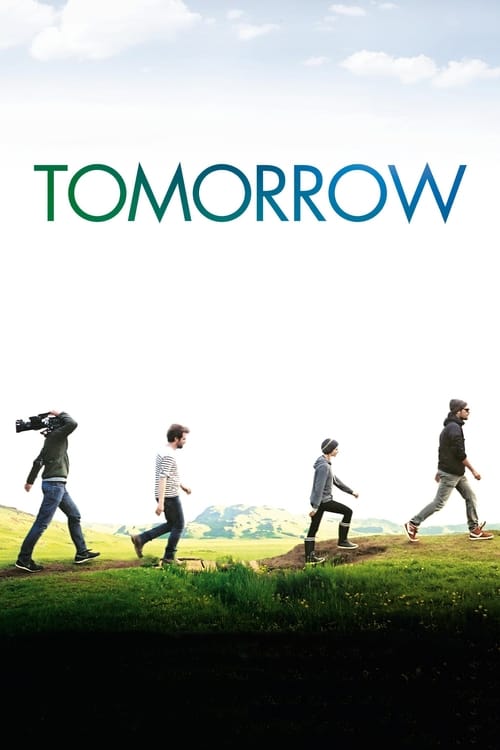
Climate is changing. Instead of showing all the worst that can happen, this documentary focuses on the people suggesting solutions and their actions.
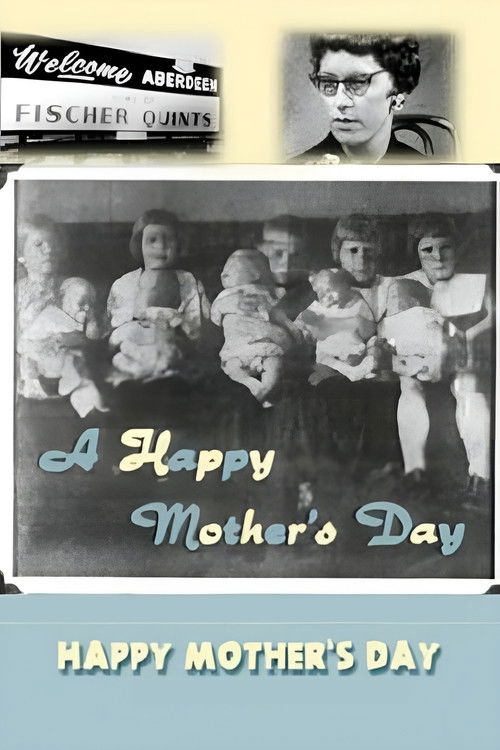
A cinéma vérité documentary observing the Fischer family of Aberdeen, South Dakota, following the 1963 birth of the first surviving American quintuplets. Filmed shortly after the event, the film contrasts civic promotion, media attention, and commercial interest with the private fatigue and quiet suffering of Mrs. Fischer, revealing the tensions between spectacle and family life.
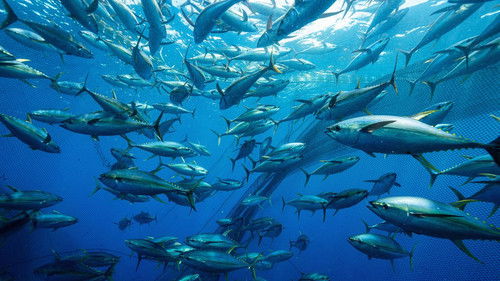
Tuna are among the top predators in the oceans. But the hunter is also the hunted: many species are overfished. Can we use the riches of the oceans without destroying them?
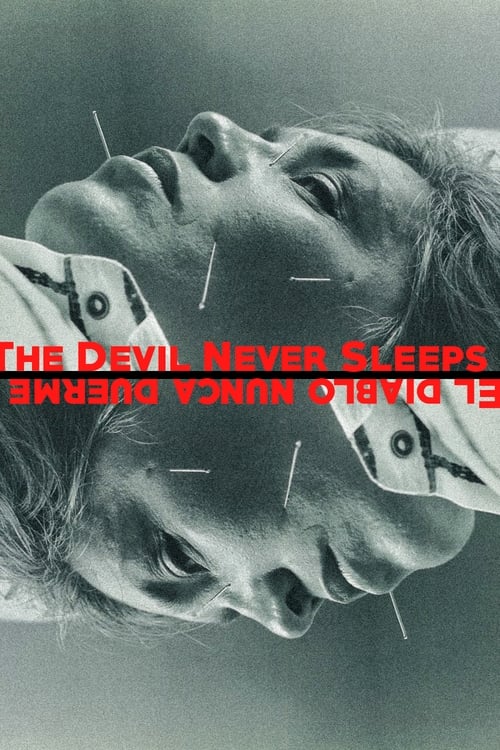
The Devil Never Sleeps is a “whodunit” documentary about family secrets. Filmmaker Lourdes Portillo received a phone call informing her of the mysterious death of her wealthy Mexican uncle Oscar. Officially ruled a suicide, Portillo’s relatives claimed murder, offering several possible suspects including a business partner, a ranch hand, and Oscar’s young widow who stood to inherit everything. Traveling to Mexico, Portillo attempts to learn the truth about her powerful uncle. Using interviews, old snapshots and home movies, she finds a complicated web of family secrets, intrigue, rumor and betrayal that makes her enigmatic uncle’s murder seem ever more likely, yet ever more obscure. As the Mexican saying goes, “When evil is lurking, the devil never sleeps.”
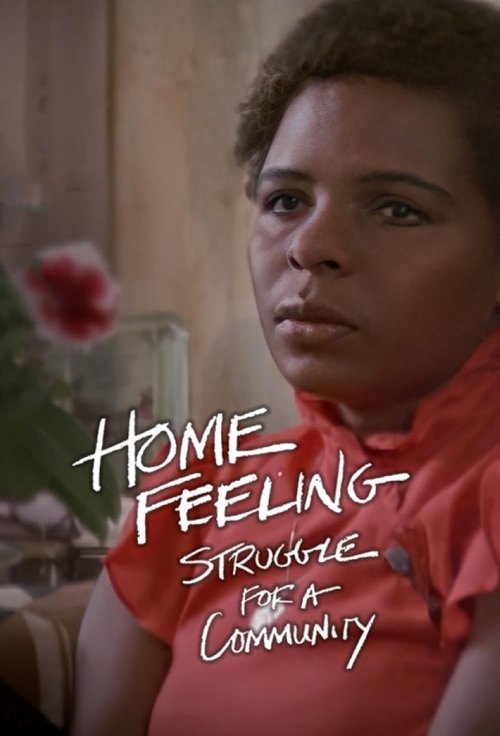
This feature documentary takes us to the heart of the Jane-Finch "Corridor" in the early 1980s. Covering six square blocks in Toronto's North York, the area readily evokes images of vandalism, high-density subsidized housing, racial tension, despair and crime. By focusing on the lives of several of the residents, many of them black or members of other visible minorities, the film provides a powerful view of a community that, contrary to its popular image, is working towards a more positive future.
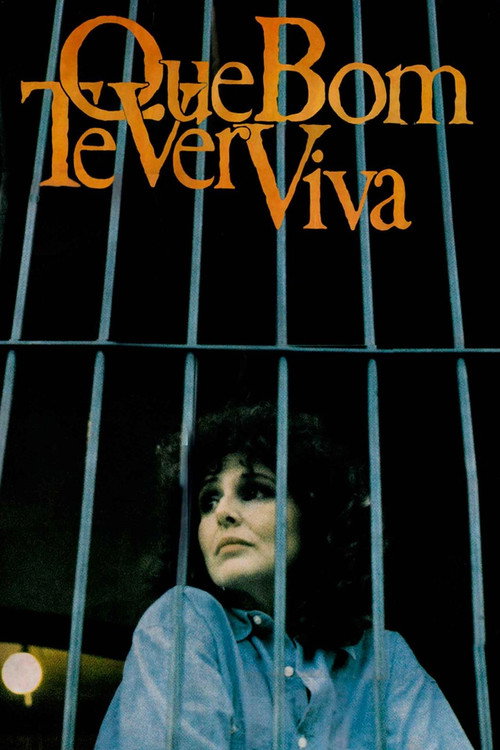
Four years after a military coup overthrew the Brazilian government in 1964, all civil rights were suspended and torture became a systematic practice. Using a mix of fiction and documentary this extraordinary film is a searing record of personal memory, political repression and the will to survive. Interviews with eight women who were political prisoners during the military dictatorship are framed by the fantasies and imaginings of an anonymous character, portrayed by actress Irene Ravache.
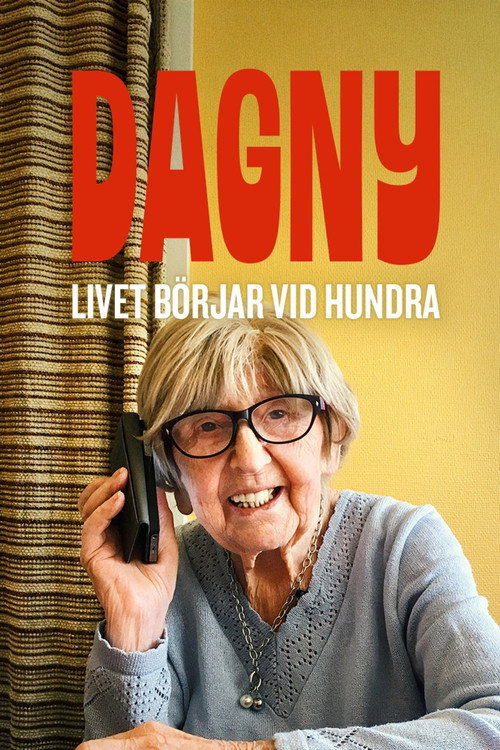
She has been called the world's oldest blogger. This film is about a very energetic 103-year old, Dagny Carlsson.
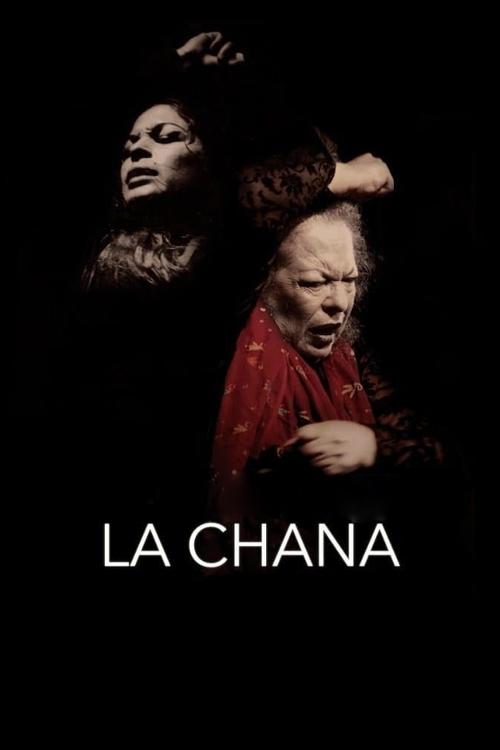
The film brings us under the skin and into the mind of La Chana, a talented Gypsy flamenco dancer as she returns to the stage to give a final seated performance after a 30-year break. Along the way, La Chana reveals the secret behind her disappearance when she was at the peak of her career.
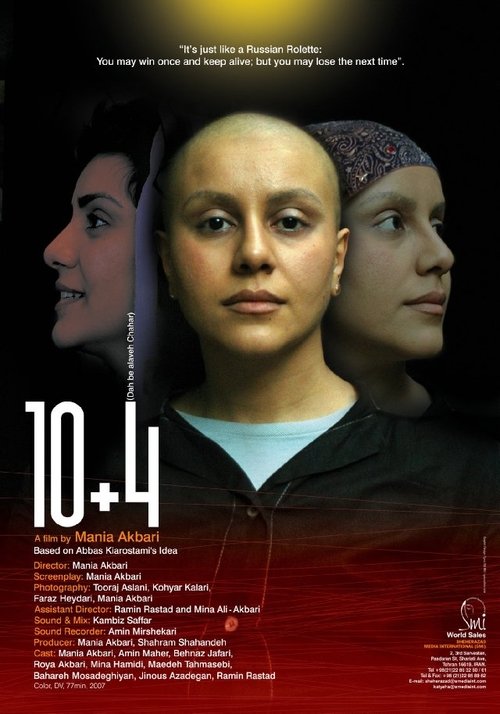
After casting painter and video artist Mania Akbari as the central figure of his groundbreaking Ten (2002), and then witnessing her outstanding debut as a feature film director in 20 Fingers (2004), Abbas Kiarostami urged her to direct a sequel to the film. In Dah be alaveh Chahar (10 + 4), though, circumstances are different: Mania is fighting cancer. She has undergone surgery; she has lost her hair following chemotherapy and no longer wears the compulsory headscarf; and sometimes she is too weak to drive. So the camera follows her to record conversations with friends and family in different spaces, from the gondola she had famously used in her first feature to a hospital bed.
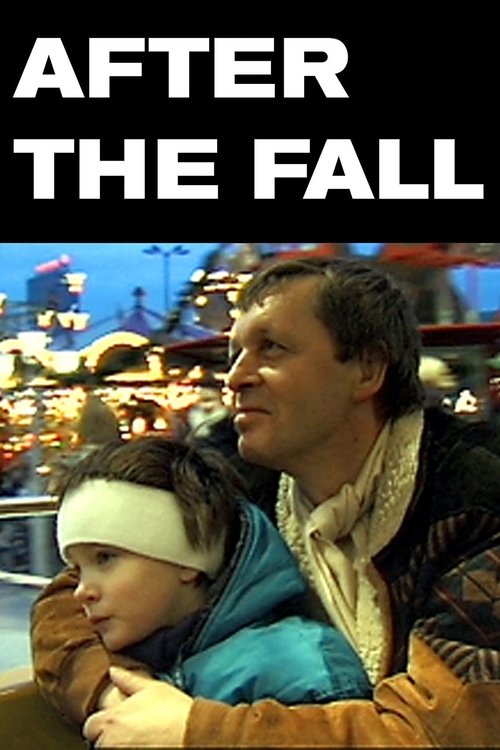
A documentary exploring the aftermath of the Berlin Wall's fall, the film features interviews in English and German with long-time residents and foreign visitors/residents from both sides of the former divide.
Jillian Michaels Killer Buns & Thighs promises to deliver with three fat-blasting booty sculpting workouts that will get you results fast! These 30-minute workouts range in difficulty level in order to provide something for everyone from beginners to the most advanced athletes.
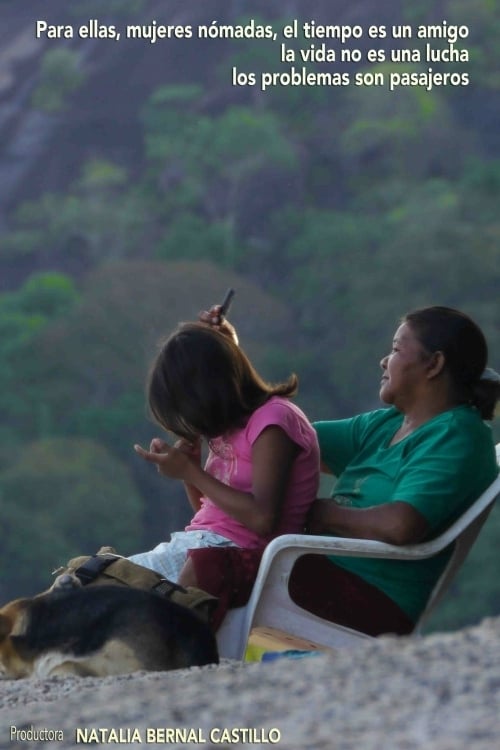
María is an Amorúa girl; an indigenous group that traveled the savannas of Orinoquía as nomads. She lives with her grandmother Matilde, her sister diana and her cousins in Puerto Carreño, in the Colombia-Venezuela border. The amorúa are considered wild and are not literate. Matilde wants her granddaughters to learn to write and read to live better in this town of "rational whites" as they call us. The director follows María's life for 8 years from her childhood to her adolescence and invites her to travel the places her grandma did as a nomad.