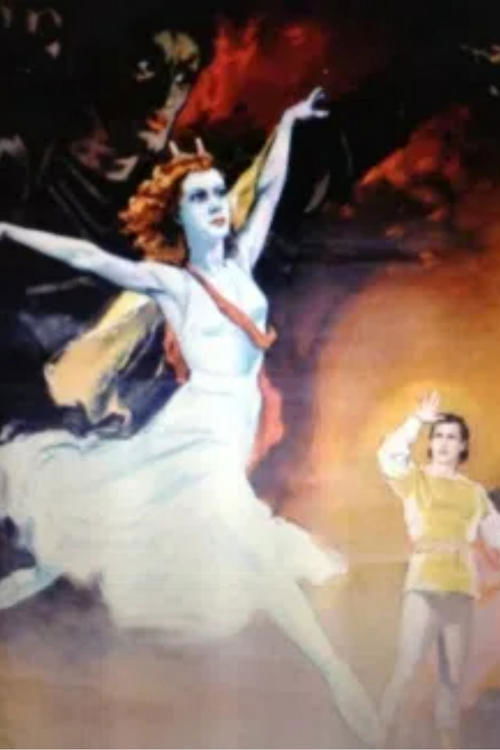
The San Francisco Ballet's performance of John Neumeier's ballet, The Little Mermaid. Composer: Lera Auerbach Conductor: Martin West Artists: John Neumeier, Yuan Yuan Tan, Lloyd Riggins Year: 2011-11 Run time: 02:14:00
John Neumeier
as
Yuan Yuan Tan
Lloyd Riggins
A Ballerina steps out of her box for one more dance
The Sleeping Beauty holds a special place in The Royal Ballet’s repertory. It was the ballet with which the Company reopened the Royal Opera House in 1946 after World War II, its first production at its new home in Covent Garden. Margot Fonteyn danced the role of the beautiful Princess Aurora in the first performance, with Robert Helpmann as Prince Florimund. Sixty years later, in 2006, the original 1946 staging was revived by then Director of The Royal Ballet Monica Mason and Christopher Newton, returning Oliver Messel’s wonderful designs and glittering costumes to the stage.
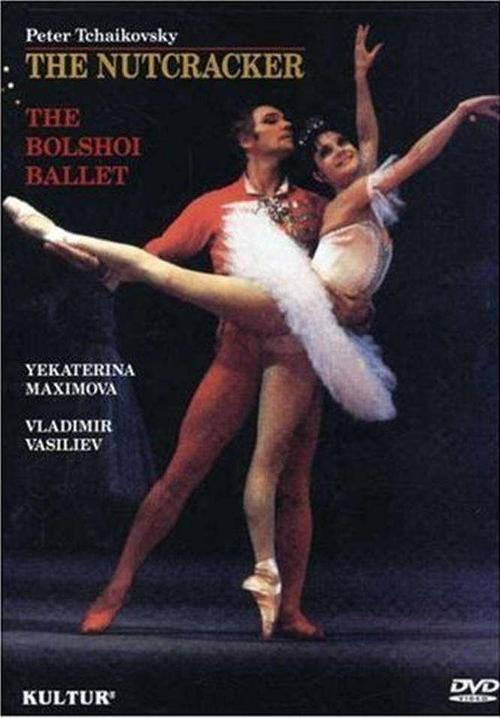
Live from the Bolshoi Theatre, this 1978 remake of the two-act classical Christmas ballet blends Tchaikovsky's beloved melodies with superb dancing. Famed Bolshoi duo Yekaterina Maximova and Vladimir Vasiliev star in this production of Tchaikovsky's beloved ballet, The Nutcracker. Maximova dances the role of Maria, the young girl whose mysterious uncle Drosselmeyer gives her a wooden nutcracker (Vasiliev) for Christmas. When he comes to life, she rescues him from marauding mice and is taken to the Kingdom of Sweets.
Sergei Prokofiev's eighth and last ballet, written between 1948 and 1953. It is based on the Russian Ural folk tale The Stone Flower by Pavel Bazhov and is also the last of the trilogy of ballets Prokofiev wrote in the Russian ballet tradition. It was premiered posthumously in 1954, conducted by Yuri Fayer.
On Christmas Eve, a young girl has a dream... Emotional awakening, physical transformation, childhood that slowly merges into adulthood... behind what seems to be a tale for children slowly emerges a danced initiatory journey. And while children revel in Drosselmeyer's magic tricks and enjoy a good scare with the apparition of the Mouse King, the adults notice all the finesse that pervades this narrative and admire the virtuosity of the choreography.
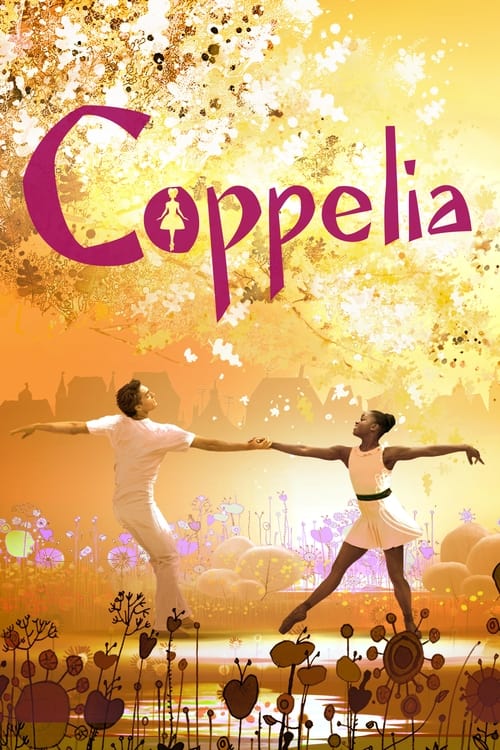
When everyone in town falls under the spell of charismatic cosmetic surgeon Doctor Coppelius, feisty Swan must act to save her sweetheart Franz, before his heart is used to spark life into Coppelia – the ‘perfect’ robot-woman the Doctor has created.
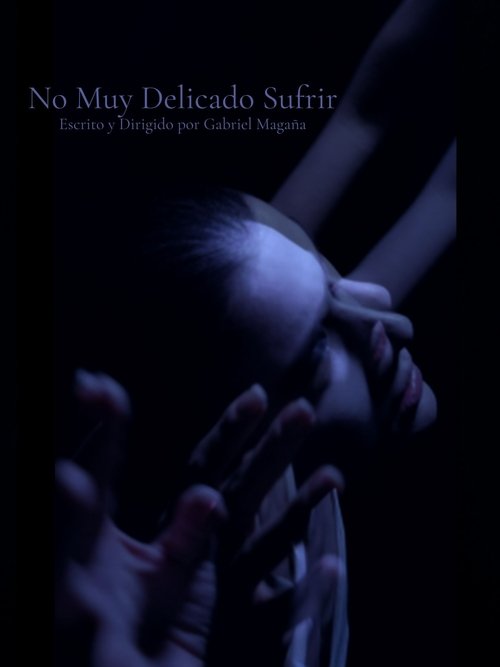
Throughout a night out in downtown Tijuana, Laura waits for her destiny to arrive.
Birmingham Royal Ballet perform Don Quixote in a production by Carlos Acosta. Based on Spain’s most famous novel, the classic ballet follows Don Quixote’s extraordinary adventures as he helps young lovers Kitri and Basilio find happiness. Filmed at the Birmingham Hippodrome, Don Quixote features some of ballet’s most iconic and virtuosic dance moments. Starring Momoko Hirata as Kitri, Mathias Dingman as Basilio and Tom Rogers as Don Quixote.
On Christmas Eve, young Clara receives a nutcracker doll and drifts into a dream where toys come alive. Guided by the transformed nutcracker prince, she moves through a world of toy soldiers, rats, and magical creatures, facing her fears and desires. Snowflakes, flowers, and fantastical landscapes frame a vivid choreography set to Tchaikovsky’s iconic score.
Five friends take a getaway trip and stay at Wonder Villa. But, the haunted villa's supernatural powers suck them in and their only chance to survive is by dancing.
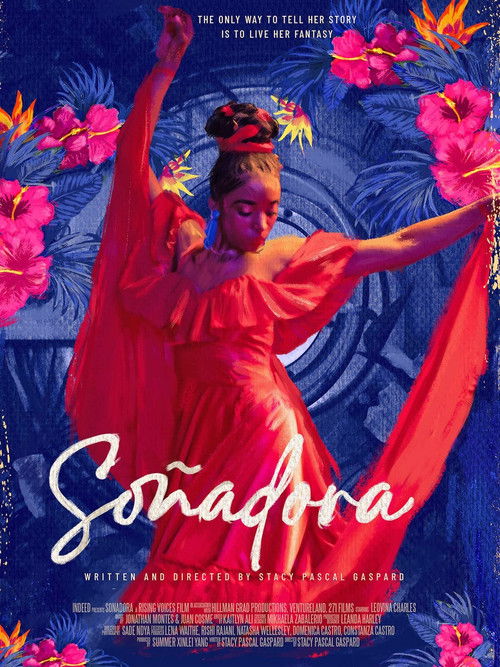
A young Caribbean immigrant mother struggling to make ends meet at her dye factory job finds a release through her abandoned dream of dance.
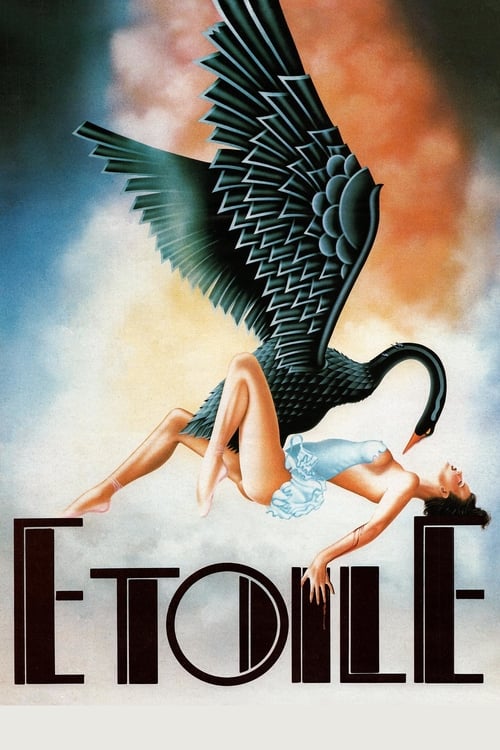
An American ballerina arrives in Hungary to enroll in a ballet school and it soon becomes apparent that things are not what they seem.
A ballet dancer is late for an audition for a show inspired by Plato's Allegory of the Cave. She arrives with her seven-year-old son, Jay, and begs the director to give her a chance.
During an interview, Tadashi, a young Spanish-Japanese actor who plays female characters in a theatrical practice similar to kabuki, will return to the past to relive his most intimate memories.
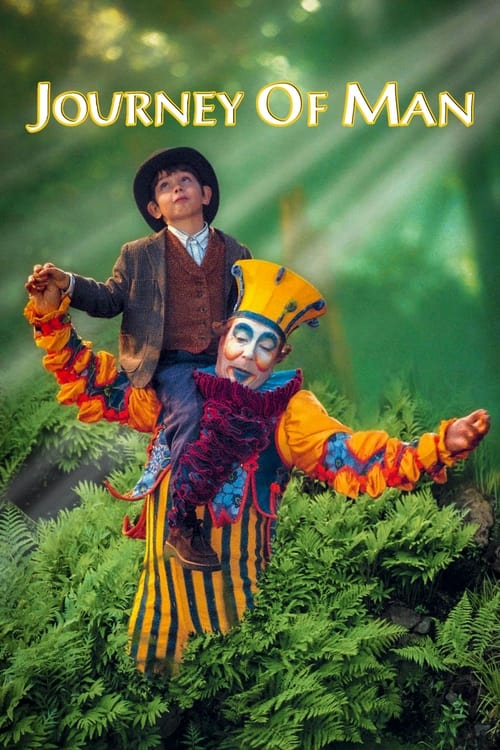
A child is born. We see underwater swimmers representing this. He is young, in a jungle setting, with two fanciful "instincts" guiding him as swooping bird-like acrobats initially menace, then delight. As an adolescent, he enters a desert, where a man spins a large cube of metal tubing. He leaves his instinct-guides behind, and enters a garden where two statues dance in a pond. As he watches their sensual acrobatics of love, he becomes a man. He is offered wealth (represented by a golden hat) by a devil figure. In a richly decorated room, a scruffy troupe of a dozen acrobats and a little girl reawaken the old man's youthful nature and love.
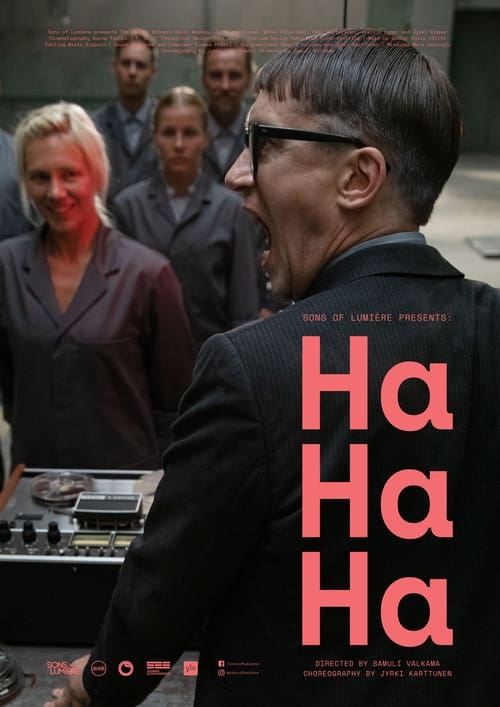
At the Factory, laughter is produced, canned and shipped into the world in precisely measured, temperate doses. It lacks something, though: freedom and authenticity. One woman is unable to laugh according to the norms. She accidentally releases a reckless laughter breaking all the Factory rules. Soon realizes she is leading a revolution for freedom and joy, against pomposity.
The Nutcracker is Mikhail Baryshnikov's breathtaking and critically acclaimed Emmy-nominated production. This spectacular performance is danced by the magnificent team of Baryshnikov, one of the greatest classical dancers of the century, and Gelsey Kirkland, both showcased at the peak of their careers, with members of the American Ballet Theatre.
A pair of short ballets, written for the screen, filmed and performed by artists of the Georgian SSR. In color, with narration.
Olympic gold medalist Peggy Fleming and six-time U.S. national champion Todd Eldredge star in this performance of the Tchaikovsky Christmas classic.