The director embarks on a journey to reveal the story behind the legendary Café Nagler, owned by her family during the 1920s in Berlin, and finds that historical truths can be overrated.
Mor Kaplansky
as Herself
Naomi Kaplansky
Still today, people say that during the stormy night from March 31st to April 1st, 1922, the devil had come to Hinterkaifeck. On the farmstead near Schrobenhausen, all 6 inhabitants – 4 Adults and two children – are struck down bestially. The police did not manage to seek out the murderer(s). As the case is still unsolved as of today, the story still lives on in the minds of the people. Motion pictures, theatre plays, and the bestselling novel “Tannöd”, behind all of them stands Hinterkaifeck. Aspiring police investigators and a self-declared “Internet – special commission ‘Hinterkaifeck’” have now once again taken up the trail of the case. This exciting search for traces is followed by the film, and its findings are recreated in elaborate play scenes. Thereby, a picture of an era thought to be bygone and an idea of what really happened back then comes into existence. More precise than any fiction, the docudrama manages to get closer to the truth.
Erna and Dževad are the owners of a pub in the vicinity of a steel mill, a complex that used to be one of the largest of its kind in Eastern Europe. Taking place one week before the pub’s official closedown, the film follows a series of conversations between visitors and frequent guests, who discuss the ways of reaching Germany – a new utopia of former socialist workers.
A cameraman wanders around with a camera slung over his shoulder, documenting urban life with dazzling inventiveness.
Pellegrini's Espresso Bar is a testament to the enduring power of community, tradition, and love. This documentary explores the cafe's rich history, its cultural impact, and the profound legacy of its beloved figure, Sisto Malaspina.
Vladimir Ilyich Ulyanov, better known as Lenin, is remembered as the instigator of the October Revolution of 1917 and, therefore, as one of the men who changed the shape of the world at that time and forever, but perhaps the actual events happened in a way different from that narrated in the history books…
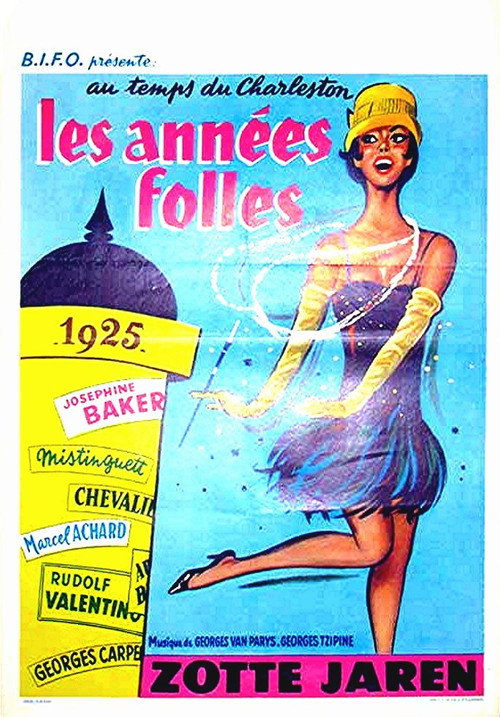
A film that evokes the period between the end of the First World War and the Great Depression of 1929. For some, it was the golden age of pleasure and the easy life, with memories of Charleston, short-haired tomboys, wild races in a Torpedo, and the dizzying banks of Deauville. For the rest of us, it was a time of illusions, when the carefree post-war era did little to conceal the profound upheavals that were shaking the world: the Soviet Revolution, the establishment of Fascism in Italy, German rearmament, a changing China, and finally the great economic depression of 1929, which took on the proportions of a global catastrophe.
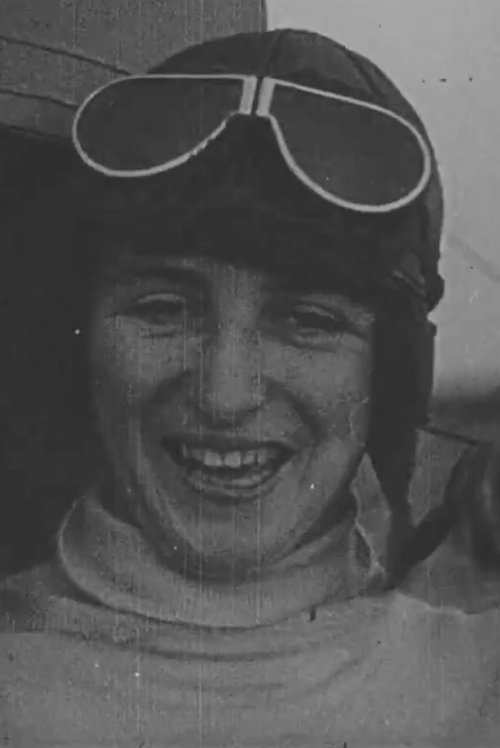
Topical Budget 545-2. Newsreel of the 1920s aerial stuntwoman and barnstormer, Sara “Babe” Kalishek. We see her on the ground at first, standing in front of a plane before we see her wing walking on a plane in flight, then climbing from one plane onto the wing of another.
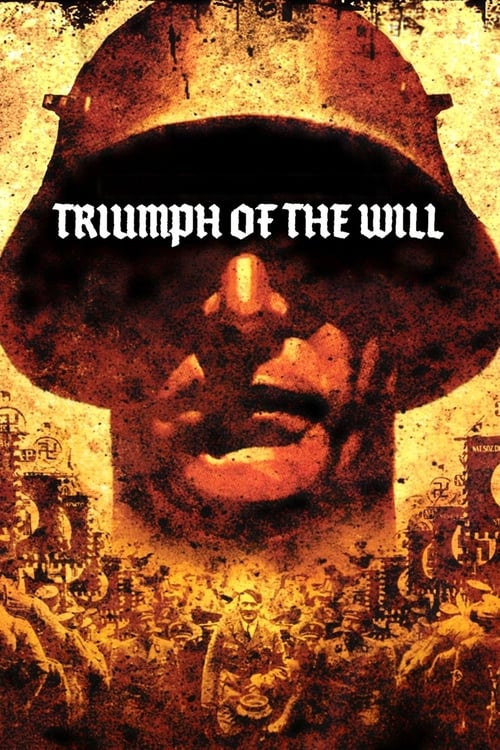
A showcase of German chancellor and Nazi Party leader Adolf Hitler at the 1934 Nuremberg Rally.
Sports enthusiast Ernest is to cover 6,000 kilometers on his motorcycle in 15 days, crossing Austria, Italy, Switzerland, the Balkans and Czechoslovakia.
A walk through the landscapes of the province of Salamanca, Spain, as well as a testimony of the daily life and customs of its inhabitants.
A walk through the landscapes of the province of Barcelona, Spain, as well as a testimony of the daily life and customs of its inhabitants.
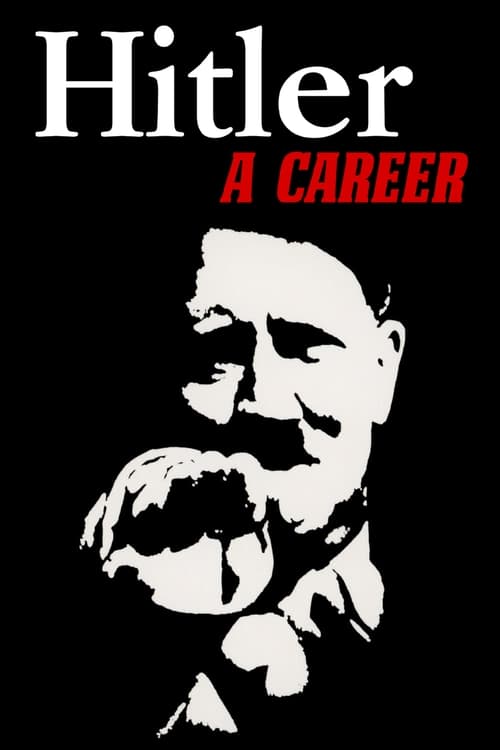
A keen chronicle of the unlikely rise to power of Adolf Hitler (1889-1945) and a dissection of the Third Reich (1933-1945), but also an analysis of mass psychology and how the desperate crowd can be deceived and shepherded to the slaughterhouse.
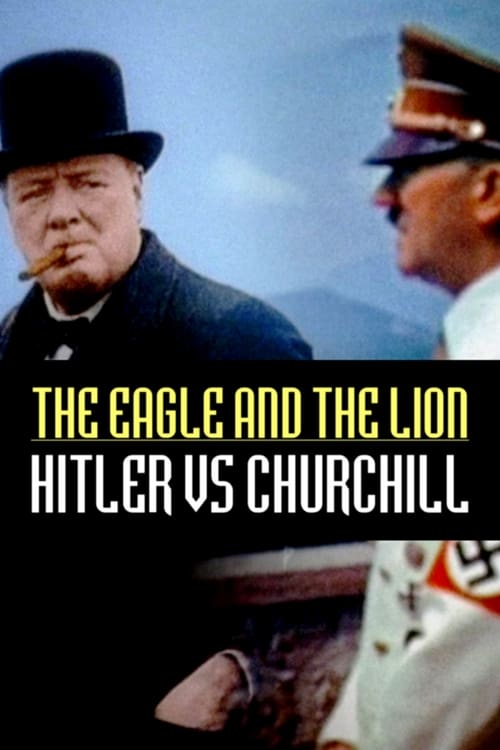
Winston Churchill, one of the most revered men of the twentieth century. Adolf Hitler, one of the most hated leaders in contemporary history. Between 1940 and 1945, these two enormously contradictory personalities faced each other in both politics and war. A clash of giants whose story begins in the trenches of the World War I and ends with the debacle of the World War II.
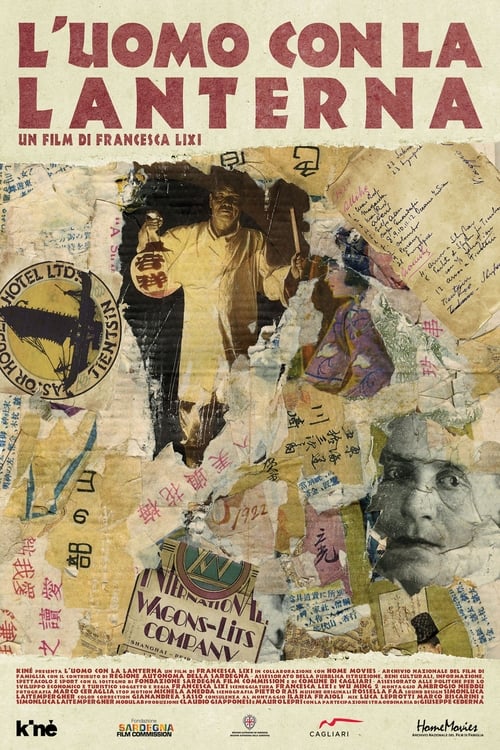
To discover the truth behind the mysterious objects her uncle brought back from the Far East during her childhood, filmmaker Francesca Lixi embarks on a journey to those places through archival footage.
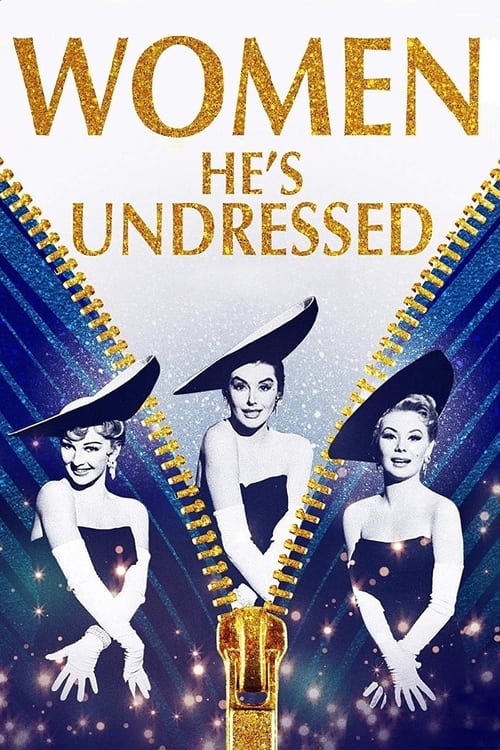
Hollywood stars, historical footage and stylized reenactments tell the story of costume designer Orry-Kelly, who ruled Tinseltown fashion for decades.
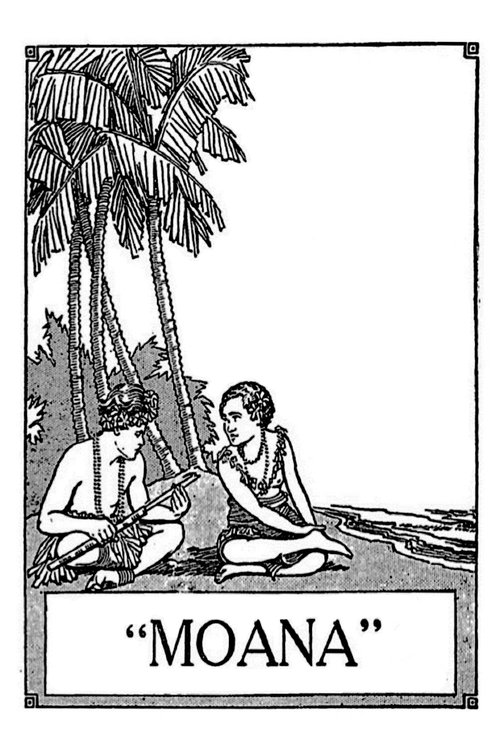
Robert J. Flaherty’s follow-up to Nanook of the North shifts from the Arctic to the South Seas, portraying Samoan village life with a painterly eye. Blending ethnographic detail with a romanticized “Gauguin idyll,” the film celebrates daily rituals, communal traditions, and the passage into adulthood, suffused with what Flaherty called “pride of beauty, pride of strength.”
A round-up of free events in London, including street entertainers, a puppet show, pavement artists, road menders, a daring demonstration by the fire brigade, an abduction staged by a film company and a military parade.