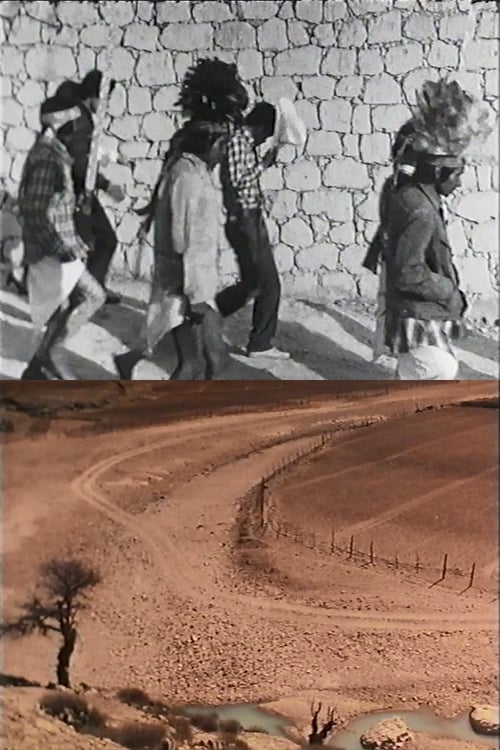
"Há terra! is an encounter, a hunt, a diachronic tale of looking and becoming. As in a game, as in a chase, the film errs between character and land, land and character, predator and prey."
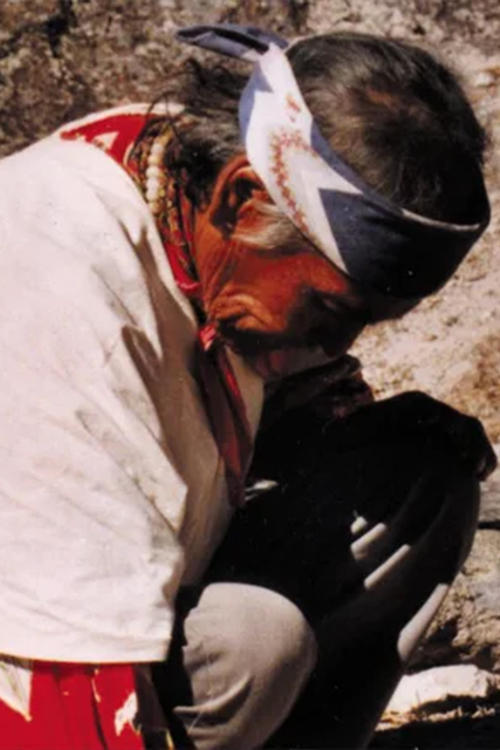
A young Native American man on his way to visit his uncle learns about his Navajo heritage by attending tribal gatherings, traditional ceremonies and listening to old folktales.
As Hollywood biographies go, Judy Garland's story is one of the saddest success stories you'll ever hear. The sanitized studio version of her life presented a smiling kid with the big voice, who, alongside Mickey Rooney, just wanted to put on a show. But drugs, overwork, even psychological abuse at the hands of the studio is now part of the Garland legend. But despite the number of Garland books and documentaries, one account has always been missing -- Garland herself never managed to write a memoir. She did make several attempts at an autobiography, often recording stories on a tape recorder. Judy Garland: By Myself (2004), finally fills in the blanks - using Judy's personal recordings to tell the story in her own words.
A Montreal girl takes a disastrous trip inside the porn industry.
Far from home and cut off from family and friends, Montreal’s Indigenous homeless population is the focus of No Address. Dreams of a better life in the big city can be met with harsh realities, as the individuals in this documentary recount. Often trying to flee circumstances created by colonialism and the effects of assimilation, the First Nations and Inuit people in this work share frank stories about their lives and the paths that took them to the streets of Montreal. Alanis Obomsawin presents an honest, stark portrayal of endemic homelessness while giving voice to those so often overlooked or made invisible on the streets of every city in Canada.
While searching for her grandmother, the director comes across the story of three brothers who are torn between the fronts of political ideologies in the Third Reich and divided Germany: "the third brother" is the filmmaker's grandfather, who, in confronting her father, tries to overcome decades of speechlessness and, in the process, to understand where in the past her father's sense of family fell by the wayside.
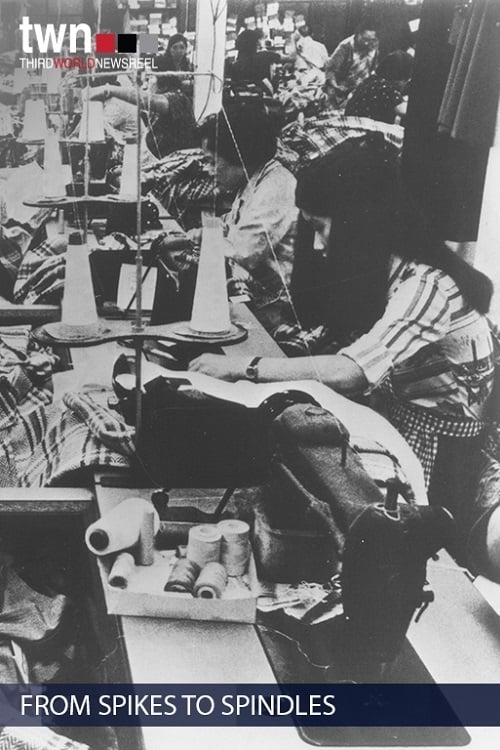
Director Eugenia Gutu offers a feminist critique of gender (in)equality under socialism in this documentary portrait of an industrializing town and its model citizen, Florica S.
A follow-up to the 2008 documentary "Roman Polanski: Wanted And Desired", focusing on the filmmaker's successful battle to avoid extradition in to the U.S. in 2010.
In 1996, Marcello Mastroianni talks about life as an actor. It's an anecdotal and philosophical memoir, moving from topic to topic, fully conscious of a man "of a certain age" looking back. He tells stories about Fellini and De Sica's direction, of using irony in performances, of constantly working (an actor tries to find himself in characters). He's diffident about prizes, celebrates Rome and Paris, salutes Naples and its people. He answers the question, why make bad films; recalls his father and grandfather, carpenters, his mother, deaf in her old age, and his brother, a film editor; he's modest about his looks. In repose, time's swift passage holds Mastroianni inward gaze.
She came to the New York City Ballet as a teenager from Ohio and captured the heart and soul of the great Mr. B, inspiring the seminal ballets of her era and setting off a star-crossed love triangle as fevered and bizarre as anything in THE RED SHOES. As the greatest ballerina of her time looks back on her amazing career in Anne Belle and Deborah Dickson's intimate portrait, the on-stage triumphs and backstage turmoil come to vivid life.
Notoriously press and camera-shy, David Geffen reveals himself for the first time in this unflinching portrait of a complex and compelling man. His far-reaching influence - as an agent and manager, record industry mogul, Hollywood and Broadway producer, and billionaire philanthropist - has helped shape American popular culture for the past four decades. This documentary offers a rare insight into the world of the man responsible for launching the early successes of Joni Mitchell, Tom Cruise, and Guns N’ Roses; co-founded DreamWorks; produced Cats and Dreamgirls; and is one of the largest contributors to the fight against AIDS. (SBS AU) Geffen narrates his unorthodox rise from working class Brooklyn boy to billionaire entertainment power broker in extensive interviews. American Masters explores the highs and the lows in Geffen’s professional and personal life through more than 50 new interviews with his friends, colleagues and clients, as well as other media luminaries. (PBS)
With great wit and insight, New York City filmmaker Nina Davenport documents her quest to have a baby as a single mother over forty. Davenport's film taps into the zeitgeist topic of how the modern family is being re-imagined. (TIFF)
An experimental portrait of the North American commercial fishing industry through the lens of GoPro cameras placed on a fishing vessel off the coast of New England.
In 1988, 20-year-old Kirsi Marie Liimatainen travels from Finland to the GDR, to study Marxism-Leninism at the International Youth Academy. In summer of´89 the course ends and the students spread out over the world. Afew months later, the Berlin Wall falls. 24 years later Kirsi, sets out on a cinematic journey to Nicaragua, South Africa, Chile, Bolivia, Lebanon, Germany and Finland to meet up once more with her former fellow students. What remains of their dream of the liberation of the oppressed?
Segregation, abandonment, and the meaning of home are discussed by the people that lived in, worked at, and crusaded for one of the largest and oldest Intellectual and Developmental Disability Institutions in the United States. The facility, in its closing, challenged society's perception of those with intellectual disabilities and ultimately fought for better rights.
Lebanon's brief flirtation with space travel in the 1960s becomes a poignant metaphor for the Arab world's utopian dreams in this riveting documentary.
This extraordinary testament to survival from Emmy-winning producer/director Janet Tobias brings to light a story that remained untold for decades: that of thirty-eight Ukrainian Jews who survived World War II by living in caves for eighteen months.
This playful video from famed director and photographer Tracey Moffatt turns the tables on traditional representations of desire to examine the power of the female gaze in the objectification of men’s bodies. HEAVEN begins with surreptitiously taped documentary footage of brawny surfers changing in and out of bathing and wet-suits. While the soundtrack switches between the ocean surf and male chanting, Moffatt moves closer to alternately flirt with and tease her subjects, who respond with a combination of preening and macho reticence.
For more than 40 years Kathryn Bigelow has been making films that explore male violence. With movies like Blue Steel, Point Break, The Hurt Locker and Zero Dark Thirty, the Oscar winning American filmmaker has impressed with hard-hitting moviemaking that holds a mirror up to contemporary America and the world.